
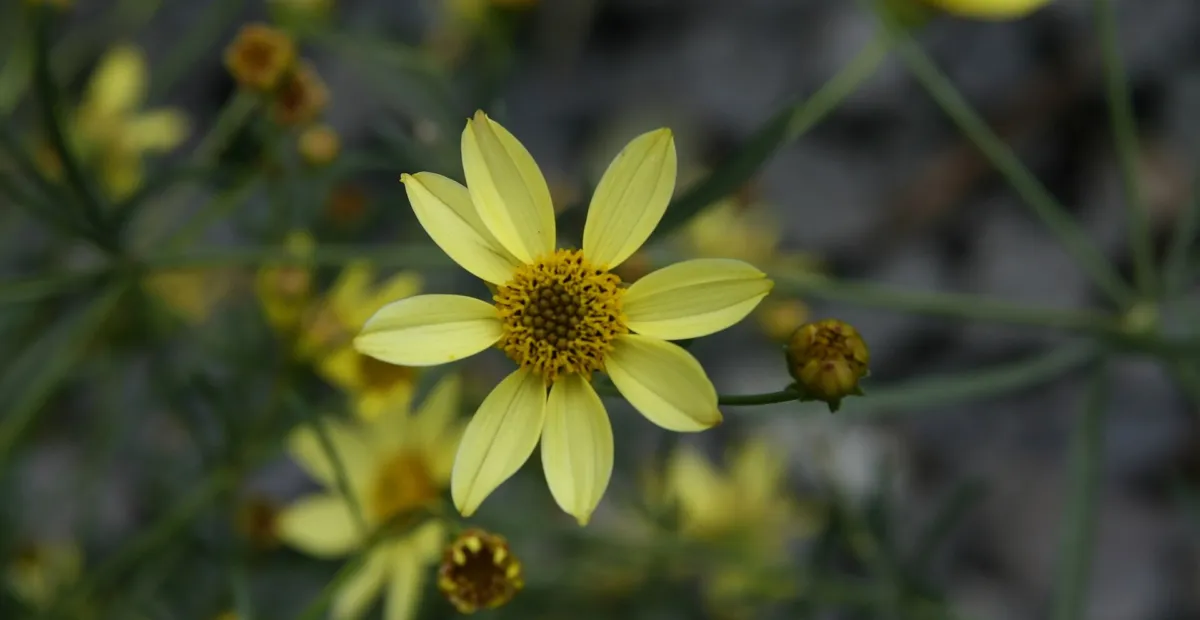
 Source:
 Coreopsis ‘Moonbeam’ short overview
Coreopsis 'Moonbeam' is a dependable, long-blooming perennial valued for its airy texture and soft color. Fine, threadlike leaves form a compact clump beneath slender stems carrying pale yellow, daisy-shaped flowers from early summer into late summer, often with a fall flush after shearing. Give it full sun, sharply drained soil, and modest fertility. It suits borders, rock gardens, containers, and pollinator plantings, and is hardy through much of the United States.
Taxonomic classification
Coreopsis ‘Moonbeam’ care guide
Light and placement
Grow in full sun, ideally with at least 6 hours of direct light and good exposure from the south or west. Morning sun with bright afternoon light also works in hot regions. Too little light causes weaker stems, fewer flowers, and more sprawling; excessive reflected heat is usually tolerated if roots do not dry abruptly.
Watering and humidity
Water deeply when the upper few inches of soil dry, rather than giving frequent shallow drinks. Keep newly planted divisions evenly moist during their first growing season, then reduce irrigation once established. Mature plants tolerate short dry periods but may need supplemental water during prolonged heat, drought, or container cultivation.
Soil and growing medium
Use a lean to moderately fertile soil that drains freely. Sandy or loamy ground is suitable, while heavy, waterlogged soil increases the risk of crown and root problems. Slightly acidic to neutral conditions are appropriate; the plant performs especially well where drainage is better than moisture retention.
Feeding
Feed sparingly. In average soil, a thin layer of compost in spring is usually sufficient; avoid high-nitrogen fertilizer, which can produce floppy growth and fewer flowers. If growth is weak, use a balanced slow-release fertilizer at the label rate in spring, then stop feeding by late summer.
Growth and habit
The plant develops a rhizomatous, bushy clump and may gradually spread sideways without becoming an aggressive self-seeder. Moist or overly fertile soil can encourage sprawling stems. Light midsummer shearing helps maintain a compact outline and can stimulate a later flush of flowers.
Planting and repotting
Plant in spring after the soil is workable, or in early fall while temperatures remain moderate. Set the crown level with the surrounding soil and water deeply during establishment. Space plants about 18–24 inches apart to allow the clumps to fill without excessive crowding.
Repot container plants in spring when roots fill the container. Move the plant into a slightly larger pot with a free-draining potting mix, keeping the crown at the same level. Avoid oversized containers that stay wet for long periods.
Propagation and pruning
Propagation
Divide established clumps in spring or early fall, separating healthy rhizome sections with roots and shoots. 'Moonbeam' is generally treated as a sterile cultivar, so division is the dependable home-garden method. Plant divisions promptly and keep them evenly watered while they establish.
Pruning
Remove spent flowers to extend the display and improve tidiness. In midsummer, shear the plant back by roughly one-third to one-half if it becomes floppy or flowering slows; this can encourage compact regrowth and fall rebloom. Cut stems back after the growing season if a cleaner winter appearance is preferred.
Overwintering
Leave the crown outdoors in USDA Zones 4–9. After frost, remove dead stems if desired and keep the soil well drained through winter. In containers, protect the root ball from repeated freeze-thaw cycles by moving the pot to a sheltered location or insulating it; do not keep the plant warm indoors unless necessary.
Uses
Useful in sunny perennial borders, cottage gardens, naturalistic plantings, rock gardens, raised beds, and containers. Its long flowering period and open daisy form make it suitable for pollinator gardens. It is ornamental rather than a culinary or medicinal crop.
Appearance
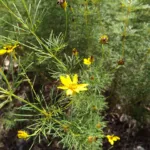
Thin, green stems rise above finely divided leaves whose threadlike segments are arranged in whorls, giving the plant a light, airy texture. The flower heads have pale yellow rays surrounding darker yellow disks. The fine foliage and slender stems distinguish it from broader-leaved coreopsis types.
Flowering
The flowers are borne in loose clusters on slender, branching stems. Bloom commonly begins in June and can continue through August or September, especially when faded stems are removed or the plant is lightly sheared in midsummer. A fall rebloom is often possible in favorable climates.
Pollination and visitors
Coreopsis flowers provide accessible nectar and pollen for bees, bumblebees, butterflies, moths, and hoverflies. University pollinator trials recorded substantial visitation to ‘Moonbeam’, although exact visitor abundance varies with region, weather, surrounding plants, and cultivar condition.
Coreopsis 'Moonbeam' photos
Click any photo for a larger view. Source, author and license are shown separately.
Diseases and pests
Diseases
Usually trouble-free, but crown rot can develop in wet, poorly drained soil. Less common issues include botrytis, aster yellows, powdery mildew, and fungal leaf spots. Improve air circulation, avoid wetting foliage late in the day, and remove badly affected material.
Pests
Slugs and snails may occasionally chew young or low foliage. Monitor plants during cool, wet weather and remove hiding places near the crown. Avoid routine insecticide use because the flowers support beneficial insects. Good drainage and appropriate spacing reduce stress-related pest problems.
Toxicity and pollen
ASPCA lists Coreopsis as non-toxic to dogs and cats. That broad genus-level listing supports a low concern for normal garden contact with 'Moonbeam', but it does not guarantee that every individual will tolerate ingestion. Discourage pets and children from chewing ornamental plants, and seek professional advice if symptoms follow ingestion.
- Typical season
- Late spring through early fall
- Pollination / pollen
- Insect-dispersed pollen
This is an insect-pollinated daisy, so its pollen is generally dispersed close to the flower rather than released in large windborne clouds. Airborne exposure is therefore expected to be relatively low, but sensitive people can still react to direct contact with flowers or pollen, and individual allergy responses vary.
Native habitat
The species is native to the eastern United States, where threadleaf coreopsis occurs in open, sunny habitats with relatively dry, lean, well-drained soils. The cultivar is a garden selection and should be treated as an ornamental form rather than a substitute for locally sourced native populations.
Interesting fact
‘Moonbeam’ received the 1992 Perennial Plant of the Year award. Its pale flowers are softer in color than many golden yellow coreopsis cultivars. Unlike the species, it is commonly described as sterile, reducing unwanted self-seeding. The genus name refers to the bug-like appearance of some seeds.
Frequently asked questions (FAQ)
The most relevant questions about this plant, with short and direct answers.
🌱Quick care
What is Coreopsis 'Moonbeam'?⌄
Coreopsis 'Moonbeam' is a compact herbaceous perennial with finely divided foliage and pale lemon-yellow, daisy-like flowers. It is commonly sold as a threadleaf coreopsis or tickseed cultivar.
Is Coreopsis 'Moonbeam' easy to grow?⌄
Yes, Coreopsis 'Moonbeam' is generally easy to grow when planted in full sun and well-drained soil. It is drought-tolerant once established and needs relatively little maintenance.
How much sun does Coreopsis 'Moonbeam' need?⌄
Coreopsis 'Moonbeam' grows best in full sun, meaning at least 6 hours of direct sunlight daily. It can tolerate light afternoon shade, but too little sun may reduce flowering and cause floppier growth.
How often should I water Coreopsis 'Moonbeam'?⌄
Water Coreopsis 'Moonbeam' when the soil has begun to dry, especially during its first growing season. Once established, it usually needs only low to moderate watering and tolerates short periods of drought.
🌤️Environment and placement
What type of soil is best for Coreopsis 'Moonbeam'?⌄
Plant Coreopsis 'Moonbeam' in lean, sandy or loamy soil that drains freely. Avoid heavy, waterlogged soil and excessive fertilizer, which can encourage weak, leafy growth.
Can Coreopsis 'Moonbeam' grow in clay soil?⌄
Coreopsis 'Moonbeam' can grow in clay soil if drainage is improved before planting. Incorporate organic matter and consider a raised or slightly elevated planting area if water remains around the roots.
What USDA hardiness zones are suitable for Coreopsis 'Moonbeam'?⌄
Coreopsis 'Moonbeam' is commonly listed as hardy in USDA Zones 3 through 9. Local winter exposure, drainage, and snow cover can affect its survival at the coldest edge of that range.
Can Coreopsis 'Moonbeam' tolerate drought?⌄
Yes, established Coreopsis 'Moonbeam' tolerates drought because it prefers dry to moderately moist, well-drained soil. Water it during prolonged heat or drought to support flowering, particularly in containers.
Can Coreopsis 'Moonbeam' grow in a container?⌄
Yes, Coreopsis 'Moonbeam' grows well in a container with drainage holes and a lightweight, well-drained potting mix. Choose a pot large enough for its mature root system and water when the mix begins to dry.
Is Coreopsis 'Moonbeam' good for pollinators?⌄
Yes, the flowers of Coreopsis 'Moonbeam' attract bees, butterflies, and other pollinators. Planting it in full sun with other long-blooming perennials can provide a more continuous food source.
💧Care and problems
Why is my Coreopsis 'Moonbeam' not flowering?⌄
Insufficient sunlight is a common reason Coreopsis 'Moonbeam' fails to flower well. Overfertilization, excessive shade, drought stress, or poor drainage can also reduce blooming.
Why is Coreopsis 'Moonbeam' turning brown or wilting?⌄
Brown or wilted growth may result from drought, root stress, or naturally drying foliage after flowering. Check soil moisture and drainage, and remove damaged stems if the roots are not staying consistently wet.
Does Coreopsis 'Moonbeam' need fertilizer?⌄
Coreopsis 'Moonbeam' usually needs little or no fertilizer when grown in reasonably good soil. Avoid high-nitrogen feeding because it can produce lush foliage with fewer flowers and weaker stems.
Is Coreopsis 'Moonbeam' prone to pests or diseases?⌄
Coreopsis 'Moonbeam' is generally trouble-free, although slugs and snails may damage new growth in damp conditions. Poor drainage can contribute to root problems, so keeping the soil well drained is important.
🪴Planting and repotting
When should I plant Coreopsis 'Moonbeam' in the United States?⌄
Plant Coreopsis 'Moonbeam' in spring after the soil is workable, or in early fall at least several weeks before the ground freezes. In USDA Zones 3 and 4, spring planting is generally the safer option.
How far apart should I plant Coreopsis 'Moonbeam'?⌄
Space Coreopsis 'Moonbeam' about 18 to 24 inches apart, depending on the desired density. This allows its clumping growth to fill in while preserving airflow around the foliage.
How deep should I plant Coreopsis 'Moonbeam'?⌄
Plant Coreopsis 'Moonbeam' at the same depth it was growing in its nursery container. Keep the crown at soil level, because planting it too deeply can encourage crown and root problems.
✂️Propagation and pruning
Can Coreopsis 'Moonbeam' be grown from seed?⌄
Coreopsis 'Moonbeam' is generally treated as a sterile or unreliable seed-producing cultivar, so seed may not reproduce the original plant accurately. Division or vegetative propagation is preferred for maintaining its characteristics.
How do I propagate Coreopsis 'Moonbeam'?⌄
Propagate Coreopsis 'Moonbeam' by dividing established clumps in early spring or by taking suitable basal cuttings in spring. Division is usually the simplest method for home gardeners.
When should I divide Coreopsis 'Moonbeam'?⌄
Divide Coreopsis 'Moonbeam' in early spring as new growth begins. Replant the divisions promptly at the original depth and keep them evenly moist until they establish.
Does Coreopsis 'Moonbeam' spread aggressively?⌄
Coreopsis 'Moonbeam' is a clumping perennial and is less troublesome from seed than many species because it is generally sterile. Established plants can still expand gradually through their root system and may need division when crowded.
Should Coreopsis 'Moonbeam' be cut back in the fall?⌄
Cut Coreopsis 'Moonbeam' back to a few inches above the ground in late fall or leave the dried stems until late winter. Leaving stems through winter can provide some habitat, while fall cleanup gives a neater appearance.
⚠️Toxicity and safety
Is Coreopsis 'Moonbeam' toxic to dogs?⌄
Coreopsis 'Moonbeam' is considered non-toxic to dogs. Even non-toxic plants can cause mild stomach upset if eaten in large quantities, so contact a veterinarian if your dog shows symptoms after ingesting plant material.
Is Coreopsis 'Moonbeam' toxic to cats?⌄
Coreopsis 'Moonbeam' is considered non-toxic to cats. Prevent excessive chewing and seek veterinary advice if a cat develops vomiting, diarrhea, or other unusual symptoms after eating it.
🌸Flowering and special interest
When does Coreopsis 'Moonbeam' bloom?⌄
Coreopsis 'Moonbeam' typically blooms from early summer into late summer, with flowering often extending into fall when spent blooms are removed. The exact timing varies with climate and spring temperatures.
How long does Coreopsis 'Moonbeam' flower?⌄
Coreopsis 'Moonbeam' can flower for several months under favorable conditions. Full sun, adequate moisture during dry spells, and regular deadheading help extend the display.
Should I deadhead Coreopsis 'Moonbeam'?⌄
Yes, deadheading Coreopsis 'Moonbeam' encourages additional flowers and keeps the plant tidy. Remove faded flower stems above healthy foliage, or lightly shear the plant when many blooms have finished.
Can I cut back Coreopsis 'Moonbeam' for a second bloom?⌄
Yes, lightly shearing Coreopsis 'Moonbeam' by about one-third to one-half in mid to late summer can encourage fresh growth and possible fall rebloom. Avoid cutting into emerging buds if you want to preserve flowers already forming.
What color are Coreopsis 'Moonbeam' flowers?⌄
Coreopsis 'Moonbeam' produces soft pale yellow to lemon-yellow flowers, usually with darker yellow centers. The airy, threadlike foliage contrasts with the simple daisy-shaped blooms.
Similar plants
 Coreopsis ‘Star Cluster’Coreopsis 'Star Cluster'
 Coreopsis ‘Sienna Sunset’Coreopsis 'Sienna Sunset'
 Coreopsis ‘Sunfire’Coreopsis 'Sunfire'
 Large-flowered tickseed (Coreopsis grandiflora) care guideCoreopsis grandiflora
 Lance-leaved Coreopsis (Coreopsis lanceolata) care guideCoreopsis lanceolata
 Whorled Coreopsis (Coreopsis verticillata) care guideCoreopsis verticillata