
 Source:
 Pink Passion (Cordyline australis ‘Pink Passion’) short overview
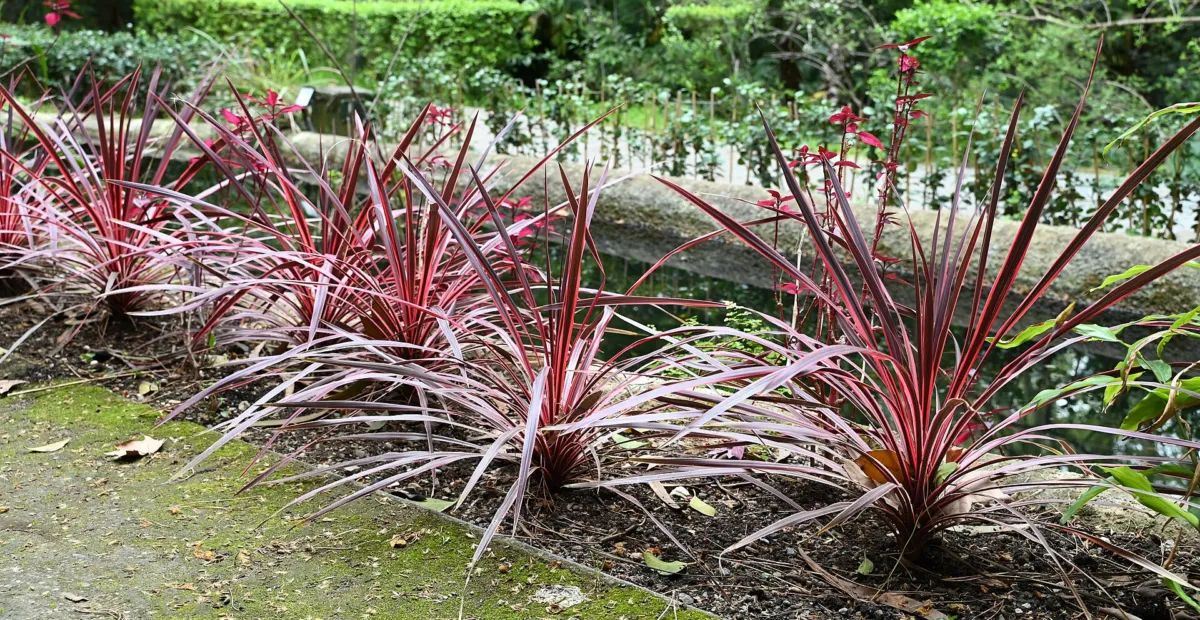
Cordyline australis 'Pink Passion' is a distinctive evergreen, palm-like cultivar with arching, sword-shaped leaves in gray-purple, burgundy, and vivid pink. Its architectural rosette brings strong color to containers, patios, sheltered borders, and warm-climate landscapes. Give it bright light, sharply drained soil, moderate water, and winter protection where temperatures may fall below its limited frost tolerance. Mature plants can produce fragrant white flower panicles.
Taxonomic classification
Pink Passion (Cordyline australis ‘Pink Passion’) care guide
Light and placement
Provide full sun to partial shade. In cooler climates, use a south- or west-facing, sheltered position; in hot inland areas, bright morning sun with protection from intense afternoon heat can preserve the pink margins. Too little light produces weaker, greener growth, while excessive harsh sun may scorch leaves, especially after indoor cultivation.
Watering and humidity
Water thoroughly when the upper layer of soil has begun to dry, then let excess drain away. Keep newly planted specimens evenly moist while establishing, but reduce watering in cool weather and winter. Established plants tolerate short dry periods; the main risk is crown or root rot from saturated soil.
Soil and growing medium
Use a free-draining mix or soil containing loam, sand, grit, or other mineral material. The plant tolerates a broad pH range, but persistent waterlogging is more damaging than modest acidity or alkalinity. Container plants need drainage holes and should not sit in standing water.
Feeding
Feed in spring and summer with a balanced, complete fertilizer at label strength or slightly weaker for containers. Water the soil first if it is dry, and reduce or stop feeding in late fall and winter when growth is slow. Excess fertilizer can worsen salt buildup and marginal leaf damage.
Growth and habit
Forms a persistent rosette that may develop a woody, palm-like trunk with age. Plants can remain compact in containers but become more tree-like when established outdoors. Mature stems may branch after flowering or damage, so allow recovery space and remove only clearly dead foliage.
Planting and repotting
Plant outdoors in spring after the danger of hard frost, choosing a sheltered site with good drainage. Set the root ball level with the surrounding soil and firm gently. Allow enough room for the rosette to develop without crowding nearby paths or walls.
Repot container plants in spring when roots fill the pot or growth slows. Move up only one pot size, use a sharply draining mix, and avoid burying the stem or crown deeper than before. Large specimens can be top-dressed instead of repotted.
Propagation and pruning
Propagation
Commercial production commonly uses tissue culture; home growers may use well-rooted basal offsets or stem cuttings when available. Take cuttings in active growth, keep the medium warm and free-draining, and expect rooting to be slower than with soft herbaceous plants.
Pruning
Little pruning is required. Remove dead or badly damaged leaves at their base, and cut off spent flower panicles after flowering if desired. If a stem is killed by cold, wait until spring to assess living tissue before cutting back to healthy growth.
Overwintering
In USDA Zones 9–11, protect plants from unusually hard freezes with frost cloth and a dry, sheltered position. In colder zones, grow in a container and overwinter indoors in bright light, watering sparingly. Avoid placing the plant beside a heat vent, and acclimate it gradually when returning outdoors.
Uses
Best used as a foliage specimen, patio or balcony container plant, sheltered border accent, poolside feature, or architectural planting in warm climates. It can be moved indoors for winter in colder regions. Do not use as an edible plant, and prevent pets from chewing it because the species is toxic to dogs and cats.
Appearance
The cultivar forms a bold rosette of long, arching, sword-shaped leaves. Foliage combines gray-purple or burgundy tones with bright pink margins and narrow contrasting striping. Older plants may develop a stout, palm-like trunk, making the plant recognizable as a cordyline rather than a true palm.
Flowering
Mature plants may produce terminal panicles of numerous small, white, fragrant flowers, generally from late spring into summer in climates where they can remain outdoors year-round. Flowering is less dependable in containers and on young plants. Spent panicles may be removed for tidiness.
Pollination and visitors
Its fragrant white flowers can be visited by bees, hoverflies, and other small insects. The cultivar is mainly grown for foliage, and flowering may be infrequent in containers or before plants reach maturity.
Diseases and pests
Diseases
Usually trouble-free when drainage and airflow are good. Root or crown problems are most likely in persistently wet soil. Improve drainage, avoid overwatering, remove damaged tissue with clean tools, and discard severely rotted container plants rather than reusing contaminated mix.
Pests
Scale insects and glasshouse red spider mite may occur, especially on stressed or indoor plants. Inspect leaf bases and undersides regularly, isolate affected containers, wash foliage where practical, and use horticultural oil or another labeled treatment according to its instructions. Avoid treating drought-stressed plants.
Toxicity and pollen
Cordyline australis contains saponins and is listed as toxic to dogs and cats. Ingestion can cause gastrointestinal upset and other clinical signs. Keep chewing pets away from leaves, stems, flowers, and berries; contact a veterinarian or animal poison service promptly after suspected ingestion. Human evidence for serious poisoning is limited, but plant material should not be eaten.
- Typical season
- Late spring to summer when flowering occurs
- Pollination / pollen
- Flower pollen, primarily associated with insect-pollinated blooms
Reliable US allergy data for this cultivar are not established. Flowers release pollen during bloom, but the plant is generally discussed horticulturally as an insect-visited species rather than a major airborne-pollen allergen. Sensitive people should avoid direct exposure to flowering panicles if symptoms occur.
Native habitat
The species is native to New Zealand, where it occurs in varied habitats including open forest, scrub, grassland, wetlands, and coastal settings. It generally favors free-draining soils and mild climates, although natural populations experience seasonal moisture and wind.
Interesting fact
‘Pink Passion’ is associated with the cultivar name ‘Seipin’ and is also sold under that designation. It is a sport or selection related to the red-leaved cultivar ‘Red Star’. The plant’s dramatic coloration is primarily a foliage feature, while flowering depends strongly on maturity and climate.
Frequently asked questions (FAQ)
The most relevant questions about this plant, with short and direct answers.
🌱Quick care
How do you care for Cordyline australis 'Pink Passion'?⌄
Grow Cordyline australis 'Pink Passion' in full sun to partial shade, use free-draining soil, and water moderately when the surface has dried slightly. Protect it from frost and hard freezes, especially in containers.
Is Cordyline australis 'Pink Passion' an indoor or outdoor plant?⌄
Cordyline australis 'Pink Passion' can grow outdoors in warm climates or indoors in a bright location. In colder parts of the United States, grow it in a container so it can be moved indoors before freezing weather.
How much light does Cordyline australis 'Pink Passion' need?⌄
It grows best in full sun to partial shade. Brighter light generally helps maintain its pink and purple coloration, while intense afternoon sun in hot climates may scorch the leaves.
How often should you water Cordyline australis 'Pink Passion'?⌄
Water when the soil surface feels slightly dry, then let excess water drain completely. Water less often during cool, low-light periods and avoid keeping the roots constantly soggy.
🌤️Environment and placement
Can Cordyline australis 'Pink Passion' grow in full sun?⌄
Yes, Cordyline australis 'Pink Passion' can grow in full sun, particularly where summers are not excessively hot. Provide partial shade during intense afternoon heat if the leaf edges become bleached or scorched.
Can Cordyline australis 'Pink Passion' grow in shade?⌄
It tolerates partial shade but may show less intense pink coloring and weaker, more stretched growth in deep shade. Place it where it receives bright filtered light or several hours of gentle direct sun.
What USDA hardiness zones are suitable for Cordyline australis 'Pink Passion'?⌄
Cordyline australis 'Pink Passion' is generally listed for USDA Zones 8 through 12, but its cold tolerance can vary with exposure, plant age, and winter moisture. Protect it whenever frost or a hard freeze is forecast.
How cold can Cordyline australis 'Pink Passion' tolerate?⌄
It tolerates brief light chills better than hard freezes, but the cultivar is vulnerable to significant cold damage. Move container plants indoors before freezing temperatures and protect outdoor specimens during frost events.
Where should Cordyline australis 'Pink Passion' be planted outdoors?⌄
Choose a sheltered site with full sun to partial shade, good air circulation, and sharply draining soil. Protection from strong wind and extreme afternoon heat can help preserve the foliage.
Is Cordyline australis 'Pink Passion' drought tolerant?⌄
It has some drought tolerance after it becomes established, but it performs best with moderate watering during active growth. Do not allow a container-grown plant to remain dry for prolonged periods.
💧Care and problems
What soil is best for Cordyline australis 'Pink Passion'?⌄
Use free-draining loam, sandy soil, gritty soil, or a quality container mix amended for drainage. Heavy, water-retentive soil can lead to root problems, especially during cool weather.
Why are the leaves of my Cordyline australis 'Pink Passion' turning brown?⌄
Brown leaves may result from frost, hard water or salt buildup, underwatering, low humidity indoors, excessive fertilizer, or leaf scorch. Check the roots and soil moisture first, then remove severely damaged foliage.
Why is my Cordyline australis 'Pink Passion' losing its pink color?⌄
Insufficient light is a common reason for reduced pink coloration. Move it gradually toward brighter light, because an abrupt change to strong sun can scorch leaves.
Why are the leaves of Cordyline australis 'Pink Passion' curling?⌄
Leaf curling commonly indicates water stress, excessive heat, cold exposure, dry indoor air, or root damage from poor drainage. Check the soil and roots before increasing watering, since soggy soil can produce similar symptoms.
What pests affect Cordyline australis 'Pink Passion'?⌄
Scale insects and spider mites can affect Cordyline australis 'Pink Passion', particularly on stressed or indoor plants. Inspect leaf undersides and stems regularly and treat infestations promptly with an appropriate labeled product.
Does Cordyline australis 'Pink Passion' need fertilizer?⌄
It benefits from light feeding during active growth with a balanced, slow-release fertilizer or a diluted liquid fertilizer. Avoid heavy fertilization, which can cause salt injury and brown leaf margins.
🪴Planting and repotting
Can Cordyline australis 'Pink Passion' grow in a container?⌄
Yes, it grows well in a container with drainage holes and a free-draining potting mix. Choose a heavy pot to reduce tipping and expect to move it to a protected location before freezing weather.
When should you plant Cordyline australis 'Pink Passion' outdoors?⌄
Plant it outdoors after the threat of frost has passed and the soil has begun to warm. In USDA Zones 8 and 9, spring planting gives the roots the longest possible period to establish before winter.
How often should Cordyline australis 'Pink Passion' be repotted?⌄
Repot it when roots fill the container, drainage slows, or growth becomes weak, usually every few years rather than annually. Move it into a pot only modestly larger and refresh the free-draining mix.
How large does Cordyline australis 'Pink Passion' get?⌄
In cultivation, Cordyline australis 'Pink Passion' commonly reaches about 3 to 5 feet tall and 2 to 4 feet wide, although older plants may become larger and develop trunks or multiple heads. Growth is usually moderate.
✂️Propagation and pruning
How do you propagate Cordyline australis 'Pink Passion'?⌄
The most reliable method is separating a well-rooted sucker or basal offset when one is available, preferably during active growth. Propagation from seed will not reliably reproduce this named cultivar’s foliage colors.
Can you grow Cordyline australis 'Pink Passion' from cuttings?⌄
Cordyline australis cultivars can sometimes be propagated from stem sections, but success is less predictable than with rooted offsets or nursery-produced plants. Use a healthy stem, a sterile free-draining medium, and warm conditions.
Should you prune Cordyline australis 'Pink Passion'?⌄
Routine pruning is usually unnecessary. Remove dead or badly damaged leaves at the base, and cut back a damaged trunk only when needed; new shoots may develop below the cut, but recovery is not guaranteed.
Can Cordyline australis 'Pink Passion' be cut back to the ground?⌄
It may resprout after severe damage or hard pruning if the trunk and roots remain healthy, but this is not guaranteed. Cut only after cold damage is evident and use clean tools to remove dead tissue.
⚠️Toxicity and safety
Is Cordyline australis 'Pink Passion' toxic to dogs and cats?⌄
Yes, it is moderately toxic to dogs and cats if ingested. Keep fallen leaves and the plant itself away from pets, and contact a veterinarian promptly if an animal chews or swallows it.
Is Cordyline australis 'Pink Passion' poisonous to people?⌄
Ingestion may cause gastrointestinal upset, so keep it away from young children and do not consume any part of the plant. Seek medical advice or contact Poison Control if a person has eaten part of it.
🌸Flowering and special interest
Does Cordyline australis 'Pink Passion' flower?⌄
Yes, mature plants may produce tall panicles of small, fragrant white flowers, usually in late spring or summer. Container-grown plants and young specimens may flower rarely or not at all.
How long does it take Cordyline australis 'Pink Passion' to flower?⌄
It generally needs several growing seasons and sufficient maturity before flowering. There is no dependable schedule for container plants, which often remain valued primarily for their colorful foliage.
What should you do after Cordyline australis 'Pink Passion' blooms?⌄
You may leave the flower panicle for ornamental value or cut it off after blooming to keep the plant tidy. Removing spent flowers is optional and is not required for routine health.
Similar plants
 Pocahontas (Cordyline australis ‘Pocahontas’)Cordyline australis 'Pocahontas'
 Purpurea (Cordyline australis ‘Purpurea’)Cordyline australis 'Purpurea'
 Dark Star (Cordyline australis ‘Dark Star’)Cordyline australis 'Dark Star'
 Electric Pink (Cordyline australis ‘Electric Pink’)Cordyline australis 'Electric Pink'
 Pink Stripe (Cordyline australis ‘Pink Stripe’)Cordyline australis 'Pink Stripe'
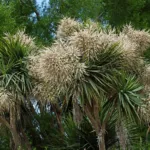 Cabbage Tree (Cordyline australis) care guideCordyline australis