
 AI-generated illustration
 Dark Star (Cordyline australis ‘Dark Star’) short overview
Cordyline australis 'Dark Star' is an evergreen, palm-like cordyline valued for its upright architectural form and narrow leaves in deep reddish-purple tones. It grows best in full sun to partial shade with fertile, well-drained soil and regular watering during establishment. In the United States, it is most reliable outdoors in mild USDA Zones 9–11; colder regions can grow it in containers or provide substantial winter protection.
Taxonomic classification
Dark Star (Cordyline australis ‘Dark Star’) care guide
Light and placement
Give 'Dark Star' full sun for the deepest foliage color and strongest, most compact growth; partial shade is acceptable in hot climates, especially with afternoon protection. A south- or west-facing site is useful in the United States. Too little light can produce greener, looser growth, while intense reflected heat or sudden exposure may scorch leaves. Acclimate container plants gradually when moving outdoors.
Watering and humidity
Water deeply when the upper few inches of soil begin to dry, then allow excess water to drain fully. Keep newly planted specimens more evenly moist during their first growing season; established plants tolerate brief dry spells but perform poorly through prolonged drought. Reduce watering in cool winter weather, especially in containers, and never leave pots standing in water. Humidity is not normally a limiting factor outdoors.
Soil and growing medium
Use fertile soil that drains freely yet retains some moisture. Loam, sandy loam, clay improved with organic matter, and rocky soils can work if excess water is not trapped around the roots. The species tolerates a broad pH range from acidic to alkaline, but avoid chronically waterlogged ground and highly compacted beds.
Feeding
Feed in spring with a balanced slow-release fertilizer at the label rate, or apply a modest layer of finished compost around established plants without touching the trunk. Container specimens may receive a half-strength balanced liquid feed during active growth. Do not fertilize dry, freshly transplanted, dormant, or frost-stressed plants.
Growth and habit
This is an upright, trunk-forming evergreen that develops a terminal crown of leaves and may branch after flowering or damage to the growing point. Growth is generally moderate in warm conditions and slower in containers or cool climates. Maintain a stable root zone, avoid excessive winter wetness, and protect the crown from severe cold.
Planting and repotting
Plant in spring after severe freezes have passed, allowing the root system a full growing season to establish. Set the root ball level with the surrounding soil and do not bury the trunk. Space about 3–5 feet from structures or neighboring plants, allowing additional room where a mature trunk and crown are desired. Water deeply during the first growing season.
Repot container plants in spring when roots fill the pot or drainage slows. Move up only one container size, use a sturdy pot with drainage holes, and plant at the same depth. Large specimens become top-heavy, so choose a heavy container and refresh the upper layer of mix when full repotting is impractical.
Propagation and pruning
Propagation
Propagate in spring from stem or trunk cuttings, or by separating well-rooted offsets. Seed is also viable for the species but will not reliably reproduce the named cultivar’s dark foliage. Keep cuttings warm, bright, and only lightly moist until roots develop.
Pruning
Usually requires little pruning. Remove dead, storm-damaged, or badly frosted leaves at their base once damage is clear. If the growing point is killed, cut back to sound tissue in late spring; dormant buds may produce new shoots. Sterilize tools between cuts and avoid topping healthy trunks merely to control height.
Overwintering
In USDA Zones 9–11, protect young plants from unusually hard freezes with frost cloth and a dry mulch over the root zone. In colder areas, grow in a container and move it before freezing weather to a bright, cool, frost-free space. Water sparingly indoors, provide strong light, and return outdoors gradually in spring. Severe cold can damage the crown and leaves.
Uses
A strong architectural accent for warm-climate beds, courtyards, entries, patios, and large containers. Its dark foliage contrasts well with silver, lime, or gold plants. Use it as a seasonal outdoor accent in colder regions. It is not recommended as an edible household plant, and pet access should be restricted because the species is toxic if ingested.
Appearance
The cultivar forms a palm-like silhouette with a woody trunk and a dense crown of narrow, stiff to arching, sword-shaped leaves. Foliage is distinctly dark reddish-purple to bronze-purple, giving the plant more visual depth than green-leaved forms. Older plants may branch, especially after flowering or damage to the central growing point.
Flowering
Mature plants can produce large terminal panicles composed of many tiny creamy-white to white, fragrant flowers. Flowering is most typical in late spring and summer in temperate cultivation, although young or stressed plants may not bloom regularly. Flowers are followed by small pale berries when pollination occurs.
Pollination and visitors
The fragrant flowers of Cordyline australis are insect-pollinated and can attract bees, moths, and other flower-visiting insects. The exact visitor community varies with region and flowering time; no single pollinator species is sufficiently documented here for the named cultivar.
Diseases and pests
Diseases
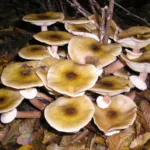
Avoid chronic wetness and trunk damage, which can encourage rot and slime flux. Improve drainage, remove badly damaged tissue with sterile tools, and avoid overhead irrigation where foliage remains wet for long periods. Honey fungus has been reported occasionally. Seek local diagnostic advice before treating for an unidentified disorder.
Pests
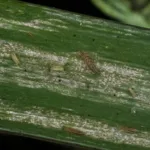
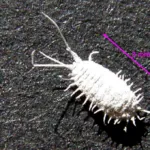
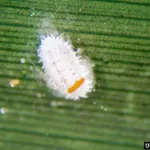
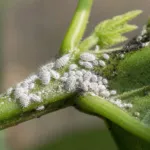
Under glass or in containers, watch for scale, mealybugs, and spider mites. Inspect leaf axils and undersides regularly, isolate affected plants, and begin with water washing or horticultural oil when appropriate for the crop and label. Avoid drought stress and excessive nitrogen, which can worsen pest problems.
Related diseases and pests
Only Plant Doctor profiles whose host data indicate this plant may be affected are shown here.
Toxicity and pollen
Cordyline australis contains saponins and is listed as toxic to dogs and cats by the ASPCA. Ingestion may cause gastrointestinal upset, depression, drooling, appetite loss, and in cats, dilated pupils; severe signs can occur. Keep leaves and fallen plant material away from pets and seek veterinary advice after ingestion. Human exposure evidence is less clearly documented, so avoid chewing the plant and contact poison-control services if eaten.
- Typical season
- Typically late spring through summer during flowering
- Pollination / pollen
- Insect-carried pollen with limited airborne dispersal
The plant produces pollen only when it flowers. Because the flowers are fragrant and insect-pollinated, airborne exposure is expected to be lower than for strongly wind-pollinated plants, but a zero-allergy claim is not justified. People with known pollen sensitivity should avoid handling flowering panicles closely and monitor personal reactions.
Native habitat
Cordyline australis comes from New Zealand, where it occurs across varied habitats including forest margins, open grassland, scrub, and moist or seasonally dry sites. It tolerates a broad range of soils but performs best where roots have oxygen and water is not stagnant. Its natural climate includes cool winters and relatively warm growing seasons.
Interesting fact
The cultivar is noted for dark purple rather than green foliage while retaining the upright, trunk-forming habit associated with Cordyline australis. The species is native to New Zealand and has been used traditionally for fiber and food. Mature plants can produce fragrant flower panicles followed by pale berries eaten by birds.
Frequently asked questions (FAQ)
The most relevant questions about this plant, with short and direct answers.
🌱Quick care
What is Cordyline australis 'Dark Star'?⌄
Cordyline australis 'Dark Star' is an evergreen, palm-like shrub or small tree grown for its upright, dark reddish-purple, sword-shaped leaves. In favorable conditions, it can eventually form a trunk and reach roughly 8–12 feet tall.
How much sunlight does Cordyline australis 'Dark Star' need?⌄
Give Cordyline australis 'Dark Star' full sun to partial shade. Strong light helps maintain its dark foliage, while indoor plants need a bright location close to a sunny window.
How often should I water Cordyline australis 'Dark Star'?⌄
Water Cordyline australis 'Dark Star' moderately, allowing the soil to partially dry before watering again. Reduce watering during cool or low-light periods, and never leave the roots in standing water.
Is Cordyline australis 'Dark Star' evergreen?⌄
Yes, Cordyline australis 'Dark Star' is evergreen in climates where it is not severely damaged by cold. Frost, freezes, or harsh winter exposure can cause leaf injury or dieback.
How big does Cordyline australis 'Dark Star' get?⌄
Cordyline australis 'Dark Star' commonly grows about 8–12 feet tall and 3–5 feet wide in landscape conditions, although size varies with climate and culture. Container plants generally remain smaller.
🌤️Environment and placement
Can Cordyline australis 'Dark Star' grow outdoors in the United States?⌄
Yes, it can grow outdoors year-round in mild parts of the United States, especially protected locations in warmer USDA zones. In colder areas, grow it in a container or provide reliable winter protection.
What USDA hardiness zone is Cordyline australis 'Dark Star' suitable for?⌄
Cordyline australis 'Dark Star' is generally best treated as an outdoor plant for USDA Zones 9–10, with some reports of survival in sheltered Zone 8 locations. Hardiness depends on winter moisture, wind, plant maturity, and the duration of freezing temperatures.
Can Cordyline australis 'Dark Star' tolerate frost?⌄
Cordyline australis 'Dark Star' may tolerate brief, light frost when established and sheltered, but it is not reliably frost-proof. Protect it from freezing temperatures, especially when grown in containers.
Where should I plant Cordyline australis 'Dark Star' outdoors?⌄
Plant it in a sunny to partly shaded, sheltered spot with fertile, well-drained soil. Protection from strong winds helps prevent leaf tearing and reduces winter damage.
Can Cordyline australis 'Dark Star' grow in a container?⌄
Yes, Cordyline australis 'Dark Star' grows well in large containers and makes a strong patio or entryway accent. Use a pot with drainage holes and move it to a protected location before freezing weather.
Can Cordyline australis 'Dark Star' grow indoors?⌄
Yes, it can be grown indoors as a bright-light foliage plant. Place it near a sunny window, provide good drainage, and avoid consistently wet soil or very dim rooms.
💧Care and problems
What type of soil does Cordyline australis 'Dark Star' need?⌄
Use fertile, well-drained soil for Cordyline australis 'Dark Star'. Loam, sandy soil, or a high-quality container mix amended for drainage can work, provided excess water can escape quickly.
Why are the leaves of my Cordyline australis 'Dark Star' turning brown?⌄
Brown leaves can result from drought, cold injury, low humidity indoors, salt buildup, or excessive sun after a sudden change in exposure. Check soil moisture and roots first, then protect the plant from freezing temperatures and harsh wind.
How do I prevent root rot in Cordyline australis 'Dark Star'?⌄
Prevent root rot by using well-drained soil, a container with drainage holes, and moderate watering. Do not allow the pot to sit in water, and wait until the soil has partially dried before watering again.
Does Cordyline australis 'Dark Star' need fertilizer?⌄
Cordyline australis 'Dark Star' benefits from light feeding during active growth if it is planted in poor soil or kept in a container. Use a balanced, diluted fertilizer according to the label and avoid heavy feeding during winter.
What pests affect Cordyline australis 'Dark Star'?⌄
Cordyline australis 'Dark Star' can be affected by scale insects, mealybugs, and spider mites, particularly indoors or under glass. Inspect leaf bases and undersides regularly and treat infestations promptly with an appropriate horticultural product.
🪴Planting and repotting
When is the best time to plant Cordyline australis 'Dark Star'?⌄
Plant Cordyline australis 'Dark Star' in spring after the threat of hard freezes has passed. Spring planting gives the roots a full growing season to establish before cold weather returns.
How far apart should I plant Cordyline australis 'Dark Star'?⌄
Space Cordyline australis 'Dark Star' about 3–5 feet apart for individual plants, adjusting for the intended mature width and visual effect. Allow extra clearance from buildings, paths, and overhead structures as the trunk develops.
How do I repot Cordyline australis 'Dark Star'?⌄
Repot Cordyline australis 'Dark Star' when roots fill the container or growth becomes crowded, moving it into a pot only one size larger. Use fresh, well-drained mix, keep the plant at the same depth, and water thoroughly once after repotting.
✂️Propagation and pruning
How can I propagate Cordyline australis 'Dark Star'?⌄
Cordyline australis 'Dark Star' can be propagated from stem cuttings, although success may vary and cultivar identity is best preserved from reputable plant material. Take cuttings during active growth and root them in a clean, well-drained medium.
Can I grow Cordyline australis 'Dark Star' from seed?⌄
Seed propagation is possible for Cordyline australis, but seedlings may not reproduce the exact characteristics of 'Dark Star'. Stem cuttings or nursery-propagated plants are preferable when maintaining the cultivar is important.
Should I prune Cordyline australis 'Dark Star'?⌄
Routine pruning is usually unnecessary for Cordyline australis 'Dark Star'. Remove dead or badly damaged leaves, and cut back a damaged trunk in spring if necessary to encourage new shoots from below the cut.
Can I cut back a tall Cordyline australis 'Dark Star'?⌄
Yes, a tall Cordyline australis 'Dark Star' can be cut back to reshape it or recover from damage. Make a clean cut on the trunk during active growth, then allow new shoots to develop while keeping the plant protected and moderately watered.
⚠️Toxicity and safety
Is Cordyline australis 'Dark Star' toxic to dogs and cats?⌄
Yes, Cordyline australis 'Dark Star' is toxic if ingested by dogs and cats. Keep the plant and fallen leaves away from pets, and contact a veterinarian promptly if ingestion is suspected.
Is Cordyline australis 'Dark Star' poisonous to people?⌄
Cordyline australis 'Dark Star' should not be eaten, and plant material may cause illness if ingested. Keep it away from young children and seek medical or poison-control advice if someone consumes part of the plant.
🌸Flowering and special interest
Does Cordyline australis 'Dark Star' flower?⌄
Yes, mature Cordyline australis 'Dark Star' can produce tall clusters of tiny, fragrant, creamy-white flowers. Flowering is most likely on established plants growing outdoors in favorable conditions.
When does Cordyline australis 'Dark Star' bloom?⌄
Cordyline australis 'Dark Star' generally blooms in late spring or early summer when mature. Young, recently transplanted, container-grown, or cold-stressed plants may not flower.
Why is my Cordyline australis 'Dark Star' not flowering?⌄
A Cordyline australis 'Dark Star' may not flower because it is too young, kept indoors, recently disturbed, insufficiently established, or exposed to cold stress. Provide strong light, good nutrition, and patience, since flowering is not guaranteed every year.
Similar plants
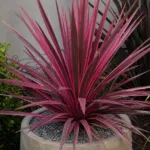 Electric Pink (Cordyline australis ‘Electric Pink’)Cordyline australis 'Electric Pink'
 Pink Stripe (Cordyline australis ‘Pink Stripe’)Cordyline australis 'Pink Stripe'
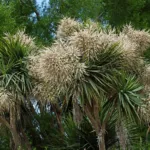 Cabbage Tree (Cordyline australis) care guideCordyline australis
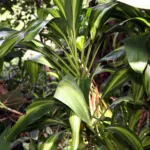 Ti Tree (Cordyline fruticosa) care guideCordyline fruticosa
 Purpurea (Cordyline australis ‘Purpurea’)Cordyline australis 'Purpurea'
 Pocahontas (Cordyline australis ‘Pocahontas’)Cordyline australis 'Pocahontas'