
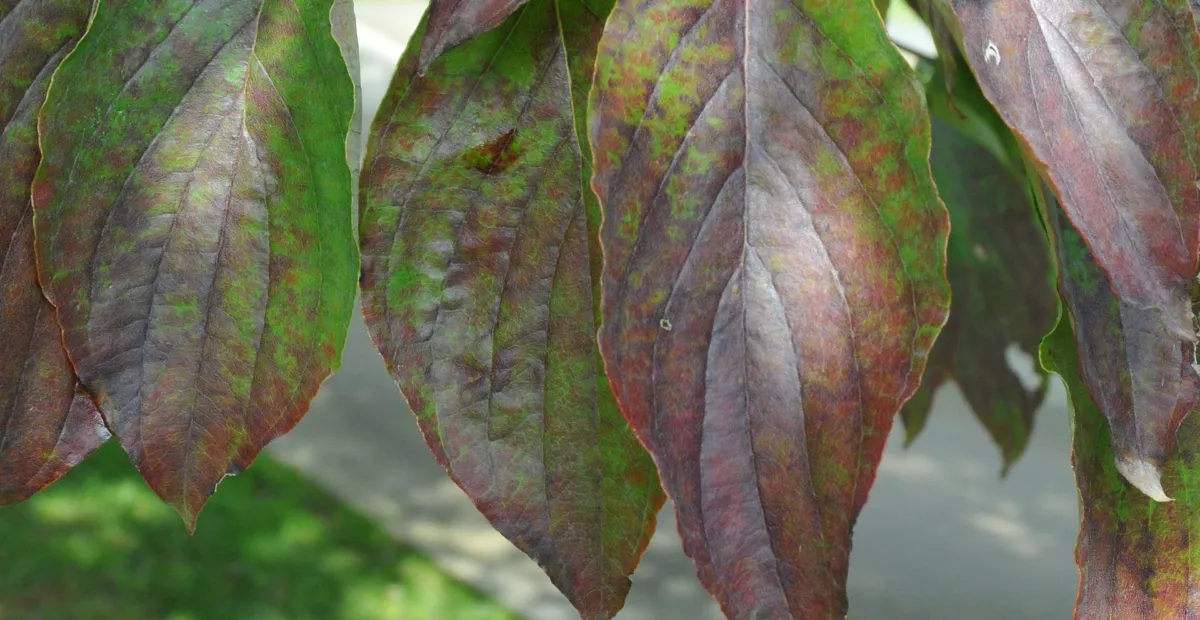
 Source:
 Flowering dogwood (Cornus florida) short overview
Flowering dogwood is a graceful deciduous tree native to eastern North America, where it grows naturally as an understory plant in rich woodland soils. Its spring display comes from four large white or pinkish bracts surrounding tiny true flowers, followed by bright red fruit and scarlet fall foliage. Give it organic, well-drained soil, regular moisture, and morning sun or filtered light for dependable growth.
Taxonomic classification
Flowering dogwood (Cornus florida) care guide
Light and placement
Grow in morning sun with afternoon shade, dappled woodland light, or partial shade. Full sun can work where soil moisture is reliable and summer heat is moderate. Too much intense sun may cause scorch, wilting, or drought stress; too little light produces sparse growth and reduced flowering.
Watering and humidity
Water deeply and slowly when the upper soil begins to dry, especially during the first two growing seasons. Keep moisture even through summer, reducing irrigation during cool wet periods. Do not allow standing water around the root flare, but avoid prolonged drought, which increases stress and disease susceptibility.
Soil and growing medium
Use moist, organically enriched, well-drained soil. Loam is ideal, but flowering dogwood tolerates clay or sand when drainage and organic matter are improved. A slightly acidic to neutral reaction is preferred; avoid persistently waterlogged sites and severe drought-prone exposures.
Feeding
Maintain a mulch layer and replenish organic matter rather than fertilizing routinely. If soil testing or weak growth indicates a need, apply a balanced, slow-release fertilizer in early spring according to the label. Do not feed during drought stress, immediately after planting, or late in the season when soft growth may be encouraged.
Growth and habit
This species develops a broad, rounded crown and may remain multi-trunked, especially in woodland-like conditions. Growth is generally slow to moderate. Shallow roots and thin bark make steady moisture, careful mulching, and protection from mower or string-trimmer injury important.
Planting and repotting
Plant in fall or early spring, setting the root flare level with or slightly above the surrounding soil. Water deeply during establishment and apply a broad mulch ring without touching the trunk. Allow enough room for the mature crown and avoid compacted planting pits.
Container culture is possible only for young plants and requires a large, sturdy container with excellent drainage. Transplant or shift plants while dormant, preserve the root ball, and avoid keeping the tree root-bound for long periods.
Propagation and pruning
Propagation
Freshly cleaned seed can be sown about 1/2 inch deep after appropriate cold-moist stratification; germination may be slow. Selected cultivars are commonly propagated by budding or grafting, while semi-hardwood cuttings may be used under controlled conditions.
Pruning
Prune sparingly during dormancy or shortly after flowering. Remove dead, diseased, crossing, or rubbing branches and improve structure while young. Avoid unnecessary canopy reduction and prevent pruning wounds that can increase disease or borer problems.
Overwintering
Established trees are generally hardy outdoors in their range. In colder areas, protect young trunks from winter injury and rodents, maintain mulch over the root zone without touching the bark, and avoid late-season nitrogen. Flower buds may be damaged by severe freezes even when the tree survives.
Uses
Used as a specimen or understory tree in residential landscapes, native plantings, woodland gardens, and wildlife habitat. Its spring bracts, red fall foliage, and scarlet fruit provide multi-season interest. The fruit supports wildlife but is not recommended as a casual human food.
Appearance
Leaves are opposite, simple, oval to ovate, and strongly veined. Young twigs are green to reddish, while older bark becomes gray, blocky, and deeply fissured. The branching is often layered or slightly drooping, and the red fruit clusters remain conspicuous after leaf color develops.
Flowering
The showy structures are four petal-like bracts surrounding a compact cluster of small, four-petaled greenish-yellow true flowers. Bloom is typically in mid-spring, before or during leaf expansion. Bracts may be white, pink, or red depending on the cultivar or form.
Pollination and visitors
The compact true-flower clusters provide nectar and pollen for small bees, including specialist and sweat-bee groups, as well as syrphid and other small flies. These insect visitors also support pollination and seed production.
Cornus florida photos
Click any photo for a larger view. Source, author and license are shown separately.
Diseases and pests
Diseases
Watch for dogwood anthracnose, powdery mildew, leaf spot, cankers, root rot, and twig or crown blights. Improve air circulation, avoid overhead irrigation, mulch correctly, and remove infected wood with clean tools. Select resistant cultivars where disease pressure is high.
Pests
Borers, scale insects, aphids, dogwood sawfly, and especially dogwood borer may occur. Maintain tree vigor, avoid trunk wounds and drought stress, inspect bark and branch unions, and prune affected material when practical. Use pesticides only when identification and local guidance support treatment.
Related diseases and pests
Only Plant Doctor profiles whose host data indicate this plant may be affected are shown here.
 DiseaseCoral Spot CankerNectria cinnabarina
 DiseasePhytophthora plurivora Root and Collar RotPhytophthora plurivora
 PestEuropean Fruit Lecanium ScaleParthenolecanium corni
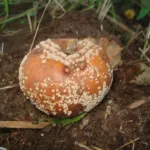 DiseaseEuropean brown rotMonilinia fructigena
 DiseasePhytophthora cactorum crown, collar, root and fruit rotPhytophthora cactorum
 DiseaseAnthracnoseColletotrichum gloeosporioides
 DiseaseMaple powdery mildewSawadaea bicornis
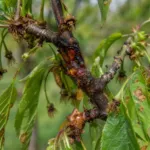 DiseaseBacterial blight and cankerPseudomonas syringae pv. syringae
Toxicity and pollen
Reliable sources do not identify Cornus florida as a major systemic poison for people or pets. Plant material can still cause stomach upset if eaten, and berries should not be treated as a human food without authoritative identification and preparation guidance. Seek medical or veterinary advice after substantial ingestion or concerning symptoms.
- Typical season
- Spring, chiefly during flowering in April and May
- Pollination / pollen
- Heavy, insect-carried pollen with limited wind dispersal
Flowering dogwood is insect-pollinated and generally releases less airborne pollen than wind-pollinated trees. UF/IFAS allergy listings place it in a low-to-moderate concern range rather than treating it as allergy-free; sensitive people may still react during spring bloom.
Native habitat
Native from southeastern Canada through the eastern United States and into northern Mexico. It is characteristic of mesic deciduous woods, ravines, slopes, floodplains, woodland margins, and other sites with organic, well-drained soils and partial canopy cover.
Interesting fact
The large white structures commonly called flowers are actually bracts. The true flowers form a button-like central cluster. Scarlet drupes mature in fall and are important food for many birds and mammals. Seed-grown trees may take several years to begin flowering.
Frequently asked questions (FAQ)
The most relevant questions about this plant, with short and direct answers.
🌱Quick care
What is flowering dogwood?⌄
Flowering dogwood is a small deciduous native tree, Cornus florida, grown for its spring bracts, red fall foliage, and bright red fruit. It typically reaches about 15–30 feet tall and wide.
How much sun does flowering dogwood need?⌄
Flowering dogwood grows best in morning sun or filtered light, especially where afternoons are hot. It can tolerate more sun if the soil stays consistently moist, but intense, dry exposure increases stress.
How often should I water a flowering dogwood?⌄
Water flowering dogwood deeply whenever the soil begins to dry, keeping moisture consistent rather than alternating between drought and saturation. Newly planted trees need the most regular watering during their first growing seasons and summer dry spells.
What kind of soil does flowering dogwood prefer?⌄
Flowering dogwood prefers moist, organic, well-drained loam that is usually slightly acidic to neutral. It can tolerate improved clay or sandy soil, but poorly drained or chronically dry ground is unsuitable.
Is flowering dogwood cold hardy?⌄
Flowering dogwood is cold hardy across much of its natural United States range, but local performance depends on cultivar, exposure, and winter conditions. Protect young trees from drying winter winds and severe site stress.
🌤️Environment and placement
Can flowering dogwood grow in full shade?⌄
Flowering dogwood can survive considerable shade, but dense shade often reduces flowering and produces a thinner canopy. Filtered light or morning sun with afternoon protection is usually a better balance.
Can flowering dogwood grow in full sun?⌄
Flowering dogwood can grow in full sun when its roots have reliable moisture, but hot afternoon sun may cause drought stress and leaf scorch. A site with morning sun and afternoon shade is generally safer in warm climates.
Where should I plant a flowering dogwood in my yard?⌄
Plant flowering dogwood in a protected spot with morning sun or filtered light, moist well-drained soil, and room for a mature canopy about 15–30 feet wide. Avoid low areas that stay wet and locations beside downspouts.
Will flowering dogwood grow in clay soil?⌄
Flowering dogwood can grow in improved clay soil if drainage and organic matter are adequate. Amend the planting area broadly, avoid compacted locations, and do not plant where water remains around the roots.
How much space does a flowering dogwood need?⌄
Allow roughly 15–30 feet of horizontal space for a mature flowering dogwood, depending on the cultivar and growing conditions. Keep it away from buildings, utility lines, and other trees that would crowd its low branches.
💧Care and problems
Why are the leaves on my flowering dogwood turning brown?⌄
Brown leaves commonly result from drought, heat, root stress, leaf disease, or excessive exposure to sun and wind. Check soil moisture and drainage first, then inspect leaves and twigs for spots, lesions, or dieback.
What is flowering dogwood anthracnose?⌄
Dogwood anthracnose is a serious fungal disease that can cause leaf spots, stem lesions, dieback, and eventual decline. Reduce stress with appropriate moisture and airflow, remove infected debris, and consider disease-resistant cultivars where the disease is prevalent.
How do I prevent disease on a flowering dogwood?⌄
Keep flowering dogwood vigorous with consistent moisture, well-drained soil, mulch, and suitable light, while avoiding trunk wounds and overhead watering late in the day. Remove fallen diseased leaves and choose resistant cultivars when available.
Should I fertilize flowering dogwood?⌄
Fertilize flowering dogwood only when a soil test or clear nutrient deficiency indicates a need. Excess nitrogen can promote leafy growth while reducing flowering and may increase susceptibility to stress and disease.
Why is my flowering dogwood losing branches?⌄
Branch dieback may be caused by drought stress, anthracnose, cankers, borers, root problems, or physical damage. Prune back to healthy wood and have a serious or spreading decline evaluated by a certified arborist.
Should I mulch around a flowering dogwood?⌄
Yes, apply about 2–4 inches of organic mulch over the root zone to conserve moisture and moderate soil temperature. Keep mulch several inches away from the trunk and do not create a deep mulch mound.
🪴Planting and repotting
When is the best time to plant flowering dogwood?⌄
Plant flowering dogwood in early spring or fall when temperatures are moderate and soil moisture is dependable. Water thoroughly after planting and continue regular irrigation while the root system establishes.
How do I plant a flowering dogwood tree?⌄
Dig a broad hole no deeper than the root ball, set the tree with its root flare visible, backfill with the native soil, and water deeply. Mulch the root zone without covering the trunk, and avoid planting too deeply.
Can flowering dogwood be transplanted?⌄
Flowering dogwood can be transplanted, but established or wild-dug trees are difficult to move successfully. Choose a container-grown or properly balled-and-burlapped tree and transplant it during cool, moist conditions.
How long does a newly planted flowering dogwood need regular watering?⌄
A newly planted flowering dogwood usually needs regular deep watering through its first growing season and during drought afterward. Adjust frequency for rainfall, soil drainage, temperature, and tree size rather than following a fixed schedule.
✂️Propagation and pruning
How do you grow flowering dogwood from seed?⌄
Collect ripe fruit, clean the seeds, and provide a cool, moist stratification period before spring sowing. Germination can be slow and uneven, and seedlings may not reproduce the exact traits of a named cultivar.
Can flowering dogwood be grown from cuttings?⌄
Flowering dogwood can be propagated from softwood or hardwood cuttings, but rooting is often less reliable than other methods. Commercial cultivars are commonly propagated by grafting or budding to preserve their characteristics.
Can I propagate a flowering dogwood from a branch?⌄
A branch cutting may root if taken at the appropriate stage and handled under controlled moisture, but success is variable. Use healthy, current-season wood for softwood propagation or a suitable dormant cutting method.
When should I prune flowering dogwood?⌄
Prune flowering dogwood just after flowering, once the spring display has faded, to avoid removing next year’s flower buds. Remove dead, damaged, crossing, or weak branches with clean cuts.
How do I prune a flowering dogwood tree?⌄
Prune lightly to preserve the tree’s naturally layered form, removing only dead, damaged, diseased, or poorly placed branches. Avoid topping, severe thinning, and large unnecessary cuts because they can increase stress and decay.
⚠️Toxicity and safety
Are flowering dogwood berries poisonous?⌄
Flowering dogwood berries should not be eaten by people because they can cause gastrointestinal upset and are described by authoritative references as poisonous. The fruit is an important food source for birds and other wildlife.
Is flowering dogwood toxic to dogs and cats?⌄
Flowering dogwood is not generally considered a major systemic toxin, but eating plant material or fruit may cause stomach upset. Prevent pets from consuming berries in quantity and contact a veterinarian if symptoms develop.
Are flowering dogwood flowers poisonous?⌄
The showy white or pink parts are bracts surrounding the small true flowers, and flowering dogwood is considered a low-concern ornamental plant overall. Do not intentionally consume any part, especially the red fruit, because ingestion may cause stomach upset.
🌸Flowering and special interest
When does flowering dogwood bloom?⌄
Flowering dogwood usually blooms in early to mid-spring, often around April to May in much of the United States. Exact timing varies with latitude, weather, cultivar, and winter temperatures.
Are the petals on flowering dogwood actually flowers?⌄
No, the large white or pink structures are modified leaves called bracts. The true flowers are the small yellow-green clusters at the center of each bract display.
Why is my flowering dogwood not blooming?⌄
Common causes include insufficient light, drought stress, excessive nitrogen, late freezes, young age, or pruning at the wrong time. Prune after flowering and provide consistent moisture with adequate morning sun or filtered light.
How old does flowering dogwood have to be before it flowers?⌄
Flowering dogwood may need several years to reach dependable flowering after planting, especially when young or stressed. Nursery size, cultivar, light, moisture, and transplant shock all affect when blooming begins.
Does flowering dogwood have red berries?⌄
Yes, flowering dogwood produces bright red fruit in late summer or fall after flowering. The fruit is inedible to people but provides valuable food for many birds and mammals.
How can I encourage more flowers on my flowering dogwood?⌄
Provide adequate morning sun or filtered light, consistent soil moisture, good drainage, and avoid excess nitrogen. Protect the tree from drought and prune only after flowering so developing flower buds are not removed.
Similar plants
 Azure Monkshood (Aconitum carmichaelii) care guideAconitum carmichaelii
 Monkshood (Aconitum ‘Stainless Steel’)Aconitum 'Stainless Steel'
 Monkshood (Aconitum ‘Bressingham Spire’)Aconitum 'Bressingham Spire'
 Golden full moon maple (Acer shirasawanum ‘Aureum’)Acer shirasawanum 'Aureum'
 Globosum (Acer platanoides ‘Globosum’)Acer platanoides 'Globosum'
 Striped maple (Acer pensylvanicum) care guideAcer pensylvanicum