
 Source:
 Chinensis (Cornus kousa ‘Chinensis’) short overview
Cornus kousa 'Chinensis' is a vigorous Chinese form of kousa dogwood, valued for its unusually large white floral bracts, broad foliage, bright red raspberry-like fruit and orange-red fall color. It develops into a small deciduous tree or large, multi-stemmed shrub with attractive horizontal branching and mottled exfoliating bark. In U.S. gardens, it performs best in rich, well-drained, evenly moist soil with full sun or light afternoon shade.
Taxonomic classification
Chinensis (Cornus kousa ‘Chinensis’) care guide
Light and placement
Grow in full sun to partial shade. In cooler or moister regions, an east- or south-facing site with several hours of direct sun supports flowering and fall color. In hot, windy areas, provide light afternoon shade. Scorched margins, drooping leaves and premature color suggest excessive heat, drought or exposure; weak flowering and elongated growth suggest insufficient light.
Watering and humidity
Water deeply when the upper few inches of soil begin to dry, directing water to the root zone rather than the foliage. Keep newly planted trees evenly moist through their first two growing seasons, then adjust to rainfall while maintaining moisture during summer drought. Avoid shallow daily watering and standing water, both of which encourage stress or root problems.
Soil and growing medium
Use a deep, humus-rich, well-drained soil that remains evenly moist but never waterlogged. Sandy loam is suitable when amended with organic matter. Slightly acidic to neutral conditions are preferred; avoid compacted sites and prolonged drought. A broad mulch ring helps conserve moisture, but keep mulch away from the trunk.
Feeding
Apply compost or a balanced, slow-release fertilizer in early spring if growth or soil fertility is poor. Follow the product label and avoid heavy nitrogen feeding, which can produce soft growth and increase stress. Do not fertilize drought-stressed, newly transplanted or late-season plants until they are actively recovering and adequately watered.
Growth and habit
It begins with an upright or vase-shaped structure and commonly broadens with age, developing layered horizontal branches. Growth is best where roots remain cool and evenly moist. Mulching, formative pruning when young and protection from mechanical injury help maintain a strong, well-spaced framework.
Planting and repotting
Plant in spring or early fall while temperatures are moderate. Set the root flare level with, or slightly above, the surrounding soil and water deeply to settle the root zone. Allow generous room for mature branching; a specimen should not be crowded against buildings, walks or utility lines. Maintain a mulch ring and consistent moisture during the first two growing seasons.
Container-grown plants can be moved into a larger container in early spring, before active growth. Use a sturdy, free-draining mix with substantial organic matter and avoid burying the root flare. Because this is a tree-form plant, long-term container culture requires periodic root inspection and eventual planting out.
Propagation and pruning
Propagation
Seed propagation is possible but does not reliably reproduce a selected clone or uniform trait set. Softwood cuttings taken in early summer can be rooted under mist with appropriate hormone treatment, but success is not especially easy. Layering is another practical vegetative method. Commercially uniform plants should come from documented clonal propagation.
Pruning
Prune sparingly in late winter or immediately after flowering. Remove dead, damaged or crossing branches and selectively thin crowded stems to preserve the layered framework. Avoid topping and severe heading cuts, which spoil the natural habit. Young trees may need structural pruning; established specimens generally require only corrective maintenance.
Overwintering
Outdoor trees in zones 5–8 generally need no special winter protection once established. Water thoroughly before the ground freezes, maintain a loose mulch layer over the root zone and protect young trunks from rodent damage where needed. Avoid late-summer nitrogen that can encourage tender growth before winter.
Uses
A specimen tree for residential landscapes, patios, lawns, woodland edges and shrub borders. It provides late-spring floral display, summer fruit, fall color and winter bark interest. Fruits are technically edible according to horticultural references, but they are generally left for birds; no medicinal use is asserted.
Appearance
Leaves are broad, pointed and generally larger than those of typical Cornus kousa. The tree has layered horizontal branches, pale green bracts that mature white, berry-like red fruit and attractive tan-and-gray exfoliating bark on older wood. The combination of large bracts, heavy fruiting and strong fall color is characteristic of the chinensis form.
Flowering
The showy display consists of four petal-like bracts surrounding a rounded cluster of numerous small, inconspicuous true flowers. Bracts emerge pale green and become white as they mature. Bloom is typically abundant in late spring to early summer, generally May through June in much of the United States, and is followed by berry-like red fruits.
Pollination and visitors
The small true flowers are visited by bees and other insects, and Cornus species support specialized Andrena bees. Birds are important consumers of the later red fruits, but they are fruit visitors rather than flower pollinators.
Cornus kousa 'Chinensis' photos
Click any photo for a larger view. Source, author and license are shown separately.
Diseases and pests
Diseases
Generally resistant to anthracnose and many blights that affect flowering dogwood. Improve airflow, avoid trunk and leaf wetness when irrigating, and prevent drought stress. Watch for leaf spot or root problems in poorly drained sites. Remove severely affected debris and use diagnosis-based treatment rather than routine fungicide applications.
Pests
Inspect stressed trees for dogwood borer activity, including holes, frass and localized dieback. Reduce risk by avoiding trunk injury, maintaining even moisture and keeping trees vigorous. Scale insects, aphids and mites may occur but are usually managed with monitoring, water sprays or targeted horticultural products when necessary.
Related diseases and pests
Only Plant Doctor profiles whose host data indicate this plant may be affected are shown here.
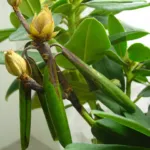 DiseasePhytophthora plurivora Root and Collar RotPhytophthora plurivora
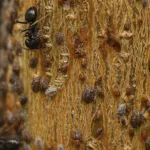 PestEuropean Fruit Lecanium ScaleParthenolecanium corni
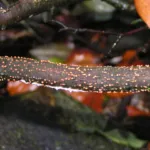 DiseaseCoral Spot CankerNectria cinnabarina
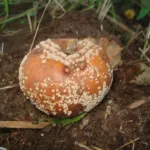 DiseaseEuropean brown rotMonilinia fructigena
 DiseasePhytophthora cactorum crown, collar, root and fruit rotPhytophthora cactorum
 Environmental stressDrought stress
 Environmental stressSalt stress
 Environmental stressHeat stress
Toxicity and pollen
No strong evidence indicates systemic toxicity for this taxon. The mature fruit of Cornus kousa is widely described as technically edible, although it is usually left for wildlife. Do not encourage large quantities of any plant material to be eaten, and avoid fruit exposed to pesticides or other garden chemicals.
- Typical season
- May–June
- Pollination / pollen
- Insect-carried pollen
This is an insect-pollinated flowering tree whose pollen is not typically described as a major airborne allergen. Flowering can still expose highly sensitive people to local pollen, especially when handling flowers or working beneath a blooming tree; individual responses vary.
Native habitat
The chinensis form is associated with temperate East Asian forests and woodland margins, especially in China, with the broader Cornus kousa complex extending through China, Korea and Japan. It favors fertile, moisture-retentive but drained soils and climates with a distinct winter dormancy and warm growing season.
Interesting fact
The conspicuous white structures are bracts, not petals. This form is noted for larger bracts, leaves and fruit than typical Cornus kousa. Mature bark develops an attractive mottled, exfoliating pattern. The red fruits can reach about 1.25 inches across and are often more valuable to birds than to people.
Frequently asked questions (FAQ)
The most relevant questions about this plant, with short and direct answers.
🌱Quick care
What is Cornus kousa 'Chinensis' commonly called in the United States?⌄
Cornus kousa 'Chinensis' is commonly sold as Chinese kousa dogwood or Chinese dogwood. Because naming varies among references, some sources list it as Cornus kousa var. chinensis or Cornus kousa subsp. chinensis.
How large does Cornus kousa 'Chinensis' get?⌄
Cornus kousa 'Chinensis' typically reaches about 15–30 feet tall and wide. Its habit is often vase-shaped when young and more rounded at maturity.
What USDA hardiness zones suit Cornus kousa 'Chinensis'?⌄
Cornus kousa 'Chinensis' is generally suitable for USDA Zones 5–8. Flowering may be reduced after unusually severe winters or in stressful hot, dry conditions.
Is Cornus kousa 'Chinensis' a tree or a shrub?⌄
It is usually grown as a small deciduous tree, but it can also develop as a large, multistemmed shrub. Training a central leader early can produce a more tree-like form.
🌤️Environment and placement
How much sunlight does Cornus kousa 'Chinensis' need?⌄
Plant Cornus kousa 'Chinensis' in full sun to partial shade. In hot parts of the United States, light afternoon shade can help reduce leaf scorch and drought stress.
What soil is best for Cornus kousa 'Chinensis'?⌄
Use humus-rich, well-drained soil that stays evenly moist, preferably slightly acidic to neutral. It can tolerate some alkaline soil, but compacted or poorly drained ground is unsuitable.
Can Cornus kousa 'Chinensis' grow in clay soil?⌄
It can grow in clay soil if drainage is improved and the site does not remain waterlogged. Incorporating organic matter over a broad planting area and avoiding heavy compaction are more useful than amending only the planting hole.
Is Cornus kousa 'Chinensis' drought tolerant?⌄
Cornus kousa 'Chinensis' has some drought tolerance once established but performs best with consistent moisture. Water it during prolonged summer drought, especially while young or planted in full sun.
Can Cornus kousa 'Chinensis' tolerate heat?⌄
It tolerates ordinary summer heat when its roots remain cool and evenly moist. Reflected heat, hot wind, and drought can cause leaf scorch, so partial shade is preferable in the warmest regions.
Where should I plant Cornus kousa 'Chinensis' in a yard?⌄
Use it as a specimen tree, near a patio, in a lawn, or at the edge of a woodland or shrub border. Leave enough room for a mature spread of roughly 15–30 feet and avoid cramped, heat-reflective sites.
💧Care and problems
How often should I water Cornus kousa 'Chinensis'?⌄
Water deeply whenever the upper few inches of soil begin to dry, aiming for moderate, even moisture rather than constant saturation. Newly planted trees usually need supplemental irrigation through their first growing seasons and during drought.
Should I mulch Cornus kousa 'Chinensis'?⌄
Yes, apply a 2–3 inch layer of organic mulch over the root zone while keeping it several inches away from the trunk. Mulch helps conserve moisture and moderate soil temperature.
Does Cornus kousa 'Chinensis' need fertilizer?⌄
It usually needs little fertilizer when planted in fertile soil. If growth is weak or a soil test identifies a deficiency, use a slow-release fertilizer according to the product label rather than routine heavy feeding.
Why are the leaves of Cornus kousa 'Chinensis' turning brown?⌄
Brown leaf edges or patches are most often caused by drought, hot reflected light, wind, or root stress. Keep the soil evenly moist, improve the root environment, and provide afternoon shade in hot locations.
What pests affect Cornus kousa 'Chinensis'?⌄
Cornus kousa 'Chinensis' is generally pest resistant, but borers, scale insects, and dogwood club gall midge can occur. Inspect for trunk holes, dieback, scale, or distorted shoot tips and address stress promptly.
What diseases affect Cornus kousa 'Chinensis'?⌄
It generally has better resistance to dogwood anthracnose than Cornus florida, but anthracnose, honey fungus, and other stress-related problems can still occur. Good drainage, air circulation, mulch kept off the trunk, and consistent watering reduce risk.
Is Cornus kousa 'Chinensis' messy?⌄
It can drop fleshy pink-red fruits and autumn leaves, so some cleanup may be needed near walks or patios. The fruit is also attractive to birds, making the tree valuable in wildlife-oriented plantings.
🪴Planting and repotting
When is the best time to plant Cornus kousa 'Chinensis'?⌄
Plant it in fall or early spring when temperatures are moderate and soil moisture is reliable. Avoid planting during frozen ground, extreme heat, or active drought.
How should I plant Cornus kousa 'Chinensis'?⌄
Set the tree with the root flare at or slightly above finished soil level in a wide, well-drained planting area. Backfill with the native soil, water thoroughly, and add mulch without covering the trunk.
How far apart should Cornus kousa 'Chinensis' trees be planted?⌄
Space individual trees about 15–30 feet apart, depending on the desired mature canopy overlap. Give additional clearance from buildings, driveways, and overhead utilities when the site allows.
Can Cornus kousa 'Chinensis' be grown in a container?⌄
It is generally better suited to the ground because it matures into a small tree with a substantial root system. A young specimen can be container-grown temporarily in a large, well-drained pot, but it will eventually need planting out.
✂️Propagation and pruning
How is Cornus kousa 'Chinensis' propagated?⌄
It is commonly propagated by seed, semi-ripe cuttings, hardwood cuttings, or grafting. Seed-grown plants may not reproduce the exact characteristics of a selected cultivated clone.
Can I grow Cornus kousa 'Chinensis' from seed?⌄
Yes, the fleshy fruits contain viable seeds, but germination can be slow and often requires a period of warm and cold stratification. Seedlings may vary from the parent plant and should not be expected to be identical.
Can Cornus kousa 'Chinensis' be grown from cuttings?⌄
Yes, semi-ripe cuttings taken in summer or hardwood cuttings taken during dormancy can be used. Success depends on timing, moisture control, rooting conditions, and the health of the parent plant.
When should Cornus kousa 'Chinensis' be pruned?⌄
Prune it during dormancy or shortly after flowering to remove dead, damaged, crossing, or poorly placed branches. Avoid unnecessary heavy pruning because the tree naturally develops an attractive layered framework.
How do I prune Cornus kousa 'Chinensis' into a small tree?⌄
Select one strong central leader and remove competing basal stems gradually while the tree is young. Thin crossing or inward-growing branches, but preserve the characteristic horizontal branching pattern.
⚠️Toxicity and safety
Is Cornus kousa 'Chinensis' poisonous to people or pets?⌄
Cornus kousa 'Chinensis' has no known systemic toxicity, and its ripe fruit is generally regarded as edible. Eating large amounts may still cause digestive upset, and plant material should be identified correctly before consumption.
Is Cornus kousa 'Chinensis' safe to plant around children and dogs?⌄
It is generally considered a low-risk ornamental tree around children and dogs because no known systemic toxicity is associated with it. Prevent pets or children from consuming large quantities of fruit, leaves, or other plant material.
🌸Flowering and special interest
When does Cornus kousa 'Chinensis' bloom?⌄
It usually blooms in late spring to early summer, often from May into June in much of the United States. The showy white structures are bracts surrounding small greenish-yellow true flowers.
Are the flowers of Cornus kousa 'Chinensis' actually petals?⌄
No, the prominent white parts are modified bracts rather than true petals. The small true flowers form a central cluster surrounded by those four showy bracts.
Does Cornus kousa 'Chinensis' have larger flowers than regular kousa dogwood?⌄
It is noted for somewhat larger bracts, leaves, and fruit than typical Cornus kousa. Flower size and abundance can still vary with the individual plant, age, climate, and growing conditions.
Does Cornus kousa 'Chinensis' produce fruit?⌄
Yes, it produces showy pink to red, raspberry-like fruits that can reach about 1–1¼ inches across. Fruits usually develop after flowering and may persist into late summer or fall.
Can you eat the fruit of Cornus kousa 'Chinensis'?⌄
The ripe fruit is generally considered edible, although its texture and flavor are variable and the skin and seeds are usually discarded. Do not eat fruit from plants treated with pesticides unless the product label specifically permits edible use.
Does Cornus kousa 'Chinensis' attract birds?⌄
Yes, its ripe fruits can attract birds and other wildlife. The fruit display is one of the tree’s notable ornamental and wildlife features.
Similar plants
 Azure Monkshood (Aconitum carmichaelii) care guideAconitum carmichaelii
 Monkshood (Aconitum ‘Stainless Steel’)Aconitum 'Stainless Steel'
 Monkshood (Aconitum ‘Bressingham Spire’)Aconitum 'Bressingham Spire'
 Golden full moon maple (Acer shirasawanum ‘Aureum’)Acer shirasawanum 'Aureum'
 Globosum (Acer platanoides ‘Globosum’)Acer platanoides 'Globosum'
 Striped maple (Acer pensylvanicum) care guideAcer pensylvanicum