
 Source:
 Cornelian Cherry (Cornus mas) short overview
Cornelian Cherry is a durable deciduous dogwood that grows as a dense, often multi-stemmed shrub or small tree. It flowers very early, producing rounded clusters of small yellow blooms before the leaves emerge, then develops oblong red fruits in summer. The tart, edible fruit can be used in preserves and syrups. Give it sun to part shade, well-drained soil, and room for mature spread. Cornelian Cherry is a hardy deciduous Cornus that can be grown as a multi-stemmed shrub or small tree. Its earliest feature is a display of small yellow flowers before leaf emergence, followed by oblong red edible fruit.
Taxonomic classification
Cornelian Cherry (Cornus mas) care guide
Light and placement
Best in full sun, with at least 6 hours of direct light for strongest flowering and fruiting. Partial shade is tolerated, especially with afternoon protection in hot climates. Too little light can produce sparse growth and reduced bloom or fruit; excessive reflected heat combined with drought may cause leaf scorch. An east- or southeast-facing position is often a good compromise in warm regions.
Watering and humidity
Water deeply when the upper few inches of soil begin to dry, rather than giving frequent shallow sips. Keep newly planted trees evenly moist through the first two growing seasons, then reduce irrigation as roots establish except during prolonged heat or drought. Avoid standing water, especially in heavy clay. Normal outdoor humidity is sufficient.
Soil and growing medium
Plant in average, well-drained soil; loam is ideal, but the species tolerates sand, clay, shallow rocky ground, and both acidic and alkaline conditions. Improve compacted soil with organic matter, but do not create a permanently wet planting hole. Consistent drainage is more important than a narrowly controlled pH.
Feeding
Apply compost or a balanced, slow-release tree-and-shrub fertilizer in early spring only if growth or soil tests indicate a need. Avoid high-nitrogen feeding that produces weak, overly lush growth, and do not fertilize drought-stressed, newly transplanted, or late-season plants. A mulch layer can supply gradual organic matter without repeated heavy feeding.
Growth and habit
This species develops a dense, rounded to upright habit and may form several trunks or a single small tree depending on training. It is generally medium-growing and responds well to pruning, but root suckers may appear and should be removed when a neat specimen is desired. Good light improves flowering and fruit set.
Planting and repotting
Plant nursery stock in spring or fall, at the same depth as it grew in its container or field soil, with the root flare visible. Allow about 15–20 feet of eventual space where a full-sized specimen is wanted; closer spacing is suitable for a managed hedge. Mulch broadly but keep mulch away from the trunk, and water regularly during the first two growing seasons.
Container-grown plants can be moved into a larger container or planted out in early spring or fall. Choose a deep, heavy container with drainage, refresh part of the potting mix when roots become crowded, and avoid keeping the root ball chronically wet. In-ground planting is preferable for long-term growth.
Propagation and pruning
Propagation
Fresh seed can be sown after cleaning and requires patience because dormancy may delay germination. Semi-ripe or hardwood cuttings and layering are practical vegetative options, while named fruiting cultivars are often propagated clonally. Propagation is slower and less predictable than planting nursery-grown stock.
Pruning
Prune after flowering or during dormancy to remove dead, crossing, weak, or poorly placed branches. For a tree form, select a central leader or a small number of permanent trunks early. Remove root suckers at their origin, and avoid severe late-season shearing if fruit production is important because flowering and fruiting wood may be removed.
Overwintering
Plants established within the recommended hardiness range generally need no winter protection. Water new plantings before the ground freezes, maintain a 2–3 inch mulch layer over the root zone without touching the trunk, and protect young bark from rodents where needed. Container plants have less root insulation and should be overwintered in a sheltered, unheated location or planted out before severe cold.
Uses
Useful as a specimen, hedge, screen, foundation plant, border shrub, or naturalized woodland-edge planting. Ripe fruit is edible but tart and is commonly processed into preserves, sauces, syrups, and other cooked preparations. The fruit also supports birds and squirrels. Do not make medicinal claims from traditional uses without separate clinical evidence.
Appearance
Cornelian Cherry has opposite, simple, glossy dark-green leaves that are broadly ovate to elliptic, with mostly entire margins. Young stems are gray-brown, while older trunks may develop attractive scaly, exfoliating bark. The dense habit can be multi-stemmed and shrub-like or trained into a small tree. Small yellow flower clusters appear on bare wood before the foliage.
Flowering
Small, true yellow flowers are carried in rounded clusters on short stalks and open before the leaves. Bloom is usually in March and may extend into early April depending on local spring temperatures. Flowers are not surrounded by the large showy bracts associated with flowering dogwood.
Pollination and visitors
The early yellow flowers provide resources for early-season bees. North Carolina Extension documents specialized Andrena mining bees associated with the Cornus genus. The flowers are insect-pollinated; the available evidence supports bee visitation but does not justify naming one principal species for this plant.
Cornus mas photos
Click any photo for a larger view. Source, author and license are shown separately.
Diseases and pests
Diseases
Usually trouble-free when planted in well-drained soil. Possible problems include leaf spot, powdery mildew, crown canker, root rot, anthracnose, and twig blight. Reduce stress with good drainage, adequate spacing, sanitation, and watering at the soil surface; remove badly affected material and avoid unnecessary overhead irrigation.
Pests
Potential pests include scale, leaf miner, gall midge, and borers, especially on stressed plants. Inspect new growth and trunks periodically, maintain even moisture during establishment, and prune out badly damaged wood. Use targeted treatment only when an identified pest is causing significant damage; avoid routine broad-spectrum insecticides during bloom.
Related diseases and pests
Only Plant Doctor profiles whose host data indicate this plant may be affected are shown here.
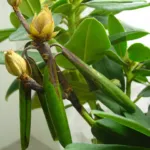 DiseasePhytophthora plurivora Root and Collar RotPhytophthora plurivora
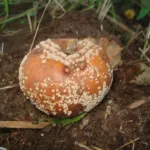 DiseaseEuropean brown rotMonilinia fructigena
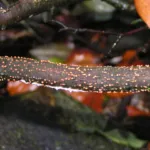 DiseaseCoral Spot CankerNectria cinnabarina
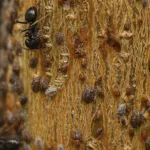 PestEuropean Fruit Lecanium ScaleParthenolecanium corni
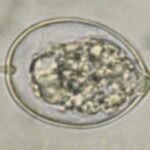 DiseasePhytophthora cactorum crown, collar, root and fruit rotPhytophthora cactorum
 Environmental stressSalt stress
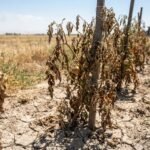 Environmental stressHeat stress
 Environmental stressDrought stress
Toxicity and pollen
Cornelian Cherry fruit is documented as edible when ripe, but the plant should still be positively identified before eating. Reliable species-specific evidence for serious toxicity in humans, dogs, cats, or children is limited. Avoid consuming large quantities of seeds or unidentified plant material, and seek medical or veterinary advice after concerning ingestion.
- Typical season
- Late winter to early spring, typically March–April in much of the United States
- Pollination / pollen
- Insect-dispersed spring tree pollen
Cornus mas produces insect-carried pollen in its spring flowers. Some allergy references describe cornelian cherry pollen as a mild allergen, but robust species-specific U.S. monitoring data are limited. Sensitive gardeners may prefer not to place the plant directly beside frequently used windows or outdoor seating during bloom.
Native habitat
Native from central and southern Europe into western Asia, it occurs in open woodland, woodland edges, scrub, and other temperate habitats. It tolerates a broad range of soils, including calcareous and clay soils, provided drainage is adequate. The species is adapted to cold winters and warm summers rather than permanently waterlogged ground.
Interesting fact
The species flowers before leaf emergence, making its yellow bloom especially conspicuous in late winter or early spring. Its red, olive-shaped fruit contains a single elongated stone and is valued for preserves and syrups. Mature trunks can develop scaly, exfoliating bark. It can be trained either as a multi-stemmed shrub or a small tree.
Frequently asked questions (FAQ)
The most relevant questions about this plant, with short and direct answers.
🌱Quick care
What is Cornus mas commonly called in the United States?⌄
Cornus mas is commonly called Cornelian Cherry. It is a deciduous dogwood grown as a large shrub or small, often multi-stemmed tree for its early yellow flowers, red edible fruit, attractive bark, and adaptability.
How large does Cornelian Cherry get?⌄
Cornelian Cherry commonly grows about 15 to 25 feet tall and 15 to 20 feet wide. It may remain a dense, multi-stemmed shrub or be trained into a small single-trunk tree.
Is Cornelian Cherry easy to grow?⌄
Yes, Cornelian Cherry is generally tough, adaptable, and low maintenance once established. It performs best with good drainage, moderate moisture, and full sun to partial shade.
Is Cornelian Cherry a tree or a shrub?⌄
Cornelian Cherry can be either a large shrub or a small tree. Its natural habit is often multi-stemmed, but young plants can be trained to a single trunk with regular structural pruning.
🌤️Environment and placement
What USDA hardiness zones are suitable for Cornus mas?⌄
Cornus mas is generally suitable for USDA Hardiness Zones 4 through 8. Its cold tolerance is about -30°F, although local exposure, cultivar, winter injury, and spring temperatures can affect performance.
Does Cornelian Cherry need full sun?⌄
Cornelian Cherry grows best in full sun but tolerates partial shade. More sunlight usually supports denser growth, stronger flowering, and better fruit production, while some afternoon shade can help in hot climates.
What soil is best for Cornelian Cherry?⌄
Well-drained loam with moderate moisture is ideal for Cornelian Cherry. The plant also tolerates sandy, clay, rocky, acidic, neutral, and alkaline soils if the site does not remain waterlogged.
Can Cornelian Cherry grow in clay soil?⌄
Yes, Cornelian Cherry can grow in clay soil provided drainage is adequate. Improve extremely heavy or compacted soil with organic matter and avoid planting where water collects after rain.
Can Cornelian Cherry tolerate drought?⌄
Established Cornelian Cherry has moderate drought tolerance, but it grows and fruits best with consistent moisture. Water deeply during prolonged dry periods, especially during establishment, flowering, and fruit development.
Where should I plant Cornelian Cherry in my yard?⌄
Plant Cornelian Cherry in a sunny to partly shaded location with enough room for a 15- to 25-foot plant. Keep it away from narrow walkways if falling fruit or low branches could create a maintenance problem.
💧Care and problems
How often should I water Cornelian Cherry?⌄
Provide moderate, consistent moisture, particularly during the first two growing seasons. After establishment, water deeply when the soil becomes noticeably dry, while allowing excess water to drain away.
Does Cornelian Cherry need fertilizer?⌄
Cornelian Cherry usually needs little fertilizer when planted in reasonably fertile soil. If growth is weak, use a soil test to guide amendments and apply a balanced, slow-release fertilizer according to its label.
Why is my Cornelian Cherry not producing fruit?⌄
Poor fruiting can result from a young plant, insufficient sunlight, late frost, inadequate pollination, or a cultivar with low fruit production. Very warm regions may also provide insufficient winter chilling for reliable flowering and fruit set.
Does Cornelian Cherry produce suckers?⌄
Yes, Cornelian Cherry can produce suckers from the base or roots. Remove unwanted suckers promptly at their point of origin to maintain a tidy shrub or single-trunk form.
What pests and diseases affect Cornelian Cherry?⌄
Cornelian Cherry is relatively resistant to serious dogwood problems, but scale insects, leafhoppers, sawflies, powdery mildew, leaf spots, blight, and cankers may occur. Good air circulation, proper watering, and removal of affected material help reduce problems.
Is Cornelian Cherry resistant to dogwood anthracnose?⌄
Cornelian Cherry has excellent resistance to dogwood anthracnose compared with several other cultivated dogwoods. It can still develop unrelated leaf, flower, or stem disorders under stressful or persistently wet conditions.
🪴Planting and repotting
When is the best time to plant Cornelian Cherry?⌄
Plant Cornelian Cherry in spring or fall when temperatures are moderate and the soil can be worked. Fall planting is useful where winters are not severe, while spring planting gives roots a full growing season to establish in colder areas.
How far apart should Cornelian Cherry plants be spaced?⌄
Space standard Cornelian Cherry plants about 15 to 20 feet apart for a natural tree or shrub display. Use closer spacing for a hedge only if you plan to prune regularly and have selected a suitably sized cultivar.
Can Cornelian Cherry be grown as a hedge?⌄
Yes, Cornelian Cherry tolerates pruning and can be grown as a hedge or screen. Its mature size and multi-stemmed habit require adequate spacing, and pruning after flowering helps preserve the following season’s fruit potential.
Can Cornelian Cherry be grown in a container?⌄
Cornelian Cherry is not an ideal long-term container plant because it becomes a large shrub or small tree. A large, sturdy container may work temporarily for a young plant, but root restriction eventually reduces vigor and increases winter and watering stress.
✂️Propagation and pruning
How do you propagate Cornelian Cherry?⌄
Cornelian Cherry can be propagated by seed, hardwood or semi-hardwood cuttings, layering, and grafting. Cuttings and grafting are generally preferred when you want to preserve the characteristics of a named cultivar.
Can you grow Cornelian Cherry from seed?⌄
Yes, Cornelian Cherry can be grown from seed, but germination may be slow and uneven because the seed usually requires a period of dormancy treatment. Seed-grown plants may also differ from the parent in fruit and growth characteristics.
How do you prune Cornelian Cherry?⌄
Prune Cornelian Cherry mainly to remove dead, damaged, crossing, or unwanted basal shoots and to establish a preferred shape. For heavy shaping or size reduction, prune immediately after flowering, understanding that this may remove developing fruit.
Can Cornelian Cherry be trained as a single-trunk tree?⌄
Yes, select one strong leader on a young plant and gradually remove competing stems and low shoots. Continue structural training over several seasons rather than removing many large branches at once.
⚠️Toxicity and safety
Are Cornelian Cherry fruits edible?⌄
Yes, ripe Cornelian Cherry fruits are edible and are commonly described as tart, cherry-like, or cranberry-like. They can be eaten fresh or used in preserves, pies, syrups, and other cooked preparations; unripe fruit is more astringent.
Is Cornelian Cherry poisonous to dogs or cats?⌄
Species-specific toxicity information for Cornus mas is limited, so do not assume that every plant part is safe for pets. Keep pets from consuming large quantities of fruit, leaves, or stems and contact a veterinarian or animal poison service if ingestion causes concern.
Are Cornelian Cherry seeds edible?⌄
The fruit flesh is edible, but the seed is hard and should generally be removed or spat out. Avoid chewing or swallowing large numbers of seeds, and process the fruit carefully when making jams, sauces, or desserts.
Does Cornelian Cherry attract birds?⌄
Yes, the ripe red fruit can attract birds and other wildlife. If you plan to harvest the fruit for people, monitor ripening closely because wildlife may remove much of the crop quickly.
🌸Flowering and special interest
When does Cornelian Cherry bloom?⌄
Cornelian Cherry usually blooms in late winter or early spring, often before the leaves emerge. In much of the United States, flowering commonly occurs from March into early April, depending on climate and seasonal temperatures.
What do Cornelian Cherry flowers look like?⌄
The flowers are small, bright yellow, and arranged in rounded clusters along bare branches. They are less showy individually than the large bracts of flowering dogwood, but their early-season display is highly distinctive.
When does Cornelian Cherry produce fruit?⌄
Cornelian Cherry fruits develop after flowering and generally ripen in mid- to late summer. The olive-shaped drupes turn dark red when ripe, although exact timing varies with cultivar, weather, and location.
Similar plants
 Azure Monkshood (Aconitum carmichaelii) care guideAconitum carmichaelii
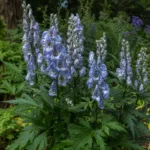 Monkshood (Aconitum ‘Stainless Steel’)Aconitum 'Stainless Steel'
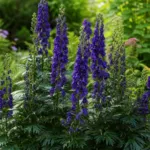 Monkshood (Aconitum ‘Bressingham Spire’)Aconitum 'Bressingham Spire'
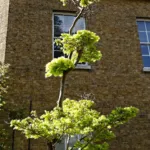 Golden full moon maple (Acer shirasawanum ‘Aureum’)Acer shirasawanum 'Aureum'
 Globosum (Acer platanoides ‘Globosum’)Acer platanoides 'Globosum'
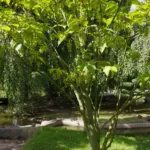 Striped maple (Acer pensylvanicum) care guideAcer pensylvanicum