
 Source:
 Cabbage Tree (Cordyline australis) short overview
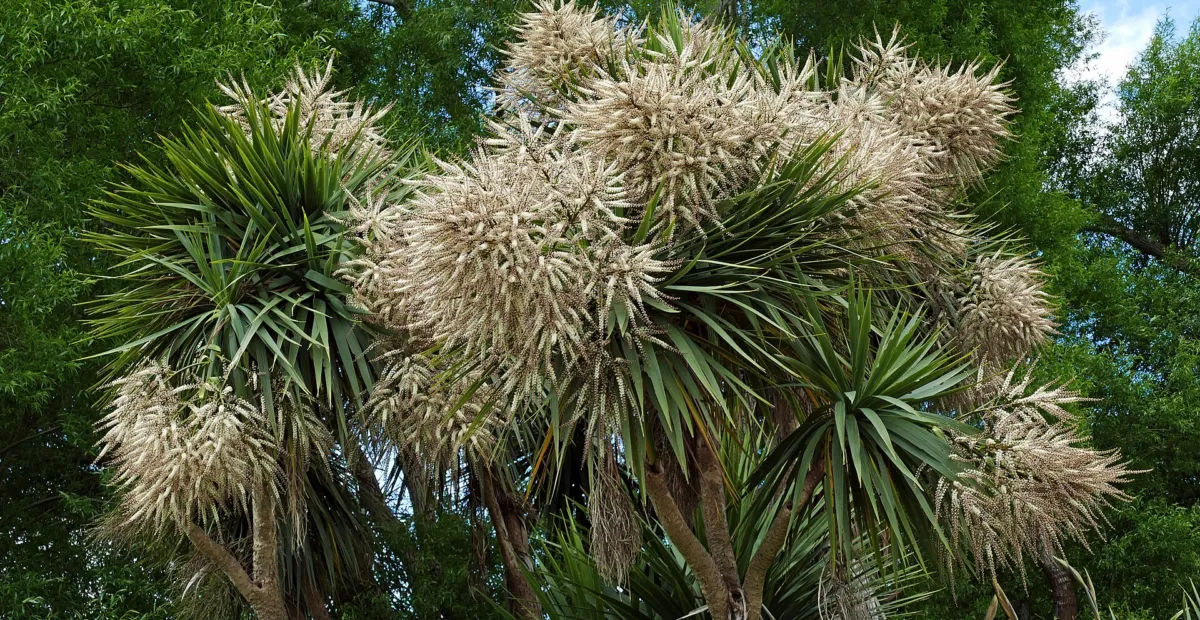
Cabbage Tree, Cordyline australis, is an evergreen New Zealand tree with a bold, palm-like silhouette, fibrous trunk, and rosettes of long sword-shaped leaves. In warm US climates it makes a striking architectural specimen, while gardeners elsewhere can grow it in a large container and protect it from hard freezes. Mature plants may produce fragrant panicles of small cream-white flowers followed by pale berries.
Taxonomic classification
Cabbage Tree (Cordyline australis) care guide
Light and placement
Grow in full sun for the strongest growth and best form, or partial shade in hot, dry climates. A south- or west-facing outdoor position suits cool-summer regions; provide afternoon protection where intense heat scorches foliage. Too little light causes stretched growth and sparse rosettes, while sudden intense sun can bleach or brown leaves.
Watering and humidity
Water deeply, then allow the upper soil to dry somewhat before watering again. Newly planted specimens need regular irrigation during establishment; established plants can tolerate short dry periods. Reduce watering in cool or dark winter conditions, especially in containers, and never leave the root zone saturated.
Soil and growing medium
Use a loose, sharply drained soil or potting mix containing sand, grit, or fine bark. It tolerates sandy, loamy, rocky, and moderately clay-influenced soils when drainage is good. A mildly acidic to mildly alkaline reaction is acceptable; avoid persistently waterlogged ground.
Feeding
Feed in spring with a balanced, controlled-release fertilizer at the label rate, or top-dress established plants with a modest layer of compost. Container plants may receive a diluted balanced feed during active growth. Do not fertilize drought-stressed, newly transplanted, or dormant plants.
Growth and habit
This species forms a slow-to-moderate-growing, upright tree with one or several trunks and a crown of terminal leaf rosettes. Mature plants may branch after flowering. Remove damaged lower leaves as needed, but avoid cutting into the growing point unless deliberate trunk regrowth is intended.
Planting and repotting
Plant outdoors in spring after the danger of hard freezes has passed, or in fall where winters remain mild. Set the root ball at the same depth as in its container. Allow ample room for the trunk and crown, stake only if needed, and water deeply during the first growing season.
Repot container plants in spring only when roots have filled the pot or drainage has declined. Move up one pot size, use a sturdy container with generous drainage holes, and avoid burying the trunk deeper than it was previously planted.
Propagation and pruning
Propagation
Sow fresh seed in a freely draining mix when ripe, or use stem cuttings from healthy mature growth. Keep propagation warm, bright, and evenly but not excessively moist. Seed-grown plants may vary in habit and foliage, while cuttings preserve the parent form more reliably.
Pruning
Remove dead, storm-damaged, or badly browned leaves at their base with clean, sharp tools. If a trunk is damaged or an overly tall plant must be reduced, cut above a healthy node or trunk section; multiple new shoots may develop below the cut. Wear gloves and eye protection around sharp foliage.
Overwintering
In Zones 9–11, protect young plants from exceptional freezes with frost cloth and a dry mulch over the root zone. In colder areas, grow in a large container and move it indoors before freezing weather. Provide the brightest cool location possible, reduce watering, and keep foliage away from heaters.
Uses
Use as an evergreen architectural specimen, accent tree, patio plant, or large container subject. It tolerates wind, salt exposure, and periods of drought once established, making it useful in suitable coastal and low-water landscapes. Leaves and fruits should not be treated as household food because the plant has documented saponin-related toxicity concerns.
Appearance
The plant has a palm-like outline but is not a palm. Long, narrow, sword-shaped leaves form dense rosettes at the ends of stout branches. Older trunks develop persistent, corky, gray bark with a fissured surface. Green-leaved forms are the baseline species; ornamental cultivars may show burgundy or variegated foliage.
Flowering
Mature plants produce terminal, branched panicles of many small, fragrant, cream-white flowers, generally in late spring or early summer. Flowering is most reliable on established outdoor specimens; container plants and heavily shaded plants may flower rarely or not at all.
Pollination and visitors
Fragrant flower panicles can attract insect visitors, and extension references classify the plant as beneficial to pollinators. The available evidence does not support naming a single consistently documented pollinator species for all regions.
Cordyline australis photos
Click any photo for a larger view. Source, author and license are shown separately.
Diseases and pests
Diseases
Prevent problems by providing drainage, avoiding chronic overwatering, and removing badly damaged tissue with clean tools. Root and crown rots are the main concern in saturated soil. Trunk or leaf lesions should be monitored and affected material pruned out; severe decline warrants local diagnosis.
Pests
Inspect leaves and trunk for scale insects, mealybugs, and spider mites, especially on stressed container plants. Improve airflow, isolate infested specimens, and remove light infestations manually or with a labeled horticultural oil or soap. Follow the product label and avoid spraying in heat.
Toxicity and pollen
NC State Extension lists low-severity poison characteristics and identifies saponins in leaves and fruits. Chewing can cause gastrointestinal upset, especially in pets. Keep fallen leaves and berries away from dogs, cats, and young children, and seek professional advice after significant ingestion.
- Typical season
- Late spring to early summer during flowering; US timing varies by climate.
- Pollination / pollen
- Flower pollen associated with insect visitation; airborne relevance not well quantified
The flowers release pollen during bloom, but reliable US-specific airborne pollen and clinical allergy data for this species are limited. Its insect-associated flowering biology does not prove that allergy risk is absent; sensitive gardeners should monitor personal symptoms during flowering.
Native habitat
Cordyline australis occurs naturally across New Zealand in subtropical to temperate habitats, including forest margins, open grassland, wetlands, and disturbed ground. It grows in varied soils but performs best where roots receive oxygen and seasonal moisture is available without prolonged saturation.
Interesting fact
The species is native to New Zealand and is one of its most recognizable trees. Its branching commonly becomes more pronounced after flowering. Māori used the plant for food, fiber, and other practical materials, while modern horticulture values its strong architectural form.
Frequently asked questions (FAQ)
The most relevant questions about this plant, with short and direct answers.
🌱Quick care
How do you care for a Cabbage Tree (Cordyline australis)?⌄
Grow Cabbage Tree in full sun to partial shade, use well-drained soil, and water thoroughly when the soil has partly dried. Protect it from hard freezes, especially when young or grown in a container.
Is Cordyline australis a palm tree?⌄
No, Cordyline australis is a palm-like evergreen tree in the asparagus family, Asparagaceae. Its narrow leaves and branching trunk create a palm-like appearance, but it is not a true palm.
How much sun does Cabbage Tree need?⌄
Cabbage Tree grows best in full sun to partial shade, with at least several hours of direct light outdoors. In very hot climates, afternoon shade can help reduce leaf scorch.
How often should I water Cordyline australis?⌄
Water Cordyline australis thoroughly when the upper soil has dried somewhat, then allow excess water to drain away. Water more often during hot, dry weather and less often during cool or rainy periods.
What type of soil is best for Cabbage Tree?⌄
Use well-drained sandy, loamy, rocky, or amended soil for Cabbage Tree. The plant tolerates different soil textures, but constantly waterlogged soil increases the risk of root and stem problems.
🌤️Environment and placement
What USDA hardiness zones can grow Cordyline australis outdoors?⌄
Cordyline australis is generally suited to USDA Zones 9a through 11b for outdoor cultivation in the United States. In colder zones, grow it in a container and move it indoors or under protection before hard freezes.
Can Cabbage Tree grow in full sun?⌄
Yes, Cabbage Tree can grow in full sun and often develops strong, upright growth there. Plants moved suddenly from shade into intense sunlight may need gradual acclimation to avoid leaf scorch.
Can Cordyline australis grow indoors?⌄
Yes, young Cordyline australis plants can be grown indoors in a bright location, preferably near a sunny window. Use a container with drainage and reduce watering during low-light winter conditions.
Can Cabbage Tree survive frost?⌄
Cabbage Tree tolerates light frost in suitable mild-winter climates but should be protected from hard freezes. Frost may brown or kill the foliage, and severe cold can damage the growing point or trunk.
Where should I plant Cordyline australis in the landscape?⌄
Plant Cordyline australis in a sunny or lightly shaded, sheltered location with excellent drainage. Allow room for its eventual trunk, crown, and roots, and avoid sites that remain saturated after rain.
💧Care and problems
Why are the leaves on my Cabbage Tree turning brown?⌄
Brown leaves can result from frost, drought, excessive sun after a sudden move, salt or fluoride exposure, or root stress from poor drainage. Check the soil moisture, recent weather, light changes, and the condition of the roots before choosing a remedy.
Why is my Cordyline australis losing leaves?⌄
Older leaves naturally yellow and drop as Cordyline australis develops a trunk, but sudden leaf loss usually indicates cold damage, drought, overwatering, or another stress. Check whether the trunk and central growing point remain firm and healthy.
How do I treat root rot in Cabbage Tree?⌄
Remove Cabbage Tree from persistently wet soil, cut away soft or black roots, and replant in a clean, free-draining mix or better-drained ground. Water only when the soil has partly dried, and do not leave the container standing in water.
What pests attack Cordyline australis?⌄
Scale insects, mealybugs, and spider mites can affect Cordyline australis, particularly indoors or in stressed plants. Inspect leaf undersides and stems regularly, isolate infested containers, and use an appropriate labeled treatment if needed.
Why does my Cabbage Tree have spots on its leaves?⌄
Leaf spots may be associated with fungal or bacterial disease, wet foliage, poor air circulation, or environmental stress. Remove badly affected leaves, avoid overhead watering, improve airflow, and investigate persistent or spreading symptoms.
🪴Planting and repotting
How do you plant Cordyline australis in the ground?⌄
Plant Cordyline australis at the same depth as it was growing in its container, using well-drained soil and a site with sun or partial shade. Water deeply after planting and keep the soil moderately moist while the roots establish.
Can Cabbage Tree grow in a container?⌄
Yes, Cabbage Tree grows well in a large, deep container with drainage holes and a free-draining potting mix. Container plants need closer watering in summer, protection from hard freezes, and occasional root-space management as they grow.
When should I repot Cordyline australis?⌄
Repot Cordyline australis when roots fill the container, drainage slows, or growth becomes weak, preferably during active growth in spring or early summer. Move it into only a modestly larger pot to avoid keeping excess soil wet.
Does Cordyline australis need fertilizer?⌄
Established Cordyline australis in the ground usually needs little fertilizer if the soil is reasonably fertile. Container plants can receive a balanced liquid fertilizer during spring and summer, following the product label.
✂️Propagation and pruning
How do you propagate Cabbage Tree?⌄
Propagate Cabbage Tree from seed, stem cuttings, or rooted basal shoots. Seeds require patience, while cuttings and suckers can produce larger plants sooner when kept warm, bright, and in a well-drained rooting medium.
Can you grow Cordyline australis from cuttings?⌄
Yes, Cordyline australis can be propagated from shoot-tip or stem-section cuttings. Use healthy material, remove excess leaves, place it in a well-drained medium, and keep it warm with moderate moisture until roots form.
Can you grow Cabbage Tree from seed?⌄
Yes, Cabbage Tree can be grown from fresh seed collected from mature berries. Sow the seed in a well-drained medium and keep it warm and lightly moist; seedlings develop slowly and may take years to become substantial plants.
How do you make Cordyline australis branch?⌄
To encourage branching, cut the main stem during active spring growth, just above a suitable side or basal shoot. Established plants often produce new sprouts below the cut, although the number and position of branches cannot be guaranteed.
How do you prune a Cabbage Tree?⌄
Cabbage Tree usually needs little pruning beyond removing dead leaves and damaged growth. If it becomes too tall or suffers winter injury, cut the trunk back to sound tissue in spring, and it may produce new shoots.
⚠️Toxicity and safety
Is Cabbage Tree toxic to dogs?⌄
Yes, Cabbage Tree contains saponins and should be treated as toxic to dogs if eaten. Possible signs include vomiting, drooling, depression, and loss of appetite; contact a veterinarian or animal poison service after suspected ingestion.
Is Cordyline australis toxic to cats?⌄
Yes, Cordyline australis contains saponins that can cause illness if cats chew or eat it. Keep the plant away from accessible pets and contact a veterinarian promptly if ingestion causes drooling, vomiting, weakness, or unusual behavior.
Are the leaves and berries of Cabbage Tree safe to eat?⌄
Do not treat Cabbage Tree leaves or berries as safe food for people or pets. The plant contains saponins, and ornamental plants may also carry contaminants or be misidentified; avoid ingestion and seek professional advice if it occurs.
🌸Flowering and special interest
Does Cordyline australis produce flowers?⌄
Yes, mature Cordyline australis can produce fragrant white flowers in branched clusters, usually in spring or summer. Flowering is more likely in established outdoor plants than in young or container-grown specimens.
How long does Cabbage Tree take to flower?⌄
An outdoor Cabbage Tree may take roughly six to ten years to flower, although timing varies with age, climate, light, and growing conditions. Container plants often flower rarely or not at all.
What should I do after Cordyline australis flowers?⌄
You may leave the flower cluster in place for ornamental value or remove it after blooming. If pollinated, the flowers can develop into small berries, and removing the spent stalk does not usually harm the plant.
Similar plants
 Red Star (Cordyline australis ‘Red Star’)Cordyline australis 'Red Star'
 Ti Tree (Cordyline fruticosa) care guideCordyline fruticosa
 Pink Passion (Cordyline australis ‘Pink Passion’)Cordyline australis 'Pink Passion'
 Dark Star (Cordyline australis ‘Dark Star’)Cordyline australis 'Dark Star'
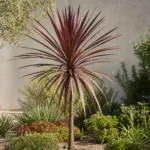 Pocahontas (Cordyline australis ‘Pocahontas’)Cordyline australis 'Pocahontas'
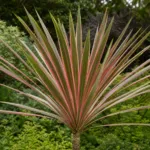 Pink Stripe (Cordyline australis ‘Pink Stripe’)Cordyline australis 'Pink Stripe'