
 Source:
 Red Star (Cordyline australis ‘Red Star’) short overview
Cordyline australis 'Red Star' is an evergreen, palm-like perennial grown for its narrow, sword-shaped leaves in rich bronze-red to burgundy tones. It develops a woody trunk and an architectural rosette, becoming a striking focal point in a sunny border, patio container, or protected courtyard. Mature plants may produce fragrant creamy-white flower panicles, but reliable outdoor performance in the United States depends strongly on winter temperatures, wind exposure, and drainage.
Taxonomic classification
Red Star (Cordyline australis ‘Red Star’) care guide
Light and placement
Give full sun for the strongest red-bronze foliage, with partial shade acceptable in hot climates or during intense afternoon heat. A south- or west-facing position with shelter from drying winter winds is suitable. Too little light can produce weaker, greener growth; harsh reflected heat may scorch leaves, especially in containers.
Watering and humidity
Water deeply when the upper few inches of soil begin to dry, then let excess water drain completely. Keep newly planted specimens evenly moist while establishing; reduce watering in cool winter weather, especially indoors. Container plants dry faster in summer, but winter roots should never sit in water. Average humidity is sufficient.
Soil and growing medium
Use a loose, well-drained soil or container mix containing loam, sand, grit, or other mineral material. Cordyline australis tolerates acidic, neutral, and alkaline conditions, but persistent winter wetness is more damaging than moderate pH variation. Avoid compacted sites and containers without free drainage.
Feeding
Feed in spring as growth resumes with a balanced, controlled-release fertilizer at the label rate, or use a diluted liquid feed during active growth. Container plants may need a second light application in early summer. Do not fertilize drought-stressed, recently repotted, dormant, or frost-damaged plants.
Growth and habit
Growth is typically upright and rosette-forming, with leaves retained year-round in suitable climates. As the plant matures, a slender woody trunk may form and can branch into multiple heads. Frost, low light, root restriction, and winter wetness can slow growth or cause dieback; damaged plants may resprout from surviving trunk or basal tissue.
Planting and repotting
Plant outdoors in spring after the main risk of hard frost has passed. Set the root ball level with the surrounding soil and do not bury the trunk. Water deeply during the first growing season, mulch lightly without touching the stem, and allow generous clearance for the rosette and eventual trunk.
Repot container plants in spring when roots fill the pot or growth becomes unstable. Move up only one container size, use a sturdy pot with drainage holes, and keep the trunk at its previous soil level. Large specimens can be top-dressed rather than repeatedly repotted.
Propagation and pruning
Propagation
Propagate from seed or mature stem cuttings; rooted basal shoots or offsets may also be separated when available. Take cuttings during active growth or in warm conditions, use a free-draining medium, and maintain even moisture without saturation. Cultivar uniformity is more reliable from vegetative material than seed.
Pruning
Routine pruning is unnecessary. Remove dead or badly damaged leaves by pulling or cutting them close to the stem with clean tools. If severe frost kills the crown, wait until spring growth clarifies which tissue is alive; cut only soft or clearly dead stems back to firm wood.
Overwintering
In USDA Zones 9–11, protect plants from hard freezes and cold drying winds with a sheltered position and temporary horticultural fleece when needed. In colder regions, move containers indoors or into a cool, bright greenhouse before freezing weather. Water sparingly indoors and keep foliage away from heaters.
Uses
Used as an architectural foliage specimen, accent plant, patio or balcony container, and tropical-style border plant. It can provide a dramatic evergreen focal point in mild US climates. Do not eat cultivated plant parts or allow pets to chew the foliage, roots, or berries.
Appearance
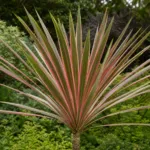
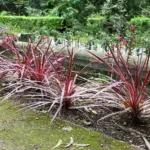
This cultivar forms a bold rosette of long, narrow, sword-like leaves in dark bronze-red, burgundy, and brown-red shades. Leaves are stiff to arching, smooth, and arranged in a starburst around a central stem. With age, the stem becomes woody and palm-like, giving the plant a tropical architectural silhouette.
Flowering
Mature plants can produce terminal panicles of small, creamy-white, fragrant flowers, generally in early to mid-summer in climates where the plant is established outdoors. Flowering is less predictable in containers, young plants, and regions with short growing seasons. Flowers may be followed by small berries.
Pollination and visitors
When mature plants flower, their fragrant creamy-white panicles are reported to attract bees. Documentation for the exact cultivar is limited, so pollinator value is best considered low rather than a primary wildlife feature.
Cordyline australis 'Red Star' photos
Click any photo for a larger view. Source, author and license are shown separately.
Diseases and pests
Diseases
Prevent disease by using well-drained soil, avoiding chronic overwatering, and removing badly damaged foliage with clean tools. Cordyline slime flux and honey fungus are reported concerns, although serious disease is not usually a routine problem in well-sited plants. Soft, foul-smelling trunk tissue after winter damage indicates possible rot.
Pests
Watch for scale insects, spider mites, and mealybugs, especially on stressed or overwintered container plants. Inspect leaf bases and undersides regularly. Isolate infested indoor plants, wipe or wash foliage, and use a labeled horticultural oil or insecticidal soap only according to its US label.
Toxicity and pollen
Cordyline australis is listed by extension and horticultural references as toxic or harmful to dogs and cats if ingested, with gastrointestinal upset among the reported concerns. Keep leaves, berries, roots, and fallen plant material away from pets and children. Do not use the plant as food despite ethnobotanical reports for the species.
- Typical season
- Typically late spring through summer where flowering occurs outdoors
- Pollination / pollen
- Insect-dispersed floral pollen; airborne relevance not established
This is a flowering, insect-pollinated plant, but reliable US data on airborne pollen levels and human allergy relevance for this cultivar were not found. The conspicuous flowers should not automatically be treated as allergen-free. People with strong pollen sensitivity should avoid handling flowering panicles during peak bloom and monitor personal reactions.
Native habitat
The species originates in New Zealand, where it occurs in a range of open habitats including coastal areas, forest margins, lowland sites, and well-drained slopes. It is adapted to bright light, seasonal moisture, and soils that drain freely, while cultivated plants are particularly vulnerable to prolonged freezing and saturated winter soil.
Interesting fact
The cultivar is valued primarily for stable dark bronze-red foliage rather than flowers. Cordyline australis is native to New Zealand and is not a true palm. With age, the plant can develop a woody trunk and branch into several leafy heads after flowering or damage.
Frequently asked questions (FAQ)
The most relevant questions about this plant, with short and direct answers.
🌱Quick care
What is Cordyline australis 'Red Star'?⌄
Cordyline australis 'Red Star' is an evergreen, palm-like plant grown for its upright form and narrow, dark burgundy-red leaves. It is a cultivar of the New Zealand cabbage tree, not a true palm.
How much sunlight does Cordyline australis 'Red Star' need?⌄
Give Cordyline australis 'Red Star' full sun to partial shade, with at least 4–6 hours of direct light for the best foliage color. In very hot climates, afternoon shade can help prevent leaf scorch.
How often should I water Cordyline australis 'Red Star'?⌄
Water when the top few inches of soil begin to dry, then let excess water drain completely. Established plants tolerate some drought, but containers usually need more frequent watering during hot weather.
Is Cordyline australis 'Red Star' indoor or outdoor plant?⌄
Cordyline australis 'Red Star' can grow outdoors in mild climates and in containers that are moved indoors before hard freezes. Indoors, place it near a bright window and avoid consistently wet soil.
🌤️Environment and placement
What USDA hardiness zones can grow Cordyline australis 'Red Star'?⌄
Cordyline australis 'Red Star' is generally grown outdoors year-round in USDA Zones 9–11. In colder zones, grow it as a container plant or protect it during winter.
How cold hardy is Cordyline australis 'Red Star'?⌄
Protect Cordyline australis 'Red Star' when temperatures approach about 20°F, because frost and freezing weather can damage or kill the growing point. Young plants and container specimens are especially vulnerable.
Can Cordyline australis 'Red Star' grow in full sun?⌄
Yes, Cordyline australis 'Red Star' can grow in full sun when gradually acclimated and adequately watered. Plants moved suddenly from shade into intense sun may develop scorched or faded leaves.
Can Cordyline australis 'Red Star' tolerate drought?⌄
Established Cordyline australis 'Red Star' has useful drought tolerance once its roots are established. Water more regularly during prolonged heat, after planting, and whenever the foliage begins to wilt.
Is Cordyline australis 'Red Star' salt tolerant?⌄
Cordyline australis 'Red Star' can tolerate some coastal exposure and salt spray when planted in a well-drained, sheltered location. Severe wind, salt buildup, and poor drainage can still cause leaf damage.
💧Care and problems
What soil is best for Cordyline australis 'Red Star'?⌄
Use well-drained loam, sand, clay amended for drainage, or a gritty container mix. The plant tolerates several soil types, but waterlogged soil is more damaging than moderately poor soil.
Why are the leaves of my Cordyline australis 'Red Star' turning brown?⌄
Brown leaves can result from frost, intense sun after a sudden change, drought, low humidity indoors, or waterlogged roots. Remove only fully dead foliage and correct the underlying moisture, light, or temperature problem.
Why is my Cordyline australis 'Red Star' losing its red color?⌄
Foliage may appear less burgundy when light is too low, growth is stressed, or new leaves are still maturing. Move the plant gradually toward brighter light while avoiding severe afternoon heat if scorch is occurring.
What pests attack Cordyline australis 'Red Star'?⌄
Scale insects, mealybugs, and spider mites can occasionally affect Cordyline australis 'Red Star', especially indoors or under stress. Inspect leaf bases and undersides regularly and treat infestations promptly with an appropriate houseplant or horticultural product.
Does Cordyline australis 'Red Star' need fertilizer?⌄
Feed Cordyline australis 'Red Star' lightly during active spring and summer growth with a balanced fertilizer. Avoid heavy fertilizing in winter or when the plant is drought-stressed, recently repotted, or suffering root problems.
Does Cordyline australis 'Red Star' need pruning?⌄
Routine pruning is not required; remove dead or badly damaged leaves at their base using clean tools. If cold kills the top, wait until the damage is clear before cutting back, because the trunk may resprout.
🪴Planting and repotting
When should I plant Cordyline australis 'Red Star' outdoors?⌄
Plant Cordyline australis 'Red Star' in spring after the threat of hard frost has passed. This gives the roots a full growing season to establish before winter.
Can Cordyline australis 'Red Star' grow in a pot?⌄
Yes, Cordyline australis 'Red Star' grows well in a large container with drainage holes and a gritty, well-drained mix. Choose a heavy pot to reduce tipping and move it to shelter before freezing weather.
How often should I repot Cordyline australis 'Red Star'?⌄
Repot Cordyline australis 'Red Star' when roots fill the container, drainage slows, or the plant becomes unstable, usually every few years rather than annually. Move it into only the next pot size to avoid excess wet soil.
✂️Propagation and pruning
How do you propagate Cordyline australis 'Red Star'?⌄
Cordyline australis 'Red Star' can be propagated from seed, stem cuttings, or well-rooted offsets when available. Stem cuttings and offsets are more likely than seed to preserve the cultivar’s distinctive foliage.
Can you cut back a tall Cordyline australis 'Red Star'?⌄
Yes, a tall Cordyline australis 'Red Star' can be cut back to encourage new shoots below the cut. Make the cut during active growth and keep the remaining trunk warm, bright, and only moderately moist.
⚠️Toxicity and safety
Is Cordyline australis 'Red Star' poisonous to dogs and cats?⌄
Yes, Cordyline australis 'Red Star' is considered toxic if ingested and may cause gastrointestinal upset in pets. Keep fallen leaves and plant material away from dogs, cats, and other animals.
Is Cordyline australis 'Red Star' poisonous to people?⌄
Cordyline australis 'Red Star' should not be eaten and may cause illness if ingested. Keep it away from young children and seek medical or poison-control advice if plant material is swallowed.
🌸Flowering and special interest
Does Cordyline australis 'Red Star' produce flowers?⌄
Mature Cordyline australis 'Red Star' can produce fragrant, creamy-white flower panicles, usually from the top of an established trunk. Flowering is infrequent and depends on age, climate, and growing conditions.
When does Cordyline australis 'Red Star' bloom?⌄
Cordyline australis 'Red Star' most often blooms in late spring or summer, although timing varies by climate and plant maturity. Flowers may be followed by small berries.
Should I cut off the flowers on Cordyline australis 'Red Star'?⌄
You may remove the flower stalk after blooming to improve the plant’s appearance, but it is not necessary for health. Use clean pruners and avoid damaging the central growing point.
Similar plants
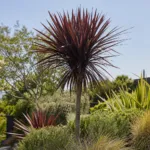 Dark Star (Cordyline australis ‘Dark Star’)Cordyline australis 'Dark Star'
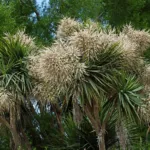 Cabbage Tree (Cordyline australis) care guideCordyline australis
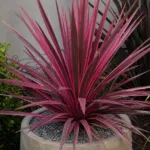 Electric Pink (Cordyline australis ‘Electric Pink’)Cordyline australis 'Electric Pink'
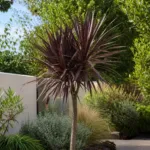 Purpurea (Cordyline australis ‘Purpurea’)Cordyline australis 'Purpurea'
 Pink Stripe (Cordyline australis ‘Pink Stripe’)Cordyline australis 'Pink Stripe'
 Pink Passion (Cordyline australis ‘Pink Passion’)Cordyline australis 'Pink Passion'