
 Source:
 Common dogwood (Cornus sanguinea) short overview
Common dogwood is a hardy, deciduous shrub from Europe and western Asia, valued in American gardens for its reddish young stems, attractive fall color, flat clusters of small creamy white flowers, and blue-black drupes. It forms a useful informal screen or wildlife planting in sun or partial shade, especially where soil is reasonably moisture-retentive. Regular renewal pruning keeps the youngest, most colorful stems prominent.
Taxonomic classification
Common dogwood (Cornus sanguinea) care guide
Light and placement
Grow in full sun for the strongest flowering, fall color and red young stems; partial shade is also suitable, particularly in hotter climates. An east-, south- or west-facing site with several hours of direct light works well. Too little light can produce lankier growth, weaker color and fewer flowers; severe afternoon heat combined with dry soil can scorch foliage.
Watering and humidity
Water deeply and slowly when the upper few inches of soil begin to dry, especially during the first two growing seasons. Established shrubs tolerate short dry periods but perform better with steady moisture through summer. Mulch the root zone to reduce evaporation, while avoiding waterlogged ground and keeping mulch off the stems.
Soil and growing medium
Plant in fertile, moisture-retentive soil that still drains adequately. It tolerates loam, clay and mildly calcareous ground, and performs best where the root zone does not dry severely in summer. Avoid persistently stagnant water and very poor, drought-prone soil.
Feeding
Apply a thin mulch of mature compost in spring, keeping it away from the stem base. A balanced slow-release fertilizer can be used on poor soil at label rates as growth begins. Avoid heavy nitrogen feeding, especially late in the season, because it can encourage soft growth and reduce winter hardiness.
Growth and habit
This is a multi-stemmed, upright to round-topped shrub that can become dense with age. Older branches lose much of their vivid winter coloration, so periodic renewal pruning is useful where stem display is a priority. Allow room for basal branching and natural thicket formation.
Planting and repotting
Plant bare-root or container-grown shrubs in fall or early spring while the soil is workable. Set the root ball at the same depth as previously grown, firm gently, water thoroughly and mulch without covering the stem base. Allow about 6–10 feet between unpruned plants, or closer for an informal screen.
Container-grown plants can be shifted into a larger container in early spring, before vigorous growth begins. Use a loam-based, well-drained mix and refresh the top layer annually. Because this is a vigorous woody shrub, planting it in the ground is preferable for long-term growth.
Propagation and pruning
Propagation
Propagate from seed or hardwood cuttings. Collect ripe seed when fruits mature, clean it and provide the prolonged dormancy treatment normally required by woody Cornus seed. Hardwood cuttings are usually taken from pencil-thick current-season wood from late fall through winter and rooted in a protected, evenly moist medium.
Pruning
Let new plants establish for one or two years before hard renewal pruning. For the best young-stem color, cut selected or all older shoots back in late winter to early spring, before or around bud break, depending on the desired flowers. Hard pruning removes that season's flower display, so alternate renewal with lighter thinning if flowers matter.
Overwintering
Outdoor winter protection is normally unnecessary in suitable climates. Maintain a mulch layer over the root zone in colder regions, avoid late-season high-nitrogen fertilizer, and protect newly planted shrubs from drying winter winds. Container plants have less root insulation and should be sheltered or sunk into the ground in severe cold.
Uses
Useful for informal hedges, wildlife gardens, woodland margins, mixed shrub borders and winter-stem displays. Flowers provide insect forage and the fruits are eaten by birds and other wildlife. The drupes should not be treated as a food crop because reliable sources differ on edibility and palatability.
Appearance
Identify it by opposite, simple elliptic to ovate leaves with prominent curved veins and a softly hairy surface, especially beneath. Small creamy white flowers form flat clusters after leaf emergence. Young stems are reddish to maroon, while older branches become duller; fall foliage may turn red, burgundy or purplish.
Flowering
Small, four-petaled creamy white flowers are produced after leaf emergence in flat-topped clusters. In the United States, flowering is generally in late spring to early summer, commonly May–June, with timing varying by climate. Flowers are followed by small blue-black drupes that mature later in summer.
Pollination and visitors
The small nectar- and pollen-bearing flowers are visited by insects, and the species is included in wildlife planting guidance because its flowers support insect visitors. Available sources do not establish one consistently documented primary pollinator species for this exact taxon.
Cornus sanguinea photos
Click any photo for a larger view. Source, author and license are shown separately.
Diseases and pests
Diseases
Generally trouble-free, but watch for Cornus anthracnose and honey fungus where conditions favor disease. Improve air circulation, avoid prolonged leaf wetness when irrigating, remove badly affected material, and maintain balanced watering. Do not compost diseased prunings.
Pests
Usually pest-free, but horse chestnut scale may occasionally occur. Inspect stems and undersides of leaves, encourage natural predators, and prune out heavily infested material. Use a labeled horticultural treatment only when monitoring shows it is necessary.
Related diseases and pests
Only Plant Doctor profiles whose host data indicate this plant may be affected are shown here.
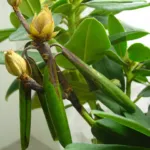 DiseasePhytophthora plurivora Root and Collar RotPhytophthora plurivora
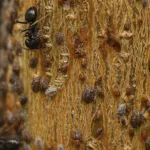 PestEuropean Fruit Lecanium ScaleParthenolecanium corni
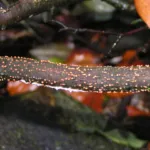 DiseaseCoral Spot CankerNectria cinnabarina
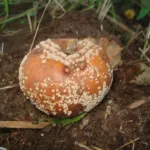 DiseaseEuropean brown rotMonilinia fructigena
 DiseasePhytophthora cactorum crown, collar, root and fruit rotPhytophthora cactorum
 PestHorse Chestnut Leaf MinerCameraria ohridella Deschka & Dimić
 DiseaseAnthracnoseColletotrichum gloeosporioides
 DiseaseWalnut AnthracnoseOphiognomonia leptostyla
Toxicity and pollen
Reliable sources disagree or provide insufficient species-specific evidence for a confident human or companion-animal toxicity classification. The blue-black drupes are not recommended for casual eating, and bitter or unpalatable fruit may still cause gastrointestinal upset if consumed. Prevent children and pets from eating unidentified plant material and seek professional advice after ingestion.
- Typical season
- Late spring to early summer
- Pollination / pollen
- Insect-dispersed pollen
Cornus sanguinea is insect-pollinated, so its pollen is not typically dispersed in the same manner as strongly wind-pollinated trees. However, absence of strong airborne dispersal does not prove zero allergy risk, and authoritative species-specific U.S. aeroallergen data were not located.
Native habitat
Native from Europe through western Asia, where it occurs in temperate woodland margins, mixed broadleaf woods, scrub, hedgerows and other relatively open habitats. It tolerates a range of mineral soils, including base-rich or calcareous ground, and is associated with sites that retain moderate soil moisture.
Interesting fact
Young stems develop stronger red to reddish-purple winter color than older wood. The species can spread into dense thickets through vigorous basal growth. Its opposite leaves have the curved venation characteristic of many dogwoods. The epithet sanguinea refers to blood-red coloration.
Frequently asked questions (FAQ)
The most relevant questions about this plant, with short and direct answers.
🌱Quick care
What is Cornus sanguinea commonly called?⌄
Cornus sanguinea is commonly called common dogwood in the United States. It is a deciduous shrub in the dogwood family, Cornaceae.
How big does common dogwood get?⌄
Common dogwood typically grows about 8–15 feet tall and wide. Its final size depends on the cultivar, pruning routine, soil moisture, and growing conditions.
Is common dogwood a tree or a shrub?⌄
Common dogwood is usually a multi-stemmed, suckering shrub, although older plants can develop a small-tree form. It naturally produces several stems from the base and nearby roots.
🌤️Environment and placement
How much sun does Cornus sanguinea need?⌄
Cornus sanguinea grows in full sun to partial shade. Full sun usually produces the strongest young-stem color, while partial shade is tolerated if the soil remains adequately moist.
What USDA hardiness zones can grow common dogwood?⌄
Common dogwood is generally grown in USDA Zones 4–7, although hardiness can vary by cultivar and local conditions. The supplied frost tolerance is about -4°F, so protect young plants in colder exposed sites.
What type of soil is best for common dogwood?⌄
Plant common dogwood in moisture-retentive loam, clay, or fertile mixed soil that drains reasonably well. It tolerates a range of soils but performs best when the root zone stays evenly moist without prolonged waterlogging.
Can common dogwood grow in clay soil?⌄
Common dogwood can grow in clay soil if it is fertile and does not remain saturated. Improve compacted ground with organic matter and avoid planting where drainage is persistently poor.
Can Cornus sanguinea grow in wet areas?⌄
Cornus sanguinea prefers consistently moist soil but is not a dependable choice for permanently waterlogged ground. Use it in a rain garden or damp border only where excess water can drain between wet periods.
💧Care and problems
How often should I water common dogwood?⌄
Water common dogwood moderately, keeping the soil evenly moist during establishment and dry weather. Do not allow the root zone to dry deeply, especially during the first growing season or periods of summer heat.
Does common dogwood need fertilizer?⌄
Common dogwood usually needs little fertilizer when grown in fertile soil. Apply a soil-test-based fertilizer only if growth is weak or a nutrient deficiency is confirmed.
Why are the leaves on my common dogwood turning brown?⌄
Brown leaves on common dogwood are often caused by drought stress, heat, root damage, or poor drainage. Check soil moisture, water deeply during dry periods, and inspect leaves and stems for spotting or dieback.
What pests and diseases affect Cornus sanguinea?⌄
Cornus sanguinea is generally fairly healthy but may develop aphids, leaf spot, anthracnose, honey fungus, or stem cankers. Improve air circulation, avoid prolonged drought, and remove badly affected stems with clean tools.
Why is my common dogwood not producing red winter stems?⌄
Older stems of common dogwood usually lose much of their strongest color, so an unpruned plant may appear gray-green or dull. Remove older wood or coppice the shrub in early spring to encourage vivid young shoots.
Does common dogwood spread by suckers?⌄
Yes, common dogwood can sucker freely from its roots and form a spreading colony. Remove unwanted suckers at their origin or grow the shrub where natural spreading is acceptable.
🪴Planting and repotting
When is the best time to plant common dogwood?⌄
The best time to plant common dogwood is during the cool spring or fall planting season. Planting outside summer heat gives the roots more time to establish before drought or freezing conditions.
How far apart should common dogwood be planted?⌄
Space common dogwood about 8–15 feet apart for individual plants, depending on the mature size of the cultivar. Use closer spacing for a screen, but allow room for its suckering habit and mature spread.
Can common dogwood be grown in a container?⌄
Common dogwood can be grown temporarily in a large container, but it is better suited to open ground because it becomes a sizable, suckering shrub. Use a deep container with drainage and keep the potting mix consistently moist.
Can common dogwood be transplanted?⌄
Common dogwood is generally easier to transplant while young and dormant. Move it with as much of the root system as possible, replant immediately, and keep the soil consistently moist while it recovers.
✂️Propagation and pruning
How do you propagate common dogwood from cuttings?⌄
Common dogwood can be propagated from softwood or hardwood cuttings, although success depends on timing and moisture control. Take healthy cuttings, use a well-drained rooting medium, and maintain high humidity until roots develop.
Can common dogwood be propagated from seed?⌄
Yes, common dogwood can be propagated from seed, but germination may be slow and uneven. Clean ripe fruit, sow the seed in a suitable medium, and provide the required period of moist chilling before expecting germination.
Can you propagate Cornus sanguinea from suckers?⌄
Yes, rooted suckers are one of the simplest ways to propagate Cornus sanguinea. Separate a sucker with its own roots during dormancy or mild weather, then replant it promptly and keep it watered.
When should common dogwood be pruned?⌄
Prune common dogwood in early spring before vigorous new growth begins. This timing is especially useful for renewing the stems, although it removes some of the coming season’s flowers.
How do you prune common dogwood for colorful winter stems?⌄
To maximize winter stem color, remove about one-quarter of the oldest stems each year or cut the whole shrub back close to the ground every two to three years. The brightest color develops on young replacement shoots.
Can common dogwood be kept small?⌄
Common dogwood can be controlled with regular renewal pruning, but it naturally becomes a broad, suckering shrub. Choose a compact cultivar when available and avoid repeatedly shearing the plant into old, unproductive wood.
⚠️Toxicity and safety
Are common dogwood berries poisonous?⌄
The safety of common dogwood fruit for people is uncertain, so do not eat the berries. Keep children and pets from consuming the fruit and contact a poison-control service or veterinarian if ingestion occurs.
Is common dogwood invasive in the United States?⌄
Common dogwood is introduced in the United States and can spread locally by suckers and seed. It is not appropriate to label it invasive everywhere, so check your state or local invasive-plant resources before planting near natural areas.
🌸Flowering and special interest
When does common dogwood bloom?⌄
Common dogwood usually blooms from late spring into early summer, commonly around May and June in temperate areas. Its small white flowers appear in flat-topped clusters rather than the large bracts of flowering dogwood.
Does common dogwood have red flowers?⌄
No, common dogwood normally has small white flowers. Its notable red color comes mainly from young stems and sometimes from fall foliage, not from the flowers.
What fruit does Cornus sanguinea produce?⌄
Cornus sanguinea produces small purple-black to black fruits after flowering, often ripening from late summer into fall. The fruits may attract birds, but they should not be eaten by people.
Similar plants
 Azure Monkshood (Aconitum carmichaelii) care guideAconitum carmichaelii
 Monkshood (Aconitum ‘Stainless Steel’)Aconitum 'Stainless Steel'
 Monkshood (Aconitum ‘Bressingham Spire’)Aconitum 'Bressingham Spire'
 Golden full moon maple (Acer shirasawanum ‘Aureum’)Acer shirasawanum 'Aureum'
 Globosum (Acer platanoides ‘Globosum’)Acer platanoides 'Globosum'
 Striped maple (Acer pensylvanicum) care guideAcer pensylvanicum