
 Source:
 Wedding Cake Tree (Cornus controversa) short overview
Cornus controversa, the Wedding Cake Tree, is a striking deciduous dogwood from East Asia. Its horizontal branches form a naturally layered crown, while alternate, heavily veined leaves provide a refined summer display and occasional fall color. In late spring or early summer, flattened clusters of small creamy-white flowers appear, followed by blue-black drupes that attract birds. Give it room, consistent moisture, and protection from severe heat and drought.
Taxonomic classification
Wedding Cake Tree (Cornus controversa) care guide
Light and placement
Grow in full sun to partial shade. In hot-summer areas, provide morning sun with light afternoon shade or shelter from reflected heat. Too much exposure combined with drought can cause scorch, premature leaf drop, and decline; too much shade produces weaker growth and a less substantial crown.
Watering and humidity
Water deeply when the upper few inches of soil begin to dry, especially during establishment and summer heat. Keep moisture even rather than alternating between drought and saturation. A 2–3 inch mulch layer helps conserve moisture, but keep it away from the trunk. Humidity is not usually managed separately outdoors.
Soil and growing medium
Use fertile, organically enriched soil that drains freely but does not dry rapidly. Loam is ideal; clay can work if drainage is improved. Slightly acidic soil is preferred. Mulch broadly over the root zone without piling mulch against the trunk.
Feeding
Apply compost or a light, slow-release balanced fertilizer in early spring if growth is weak or soil is poor. Do not overfertilize, especially with high nitrogen, and do not feed during drought, heat stress, or late summer when soft new growth may be vulnerable to winter damage.
Growth and habit
This is a medium to large, spreading tree that develops a pronounced layered structure as branches extend horizontally. Young trees may need a clear central leader and selective structural training. Avoid cramped sites, because later corrective pruning can remove the species’ characteristic form.
Planting and repotting
Plant in fall or early spring when the soil is workable. Set the root flare level with or slightly above surrounding soil, water deeply, and mulch the root zone. Allow at least 35–40 feet for the mature crown where the straight species is grown.
Not usually suitable for long-term container culture because the species becomes a large tree. If temporarily container-grown, shift it into a larger pot before roots circle densely and transplant while dormant.
Propagation and pruning
Propagation
Seed requires cleaning and usually a prolonged warm-to-cold stratification period, so germination can be slow. Hardwood or softwood cuttings may be attempted, but rooting is inconsistent. Grafting is used for selected forms and is generally best left to experienced propagators.
Pruning
Prune during dormancy to establish one strong leader, remove crossing or weak branches, and provide clearance where needed. Preserve the natural horizontal tiers. Avoid heavy topping and unnecessary cuts into large limbs.
Overwintering
Trees established within their hardiness range generally need no special winter protection. Water thoroughly before the ground freezes, protect young trunks from mechanical injury, and avoid late-season nitrogen that encourages tender growth. In colder marginal sites, use a sheltered location and maintain a generous mulch layer.
Uses
Best used as a specimen, lawn, shade, woodland-edge, Asian-style, or park tree where its horizontal tiers have room to develop. Its flowers provide ornamental value and its fruits support birds and small mammals. It is not a recommended edible-fruit tree.
Appearance
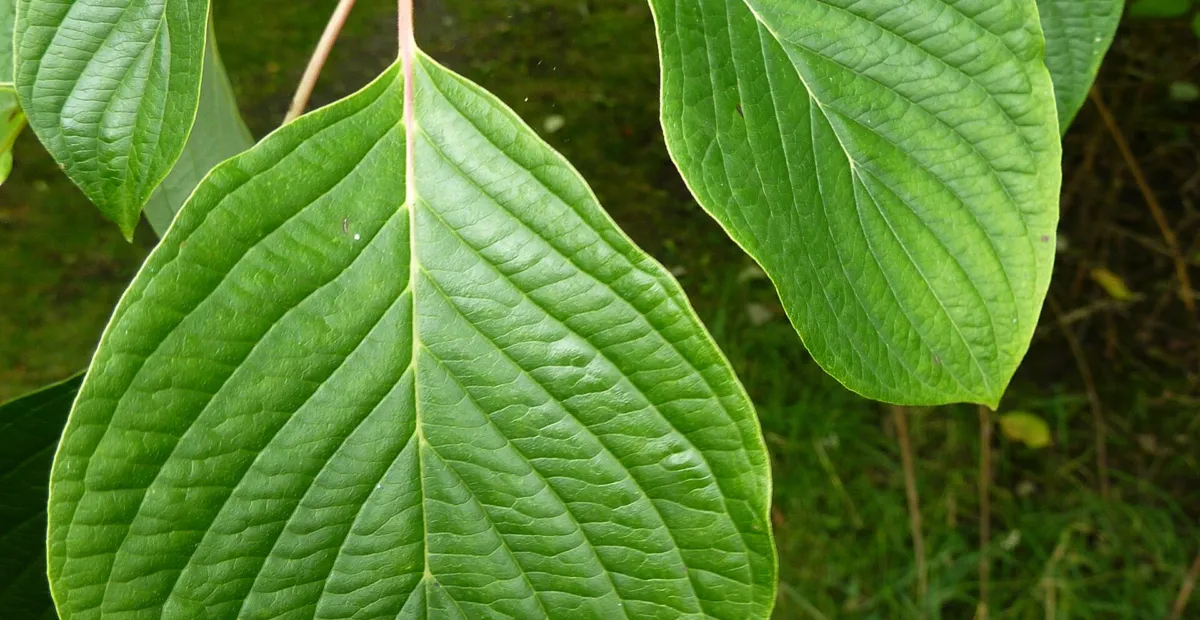
The species is identified by alternate leaves, a rare arrangement within dogwoods, and broad horizontal branches stacked in tiers. Leaves are ovate, dark green above, paler beneath, and strongly veined. Mature bark is gray-brown, while the open layered silhouette remains attractive after leaf fall.
Flowering
Small, four-petaled flowers are held in flattened terminal cymes. The clusters can create a conspicuous pale display across the layered crown in late spring to early summer. Flowering is usually strongest on established trees in cool, adequately moist sites.
Pollination and visitors
Flattened flower clusters are visited by bees and other small insects. North Carolina Extension also records specialized Andrena bees associated with the genus Cornus, but a species-specific visitor record for Cornus controversa was not established here. Fruits are used by birds and small mammals.
Cornus controversa photos
Click any photo for a larger view. Source, author and license are shown separately.
Diseases and pests
Diseases
Leaf spot, root rot, canker, powdery mildew, anthracnose, and leaf or twig blight may occur, especially when the tree is stressed. Improve airflow, avoid chronic wetness, remove badly affected debris, and maintain even moisture rather than relying on frequent shallow watering.
Pests
Scale, leaf miners, and borers may occur. Keep the tree vigorous with correct siting, mulch, and even moisture. Inspect young shoots and leaves regularly; use targeted controls only when damage is significant.
Related diseases and pests
Only Plant Doctor profiles whose host data indicate this plant may be affected are shown here.
 DiseaseCoral Spot CankerNectria cinnabarina
 DiseasePhytophthora plurivora Root and Collar RotPhytophthora plurivora
 PestEuropean Fruit Lecanium ScaleParthenolecanium corni
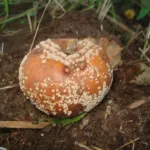 DiseaseEuropean brown rotMonilinia fructigena
 DiseasePhytophthora cactorum crown, collar, root and fruit rotPhytophthora cactorum
 Environmental stressSalt stress
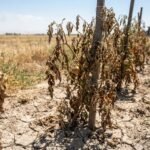 Environmental stressHeat stress
 Environmental stressDrought stress
Toxicity and pollen
Reliable, species-specific clinical toxicity information is limited. The blue-black fruits are wildlife food, but they should not be treated as an established human food source. Prevent children and pets from eating unfamiliar fruits or plant material, and contact a poison center or veterinarian after a significant ingestion.
- Typical season
- Late spring to early summer
- Pollination / pollen
- Insect-carried pollen; not typically abundant in the air
The flowers are insect-pollinated rather than adapted for abundant wind dispersal. Airborne allergy risk is therefore expected to be low, but individual sensitivity cannot be ruled out and exact pollen-allergen data for this species are limited.
Native habitat
The species occurs in deciduous and mixed forests across East Asia and the Himalayas, from lowlands to montane elevations. It favors fertile, moisture-retentive but well-drained woodland soils and generally performs best where summers are not excessively hot or dry.
Interesting fact
Cornus controversa and Cornus alternifolia are unusual dogwoods with alternate rather than opposite leaves. The species’ tiered branching gives rise to the Wedding Cake Tree name. Its small blue-black drupes can be dispersed by birds, although direct seed fall may also be important.
Frequently asked questions (FAQ)
The most relevant questions about this plant, with short and direct answers.
🌱Quick care
What is Cornus controversa commonly called?⌄
Cornus controversa is commonly called the Wedding Cake Tree. It is also known botanically and horticulturally as giant dogwood, but Wedding Cake Tree is the verified local common name used here.
How big does a Wedding Cake Tree get?⌄
A mature Wedding Cake Tree typically reaches about 35–45 feet tall and wide. Give it substantial room because its naturally layered branches form a broad, spreading crown.
Is Cornus controversa evergreen or deciduous?⌄
Cornus controversa is a deciduous tree that loses its leaves in fall. Its tiered branching remains visible through winter.
How fast does a Wedding Cake Tree grow?⌄
A Wedding Cake Tree usually grows at a moderate to fairly rapid rate when planted in suitable conditions. Growth is strongest in fertile, evenly moist, well-drained soil.
🌤️Environment and placement
What light does Cornus controversa need?⌄
Cornus controversa grows in full sun to partial shade. In hot-summer areas, afternoon shade or protection from intense heat can help reduce stress.
What is the best location for a Wedding Cake Tree?⌄
Plant a Wedding Cake Tree as a spacious specimen tree in a sheltered lawn, woodland-edge setting, or large garden. Avoid cramped sites, overhead utility lines, and locations where its wide horizontal branches will obstruct paths or buildings.
What soil is best for Cornus controversa?⌄
The best soil is fertile, organic-rich, well-drained loam that remains evenly moist. Slightly acidic to neutral soil is generally suitable, but waterlogged ground should be avoided.
How cold hardy is the Wedding Cake Tree?⌄
Cornus controversa is generally grown outdoors in much of USDA Zones 5–8, although hardiness can vary by region, cultivar, exposure, and winter conditions. Protect young trees from severe wind and abrupt temperature swings.
Can Cornus controversa grow in clay soil?⌄
Cornus controversa can tolerate clay soil if it drains adequately and contains organic matter. Improve compacted clay before planting, but do not create a poorly drained planting basin.
💧Care and problems
How often should I water a Wedding Cake Tree?⌄
Water a Wedding Cake Tree consistently enough to keep the root zone evenly moist, especially during its first few growing seasons. Water deeply during dry periods, but allow excess water to drain away.
Why are the leaves on my Cornus controversa turning brown?⌄
Brown leaves on Cornus controversa commonly indicate drought stress, heat exposure, root problems, or disease. Check soil moisture and drainage first, then inspect for leaf spots, dieback, pests, or damage to the trunk and roots.
What pests affect a Wedding Cake Tree?⌄
Scale insects and leaf miners may affect a Wedding Cake Tree, although serious infestations are not typical. Healthy growth, adequate moisture, and regular inspection usually provide the most useful first steps.
What diseases can affect Cornus controversa?⌄
Cornus controversa can be affected by anthracnose, powdery mildew, leaf spot, canker, root rot, and leaf or twig blight. Stress from drought, poor drainage, or unsuitable exposure can increase vulnerability.
How can I prevent disease on a Wedding Cake Tree?⌄
Reduce disease risk by providing good air circulation, consistent moisture, well-drained soil, and a site suited to the tree’s climate. Remove diseased debris and avoid unnecessary pruning wounds, but seek a local arborist’s diagnosis before applying treatments.
🪴Planting and repotting
When is the best time to plant Cornus controversa?⌄
Plant Cornus controversa during the dormant season, generally in fall after leaf drop or in early spring before new growth begins. Avoid planting when the ground is frozen, waterlogged, or excessively dry.
How far apart should I plant Wedding Cake Trees?⌄
Space Wedding Cake Trees at least 35–45 feet apart for a typical mature canopy. Use wider spacing when planting near structures, driveways, or other large trees.
How should I mulch a newly planted Wedding Cake Tree?⌄
Apply about 2–3 inches of organic mulch over the root zone, keeping it several inches away from the trunk. Mulch helps conserve moisture and moderate soil temperature, but thick mulch piled against the bark can cause problems.
Can I grow Cornus controversa in a container?⌄
Cornus controversa is generally unsuitable for long-term container growing because it becomes a large, wide-spreading tree. A container may be practical only temporarily for a young nursery plant before planting it outdoors.
✂️Propagation and pruning
How is Cornus controversa propagated?⌄
Cornus controversa can be propagated by seed, stem cuttings, layering, or grafting. Grafting is commonly used for selected cultivars, while seed-grown plants may vary in form and characteristics.
Can I grow a Wedding Cake Tree from seed?⌄
You can grow a Wedding Cake Tree from its bluish-black fruits, but germination may be slow and uneven. Clean and stratify the seed appropriately, and expect seedlings to differ from named cultivars.
Can Cornus controversa be propagated from cuttings?⌄
Cornus controversa can be propagated from stem cuttings, although rooting success may be variable. Use healthy, appropriately timed cuttings and provide consistent moisture and high humidity while roots develop.
When should I prune a Wedding Cake Tree?⌄
Prune a Wedding Cake Tree during dormancy, from late fall through early spring, to remove dead, damaged, crossing, or poorly placed growth. Avoid heavy pruning because it can spoil the tree’s distinctive tiered form.
How do I maintain the tiered shape of Cornus controversa?⌄
Maintain the tiered shape by giving the tree adequate space and making only selective structural cuts. Remove occasional upright shoots that merge tiers, along with dead or damaged branches, rather than shortening the horizontal limbs.
⚠️Toxicity and safety
Are Wedding Cake Tree berries poisonous to people?⌄
Species-specific toxicity information for Cornus controversa is uncertain, so do not intentionally eat its berries or other parts. Keep fallen fruit away from children and pets and contact a poison-control service or veterinarian if ingestion occurs.
🌸Flowering and special interest
When does Cornus controversa bloom?⌄
Cornus controversa usually blooms in late spring to early summer, often around May or June in temperate parts of the United States. The small creamy-white flowers appear in broad clusters along the layered branches.
Does the Wedding Cake Tree have showy flowers?⌄
The Wedding Cake Tree has attractive but individually small creamy-white flowers arranged in conspicuous clusters. Its architectural, layered branching makes the flowering display especially effective from a distance.
Does Cornus controversa produce berries?⌄
Cornus controversa produces small bluish-black, fleshy drupes in summer or late summer. The fruits are attractive to birds and small mammals.
Does a Wedding Cake Tree attract wildlife?⌄
A Wedding Cake Tree can attract pollinating insects when it blooms and birds or small mammals when its fruits develop. Its branching structure may also provide cover and nesting opportunities.
Similar plants
 Azure Monkshood (Aconitum carmichaelii) care guideAconitum carmichaelii
 Monkshood (Aconitum ‘Stainless Steel’)Aconitum 'Stainless Steel'
 Monkshood (Aconitum ‘Bressingham Spire’)Aconitum 'Bressingham Spire'
 Golden full moon maple (Acer shirasawanum ‘Aureum’)Acer shirasawanum 'Aureum'
 Globosum (Acer platanoides ‘Globosum’)Acer platanoides 'Globosum'
 Striped maple (Acer pensylvanicum) care guideAcer pensylvanicum