
 Source:
 Old-man-of-the-Andes (Oreocereus celsianus) short overview
Old-Man-of-the-Andes is a distinctive columnar cactus from the high Andes of Peru, Bolivia, and northern Argentina. Its upright green stems are wrapped in soft-looking white wool and armed with long brown spines, creating an architectural silhouette unlike most houseplant cacti. Give it strong light, gritty fast-draining soil, restrained watering, and a completely dry winter rest. It can tolerate brief cold when dry, but prolonged freezing and winter moisture are hazardous.
Taxonomic classification
Old-man-of-the-Andes (Oreocereus celsianus) care guide
Light and placement
Provide several hours of direct sun, ideally at a south- or west-facing window or in an unobstructed outdoor position. Acclimate greenhouse or indoor plants gradually to intense summer sun to reduce scorch. Insufficient light causes weak, stretched growth and reduced wool density; harsh sudden exposure can bleach or burn the stem.
Watering and humidity
Water thoroughly only after the mix has dried substantially, then let excess drain completely. During active growth, the interval may be roughly every two to four weeks indoors, depending on heat, pot size, and airflow. Water much less in fall and keep the plant nearly or completely dry in winter, especially below 50°F.
Soil and growing medium
Use a highly mineral, sharply draining cactus mix with added pumice, perlite, coarse sand, or lava rock. A slightly acidic to neutral reaction is suitable. Avoid dense peat-heavy mixes that stay wet around the roots, especially in cool weather. The pot must have an unobstructed drainage hole.
Feeding
Feed only during active spring and summer growth, using a diluted, low-nitrogen cactus fertilizer about every four to six weeks. Do not fertilize a dry, stressed, recently repotted, dormant, or root-damaged plant. Stop feeding by late summer so growth can mature before cool weather.
Growth and habit
This cactus forms upright, ribbed columns that may branch from the base with age. New growth is more densely woolly, while older lower stems can appear less covered. Keep the plant stable in a heavy pot, rotate it periodically for even light, and support tall specimens if they become top-heavy.
Planting and repotting
Plant outdoors only where the site is warm, exceptionally well drained, and protected from prolonged winter wet. Set the root ball at its original soil level rather than burying the stem. Establish during the warm growing season, and use a raised bed or mineral berm in climates with seasonal rain.
Repot in spring or early summer, preferably when the mix is dry. Use gloves, folded cardboard, or long tongs to handle the spiny stems without crushing the wool. Move up only one pot size and wait several days before watering so damaged roots can callus.
Propagation and pruning
Propagation
Sow seed in spring or early summer in a sterile, gritty mix with warmth and bright filtered light. Stem cuttings can be taken during active growth; allow the cut surface to callus fully before rooting in dry mineral media. Rooting is slower and less predictable than with many branching cacti.
Pruning
Usually no pruning is needed. Remove only dead, diseased, or badly damaged stems with a sterile saw or knife. Wear thick gloves and eye protection, and allow cut surfaces to dry before resuming normal watering. Do not trim healthy wool merely for appearance.
Overwintering
Keep in the brightest cool location available, ideally around 40–55°F, with excellent ventilation and no standing moisture. A protected plant may tolerate brief temperatures near 10°F when completely dry, but repeated freezes, wet soil, and rapid temperature changes increase damage risk. Bring container plants indoors before hard freezes.
Uses
Primarily grown as an architectural ornamental for cactus collections, sunny windows, conservatories, greenhouses, xeric containers, and protected rock gardens. Its dense white wool and upright form provide strong visual contrast. It has no well-supported culinary or medicinal use for home gardening.
Appearance
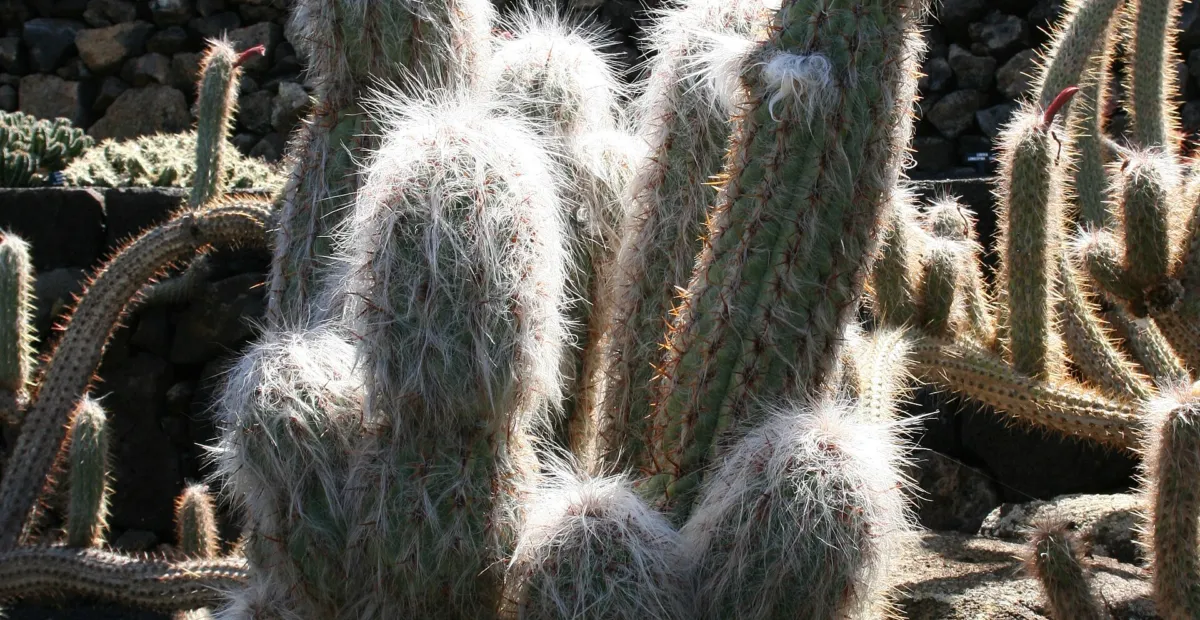
The plant has green, upright, ribbed stems clothed in dense white wool and hair-like spines, especially toward the growing tips. Long brown to yellow-brown spines project through the wool. The combination of columnar ribs, pale covering, and basal branching is characteristic, but wool density varies with age and growing conditions.
Flowering
Mature plants may produce tubular, red to pinkish flowers from the upper portions of the stems. Flowering is most likely after a bright growing season and a cool, dry winter rest; young container plants may not bloom regularly. Flowering reports vary with climate and plant maturity.
Pollination and visitors
Published pollination research documents hummingbird visitation, especially by the Southern Giant Hummingbird, Patagona gigas, and also reports self-compatibility. This does not indicate that the plant is a strong pollinator resource in typical United States gardens, where that hummingbird is absent.
Oreocereus celsianus photos
Click any photo for a larger view. Source, author and license are shown separately.
Diseases and pests
Diseases
Root and stem rot are the principal risks and usually follow overwatering, poor drainage, or cold wet conditions. Use sterile, porous media, let the mix dry substantially between waterings, and remove affected tissue only if rot is localized. Keep winter plants dry and provide air movement.
Pests
Watch for scale insects, mealybugs, and spider mites, especially on stressed greenhouse or indoor plants. Inspect woolly stem surfaces and pot rims regularly. Isolate infested plants, remove light infestations mechanically, and use an appropriate labeled treatment only when necessary; avoid saturating the wool with persistent moisture.
Related diseases and pests
Only Plant Doctor profiles whose host data indicate this plant may be affected are shown here.
 Environmental stressOverwatering
 Environmental stressPoor drainage stress (waterlogging)
 Environmental stressWaterlogging
 PestObscure mealybugPseudococcus viburni
 PestCitrus mealybugPlanococcus citri
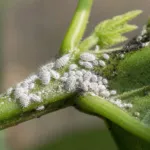 PestCotton mealybugPhenacoccus solenopsis Tinsley
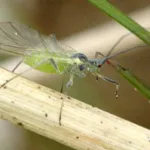 PestGreen Peach AphidMyzus persicae
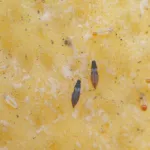 PestGreenhouse thripsHeliothrips haemorrhoidalis
Toxicity and pollen
No authoritative evidence was located establishing species-specific poisoning in humans or domestic pets. The practical hazards are mechanical: sharp spines, glochidia-like irritating plant material, and possible skin or eye injury. Do not allow children or animals to chew the plant, and handle with protective gloves.
- Typical season
- No reliable United States airborne-pollen season was established.
- Pollination / pollen
- Flower pollen; airborne allergy behavior not well documented
Species-specific human allergy data are scarce. The flowers produce pollen, but no reliable evidence was found quantifying airborne exposure or clinical allergenicity in the United States. Avoid treating the wool or spines as pollen; use gloves and eye protection during handling.
Native habitat
It is native to high-elevation Andean regions from Peru through Bolivia to Jujuy in northern Argentina. Plants occur in montane puna environments characterized by strong sun, cool nights, seasonal dryness, and rapid drainage. These conditions explain its need for intense light, mineral soil, and a dry winter period.
Interesting fact
The white covering consists largely of hair-like spines and wool, not true fur. The species comes from high-elevation Andean habitats with intense sunlight and large temperature swings. Its accepted range extends from Peru to Argentina. In cultivation it is often grown as a container specimen because winter wet is more damaging than brief dry cold.
Frequently asked questions (FAQ)
The most relevant questions about this plant, with short and direct answers.
🌱Quick care
What is Oreocereus celsianus commonly called?⌄
Oreocereus celsianus is commonly called Old-man-of-the-Andes. It is a woolly, columnar cactus native to high-elevation regions of Bolivia, Peru, and northern Argentina.
How much light does Old-man-of-the-Andes need?⌄
Give Old-man-of-the-Andes full sun, ideally with several hours of direct light daily. Acclimate it gradually when moving it from indoors or shade to prevent sunburn.
How often should I water Oreocereus celsianus?⌄
Water Oreocereus celsianus thoroughly, then wait until the potting mix is completely dry before watering again. Water less often in winter and keep the plant nearly dry during cold, cloudy, or humid periods.
What soil is best for Old-man-of-the-Andes?⌄
Use a gritty, mineral-rich cactus mix that drains rapidly. Adding pumice, coarse perlite, or coarse sand helps reduce the risk of root rot.
Is Oreocereus celsianus easy to grow indoors?⌄
Oreocereus celsianus can grow indoors near a very bright, sunny window or under a grow light. Its main indoor risks are insufficient light, poor airflow, and watering before the soil dries.
🌤️Environment and placement
Can Old-man-of-the-Andes grow outdoors in the United States?⌄
Old-man-of-the-Andes can grow outdoors in warm, dry parts of the United States, especially where winters are mild and wet-season protection is available. In colder areas, grow it in a container that can be sheltered.
What USDA hardiness zone is suitable for Oreocereus celsianus?⌄
Oreocereus celsianus is often listed for about USDA Zones 8 through 10 when kept dry, but hardiness varies with moisture, wind, and the duration of freezing temperatures. Protect it from prolonged freezing and wet winter conditions.
Can Old-man-of-the-Andes tolerate frost?⌄
Old-man-of-the-Andes tolerates brief, light freezes better than many columnar cacti when completely dry. It should still be protected from prolonged freezing, especially when humidity or wet soil is present.
Does Oreocereus celsianus tolerate extreme summer heat?⌄
Oreocereus celsianus tolerates substantial heat but may struggle when intense heat is combined with stagnant air and harsh reflected sun. Provide strong airflow and consider afternoon protection in extremely hot desert locations.
Why is my Old-man-of-the-Andes losing its white hairs?⌄
Sparse or less-white hair growth usually indicates insufficient light, although individual plants naturally vary in hair density. Provide brighter light gradually and avoid brushing or repeatedly wetting the wool.
Should Old-man-of-the-Andes be grown in a pot or in the ground?⌄
Grow Old-man-of-the-Andes in the ground only where the soil drains sharply and winter protection is practical. A container is safer in regions with cold, wet winters because it can be moved under cover.
💧Care and problems
Why is my Oreocereus celsianus turning soft or brown at the base?⌄
A soft, dark, or collapsing base commonly indicates rot caused by excess moisture or poor drainage. Stop watering, inspect the roots, and remove healthy tissue for propagation if the rot has spread.
Why is my Old-man-of-the-Andes becoming thin or stretched?⌄
A thin, elongated stem usually means the cactus is etiolated from inadequate light. Move it gradually into brighter light, but understand that already-stretched growth will not return to its original shape.
How do I know when to water Oreocereus celsianus?⌄
Water when the mix is dry all the way through and the plant is actively growing. A pot with drainage holes, a dry lower pot weight, and a firm stem are more reliable indicators than a fixed calendar schedule.
Does Old-man-of-the-Andes need fertilizer?⌄
Old-man-of-the-Andes needs little fertilizer, but a diluted cactus fertilizer during spring and summer can support growth. Do not fertilize newly repotted, dormant, stressed, or rotting plants.
What pests attack Oreocereus celsianus?⌄
Scale insects, mealybugs, and spider mites can affect Oreocereus celsianus. Inspect the wool and areoles regularly because pests may hide among the hairs and spines.
How can I clean dust from Old-man-of-the-Andes without damaging it?⌄
Remove loose dust with gentle air or a soft, dry brush used sparingly. Avoid scrubbing the wool or frequently spraying the plant, because moisture trapped in the hair can encourage rot.
Does Oreocereus celsianus need high humidity?⌄
No, Oreocereus celsianus prefers dry conditions and good air circulation. High humidity is most dangerous when combined with cool temperatures, wet soil, or poor drainage.
🪴Planting and repotting
When should I repot Old-man-of-the-Andes?⌄
Repot Old-man-of-the-Andes in spring when roots have filled the container or the mix has broken down. Use a pot only slightly larger than the root system and allow the plant to dry after repotting before watering.
What type of pot is best for Oreocereus celsianus?⌄
Use a pot with a drainage hole and enough weight to support the tall, top-heavy stem. Unglazed clay can help the mix dry faster, while any well-drained container is suitable if watering is carefully controlled.
How deep should I plant Old-man-of-the-Andes?⌄
Plant Old-man-of-the-Andes at the same depth as it was previously growing, with the stem base above the soil line. Burying the stem too deeply can trap moisture and promote rot.
Can Oreocereus celsianus grow in regular potting soil?⌄
Regular potting soil is usually too moisture-retentive for Oreocereus celsianus unless heavily amended with mineral grit. A commercial cactus mix improved with pumice or coarse perlite is safer.
✂️Propagation and pruning
How can I propagate Old-man-of-the-Andes?⌄
Propagate Old-man-of-the-Andes from seeds or healthy stem cuttings. Cuttings must be allowed to form a dry callus before planting in a barely moist, fast-draining medium.
Can Oreocereus celsianus be grown from a cutting?⌄
Yes, Oreocereus celsianus can be grown from a stem cutting taken during warm, dry growing weather. Let the cut end dry thoroughly before placing it in gritty mix, and water sparingly until roots form.
How long does Oreocereus celsianus take to grow from seed?⌄
Oreocereus celsianus grows slowly from seed, so reaching a substantial size can take several years. Keep seedlings warm, bright, and lightly but consistently moist until they are established, then gradually reduce watering.
Does Old-man-of-the-Andes need pruning?⌄
Old-man-of-the-Andes generally does not need routine pruning. Remove only damaged, diseased, or unwanted stems using clean tools and protect yourself from the plant’s spines.
⚠️Toxicity and safety
Is Oreocereus celsianus poisonous to cats or dogs?⌄
Species-specific toxicity information for Oreocereus celsianus is limited, so it should not be treated as confirmed pet-safe. The spines are a clear physical hazard, so keep the plant away from pets and children.
Are the white hairs on Old-man-of-the-Andes soft and safe to touch?⌄
The white hairs may look soft, but they conceal sharp, stout spines that can puncture skin. Handle the plant with thick gloves, tongs, or folded newspaper rather than bare hands.
Can I place Oreocereus celsianus in a child-safe room?⌄
Place Oreocereus celsianus only where children cannot reach or brush against it. Its toxicity is not well established, but its spines can cause painful puncture injuries.
🌸Flowering and special interest
Does Old-man-of-the-Andes flower?⌄
Yes, mature Old-man-of-the-Andes can produce tubular, pale purplish-pink to reddish flowers. Flowering is more likely when the plant receives strong light, a dry winter rest, and adequate warmth during active growth.
When does Oreocereus celsianus bloom?⌄
Oreocereus celsianus generally blooms in spring or summer, depending on growing conditions. Young or light-deprived plants may not flower until they reach greater maturity.
Why is my Old-man-of-the-Andes not flowering?⌄
Lack of direct light, insufficient maturity, excessive winter moisture, or continuous warm indoor conditions can prevent flowering. Provide brighter light, a cool dry rest in winter, and regular but measured summer growth watering.
What do Oreocereus celsianus flowers look like?⌄
The flowers are elongated, tubular blooms that are typically pale purplish-pink to reddish and can be several inches long. They emerge from the upper portions of mature stems.
Similar plants
 Azure Monkshood (Aconitum carmichaelii) care guideAconitum carmichaelii
 Monkshood (Aconitum ‘Stainless Steel’)Aconitum 'Stainless Steel'
 Monkshood (Aconitum ‘Bressingham Spire’)Aconitum 'Bressingham Spire'
 Golden full moon maple (Acer shirasawanum ‘Aureum’)Acer shirasawanum 'Aureum'
 Globosum (Acer platanoides ‘Globosum’)Acer platanoides 'Globosum'
 Striped maple (Acer pensylvanicum) care guideAcer pensylvanicum