
 Source:
 Tricolor (Dracaena marginata ‘Tricolor’) short overview
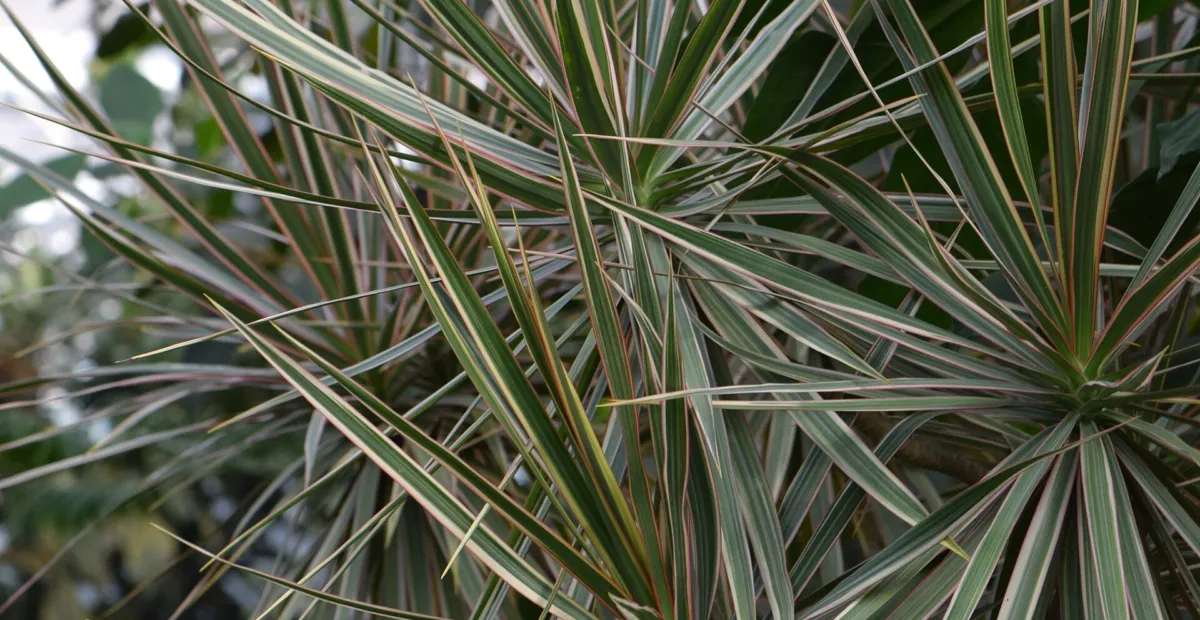
Dracaena marginata 'Tricolor' is an upright, evergreen tropical foliage plant with narrow, straplike leaves marked by green, cream-yellow, and pink-red striping. In the United States it is most often grown indoors, where it tolerates moderate light and occasional drying, or outdoors in a sheltered container during warm weather. Protect it from cold, soggy soil, harsh afternoon sun, and pet access because the plant is harmful if eaten.
Taxonomic classification
Tricolor (Dracaena marginata ‘Tricolor’) care guide
Light and placement
Provide bright, filtered light for the best variegation and compact growth; an east- or west-facing window is usually suitable, while a south-facing window should be filtered or set back several feet. Too little light may cause weak, stretched growth and duller striping. Harsh direct sun, especially after indoor cultivation, can bleach or scorch leaves. Acclimate gradually before increasing sun exposure.
Watering and humidity
Water thoroughly until excess drains from the pot, then wait until the upper portion of the mix has dried before watering again. Reduce frequency in winter or in dim rooms, and never leave the pot standing in water. Brown tips may reflect dry air, salt buildup, inconsistent watering, or root stress; diagnose the whole growing pattern rather than increasing water automatically.
Soil and growing medium
Use a loose, fast-draining houseplant mix amended with perlite, coarse bark, or another aerating material. A slightly acidic to neutral substrate is suitable. The container must have drainage holes; dense, constantly wet soil is the main root-rot risk. Avoid planting in salty or poorly drained soil, especially outdoors.
Feeding
Feed during spring and summer with a complete, balanced liquid houseplant fertilizer diluted to half the label rate about monthly, or use a controlled-release product according to its label. Water the plant first if the mix is dry. Reduce or stop feeding in low-light winter conditions and never fertilize severely stressed, recently repotted, or cold plants.
Growth and habit
This cultivar forms slender woody canes topped by terminal leaf rosettes. Cane pruning can stimulate shoots below the cut and create a fuller, branched appearance. It remains relatively slow-growing indoors, and low light, root stress, or overwatering can produce weak stems and sparse foliage.
Planting and repotting
In USDA Zones 10b–11, plant or place outdoors only after cold weather has passed, using a sheltered, well-drained site. Set the root ball level with the surrounding soil and water thoroughly to settle it. In colder regions, grow it in a container and move it indoors before temperatures approach 50°F.
Repot in spring when roots circle the container, drainage slows, or the plant becomes unstable. Move up only one pot size and retain the upper stem at its original level. Refresh part of the mix rather than disturbing healthy roots unnecessarily. Large specimens can be top-dressed instead of fully repotted.
Propagation and pruning
Propagation
Stem cuttings are the practical method. Take tip or cane sections during active growth, allow fresh cuts to dry briefly, and root them in a warm, lightly moist, well-aerated medium. Keep cuttings in bright indirect light and avoid saturation. Cane sections can produce new shoots, although rooting speed varies with warmth and tissue maturity.
Pruning
Prune in spring or summer by cutting a cane cleanly at the desired height with sterile tools. New shoots can emerge below the cut, while the removed top may be rooted as a cutting. Remove yellow or damaged leaves at their base. Avoid repeatedly shearing only leaf tips, which produces unattractive brown ends.
Overwintering
Move container plants indoors before temperatures fall near 50°F, and keep them away from cold windows, drafts, and heating vents. Provide the brightest available filtered light, water less often, and stop routine feeding during the darkest part of winter. Inspect for pests before bringing the plant inside.
Uses
Primarily used as an indoor accent, office plant, lobby specimen, or warm-season patio container plant. Its narrow, variegated leaves provide color and vertical structure in interiorscapes. It is not an edible plant, and no medicinal use should be assumed. Outdoor landscape use is limited to frost-free or reliably protected climates.
Appearance
The cultivar has narrow, smooth, sword-shaped leaves arranged in terminal rosettes on slender woody canes. Leaves show longitudinal green and cream-yellow bands with pink to red margins, creating a distinctly three-toned appearance. Older plants may branch after pruning, while unpruned stems retain a sparse, sculptural form.
Flowering
Mature plants can occasionally produce branched clusters of small, inconspicuous, pale flowers, but flowering is uncommon in typical indoor cultivation. Reliable cultivar-specific flowering dates and flower measurements are not established. Blooms are ornamental only incidentally and are not the primary value of this plant.
Pollination and visitors
No reliable cultivar-specific record establishes a principal animal pollinator or characteristic visitor group. The rare, inconspicuous flowers of indoor plants are not generally grown for wildlife value.
Dracaena marginata 'Tricolor' photos
Click any photo for a larger view. Source, author and license are shown separately.
Diseases and pests
Diseases
Prevent disease by avoiding waterlogged soil, splashing foliage, and poor air circulation. Root and stem rots are the principal concerns when watering is excessive. Remove declining tissue, improve drainage, and allow the upper soil layer to dry before watering again. Persistent symptoms may require professional diagnosis because several pathogens and cultural problems look similar.
Pests
Watch for mealybugs, scale, and spider mites, especially on stressed or dusty plants. Inspect leaf bases, cane joints, and leaf undersides regularly. Isolate affected plants, wipe small infestations away, and use an appropriately labeled horticultural oil or insecticidal soap when needed. Improve light and watering consistency rather than relying on repeated pesticide use.
Related diseases and pests
Only Plant Doctor profiles whose host data indicate this plant may be affected are shown here.
 PestDracaena ThripsParthenothrips dracaenae
 Environmental stressAlacsony fény okozta stressz
 Environmental stressPoor drainage stress (waterlogging)
 Environmental stressWaterlogging
 PestObscure mealybugPseudococcus viburni
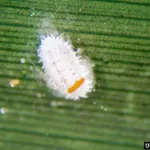 PestCitrus mealybugPlanococcus citri
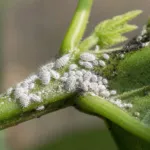 PestCotton mealybugPhenacoccus solenopsis Tinsley
 DiseasePear Decline‘Candidatus Phytoplasma pyri’
Toxicity and pollen
Dracaena tissues contain saponin compounds and are harmful if eaten. In pets, ingestion can cause drooling, vomiting, diarrhea, weakness, appetite loss, depression, and, especially in cats, dilated pupils. Human ingestion may cause mouth or throat irritation, nausea, vomiting, or diarrhea. Keep fallen leaves and prunings away from children and animals; seek medical or veterinary advice after ingestion.
- Pollination / pollen
- Not well documented; flowers are rarely produced indoors
Airborne pollen production and allergy relevance have not been well documented for this cultivar. Because flowering is uncommon indoors, routine pollen exposure is likely limited, but it should not be described as pollen-free. People with unusual plant sensitivities should avoid contact with sap and flowering material and monitor individual reactions.
Native habitat
The backbone species is associated with warm, frost-free environments in Madagascar and is adapted to bright conditions, periodic drying, and well-drained substrates. Cultivated plants perform best when their roots are aerated and temperatures remain stable. The cultivar is not native to the United States.
Interesting fact
The cultivar name refers to its combination of green, cream-yellow, and red-pink foliage tones. Young plants are often single-stemmed but can be induced to branch after cane pruning. The narrow leaves and woody canes give it a strongly architectural silhouette despite its slow growth.
Frequently asked questions (FAQ)
The most relevant questions about this plant, with short and direct answers.
🌱Quick care
What is Dracaena marginata 'Tricolor'?⌄
Dracaena marginata 'Tricolor' is a variegated dragon tree with green leaves marked by creamy stripes and pink to red margins. It is commonly grown as an indoor foliage plant in the United States.
How much light does Dracaena marginata 'Tricolor' need?⌄
Give Dracaena marginata 'Tricolor' bright filtered light or partial shade. It tolerates lower light, but its variegation and growth may become less pronounced.
How often should I water Dracaena marginata 'Tricolor'?⌄
Water when the upper portion of the potting mix has partially dried, then drain excess water thoroughly. Water less often in winter or in low light, when the soil dries more slowly.
What is the best soil for Dracaena marginata 'Tricolor'?⌄
Use a loose, fast-draining houseplant mix in a pot with drainage holes. A mix amended with perlite or another aerating material helps reduce the risk of waterlogged roots.
Is Dracaena marginata 'Tricolor' easy to care for?⌄
Yes, Dracaena marginata 'Tricolor' is generally an easy-care houseplant when it receives bright filtered light and is not overwatered. Its main recurring problems are root stress, brown leaf tips, and common indoor pests.
🌤️Environment and placement
Can Dracaena marginata 'Tricolor' grow in low light?⌄
Dracaena marginata 'Tricolor' can survive in low light, but bright filtered light is better for maintaining its cream and pink coloration. Avoid moving it suddenly from low light into strong direct sun.
Can Dracaena marginata 'Tricolor' tolerate direct sunlight?⌄
It can tolerate some gentle direct sunlight, especially in the morning, but intense afternoon sun may scorch the narrow leaves. Filter bright windows with a sheer curtain or place the plant slightly back from the glass.
Where should I place Dracaena marginata 'Tricolor' indoors?⌄
Place it near an east- or bright north-facing window, or a few feet from a brighter south- or west-facing window. Keep it away from heating vents, air-conditioning drafts, and cold glass.
What temperature is best for Dracaena marginata 'Tricolor'?⌄
Keep Dracaena marginata 'Tricolor' in normal indoor temperatures and protect it below 50°F. Cold drafts, frost, and sudden temperature changes can damage the foliage.
Can Dracaena marginata 'Tricolor' be grown outdoors?⌄
It can be grown outdoors year-round only in warm, frost-free parts of the United States, generally USDA Zones 10B–11. In colder areas, grow it in a container and bring it indoors before temperatures fall below 50°F.
Does Dracaena marginata 'Tricolor' need high humidity?⌄
Dracaena marginata 'Tricolor' usually adapts to average household humidity. Increase humidity if leaf tips repeatedly turn brown, but do not compensate for poor drainage or excessive watering.
💧Care and problems
Why are the leaves of my Dracaena marginata 'Tricolor' turning brown?⌄
Brown leaf tips are commonly caused by inconsistent watering, dry indoor air, excess fertilizer salts, or mineral-heavy tap water. Keep watering even but moderate, flush accumulated salts occasionally, and trim only the damaged portions.
Why is my Dracaena marginata 'Tricolor' dropping leaves?⌄
Leaf drop can follow overwatering, sudden relocation, cold exposure, low light, or severe drying. Correct the environmental stress gradually and inspect the stems and roots for signs of rot or pests.
Why is my Dracaena marginata 'Tricolor' losing its variegation?⌄
Insufficient light can make the cream and pink markings less noticeable and encourage greener new growth. Move the plant gradually to brighter filtered light, avoiding sudden exposure to intense sun.
How do I fix brown tips on Dracaena marginata 'Tricolor'?⌄
Correct the underlying stress by checking moisture, drainage, humidity, fertilizer buildup, and water quality. Brown tissue will not turn green again, so use clean scissors to shape the damaged tips if desired.
What pests attack Dracaena marginata 'Tricolor'?⌄
Spider mites, scale, and mealybugs can infest Dracaena marginata 'Tricolor', especially indoors under dry or stressful conditions. Isolate affected plants and treat the pests promptly with a houseplant-appropriate method.
How should I fertilize Dracaena marginata 'Tricolor'?⌄
Feed lightly during active spring and summer growth with a balanced houseplant fertilizer diluted according to its label. Avoid fertilizing dry, recently repotted, dormant, or visibly stressed plants.
How fast does Dracaena marginata 'Tricolor' grow?⌄
Dracaena marginata 'Tricolor' is generally slow to moderate growing indoors. Growth is fastest with adequate filtered light, warm temperatures, and careful watering, while low light and winter conditions slow it substantially.
🪴Planting and repotting
When should I repot Dracaena marginata 'Tricolor'?⌄
Repot it when roots circle densely, emerge from drainage holes, or the plant dries unusually quickly. Spring or early summer is usually the least stressful time, and the new pot should be only slightly larger.
What type of pot does Dracaena marginata 'Tricolor' need?⌄
Use a pot with drainage holes that is stable enough to support the plant’s tall canes. Choose a container only one size larger than the current root ball to avoid excess wet soil.
How do I plant Dracaena marginata 'Tricolor' in a container?⌄
Set the root ball at the same depth as before in a loose, fast-draining mix, then water thoroughly and let the excess drain away. Do not bury the canes deeper than their original soil line.
Can Dracaena marginata 'Tricolor' grow in garden soil?⌄
It can grow outdoors in warm, frost-free regions if the soil drains rapidly, but heavy or persistently wet garden soil is unsuitable. Container culture is safer in most of the United States because the plant is cold-sensitive.
✂️Propagation and pruning
How do I propagate Dracaena marginata 'Tricolor'?⌄
Propagate it from stem cuttings or cane sections placed in moist, well-draining medium. Keep the cuttings warm in bright filtered light and water sparingly until roots and new growth develop.
Can Dracaena marginata 'Tricolor' be propagated from a leaf?⌄
A single leaf generally cannot produce a complete new Dracaena marginata 'Tricolor' plant. Use a stem or cane section that contains viable nodes instead.
Can I grow Dracaena marginata 'Tricolor' from cuttings in water?⌄
Stem cuttings can be rooted in water, although transferring them later to potting mix may require care. Keep the water clean, provide bright filtered light, and pot the cutting once roots are established.
How do I prune a leggy Dracaena marginata 'Tricolor'?⌄
Cut a tall cane at the desired height with clean, sharp pruners; new shoots can emerge below the cut. The removed cane can often be divided into sections for propagation.
How do I make Dracaena marginata 'Tricolor' branch?⌄
Prune a cane above a node to encourage new shoots below the cut. Keep the plant warm with suitable light afterward, but understand that branching is gradual and not guaranteed from every cut.
⚠️Toxicity and safety
Is Dracaena marginata 'Tricolor' toxic to cats and dogs?⌄
Yes, Dracaena marginata 'Tricolor' is harmful if eaten because its tissues contain saponins. Ingestion can cause signs such as vomiting, drooling, reduced appetite, or lethargy, so contact a veterinarian or poison-control service if a pet chews it.
Is Dracaena marginata 'Tricolor' poisonous to people?⌄
Its saponin-containing tissues can be harmful if eaten, particularly for children. Keep the plant out of reach and seek medical guidance if someone ingests part of it or develops symptoms.
Is Dracaena marginata 'Tricolor' safe to keep around pets?⌄
It is safest to keep Dracaena marginata 'Tricolor' where cats, dogs, and other pets cannot chew it. Fallen leaves and pruned pieces should also be removed promptly.
🌸Flowering and special interest
Does Dracaena marginata 'Tricolor' flower indoors?⌄
It can produce small, fragrant, greenish-white flower clusters, but flowering is uncommon indoors. Mature plants grown under favorable conditions are more likely to bloom than young houseplants.
How old does Dracaena marginata 'Tricolor' have to be to flower?⌄
There is no dependable indoor flowering age for Dracaena marginata 'Tricolor'. Blooming appears to depend more on maturity and growing conditions than on a fixed number of years.
Similar plants
 Yellow lantern chili (Capsicum chinense) care guideCapsicum chinense
 Capsicum baccatum care guideCapsicum baccatum
 Serrano (Capsicum annuum ‘Serrano’)Capsicum annuum 'Serrano'
 Purple Beauty (Capsicum annuum ‘Purple Beauty’)Capsicum annuum 'Purple Beauty'
 Numex Twilight (Capsicum annuum ‘Numex Twilight’)Capsicum annuum 'Numex Twilight'
 Explosive Ember Chili Pepper (Capsicum annuum ‘Explosive Ember’)Capsicum annuum 'Explosive Ember'