
 Source:
 Bicolor (Dracaena marginata ‘Bicolor’) short overview
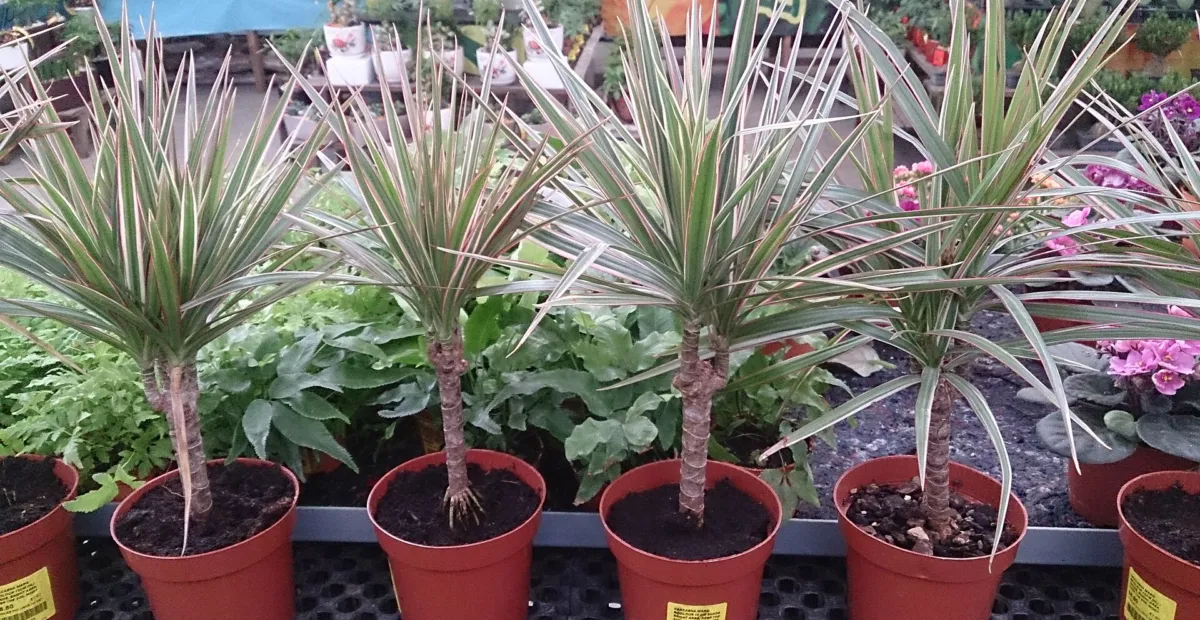
Dracaena marginata 'Bicolor' is an upright, slow-growing tropical foliage plant valued for its narrow green leaves edged with red, pink, or pale tones. In the United States it is usually grown indoors or moved outdoors only during warm weather. Place it in bright filtered light, use a fast-draining potting mix, and let the upper layer dry before watering again. Protect it from cold, soggy soil, and fluoride-related leaf-tip damage.
Taxonomic classification
Bicolor (Dracaena marginata ‘Bicolor’) care guide
Light and placement
Provide bright filtered light, especially near an east- or west-facing window with a sheer curtain. A few hours of gentle morning sun can be suitable, but intense afternoon sun through glass may scorch leaves. Too little light can slow growth, weaken the crown, and reduce color contrast; excessive direct light can bleach or crisp leaf margins. Rotate the pot for even development.
Watering and humidity
Water thoroughly until excess drains from the pot, then empty the saucer. Wait until the upper 1–2 inches of mix feels dry before watering again; do not keep the root ball constantly wet. Reduce frequency in fall and winter or whenever light and growth decline. Use low-fluoride water when practical and flush the mix periodically to limit salt buildup.
Soil and growing medium
Use a loose, well-drained indoor potting mix containing peat or coir with perlite, pine bark, or another aerating amendment. Avoid dense, waterlogged media. A mildly acidic to neutral mix is suitable; commercial production guidance commonly uses a pH around 6.0–6.5. Dracaena can be sensitive to fluoride and soluble-salt buildup, so occasional leaching and low-fluoride water can reduce tip damage.
Feeding
Feed during spring and summer, and optionally early fall, with a balanced houseplant fertilizer diluted to half the label strength. Fertilize only when the plant is actively growing and the potting mix is already slightly moist. Reduce or stop feeding in low-light winter conditions. Periodically flush the container to limit fertilizer-salt accumulation.
Growth and habit
The plant develops slender woody canes with leafy crowns and remains manageable for many years indoors. Young plants are often single-stemmed, while established or pruned canes may branch. Slow growth makes it useful in interiors, but top-heavy specimens may need a stable, weighted container.
Planting and repotting
In the United States, plant outdoors only after frost danger has passed in warm climates, and treat it as a seasonal container plant elsewhere. Set the root ball level with the surrounding soil or potting mix; do not bury the cane. Leave enough room for the upright canopy and ensure rapid drainage. Acclimate outdoor plants gradually to brighter light.
Repot in spring when roots fill the container or growth and drainage slow. Move up only one pot size, keep the cane at its original depth, and use a container with drainage holes. Allow freshly repotted plants to settle before resuming regular feeding.
Propagation and pruning
Propagation
Propagate from tip cuttings, cane sections, or air layers. Take cuttings during active growth, allow cut ends to dry briefly, and root them in a warm, lightly moist, airy medium. Cane sections are useful for producing multiple shoots; bright indirect light and bottom warmth improve consistency.
Pruning
Remove yellowing or damaged leaves at the base with clean tools. To reduce height or encourage branching, cut a cane just above a node; new shoots can emerge below the cut. Make cuts cleanly and avoid removing too much foliage at once. Keep cut surfaces dry and monitor new growth.
Overwintering
Bring outdoor containers indoors before temperatures approach 50°F, and definitely before frost. Place the plant in bright filtered light, reduce watering as growth slows, and keep it away from cold windows and heating vents. Inspect for mites or scale before moving it indoors and acclimate gradually to indoor conditions.
Uses
Primarily used as an indoor foliage accent, office plant, lobby specimen, or seasonal patio container in frost-free areas. Its upright form suits narrow spaces and mixed interiorscape plantings. It has no established culinary or medicinal use, and all plant parts should be kept away from pets and children because ingestion can be harmful.
Appearance
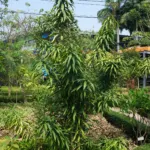
This cultivar has upright woody canes topped by tufts of long, narrow, pointed leaves. The foliage is predominantly green with contrasting red or pink edging and may show pale longitudinal striping, giving the crown a two-tone appearance. Lower leaves naturally drop as canes age, leaving a clean, sculptural stem. Cane branching can be encouraged by cutting back the stem.
Flowering
Mature Dracaena marginata plants can produce branched clusters of small greenish-white flowers, but flowering is uncommon indoors and is not a dependable ornamental feature. Cultivar-specific flowering timing for 'Bicolor' in the United States is not well documented.
Pollination and visitors
No reliable evidence was found for a characteristic animal pollinator or visitor specifically associated with the 'Bicolor' cultivar. Indoor plants rarely flower, so they generally provide no meaningful pollinator resource in ordinary household culture.
Diseases and pests
Diseases
Usually trouble-free when grown in airy, well-drained media. Root rot is associated with persistent overwatering. Leaf-spot symptoms can worsen with wet foliage, poor air circulation, or stressed plants; remove affected leaves, improve ventilation, and correct watering rather than using routine fungicides.
Pests
Watch for spider mites, scale insects, thrips, and mealybugs, especially in dry indoor air. Inspect leaf axils and cane joints, isolate affected plants, wipe or wash pests away, and use an appropriately labeled treatment if needed. Avoid chronic overwatering, which weakens roots and foliage.
Toxicity and pollen
Dracaena tissues contain saponins and are potentially harmful if chewed or swallowed. Pet ingestion may cause vomiting, drooling, appetite loss, depression, and dilated pupils in cats. Keep the plant away from dogs, cats, and children who may chew leaves; seek medical or veterinary advice after ingestion.
- Pollination / pollen
- Pollen produced in small flower clusters; airborne relevance not established
This is a flowering seed plant, so it produces pollen when it flowers, but reliable data on airborne pollen quantity and allergenicity for this cultivar are lacking. Indoor flowering is uncommon; avoid claiming zero allergy risk. Remove spent flower clusters if they occur and maintain ordinary indoor ventilation.
Native habitat
The backbone species is associated with warm, seasonally dry habitats of Madagascar and nearby western Indian Ocean regions. It is adapted to bright filtered light, periodic drying, and well-drained soils rather than persistent wetness or frost. The cultivar itself is horticultural and does not represent a documented wild population.
Interesting fact
The cultivar is commonly produced as a cane plant with one or more leafy heads. Pruning a cane can stimulate branching below the cut. Leaf-tip browning may result from fluoride, salts, dry conditions, or inconsistent watering rather than from a single cause. The plant’s narrow leaves and bare lower canes create a palm-like silhouette without being a palm.
Frequently asked questions (FAQ)
The most relevant questions about this plant, with short and direct answers.
🌱Quick care
How do you care for Dracaena marginata 'Bicolor' indoors?⌄
Give Dracaena marginata 'Bicolor' bright filtered light, water when the upper 1–2 inches of potting mix dry, and use a porous, well-drained mix. Keep it warm and protect it from temperatures below 50°F.
Is Dracaena marginata 'Bicolor' easy to grow?⌄
Yes, Dracaena marginata 'Bicolor' is generally an easy-care houseplant because it tolerates lower light and short periods of dryness. It is more likely to decline from overwatering, poor drainage, or cold exposure than from occasional missed watering.
How often should I water Dracaena marginata 'Bicolor'?⌄
Water when the upper 1–2 inches of mix feel dry, then soak the soil thoroughly until excess water drains from the pot. The interval varies with light, temperature, pot size, and season, so soil dryness is more reliable than a fixed schedule.
🌤️Environment and placement
What light does Dracaena marginata 'Bicolor' need?⌄
Bright filtered or indirect light is best for Dracaena marginata 'Bicolor', although it tolerates lower-light rooms. Avoid abruptly placing it in intense direct sun, which can scorch the narrow leaves.
Can Dracaena marginata 'Bicolor' grow in low light?⌄
Yes, it can survive in lower light, but growth may become slower and the plant may look less full. Place it near a bright window with filtered light when possible, especially to help maintain its contrasting leaf margins.
Can Dracaena marginata 'Bicolor' tolerate direct sunlight?⌄
It can tolerate some gentle direct sunlight, particularly in the morning, but strong unfiltered afternoon sun may scorch the foliage. Acclimate it gradually and use a sheer curtain or move it farther from the glass if leaves bleach or develop dry patches.
What temperature is best for Dracaena marginata 'Bicolor'?⌄
Keep Dracaena marginata 'Bicolor' in a warm indoor location, ideally around 65–80°F. Protect it from cold drafts, frost, and temperatures below 50°F, including during transport home from a store.
Can Dracaena marginata 'Bicolor' live outdoors in the United States?⌄
It can grow outdoors year-round only in warm, frost-free parts of the United States, such as suitable areas of USDA Zones 10–11. In cooler regions, grow it in a container and bring it indoors before temperatures approach 50°F.
Does Dracaena marginata 'Bicolor' need high humidity?⌄
No, high humidity is not essential for Dracaena marginata 'Bicolor', which usually adapts to typical indoor conditions. Keep it away from very dry heat vents and improve airflow rather than keeping the foliage constantly wet.
💧Care and problems
Why are the leaf tips of my Dracaena marginata 'Bicolor' turning brown?⌄
Brown tips can result from inconsistent watering, dry indoor air, salt buildup, or sensitivity to fluoride and other dissolved minerals in water. Keep moisture more even, flush the pot occasionally, and try filtered or rainwater if the problem persists.
Why are the leaves on my Dracaena marginata 'Bicolor' turning yellow?⌄
Yellow leaves most often indicate excess moisture, poor drainage, aging lower foliage, or insufficient light. Check that the pot drains freely and let the upper 1–2 inches of mix dry before watering again.
Why is my Dracaena marginata 'Bicolor' losing leaves?⌄
Some lower leaf loss is normal as Dracaena marginata 'Bicolor' grows and exposes its stems. Sudden or widespread drop can indicate overwatering, cold drafts, inadequate light, or a recent change in location.
How can I tell if Dracaena marginata 'Bicolor' is overwatered?⌄
Common signs of overwatering include persistently wet soil, yellowing leaves, a soft or declining stem, and an unpleasant odor from the pot. Move the plant into a draining mix and correct the watering interval before root damage becomes severe.
How can I tell if Dracaena marginata 'Bicolor' is underwatered?⌄
Underwatered plants may have dry potting mix, curling or limp leaves, brown edges, and foliage that drops after prolonged dryness. Water thoroughly when the upper 1–2 inches dry, but do not leave the root ball repeatedly bone-dry for long periods.
Should I fertilize Dracaena marginata 'Bicolor'?⌄
Yes, fertilize lightly during active spring and summer growth with a balanced houseplant fertilizer diluted according to its label. Avoid heavy feeding, and reduce or stop fertilizer when growth slows in fall and winter.
Does Dracaena marginata 'Bicolor' need distilled or filtered water?⌄
It can often grow with tap water, but filtered, distilled, or rainwater may help when brown tips or mineral buildup are persistent. Dracaenas can be sensitive to fluoride and accumulated salts, especially when tap water is hard or heavily treated.
What pests commonly affect Dracaena marginata 'Bicolor'?⌄
Spider mites, mealybugs, scale, and thrips can infest Dracaena marginata 'Bicolor', particularly in dry indoor conditions. Inspect leaf undersides and stems regularly, isolate affected plants, and treat early with a suitable houseplant pest control method.
🪴Planting and repotting
What soil is best for Dracaena marginata 'Bicolor'?⌄
Use a loamy, porous, well-drained indoor potting mix that holds some moisture without staying soggy. A quality houseplant mix amended with bark, perlite, or another aerating material is usually suitable.
What type of pot does Dracaena marginata 'Bicolor' need?⌄
Choose a pot with drainage holes and only slightly more room than the current root ball. A heavy container can help support its tall, cane-like growth, while a pot that is too large may retain excess moisture.
When should I repot Dracaena marginata 'Bicolor'?⌄
Repot when roots circle densely, emerge from drainage holes, or the plant dries out unusually quickly. Spring is the least stressful time, but a severely waterlogged or root-bound plant may need attention sooner.
How often should I repot Dracaena marginata 'Bicolor'?⌄
Repotting every two to three years is often sufficient, because Dracaena marginata 'Bicolor' is relatively slow-growing. Replace or refresh the mix sooner if it has compacted, accumulated salts, or drains poorly.
✂️Propagation and pruning
How do you propagate Dracaena marginata 'Bicolor'?⌄
Propagate it from tip cuttings or sections of cane placed in lightly moist, well-drained propagation medium. Keep the cuttings warm in bright filtered light and maintain gentle moisture without waterlogging the medium.
Can you propagate Dracaena marginata 'Bicolor' in water?⌄
Yes, tip cuttings can form roots in water, although soil propagation is also effective. Change the water regularly, transplant once roots are established, and avoid leaving the cutting submerged indefinitely.
Can you cut back a tall Dracaena marginata 'Bicolor'?⌄
Yes, cut back a tall cane at the desired height with clean, sharp pruners. New shoots can develop below the cut, and the removed top can potentially be rooted as a cutting.
How do I prune Dracaena marginata 'Bicolor' to make it bushier?⌄
Prune one or more canes above a healthy node or leaf cluster to encourage branching below the cut. Bright filtered light and proper watering support new growth, but branching may take time because this plant grows slowly.
⚠️Toxicity and safety
Is Dracaena marginata 'Bicolor' toxic to cats and dogs?⌄
Yes, Dracaena marginata 'Bicolor' should be considered potentially harmful if eaten by cats and dogs. Ingestion may cause signs such as vomiting, drooling, appetite loss, depression, or dilated pupils, so contact a veterinarian or pet poison service if ingestion occurs.
Is Dracaena marginata 'Bicolor' poisonous to people?⌄
It can be irritating or harmful if eaten by people, especially children, because the plant contains compounds that may cause gastrointestinal symptoms. Keep it out of reach, and seek medical or poison-control advice after ingestion or significant contact.
Can I keep Dracaena marginata 'Bicolor' in a home with pets?⌄
You can keep it in a pet household only where cats, dogs, and other animals cannot chew the leaves or fallen pieces. An inaccessible location is important because the plant is potentially toxic when eaten.
🌸Flowering and special interest
Does Dracaena marginata 'Bicolor' flower indoors?⌄
Flowering indoors is uncommon, although mature plants may occasionally produce small, fragrant flower clusters under favorable conditions. Lack of flowers is normal and does not usually indicate a care problem.
Similar plants
 Song of India (Dracaena reflexa ‘Song of India’)Dracaena reflexa 'Song of India'
 Colorama Madagascar dragon tree (Dracaena marginata ‘Colorama’)Dracaena marginata 'Colorama'
 Dracaena marginata care guideDracaena marginata
 Tricolor (Dracaena marginata ‘Tricolor’)Dracaena marginata 'Tricolor'
 Dracaena reflexa care guideDracaena reflexa
 Dragon-tree (Dracaena draco) care guideDracaena draco