
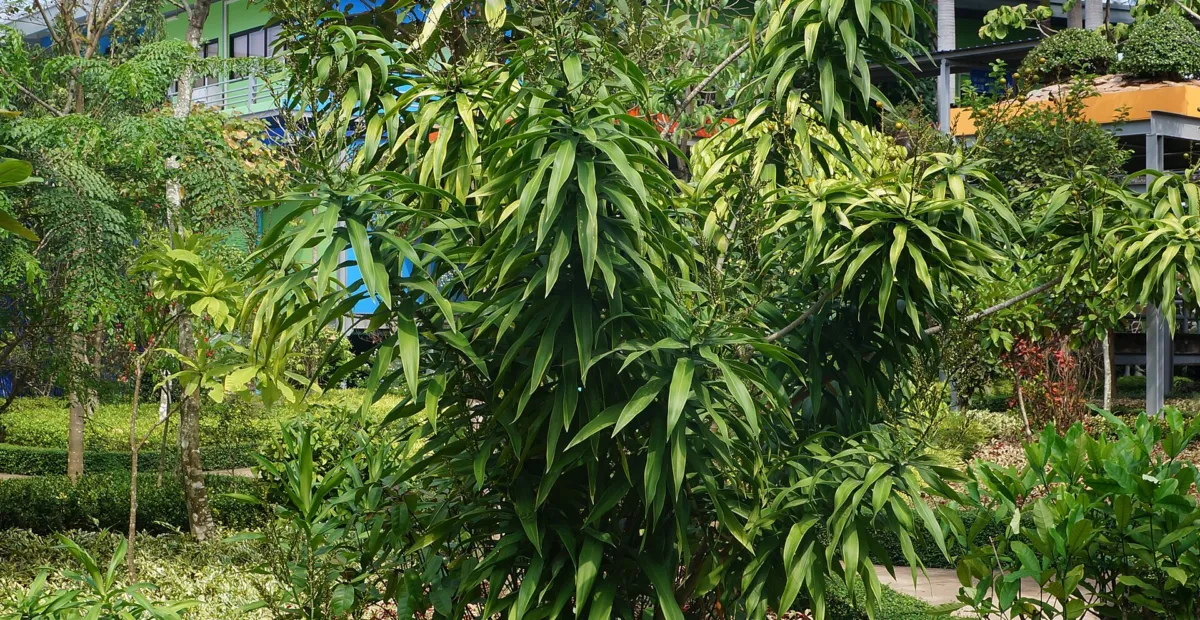
 Source:
 Dracaena reflexa short overview
Dracaena reflexa is an evergreen tropical shrub or small tree grown in the United States mainly as a houseplant or protected landscape accent. It forms upright, branching stems with glossy, dark green, reflexed leaves and grows best in bright indirect light, warm temperatures, moderate watering, and sharply drained soil. Small fragrant white flowers are uncommon indoors. Keep it away from pets because its saponins are toxic if chewed.
Taxonomic classification
Dracaena reflexa care guide
Light and placement
Provide bright, filtered light near an east- or west-facing window, or a few feet back from a bright south-facing window. Gentle morning sun is usually acceptable, while harsh afternoon sun can scorch or fade leaves. Too little light causes sparse, weak growth and darker, smaller foliage; excessive direct light can produce bleached patches and brown scorch.
Watering and humidity
Water thoroughly when the upper 1–2 inches of mix feel dry, then let excess drain completely. Reduce watering in winter and in dim rooms, but do not allow the root ball to remain bone-dry for long periods. Use room-temperature, low-mineral water when possible because fluoride and salts may contribute to leaf-tip burn. Maintain airflow and avoid repeatedly wetting the foliage.
Soil and growing medium
Use a loose, well-drained potting mix containing peat or coco coir with perlite, pumice, or coarse sand. The plant tolerates loam, sand, clay, and a broad pH range, but stagnant wet soil is the main risk. A slightly acidic to neutral mix is a practical indoor target.
Feeding
Feed monthly from spring through summer with a balanced liquid houseplant fertilizer diluted to label strength or weaker. Apply only to already-moist soil. Reduce or stop feeding in winter or during low-light stress, and periodically flush the pot with plain water to limit salt buildup.
Growth and habit
This slow-growing dracaena develops one or several woody stems and may branch with age. It naturally forms an upright to bushy, somewhat irregular structure. Pruning the stem encourages branching below the cut; rotate containers periodically to maintain balanced growth and support the plant if a tall stem becomes top-heavy.
Planting and repotting
Plant outdoors only in frost-free, protected locations, preferably in spring or during warm weather. Set the root ball level with the surrounding soil and space landscape specimens about 3 to 5 feet apart, allowing room for branching stems. Water consistently during establishment, then reduce frequency once well rooted.
Repot in spring when roots circle the container or drainage slows. Move up only one pot size and use a container with drainage holes. Refresh compacted mix without burying the trunk deeper than it was previously planted.
Propagation and pruning
Propagation
Propagate most reliably from stem cuttings in spring or summer. Allow fresh cuts to callus briefly, insert them into a sterile, lightly moist, well-drained medium, and keep them warm in bright indirect light until roots form. Avoid excessive moisture during rooting.
Pruning
Prune in spring or summer to control height, remove damaged foliage, or encourage branching. Make clean cuts through stems just above a node or desired branching point. Cut sections can be reused as propagation material. Remove yellow or diseased leaves at their base without stripping healthy foliage unnecessarily.
Overwintering
Bring outdoor plants indoors before temperatures fall below about 50°F, and protect them from drafts, radiators, and cold windows. Keep winter watering lighter in reduced light. Inspect closely for mites, scale, and mealybugs before moving the plant indoors.
Uses
Used primarily as an ornamental foliage plant in homes, offices, conservatories, containers, patios, and frost-free tropical landscapes. Its architectural stems and evergreen leaves suit specimen, accent, border, and interiorscape planting. It is not recommended as a food or medicinal plant for household use.
Appearance
The species has narrow gray to gray-brown woody stems, often branching or forming multiple trunks, with spirally or alternately arranged lanceolate leaves. Leaves are glossy, entire-margined, sword-shaped, and characteristically reflexed or arching. Mature bark becomes more textured. Green-leaved plants represent the species; strongly striped forms are usually cultivated selections or varieties.
Flowering
Mature plants can produce small, fragrant white flowers in summer, followed by inconspicuous berry-like fruits. Flowering is uncommon on indoor specimens and is more likely under warm, bright, spacious growing conditions.
Pollination and visitors
The small fragrant flowers may receive visits from insects in outdoor tropical settings, but reliable species-level pollinator documentation is limited. Indoor plants rarely flower, so they have little practical pollinator value in the home.
Dracaena reflexa photos
Click any photo for a larger view. Source, author and license are shown separately.
Diseases and pests
Diseases
Overwatering and poor drainage can cause root rot. Leaf spot may develop when foliage stays wet or air circulation is poor. Prevent problems with a porous mix, careful watering at the soil line, good airflow, and removal of badly affected tissue.
Pests
Watch for spider mites, mealybugs, scale, and thrips, especially in dry indoor air. Inspect leaf axils and stem joints regularly. Isolate affected plants, wipe small infestations away, and use insecticidal soap or horticultural oil according to the label. Avoid stressing the plant with persistent drought or waterlogging.
Related diseases and pests
Only Plant Doctor profiles whose host data indicate this plant may be affected are shown here.
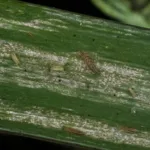 PestDracaena ThripsParthenothrips dracaenae
 Environmental stressAlacsony fény okozta stressz
 Environmental stressOverwatering
 DiseaseAlternaria leaf spot and fruit rotAlternaria alternata
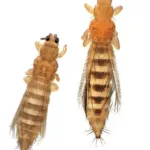 PestOnion thripsThrips tabaci Lindeman
 PestMelon thripsThrips palmi Karny
 PestChilli thripsScirtothrips dorsalis Hood
 PestObscure mealybugPseudococcus viburni
Toxicity and pollen
ASPCA lists Dracaena reflexa as toxic to dogs and cats because of saponins. Chewing or ingestion may cause drooling, vomiting, reduced appetite, depression, weakness, stomach upset, or dilated pupils in cats. Keep leaves, sap, and fallen plant material away from pets and seek veterinary advice after ingestion. Human exposure is generally a low-severity ingestion concern, but plant material should not be eaten.
- Typical season
- Usually summer when flowering occurs; indoor exposure is uncommon
- Pollination / pollen
- Limited airborne release from insect-visited flowers
This is an insect-pollinated flowering plant, and indoor specimens rarely bloom. No strong evidence supports a high airborne-pollen burden in typical homes, but flowering plants should not automatically be considered allergy-free. Remove spent flower clusters if desired and avoid placing a flowering specimen directly beside sensitive individuals.
Native habitat
Native populations occur across wet tropical habitats of Madagascar, Mauritius, Réunion, Seychelles, Comoros, Aldabra, Chagos, and northeastern Mozambique. It grows in warm, humid climates and is associated with well-drained soils. In the United States, it is generally treated as an indoor or protected tropical plant.
Interesting fact
The species has been placed in several historical genera, including Pleomele and Cordyline. Its accepted native range spans Madagascar, Mauritius, Réunion, Seychelles, Comoros, Aldabra, Chagos, and northeastern Mozambique. Mature plants develop more textured gray bark, while young stems are smoother. The species includes multiple accepted varieties, some of which are important ornamental plants.
Frequently asked questions (FAQ)
The most relevant questions about this plant, with short and direct answers.
🌱Quick care
Is Dracaena reflexa easy to grow indoors?⌄
Yes, Dracaena reflexa is generally easy to grow indoors when given bright filtered light, moderate watering, warmth, and well-drained soil. It grows slowly and tolerates ordinary indoor conditions better than many tropical plants.
How much light does Dracaena reflexa need?⌄
Dracaena reflexa grows best in bright, filtered or indirect light, although it tolerates partial shade. Protect it from intense direct afternoon sun, which can scorch the leaves.
How often should I water Dracaena reflexa?⌄
Water Dracaena reflexa when the upper portion of the potting mix has partially dried, then drain excess water thoroughly. Water less often in winter, lower light, or cooler conditions.
What is the best soil for Dracaena reflexa?⌄
Use a well-drained, moisture-retentive loam or quality houseplant mix for Dracaena reflexa. Adding perlite or another drainage amendment can help prevent waterlogged roots.
What temperature is best for Dracaena reflexa?⌄
Dracaena reflexa prefers warm indoor temperatures, roughly 65–75°F, and should be protected from cold drafts and sudden temperature changes. It is frost tender and should be protected below about 35°F.
🌤️Environment and placement
Can Dracaena reflexa grow in low light?⌄
Dracaena reflexa can survive in lower light, but growth will be slower and variegated forms may lose some color. Bright indirect light is better for dense, healthy growth.
Can Dracaena reflexa grow outside in the United States?⌄
Dracaena reflexa can grow outdoors year-round only in warm, frost-free areas comparable to USDA Zones 11–12. In colder parts of the United States, grow it in a container and bring it indoors before temperatures approach 35°F.
Can Dracaena reflexa tolerate direct sunlight?⌄
Dracaena reflexa can tolerate some gentle morning or filtered sunlight, but strong direct sun may bleach or scorch the foliage. Acclimate it gradually if moving it from shade to brighter conditions.
Does Dracaena reflexa need high humidity?⌄
Dracaena reflexa appreciates moderate to high humidity but usually adapts to average household humidity. Increase humidity if leaf edges become crisp, especially during dry winter heating.
Where should I place Dracaena reflexa indoors?⌄
Place Dracaena reflexa near a bright window with filtered light, away from heating vents, air-conditioning outlets, and cold drafts. An east- or bright north-facing window is often suitable, while strong south- or west-facing sun may need a sheer curtain.
💧Care and problems
Why are Dracaena reflexa leaves turning yellow?⌄
Yellow leaves on Dracaena reflexa are commonly associated with excess moisture, poor drainage, aging lower leaves, or stress from changing conditions. Check that the pot drains freely and allow the mix to partially dry before watering again.
Why are the tips of my Dracaena reflexa turning brown?⌄
Brown leaf tips may result from dry air, inconsistent watering, salt or fluoride buildup, or excessive fertilizer. Use filtered or rainwater when practical, flush accumulated salts from the soil occasionally, and keep watering consistent.
Why is my Dracaena reflexa losing leaves?⌄
Dracaena reflexa may lose leaves after relocation, sudden light or temperature changes, chronic overwatering, or underwatering. Correct the growing conditions gradually and inspect the roots if the soil remains wet or the stem becomes soft.
How do I prevent root rot in Dracaena reflexa?⌄
Prevent root rot by using a drainage hole, an airy potting mix, and moderate watering rather than keeping the soil constantly wet. If roots are brown and mushy, remove the damaged portions and repot in fresh, well-drained mix.
What pests attack Dracaena reflexa?⌄
Common pests of Dracaena reflexa include spider mites, mealybugs, scale, and thrips. Inspect leaf undersides and stem joints regularly, isolate affected plants, and treat infestations promptly with an appropriate houseplant pest control method.
Should I use tap water for Dracaena reflexa?⌄
Dracaena reflexa may be sensitive to fluoride, chlorine, and mineral salts in some tap water, which can contribute to brown tips. If problems persist, use filtered, distilled, or rainwater and periodically flush the potting mix.
How often should I fertilize Dracaena reflexa?⌄
Fertilize Dracaena reflexa lightly about monthly during active spring and summer growth with a balanced liquid houseplant fertilizer. Avoid heavy feeding in winter or when the plant is stressed, recently repotted, or sitting in dry soil.
🪴Planting and repotting
When should I repot Dracaena reflexa?⌄
Repot Dracaena reflexa when roots circle densely, emerge from the drainage holes, or the potting mix has degraded and drains poorly. Spring or early summer is usually the least stressful time to repot.
What size pot does Dracaena reflexa need?⌄
Choose a pot only modestly larger than the current root ball, usually about 1–2 inches wider. An oversized pot holds excess moisture and can increase the risk of root rot.
Does Dracaena reflexa need a pot with drainage holes?⌄
Yes, Dracaena reflexa should be grown in a container with drainage holes. Decorative cachepots can be used, but empty standing water after irrigation.
✂️Propagation and pruning
How do you propagate Dracaena reflexa?⌄
Propagate Dracaena reflexa from stem cuttings placed in lightly moist, well-drained propagation mix. Keep the cuttings warm in bright indirect light and maintain gentle moisture without waterlogging the medium.
Can Dracaena reflexa be propagated in water?⌄
Dracaena reflexa stem cuttings can sometimes root in water, but transferring them to soil after roots develop requires care. Soil propagation generally produces roots better adapted to continued container growth.
Can I prune Dracaena reflexa to make it bushier?⌄
Yes, pruning the cane or stem of Dracaena reflexa can encourage new shoots below the cut and create a fuller form. Make clean cuts with sterilized tools and provide bright indirect light during recovery.
How do I prune a tall Dracaena reflexa?⌄
Cut a tall Dracaena reflexa cane to the desired height just above a growth point or leaf node. The remaining stem can produce new shoots, while the removed top may be rooted as a cutting.
⚠️Toxicity and safety
Is Dracaena reflexa toxic to cats?⌄
Yes, Dracaena reflexa is toxic to cats if ingested because it contains saponins. Chewing the plant may cause vomiting, drooling, depression, appetite loss, and dilated pupils, so contact a veterinarian or animal poison service after ingestion.
Is Dracaena reflexa toxic to dogs?⌄
Yes, Dracaena reflexa is toxic to dogs if ingested. Possible signs include vomiting, drooling, depression, and loss of appetite; seek veterinary guidance if your dog has chewed or swallowed any part of the plant.
Is Dracaena reflexa safe for children?⌄
Dracaena reflexa should not be eaten and is best kept out of reach of young children. The main documented household concern is pet toxicity, but plant material can still cause irritation or stomach upset if swallowed.
🌸Flowering and special interest
Does Dracaena reflexa flower indoors?⌄
Dracaena reflexa rarely flowers indoors, especially while grown as a small houseplant. Mature plants in favorable conditions may produce small, fragrant white flowers followed by berry-like fruit.
What do Dracaena reflexa flowers look like?⌄
Dracaena reflexa flowers are small, white, and fragrant, appearing in clusters on mature plants. The flowers and subsequent berry-like fruit are ornamental curiosities rather than the plant’s main decorative feature.
Similar plants
 Yellow lantern chili (Capsicum chinense) care guideCapsicum chinense
 Capsicum baccatum care guideCapsicum baccatum
 Serrano (Capsicum annuum ‘Serrano’)Capsicum annuum 'Serrano'
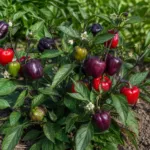 Purple Beauty (Capsicum annuum ‘Purple Beauty’)Capsicum annuum 'Purple Beauty'
 Numex Twilight (Capsicum annuum ‘Numex Twilight’)Capsicum annuum 'Numex Twilight'
 Explosive Ember Chili Pepper (Capsicum annuum ‘Explosive Ember’)Capsicum annuum 'Explosive Ember'