
 AI-generated illustration
Paphiopedilum ‘Maudiae’ short overview
Paphiopedilum 'Maudiae' is a historic slipper-orchid hybrid introduced in 1900 from Paphiopedilum callosum × P. lawrenceanum. It forms an evergreen clump of leathery, often mottled leaves and produces elegant single flowers with a green pouch and strongly marked green-and-white petals. In the United States, it is best grown as a protected indoor or greenhouse orchid in bright filtered light, evenly moist open media, moderate-to-high humidity, and frost-free conditions.
Taxonomic classification
Paphiopedilum ‘Maudiae’ care guide
Light and placement
Give bright, filtered light near an east- or north-facing window, or slightly back from a brighter west-facing window. Gentle morning sun can be acceptable, but protect the leaves from hot midday and afternoon rays. Very dark green, floppy growth and poor flowering suggest insufficient light; yellowing, bleached patches or dry scorch indicate excessive light.
Watering and humidity
Water thoroughly when the upper layer of media is beginning to dry, then allow excess water to drain completely. Keep the mix consistently lightly moist rather than saturated or bone dry. Water more frequently during active growth and flowering, and somewhat less in winter while still preventing complete dryness. Keep water out of the crown and provide ventilation.
Soil and growing medium
Use a fine-to-medium, open orchid substrate that may include bark, perlite, sphagnum or other moisture-retentive components, while remaining airy around the roots. The pot must drain freely. Avoid dense garden soil and compacted peat. A slightly acidic to neutral mix is a practical target, although Paphiopedilum Maudiae tolerates a broader pH range than many orchids.
Feeding
Feed during active growth with a balanced orchid fertilizer diluted to about one-quarter to one-half of the label strength, typically every two to four waterings. Flush the pot with plain water periodically to limit salt accumulation. Reduce feeding in winter, after flowering, or whenever growth has slowed, and do not fertilize severely dehydrated or recently repotted plants.
Growth and habit
This is a sympodial orchid that enlarges by producing successive shoots from a short rhizome rather than forming pseudobulbs. Mature clumps can flower from individual growths, so avoid removing healthy older fans prematurely. Stable conditions and regular division when crowded help maintain flowering strength.
Planting and repotting
Use a clean pot only slightly larger than the root mass and position the plant with the rhizome at the surface of the mix. Keep the crown above the substrate to reduce rot risk. Water lightly after planting or division, then resume normal moisture as new roots and shoots establish.
Repot every one to two years, or sooner if the medium decomposes, stays wet or the plant outgrows its container. Replace old media carefully and inspect roots for rot. Choose a pot only slightly larger than the root system; oversized pots remain wet too long. Repotting is best timed around new root growth.
Propagation and pruning
Propagation
Propagate by division when the plant is crowded and has several established growths. Divide in spring or at the start of active growth, keeping at least three strong growths per division when practical. Seed propagation is specialized and depends on sterile culture, so it is not a normal home-gardening method.
Pruning
No routine foliage pruning is needed. After a flower has completely faded, cut the spent stem near its base with sterilized scissors. Remove only yellow, dead or diseased leaves, and avoid cutting healthy green fans.
Overwintering
Grow indoors or in a heated greenhouse in the United States. Protect the plant from frost, cold windows, forced-air heat and sudden temperature swings. Keep it in bright filtered light, reduce watering and fertilizer modestly as growth slows, and maintain humidity without stagnant air or a constantly wet crown.
Uses
Primarily grown as a flowering houseplant, conservatory specimen, greenhouse orchid and container display plant. Its mottled leaves also provide ornamental value between flowering periods. It is not a culinary or medicinal plant.
Appearance
The plant forms a low evergreen rosette of leathery, rounded to oval leaves, commonly marked with attractive mottling. Upright flower stems rise above the foliage and carry a single large, slipper-shaped bloom. The pouch-like labellum and striped dorsal sepal are characteristic visual features of the Maudiae type.
Flowering
The classic Maudiae flower is borne singly on a long upright stem. The pouch-like lip is green, while the upper sepal and petals are typically white marked with green veins or stripes. Flowering is commonly reported from spring into early summer under cultivated conditions, although indoor timing varies with temperature, light and plant maturity.
Pollination and visitors
Paphiopedilum flowers are adapted for insect pollination, with the slipper-shaped pouch functioning as part of a specialized floral trap-and-release mechanism. A specific pollinator species for this cultivated hybrid was not reliably documented in the reviewed sources, so no species-level visitor is assigned.
Paphiopedilum 'Maudiae' photos
Click any photo for a larger view. Source, author and license are shown separately.
Diseases and pests
Diseases
The main preventable problems are crown, root and rhizome rots caused by stagnant moisture, compact media or poor sanitation. Use a draining substrate, keep water out of the crown, sterilize cutting tools and isolate affected plants. Remove rotted tissue promptly and repot into fresh, airy media if the root system is compromised.
Pests
Watch for mealybugs, aphids, scale and greenhouse red spider mites. Inspect leaf axils, undersides and new growth regularly. Improve ventilation and remove small infestations with a cotton swab or water rinse; use a labeled horticultural treatment when necessary and follow its instructions, especially indoors.
Related diseases and pests
Only Plant Doctor profiles whose host data indicate this plant may be affected are shown here.
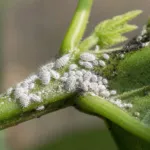 PestCotton mealybugPhenacoccus solenopsis Tinsley
 PestEuropean red mitePanonychus ulmi
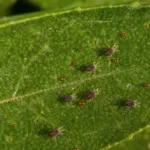 PestCitrus red mitePanonychus citri
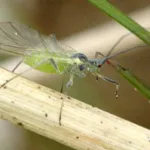 PestGreen Peach AphidMyzus persicae
 DiseaseRhizoctonia DiseasesRhizoctonia solani Kühn
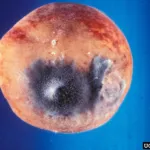 DiseaseRhizopus soft rotRhizopus stolonifer
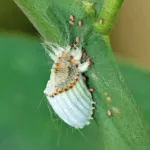 PestCottony Cushion ScaleIcerya purchasi
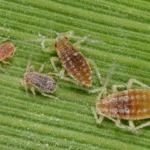 PestMealy Plum AphidHyalopterus pruni (Geoffroy, 1762)
Toxicity and pollen
The reviewed ASPCA orchid listing does not specifically evaluate Paphiopedilum 'Maudiae', and evidence for this exact hybrid is insufficient for a definitive toxicity rating. Prevent ingestion of any plant material, because plant consumption can cause gastrointestinal upset in pets. Keep the plant away from chewing animals and young children, and seek professional advice after ingestion or concerning symptoms.
- Typical season
- During flowering
- Pollination / pollen
- Sticky pollinia contained within the flower
Paphiopedilum produces pollinia held within the flower rather than abundant loose pollen dispersed through the air. No reliable evidence was found that this exact hybrid is a significant airborne pollen allergen. Sensitive individuals may still react to direct flower contact or greenhouse dust, so avoid handling flowers near the face and wash hands afterward.
Native habitat
The hybrid itself has no native habitat. Its parent species come from humid Southeast Asian forests and limestone-associated environments, where Paphiopedilum plants grow in shaded, well-drained pockets with steady moisture and seasonal variation.
Interesting fact
Maudiae is a primary hybrid made from two species, P. callosum and P. lawrenceanum. It was introduced in 1900 and became the foundation of a large class of Maudiae-type slipper orchids. The hybrid’s early success was strongly associated with green-and-white, albinistic forms. Paphiopedilum lacks the pseudobulbs found in many commonly grown orchids.
Frequently asked questions (FAQ)
The most relevant questions about this plant, with short and direct answers.
🌱Quick care
How do you care for Paphiopedilum 'Maudiae' indoors?⌄
Grow Paphiopedilum 'Maudiae' in bright filtered light, an evenly moist open orchid mix, moderate humidity, and warm-to-intermediate indoor temperatures. Water when the surface begins to dry, but do not let the mix become soggy or remain completely dry for long.
Is Paphiopedilum 'Maudiae' easy to grow?⌄
Paphiopedilum 'Maudiae' is generally considered one of the easier slipper orchids for indoor growing. Its main requirements are consistent moisture, moderate light, good drainage, and protection from temperature extremes.
How often should I water Paphiopedilum 'Maudiae'?⌄
Water Paphiopedilum 'Maudiae' whenever the potting mix is nearly dry at the surface, which may be about once or twice a week indoors. Adjust the interval for pot size, mix, temperature, humidity, and airflow rather than following a fixed calendar.
🌤️Environment and placement
What light does Paphiopedilum 'Maudiae' need?⌄
Paphiopedilum 'Maudiae' needs bright filtered light, such as an east window, a bright north window, or a shaded west or south exposure. Protect the leaves from hot direct afternoon sun, which can cause bleaching or scorch.
Can Paphiopedilum 'Maudiae' grow under LED lights?⌄
Yes, Paphiopedilum 'Maudiae' can grow under LED lights when the fixture provides bright, indirect-quality light for about 12–14 hours daily. Keep the light high enough to prevent leaf scorch and monitor the foliage for yellowing or excessive dark green color.
What temperature is best for Paphiopedilum 'Maudiae'?⌄
Paphiopedilum 'Maudiae' generally grows well with nights around 60–65°F and days around 70–85°F. It is warm-growing compared with cool Paphiopedilum types, but prolonged heat is safer when humidity and air movement are adequate.
How much humidity does Paphiopedilum 'Maudiae' need?⌄
Aim for moderate household humidity of about 40–60% for Paphiopedilum 'Maudiae', with good air circulation. A pebble tray may help slightly, but the pot should never sit directly in water.
Can Paphiopedilum 'Maudiae' grow outside in the United States?⌄
Paphiopedilum 'Maudiae' can spend warm, frost-free periods outdoors in bright shade, but it should be brought inside before temperatures approach 55°F. It is frost tender and is not reliably hardy outdoors in typical USDA garden conditions.
💧Care and problems
Why are Paphiopedilum 'Maudiae' leaves turning dark green?⌄
Dark green leaves on Paphiopedilum 'Maudiae' often indicate insufficient light, especially when the plant is not producing new growth or flowers. Move it gradually to brighter filtered light while avoiding strong direct sun.
Why are Paphiopedilum 'Maudiae' leaves turning yellow?⌄
Yellow leaves may result from natural aging, excessive light, root stress, or prolonged wet conditions. Check whether older leaves are affected first, then inspect the roots and potting mix before changing the light or watering routine.
Why is my Paphiopedilum 'Maudiae' not blooming?⌄
Paphiopedilum 'Maudiae' may fail to bloom because of insufficient light, immature growth, root problems, or inconsistent care. Provide bright filtered light and steady moisture, and remember that a new fan usually must mature before it can flower.
Should Paphiopedilum 'Maudiae' dry out between waterings?⌄
No, Paphiopedilum 'Maudiae' should not be allowed to dry completely for extended periods. Let excess water drain and allow the upper mix to become slightly drier, but keep the root zone lightly and evenly moist.
What fertilizer is best for Paphiopedilum 'Maudiae'?⌄
Use a balanced orchid fertilizer at a weak concentration during active growth, following the product label and watering thoroughly afterward. Flush the pot periodically with plain water to reduce fertilizer-salt buildup.
Can I use tap water for Paphiopedilum 'Maudiae'?⌄
Paphiopedilum 'Maudiae' can often tolerate ordinary tap water, but water quality varies widely across the United States. If the water is hard or leaves mineral deposits, use rainwater, distilled water, or filtered water and periodically flush the pot.
How do I treat root rot on Paphiopedilum 'Maudiae'?⌄
Treat root rot by removing the plant from its mix, cutting away soft or black roots with sterilized tools, and repotting into fresh, open orchid medium. Afterward, improve drainage and water only when the mix is nearly dry at the surface.
🪴Planting and repotting
What potting mix is best for Paphiopedilum 'Maudiae'?⌄
Use an open but moisture-retentive orchid mix containing fine or medium bark with materials such as perlite, sphagnum moss, or tree-fern fiber. The mix should hold some moisture while draining freely and should not compact around the roots.
When should I repot Paphiopedilum 'Maudiae'?⌄
Repot Paphiopedilum 'Maudiae' after flowering or when the potting mix decomposes, usually about every two years. Repot sooner if the medium stays wet, smells sour, collapses, or the roots are damaged.
What type of pot is best for Paphiopedilum 'Maudiae'?⌄
Choose a pot with drainage holes that is only slightly larger than the root system. Plastic pots retain moisture longer, while clay pots dry faster; select the type that matches your indoor humidity and watering habits.
✂️Propagation and pruning
How do you propagate Paphiopedilum 'Maudiae'?⌄
Propagate Paphiopedilum 'Maudiae' by division when the plant has several mature growths. Separate it into clumps of at least three healthy fans when possible, because single-fan divisions may take longer to flower.
Can you cut the leaves of Paphiopedilum 'Maudiae'?⌄
Do not cut healthy leaves of Paphiopedilum 'Maudiae', because they are needed to support growth and flowering. Remove only dead or badly damaged tissue with a sterilized tool, cutting back to clean, healthy tissue.
⚠️Toxicity and safety
Is Paphiopedilum 'Maudiae' toxic to cats or dogs?⌄
There is no exact-cultivar toxicity classification available for Paphiopedilum 'Maudiae'. Because plant-specific safety data are limited, keep it away from pets and contact a veterinarian or poison-control service if ingestion occurs.
🌸Flowering and special interest
When does Paphiopedilum 'Maudiae' bloom?⌄
Paphiopedilum 'Maudiae' commonly blooms from spring into early summer, although indoor plants may flower at other times. Mature growth, adequate filtered light, and stable care are more reliable flowering influences than a precise calendar date.
How long do Paphiopedilum 'Maudiae' flowers last?⌄
Paphiopedilum 'Maudiae' flowers can remain attractive for several weeks to several months under good conditions. Their lifespan is shortened by heat, dehydration, direct sun, ethylene exposure, or rough handling.
Should I stake a Paphiopedilum 'Maudiae' flower spike?⌄
Stake the flower spike only after it has developed enough to show its natural direction, then support it below the flower. Staking too early can force an unnatural or downward-facing presentation.
What should I do after Paphiopedilum 'Maudiae' finishes flowering?⌄
After flowering, cut the spent spike down near the base once it has browned or dried. Continue normal light, watering, and feeding so the plant can mature its next fan.
Similar plants
 Azure Monkshood (Aconitum carmichaelii) care guideAconitum carmichaelii
 Monkshood (Aconitum ‘Stainless Steel’)Aconitum 'Stainless Steel'
 Monkshood (Aconitum ‘Bressingham Spire’)Aconitum 'Bressingham Spire'
 Golden full moon maple (Acer shirasawanum ‘Aureum’)Acer shirasawanum 'Aureum'
 Globosum (Acer platanoides ‘Globosum’)Acer platanoides 'Globosum'
 Striped maple (Acer pensylvanicum) care guideAcer pensylvanicum