 Source:
 Canna ‘Erebus’ short overview
Canna 'Erebus' is a water-loving canna cultivar from the Longwood breeding program, valued for its upright clumps, large gray-green leaves, and pale salmon-pink flowers. It performs best in full sun with abundant moisture, including at pond margins, in bog gardens, or with its container standing in shallow water. In colder parts of the United States, lift and store the rhizomes before hard frost. Canna 'Erebus' is an aquatic Longwood canna cultivar grown for upright clumps of large gray-green leaves and pale salmon-pink flowers. It thrives in full sun and consistently wet soil, including pond margins and bog gardens.
Taxonomic classification
Canna ‘Erebus’ care guide
Light and placement
Give full sun, ideally six or more hours of direct light with the brightest exposure oriented south or west. Pond margins, open bog beds, and sunny patios are suitable. Too little light commonly produces weak, stretched growth and fewer flowers; hot afternoon sun is tolerated when roots never dry. If leaves scorch, increase water availability rather than moving immediately to shade.
Watering and humidity
Keep the root zone consistently moist from planting through flowering. Water deeply whenever the upper soil begins to dry, and do not allow container-grown plants to dry out. In aquatic culture, place the pot where water covers the root zone by up to about 6 inches. Reduce watering after autumn dieback and during dormant storage, keeping stored rhizomes only slightly moist.
Soil and growing medium
Use fertile loam that stays consistently moist but is not stagnant in a terrestrial bed. At a pond edge, the plant can tolerate saturated conditions, and the rhizome may be grown in a container with up to about 6 inches of water over the root zone. The cultivar is adaptable to acidic, neutral, or alkaline soil, provided fertility and moisture are adequate.
Feeding
Feed in spring when active growth begins, then continue with a balanced, water-soluble fertilizer at label strength every few weeks or use a controlled-release product. Compost or well-rotted organic matter can improve fertile wet soil. Do not fertilize dormant rhizomes or heavily feed a plant stressed by cold or root problems.
Growth and habit
This is an upright, clump-forming rhizomatous perennial that makes strong seasonal growth in warmth. Aquatic forms are vigorous when supplied with constant moisture but may establish slowly after division. Remove declining stems and divide congested rhizomes when performance drops or containers become crowded.
Planting and repotting
Plant dormant rhizomes in spring after the danger of frost, when soil and water have warmed. Set them horizontally about 3–4 inches deep in a bed, or grow them in a container for placement at the pond margin. Allow room for an upright clump and keep the planting evenly moist during establishment.
Repot or divide container-grown rhizomes in early spring as growth begins. Use a broad, heavy container with fertile loam and enough volume to prevent tipping. For aquatic culture, sink the pot gradually as shoots develop rather than placing dormant rhizomes deeply in cold water.
Propagation and pruning
Propagation
Divide rhizomes in early spring when eyes are visible and new growth is beginning. Seed may be produced, but seedlings will not necessarily reproduce the cultivar faithfully; use division for clonal propagation.
Pruning
Deadhead spent flower clusters to maintain a tidy display and potentially prolong flowering. Allow stems and leaves to die back naturally after frost. Cut the plant to the ground only after foliage has yellowed or been damaged by cold.
Overwintering
Before autumn freezes, move container plants to a frost-free greenhouse, conservatory, or cool indoor storage area. In colder gardens, lift rhizomes after foliage is blackened by frost, let them dry briefly, and store them in a cool, dark, frost-free medium that is barely moist. Replant outdoors in spring after frost danger has passed.
Uses
Use as a bold pond-margin, bog-garden, rain-garden, container, or moist-border accent. The large foliage provides architectural contrast, while the flowers add warm color through summer. Do not treat this ornamental cultivar as a food or medicinal plant without separate, authoritative identification and safety guidance.
Appearance
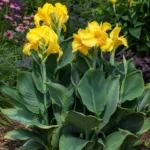
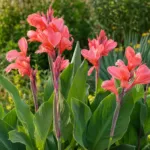
The plant forms an upright clump of stout stems carrying large, lance-shaped to paddle-like gray-green leaves. The foliage can resemble a banana plant but is typically narrower and more erect. Open salmon-pink flower clusters rise above the leaves, giving the cultivar a strong architectural profile at water edges.
Flowering
The flowers are borne in open terminal clusters on upright stems and are described as pale salmon-pink or salmon-colored. Bloom is strongest in warm weather and may continue from midsummer into early fall when plants have ample water and fertility. Deadheading can encourage additional display, although seed production and fertility may vary among cultivated cannas.
Pollination and visitors
Canna flowers have been documented as visited or pollinated by bees, butterflies, moths, and hummingbirds in Canna glauca research. Evidence is strongest for the broader aquatic canna lineage rather than for this exact named cultivar, so visitor attraction is rated medium rather than high.
Canna 'Erebus' photos
Click any photo for a larger view. Source, author and license are shown separately.
Diseases and pests
Diseases
Canna viruses may cause mosaic patterns, yellow streaking, distorted leaves, and reduced vigor; infected plants have no reliable cure and should be removed. Improve air circulation, avoid propagating from suspicious stock, and sanitize cutting tools. Root problems are more likely in cold, stagnant, or poorly managed containers.
Pests
Watch for slugs, snails, caterpillars, aphids, and glasshouse red spider mites. Inspect new growth and leaf undersides, remove pests by hand where practical, and use proportionate controls labeled for ornamental plants. Avoid chronically wet foliage and overcrowding.
Related diseases and pests
Only Plant Doctor profiles whose host data indicate this plant may be affected are shown here.
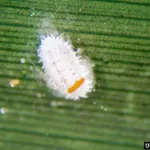 PestCitrus mealybugPlanococcus citri
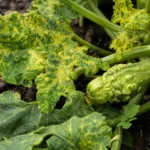 DiseaseZucchini yellow mosaicZucchini yellow mosaic virus
 DiseaseBean yellow mosaicBean yellow mosaic virus
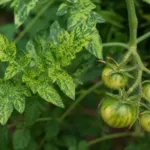 DiseaseTomato mosaic virusTobamovirus tomatotessellati
 DiseaseTobacco mosaic virusTobamovirus tabaci
 PestEuropean red mitePanonychus ulmi
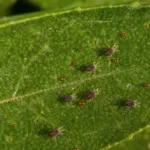 PestCitrus red mitePanonychus citri
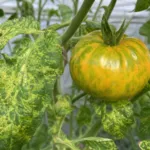 DiseasePepino mosaic virusPepino mosaic virus (PepMV)
Toxicity and pollen
Canna lilies are listed as non-toxic to dogs and cats by the ASPCA. This does not establish that every exposure is harmless to humans, and plant material may still cause gastrointestinal upset if eaten in quantity. Avoid intentional ingestion and contact a medical or veterinary professional if symptoms follow exposure.
- Typical season
- During flowering, mainly summer into early fall
- Pollination / pollen
- Primarily animal-transferred pollen; not characteristically wind-dispersed
Canna pollen is not documented here as a major airborne allergen, and the flowers are generally associated with animal-mediated pollen transfer rather than wind dispersal. Individual sensitivity cannot be ruled out; people with unexplained seasonal or flower-related symptoms should minimize direct exposure and seek clinical advice.
Native habitat
The cultivar is horticultural rather than native to a wild ecosystem. Its aquatic parentage and cultivation requirements reflect wetland and shallow-water conditions associated with Canna glauca and related cannas, including saturated loams, pond margins, and warm subtropical climates.
Interesting fact
‘Erebus’ is one of four aquatic cultivars developed at Longwood Gardens. Unlike many border cannas, it is especially suited to pond margins and shallow water. Its rhizomes are elongated and adapted to seasonal growth in very wet conditions.
Frequently asked questions (FAQ)
The most relevant questions about this plant, with short and direct answers.
🌱Quick care
What is Canna 'Erebus'?⌄
Canna 'Erebus' is a water-canna cultivar with large gray-green leaves and salmon-pink to pale coral flowers. It is a clump-forming rhizomatous perennial suited to sunny, consistently moist gardens, bogs, pond margins, and aquatic containers.
How much sun does Canna 'Erebus' need?⌄
Canna 'Erebus' needs full sun for the strongest growth and flowering. Give it at least 6 hours of direct sunlight daily, although afternoon shade can help in very hot climates if the soil or container never dries out.
How often should I water Canna 'Erebus'?⌄
Water Canna 'Erebus' frequently enough to keep the soil consistently moist to wet. It can grow beside water or in a pond container with shallow water over the roots, but stagnant conditions around a buried rhizome can still encourage rot.
How tall does Canna 'Erebus' get?⌄
Canna 'Erebus' commonly reaches about 3 to 5 feet tall in favorable conditions. Height varies with climate, fertility, moisture, container size, and whether it is grown in a bed or as an aquatic plant.
🌤️Environment and placement
Can Canna 'Erebus' grow in a pond?⌄
Yes, Canna 'Erebus' can be grown in a pond, particularly in a container positioned at the edge or in shallow water. Keep the crown and growing points above the waterline, with no more than about 6 inches of water over the roots.
Can Canna 'Erebus' grow in regular garden soil?⌄
Yes, Canna 'Erebus' grows in fertile loam that stays moist but is not permanently waterlogged around the crown. Improve poor soil with organic matter, and choose a site with reliable moisture and good drainage unless planting it as an aquatic.
Is Canna 'Erebus' hardy in the United States?⌄
Canna 'Erebus' is generally treated as a tender perennial where the rhizomes may freeze. In colder parts of the United States, lift and store the rhizomes before hard frost; only leave them outdoors where local winter temperatures remain safely above freezing.
What USDA zone is best for Canna 'Erebus'?⌄
Canna 'Erebus' is best suited to warm USDA-style climates roughly comparable to Zones 7–10, but local winter wetness and freeze duration also matter. Gardeners in colder zones should grow it as a summer plant and overwinter the rhizomes indoors.
💧Care and problems
Why is my Canna 'Erebus' not flowering?⌄
Late planting, insufficient sunlight, drought, cool temperatures, or poor soil fertility can reduce flowering in Canna 'Erebus'. Keep the plant warm and well-watered in full sun, and start stored rhizomes early enough to establish before summer.
What fertilizer does Canna 'Erebus' need?⌄
Feed Canna 'Erebus' with a balanced slow-release fertilizer or regular light applications of a complete fertilizer during active growth. Fertile soil and abundant moisture support flowering, but avoid excessive fertilizer in pond water where runoff could affect water quality.
What pests affect Canna 'Erebus'?⌄
Canna 'Erebus' may be attacked by slugs, snails, caterpillars, aphids, or spider mites, especially in protected growing areas. Inspect the leaves regularly and use the least disruptive control appropriate for the pest and whether the plant is growing near aquatic life.
What causes yellow or streaked leaves on Canna 'Erebus'?⌄
Yellow streaking, mosaic patterns, or distorted leaves may indicate a canna virus rather than ordinary aging. There is no reliable cure for virus-infected plants, so isolate suspicious plants, disinfect tools, and remove affected specimens instead of propagating them.
🪴Planting and repotting
When should I plant Canna 'Erebus' outdoors?⌄
Plant Canna 'Erebus' outdoors after the danger of frost has passed and the soil has warmed. In colder U.S. regions, start the rhizomes indoors several weeks earlier, then transplant them once nights are reliably mild.
How deep should I plant Canna 'Erebus' rhizomes?⌄
Plant Canna 'Erebus' rhizomes about 2 to 4 inches deep, with the growing eyes facing upward. Keep the soil evenly moist after planting, and avoid burying the crown so deeply that new shoots struggle to emerge.
Can Canna 'Erebus' be grown in a container?⌄
Yes, Canna 'Erebus' grows well in a large container filled with fertile, moisture-retentive soil. Use a heavy pot to prevent tipping, provide full sun, and water often; aquatic containers can be placed in shallow pond water.
✂️Propagation and pruning
How do I propagate Canna 'Erebus'?⌄
Propagate Canna 'Erebus' by dividing its rhizomes in early spring as new growth begins. Separate sections with at least one healthy growing eye, allow damaged cuts to dry briefly, and replant them shallowly in warm, moist soil.
Should I cut back Canna 'Erebus' in fall?⌄
Cut Canna 'Erebus' stems back after frost damages the foliage or when the plant has naturally finished for the season. In frost-prone areas, lift the rhizomes after cutting back; in warm areas, leave the clump in place if winter conditions are suitable.
How do I overwinter Canna 'Erebus' rhizomes?⌄
After frost, cut back the foliage, lift the rhizome clump, and let it dry briefly before storing it in a cool, dark, frost-free place. Pack it in barely moist peat, vermiculite, or similar material, checking periodically for shriveling or rot.
⚠️Toxicity and safety
Is Canna 'Erebus' poisonous to dogs or cats?⌄
Canna 'Erebus' is generally considered non-toxic to dogs and cats, but pets should still be discouraged from chewing or ingesting it. Any plant material can cause stomach upset, and pesticides or contaminated pond water may pose separate risks.
🌸Flowering and special interest
When does Canna 'Erebus' bloom?⌄
Canna 'Erebus' usually flowers from midsummer into early fall, producing salmon-pink or pale coral blooms above its broad foliage. In short-season climates, flowering may begin later if rhizomes were planted outdoors after the last frost.
Does deadheading Canna 'Erebus' encourage more flowers?⌄
Yes, removing spent flowers and finished flower stalks can help Canna 'Erebus' continue blooming and keeps the plant looking tidy. Cut the entire spent stalk back to its base or a healthy node once that flowering stem is finished.