
 Source:
 Mammillaria herrerae short overview
Mammillaria herrerae is a very small, slow-growing Mexican cactus prized for its nearly spherical body and dense coat of delicate white radial spines. Mature plants may produce pale pink flowers around the crown, followed by whitish fruit. It needs bright light, an exceptionally free-draining mineral substrate, careful watering during active growth, and complete protection from freezing temperatures. Because wild populations are severely threatened, buy only legally sourced, nursery-propagated plants.
Taxonomic classification
Mammillaria herrerae care guide
Light and placement
Give bright light with several hours of direct sun, ideally from a south-, east-, or west-facing exposure. Acclimate gradually after low-light storage to prevent scorching. Insufficient light can cause weak, stretched growth and poor flowering; excessive abrupt sun can bleach or scar the epidermis. In hot glasshouses, use light midday filtering if the plant shows bleaching or corking.
Watering and humidity
Water thoroughly only after the substrate has dried completely, then let excess drain away. During spring and summer, the interval may be roughly 2–4 weeks depending on pot size, heat, and airflow; this is a guide, not a schedule. Reduce sharply in fall and keep nearly dry in a cool winter rest. Never leave the pot standing in water.
Soil and growing medium
Use a predominantly mineral cactus substrate with excellent aeration and rapid drainage; a mix containing pumice, coarse grit, lava rock, or perlite is preferable to peat-heavy potting soil. Keep the root zone only lightly moisture-retentive. A neutral to slightly alkaline reaction is suitable, and stagnant, fine-textured soil is the main risk.
Feeding
Feed only during active growth, typically in spring and summer, using a diluted, low-nitrogen cactus fertilizer. One or a few light applications are preferable to heavy feeding. Do not fertilize dry, dormant, newly repotted, diseased, or winter-kept plants; excess nitrogen can produce weak growth and increase rot risk.
Growth and habit
This is a very slow-growing, rounded cactus that may remain solitary but can eventually form a small cluster. Its compact habit suits collection pots, while the slow metabolism means overpotting and frequent watering are especially risky. Prioritize stability, airflow, and dry-down rather than rapid growth.
Planting and repotting
In containers, set the root collar at the same level as before and do not bury the stem. Plant or move it during the warm growing season, using a gritty mineral mix and leaving room for air circulation. Outdoor planting is suitable only in a frost-free, very dry rockery or protected cactus bed.
Repot in spring or early summer only when the mix is dry and the plant is actively growing. Use a small pot with a drainage hole, disturb roots as little as practical, and wait several days before watering after repotting. Repot infrequently because the species is naturally very slow growing.
Propagation and pruning
Propagation
Seed propagation is the most conservation-appropriate method but is slow and requires sterile, sharply drained media, warmth, and careful moisture control. Grafting can accelerate establishment of seedlings and is used by specialist growers, but it requires skill. Do not collect seed or plants from the wild; the species is threatened and international trade is regulated.
Pruning
Normally requires no pruning. Remove only dead, damaged, or rotting tissue with a sterile blade, allowing the wound to dry fully before contact with moisture. Do not cut healthy spines or reshape the plant; unnecessary cutting increases injury and infection risk.
Overwintering
Keep completely frost-free, bright, and cool-to-moderate in winter, ideally with very restrained watering. A dry winter rest helps prevent rot and supports compact growth. In the United States, move outdoor plants indoors or into a heated greenhouse before temperatures approach freezing; avoid placing the plant beside humidifiers or cold, damp glass.
Uses
Primarily an ornamental collector’s cactus for pots, windowsills, conservatories, and specialist dry gardens. Its conservation status makes provenance important: purchase legally propagated stock and never remove plants from natural populations. It has no well-supported culinary or medicinal use.
Appearance
The stem is globular to eventually somewhat elongate, green, and densely clothed in numerous unequal white radial spines that look bristle-like. Central spines are absent, and the tubercles are visually obscured by the spine coat. Axils are bare. Solitary plants may later form small clusters, and pale pink flowers appear around the crown.
Flowering
This true flowering cactus produces pale pink flowers, reported at about 1 inch across, in a ring near the stem apex. Flowering is associated with active growth, but a dependable month-by-month flowering period for United States conditions was not located. A cool, dry winter rest followed by brighter spring growth may encourage blooming.
Pollination and visitors
The flowers are animal-pollinated in the broad botanical sense typical of many cacti, but a reliable species-specific visitor or pollinator record was not located. No pollinator group is assigned rather than inferring bees or butterflies from flower color alone.
Mammillaria herrerae photos
Click any photo for a larger view. Source, author and license are shown separately.
Diseases and pests
Diseases
The main disease risk is root or stem rot caused by cool, wet conditions and poor drainage. Keep the substrate dry during winter, provide airflow, and inspect the roots when growth collapses or the base softens. Remove diseased tissue only with sterile tools and replace contaminated mix; severe rot may be unsalvageable.
Pests
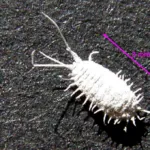
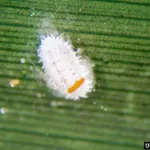
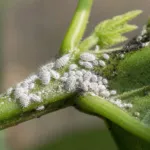
Watch for mealybugs, scale, and root mealybugs, especially in crowded collections. Inspect areoles, roots, and pot rims during watering checks. Isolate affected plants, remove small infestations with a targeted swab or suitable labeled treatment, and correct excessive humidity or poor airflow before repeating control.
Related diseases and pests
Only Plant Doctor profiles whose host data indicate this plant may be affected are shown here.
Toxicity and pollen
No authoritative species-specific human or pet toxicity assessment was located. Do not treat this absence as proof of safety: the dense fine spines can cause painful mechanical injury, skin irritation, or eye injury. Handle with tools or thick gloves, keep away from children and pets, and seek medical advice for embedded spines or eye exposure.
- Pollination / pollen
- Not reliably documented; likely not freely wind-dispersed
Species-specific airborne-pollen and allergy data were not found. As a cactus with conspicuous insect-associated flowers, pollen is not expected to be broadly wind-dispersed, but insect pollination does not establish zero allergy risk. Avoid direct contact with flowers and wash hands after handling.
Native habitat
It is native to Mexico, with Kew giving a range from Guanajuato to Hidalgo, and grows in desert or dry shrubland. Available regional accounts associate it with a restricted, rocky, semi-arid habitat. The natural setting implies intense light, mineral soils, pronounced dry periods, and limited tolerance of waterlogged roots.
Interesting fact
The species was first published in 1931. Its body can remain only about 3 cm wide while carrying roughly 100 unequal radial spines. Several names have been published for it, including Chilita herrerae and Escobariopsis herrerae. It is listed in CITES Appendix II through the Mammillaria listing.
Frequently asked questions (FAQ)
The most relevant questions about this plant, with short and direct answers.
🌱Quick care
How do you care for Mammillaria herrerae indoors?⌄
Give Mammillaria herrerae very bright light, use rocky sharply drained soil, and water only after the mix has dried completely. Keep it protected from freezing and reduce watering during cool, low-light periods.
Is Mammillaria herrerae easy to grow?⌄
Mammillaria herrerae is manageable for experienced cactus growers but is less forgiving of excess moisture than many common houseplant cacti. Excellent drainage, strong light, and careful watering are the main requirements.
How often should you water Mammillaria herrerae?⌄
Water Mammillaria herrerae thoroughly but infrequently, only when the soil is completely dry. The interval may be every few weeks during active growth and much longer in winter, depending on light, temperature, pot size, and humidity.
Can Mammillaria herrerae grow in a pot?⌄
Yes, Mammillaria herrerae grows well in a container with a drainage hole. Choose a pot only slightly wider than the root system and avoid leaving the plant in standing water.
🌤️Environment and placement
How much light does Mammillaria herrerae need?⌄
Mammillaria herrerae needs bright sun to filtered high light, usually the brightest practical location indoors. Acclimate it gradually to strong direct sun to reduce the risk of sunburn.
Can Mammillaria herrerae take full sun?⌄
Mammillaria herrerae can take strong sun when gradually acclimated and adequately ventilated. In very hot climates, filtered afternoon light can help prevent scorching while preserving compact growth.
What is the best window for Mammillaria herrerae?⌄
A south- or southeast-facing window is usually suitable for Mammillaria herrerae in the United States, provided the plant is introduced to direct sun gradually. A strong grow light may be needed where natural light is weak.
Can Mammillaria herrerae grow outdoors in the United States?⌄
Mammillaria herrerae can grow outdoors in warm, dry areas if protected from prolonged rain and freezing temperatures. In colder regions, grow it in a container that can be moved indoors before frost.
What USDA hardiness zone is suitable for Mammillaria herrerae?⌄
Mammillaria herrerae is best treated as a container cactus in most of the United States because it must be protected from freezing. Outdoor culture is most practical in warm, dry regions with excellent drainage and controlled winter moisture.
What temperature can Mammillaria herrerae tolerate?⌄
Mammillaria herrerae should be protected from freezing and prolonged cold, especially when its soil is damp. A cool, dry winter rest is generally safer than exposure to frost or wet winter conditions.
💧Care and problems
What soil is best for Mammillaria herrerae?⌄
Use a rocky, sharply drained cactus mix with a high proportion of mineral material such as pumice, grit, or coarse perlite. The mix should release excess water quickly and dry fully between waterings.
Why is my Mammillaria herrerae turning soft or brown?⌄
Soft or brown tissue commonly indicates rot caused by excess moisture, poor drainage, or cold wet conditions. Remove the plant from the soil, inspect the roots and base, and keep any healthy tissue dry while correcting the growing conditions.
Why is my Mammillaria herrerae stretching?⌄
Stretching usually means Mammillaria herrerae is receiving insufficient light. Move it gradually to a brighter position, but avoid abrupt exposure to intense sun that can burn previously shaded tissue.
Why are the spines on my Mammillaria herrerae losing their dense appearance?⌄
Sparse or less attractive spine growth can result from inadequate light, excessive watering, or overly rich soil. Provide stronger light, let the mix dry completely, and avoid high-nitrogen feeding.
Should you fertilize Mammillaria herrerae?⌄
Fertilizing Mammillaria herrerae is optional and should be limited to active growth. If used, apply a dilute, low-nitrogen cactus fertilizer to already-moist soil and avoid feeding during winter dormancy or after repotting.
Does Mammillaria herrerae need winter dormancy?⌄
A cool, bright, dry winter rest can help Mammillaria herrerae maintain compact growth and support flowering. Keep it above freezing and sharply reduce or suspend watering while growth is minimal.
🪴Planting and repotting
When should you repot Mammillaria herrerae?⌄
Repot Mammillaria herrerae in spring or at the start of active growth, preferably when the soil is dry. Repot sooner if the mix has broken down, drainage is poor, or roots show signs of rot.
How often should you repot Mammillaria herrerae?⌄
Mammillaria herrerae commonly needs repotting every few years rather than annually. Repot when roots fill the container or the growing medium no longer drains freely, and use fresh mineral-rich mix.
What type of pot is best for Mammillaria herrerae?⌄
A small terracotta or plastic pot with a drainage hole works well for Mammillaria herrerae. Terracotta can help the soil dry faster, while plastic is acceptable if watering is adjusted to its slower drying rate.
How deep should Mammillaria herrerae be planted?⌄
Plant Mammillaria herrerae at the same depth it was previously growing, keeping the stem base above the soil surface. Burying the lower body increases the risk of rot.
✂️Propagation and pruning
How do you propagate Mammillaria herrerae?⌄
Mammillaria herrerae is primarily propagated from seed, while offsets may be used if the plant produces them. Seed propagation requires warmth, bright filtered light, sterile sharply drained media, and careful moisture control.
Can Mammillaria herrerae be propagated from cuttings?⌄
Propagation from ordinary stem cuttings is not usually the main method for Mammillaria herrerae because it is a compact globular cactus. If an offset is separated, allow the wound to callus before planting it in dry, gritty mix.
How long does Mammillaria herrerae take to grow from seed?⌄
Mammillaria herrerae seedlings grow slowly, and flowering size may take several years under ordinary cultivation. Growth rate varies substantially with light, temperature, nutrition, and the seedling’s genetics.
⚠️Toxicity and safety
Is Mammillaria herrerae poisonous to cats or dogs?⌄
Species-specific toxicity information for Mammillaria herrerae is limited, so it should not be considered proven pet-safe. Keep it away from pets because the spines can cause painful mechanical injury and swallowed plant material may cause irritation.
Does Mammillaria herrerae have dangerous spines?⌄
Mammillaria herrerae has dense spines that can lodge in skin and cause painful injury. Handle it with thick gloves, tongs, or folded cardboard, and place it away from children and pets.
Is Mammillaria herrerae endangered?⌄
Yes, Mammillaria herrerae is recognized as critically endangered in the wild. Buy only nursery-propagated plants from reputable sellers and never collect specimens from natural populations.
Can you legally buy Mammillaria herrerae in the United States?⌄
Nursery-propagated Mammillaria herrerae may be available through specialist cactus growers, but trade and shipment can be subject to conservation and import requirements. Confirm that the seller documents legal, propagated origin before purchasing.
🌸Flowering and special interest
When does Mammillaria herrerae flower?⌄
Mammillaria herrerae typically flowers after a cool, dry rest followed by brighter light and active spring growth. Mature plants may produce a ring of small flowers around the crown, although timing varies in cultivation.
What color are Mammillaria herrerae flowers?⌄
Mammillaria herrerae is known for small pale flowers, commonly described as white to light pink or pink-tinged. Exact color can vary among plants and cultivated forms.
Why is my Mammillaria herrerae not flowering?⌄
Lack of flowering is often caused by insufficient light, excessive winter warmth or watering, or a plant that is not yet mature. Provide strong light, maintain a dry cool rest above freezing, and avoid forcing growth with excess fertilizer.
Similar plants
 Azure Monkshood (Aconitum carmichaelii) care guideAconitum carmichaelii
 Monkshood (Aconitum ‘Stainless Steel’)Aconitum 'Stainless Steel'
 Monkshood (Aconitum ‘Bressingham Spire’)Aconitum 'Bressingham Spire'
 Golden full moon maple (Acer shirasawanum ‘Aureum’)Acer shirasawanum 'Aureum'
 Globosum (Acer platanoides ‘Globosum’)Acer platanoides 'Globosum'
 Striped maple (Acer pensylvanicum) care guideAcer pensylvanicum