
 Source:
 New Jersey tea (Ceanothus americanus) short overview
New Jersey tea (Ceanothus americanus) is a compact, deciduous native shrub of eastern and central North America. Its dense branching, glossy green leaves, and clusters of small white flowers make it useful in native borders, prairie plantings, woodland edges, and pollinator gardens. It prefers sun, sharply drained soil, and modest watering after establishment, but its deep roots make mature plants difficult to move.
Taxonomic classification
New Jersey tea (Ceanothus americanus) care guide
Light and placement
Choose full sun for the strongest flowering, especially an open south- or west-facing position with good air circulation. Light partial shade is tolerated, particularly in hot climates, but shade can make the shrub looser and reduce bloom. Sparse, stretched growth suggests insufficient light; scorched foliage or premature leaf drop may indicate excessive heat combined with drought or root stress.
Watering and humidity
Water deeply and slowly when the upper several inches of soil begin to dry during the first growing season. After establishment, irrigate mainly during prolonged drought, allowing the soil to dry between thorough soakings. Reduce watering in cool or rainy weather and never keep the root zone saturated. Normal outdoor humidity is sufficient; extra misting is unnecessary.
Soil and growing medium
Use well-drained sandy, loamy, or rocky soil. New Jersey tea tolerates lean ground and is often found on dry open sites, but persistent winter wetness can damage roots. A slightly acidic to neutral soil is a practical target; avoid heavily amended, waterlogged beds. Do not routinely add high-nitrogen fertilizer, especially where the plant is growing vigorously.
Feeding
Established plants generally need little fertilizer, particularly in lean soil where their nitrogen-fixing association may help nutrition. If growth is weak and a soil test supports feeding, apply a light, balanced slow-release fertilizer or a thin compost mulch in early spring. Do not feed late in the season or use heavy nitrogen, which can produce weak growth and reduce flowering.
Growth and habit
This slow-growing shrub forms many slender, ascending branches and usually develops a dense, rounded outline. It can colonize open, disturbed ground and may resprout after damage. Because older plants develop strong woody roots, routine maintenance should focus on correct siting, drainage, and light pruning rather than frequent relocation or hard renovation.
Planting and repotting
Plant young nursery stock in spring or early fall, setting it at the same depth as in its container. Space plants about 3–4 feet apart for a continuous grouping, or farther apart for individual rounded specimens. Water deeply during the first growing season, then gradually reduce irrigation as roots establish. Avoid moving older plants.
Best grown in the ground because the plant develops a substantial woody root system and does not transplant reliably once mature. If container-grown, shift a young plant only when roots fill the pot, disturbing the root ball as little as possible. Use a deep container with excellent drainage and plant out while young.
Propagation and pruning
Propagation
Propagation is possible from seed, stem cuttings, or root cuttings, but it is not especially easy. Collect capsules before they explosively dehisce. Seed may have dormancy and benefits from carefully researched scarification and stratification treatments; do not use uncontrolled fire treatments in a home setting. Young stem cuttings can be attempted during active growth in a sterile, free-draining medium. Root disturbance is best avoided on established plants.
Pruning
Prune lightly after flowering if shaping is needed. Remove dead, damaged, or crossing stems at their base and avoid severe cutting into old wood unless renewal is necessary. Because flowering occurs on current-season growth, late-winter or early-spring hard pruning may reduce that year's bloom. Do not shear routinely.
Overwintering
Plants in USDA Zones 4–8 generally overwinter outdoors without special protection when properly sited. Apply a light organic mulch over the root zone in colder regions, keeping it away from the stems. Avoid late-season nitrogen and excessive winter irrigation. Container plants are more exposed to root freezing and should be sheltered in an unheated protected location if severe cold is expected.
Uses
Useful as a native shrub for informal borders, prairie plantings, woodland edges, erosion-prone slopes, and pollinator gardens. Its flowers provide nectar and pollen for diverse insects, while its compact habit suits smaller landscapes. Leaves have a documented historical use as a tea substitute, but this profile does not recommend homemade preparations or medicinal use.
Appearance
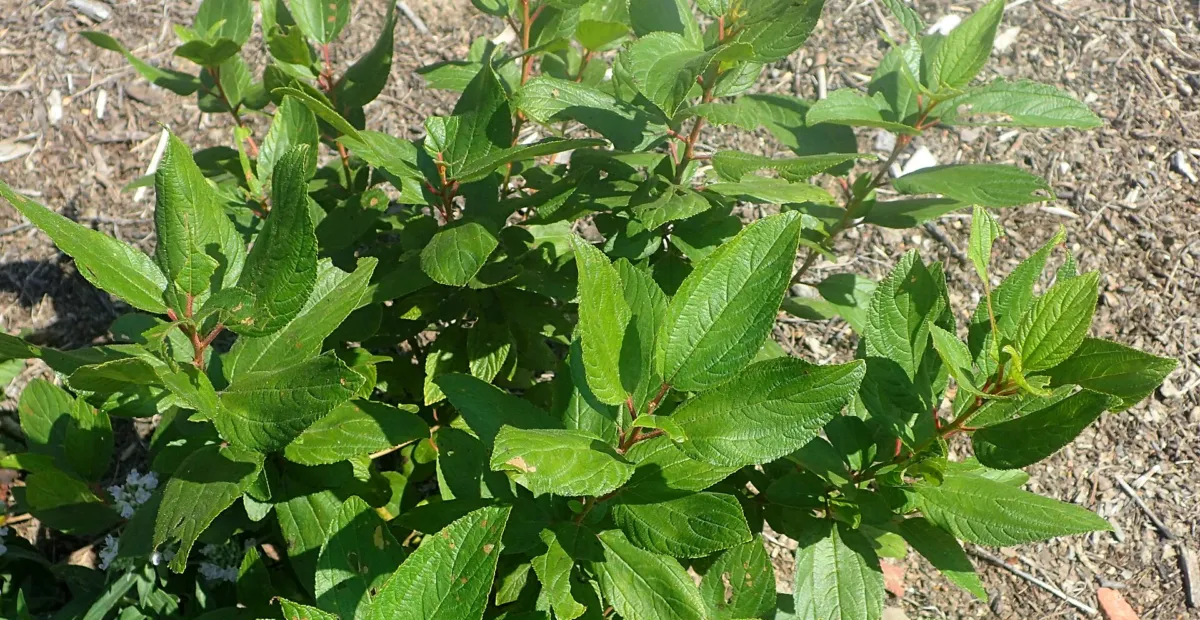
The plant has numerous slender, ascending branches and a compact rounded habit. Leaves are alternate, oval to elliptic, and glossy green, with noticeable veins and fine texture. Mature stems become woody and the root system develops a strong, deep woody component. The small white flowers occur in conspicuous clusters, followed by dry three-lobed capsules.
Flowering
Small white flowers are borne in axillary clusters on slender stalks, mainly from May through July in the United States. Flowering is most abundant in bright, open positions. Dry, three-lobed capsules mature from late summer into early fall and split open to release seeds.
Pollination and visitors
The open flower clusters are visited by a broad range of insects, including native bees, bumblebees, other bees, hoverflies, wasps, butterflies, and beetles. Documented visitor records include numerous bee and wasp species, with insects using the flowers for nectar and/or pollen.
Ceanothus americanus photos
Click any photo for a larger view. Source, author and license are shown separately.
Diseases and pests
Diseases
Generally manageable when planted in well-drained soil with good air movement. Watch for root problems in persistently wet ground and occasional leaf or stem diseases under stressful, crowded conditions. Remove affected material, avoid overhead watering, and improve drainage rather than relying on routine spraying.
Pests
Potential problems include aphids, scale insects, leaf-feeding insects, and browsing by herbivores. Inspect new growth and the undersides of leaves; encourage beneficial insects, prune out badly affected material, and use a targeted low-impact treatment only when damage is significant. Avoid stressing the plant with excessive fertilizer or irrigation.
Related diseases and pests
Only Plant Doctor profiles whose host data indicate this plant may be affected are shown here.




Toxicity and pollen
Reliable species-specific human and companion-animal toxicity information is limited in the authoritative sources reviewed. The plant is not established here as a confirmed poisonous landscape species, but ingestion should not be encouraged. Keep plant material away from children and pets, and seek professional advice after a significant ingestion or unusual reaction.
- Typical season
- Typically May–July in the United States
- Pollination / pollen
- Insect-carried pollen; limited airborne exposure expected
This species is insect-pollinated, so its pollen is generally less freely dispersed through the air than pollen from wind-pollinated trees and grasses. However, no dependable species-specific clinical allergen rating was found, and sensitive people may still react to pollen or plant contact. Avoid placing flowering branches directly beside frequently used seating if allergy concerns are significant.
Native habitat
Native from southeastern Canada through much of the eastern and central United States. It occurs in dry prairies, open plains, sandy or rocky clearings, woodland margins, riverbanks, lakeshores, and hillsides. It is most abundant in bright sites and tolerates lean soils, seasonal dryness, and disturbance better than shaded, permanently wet conditions.
Interesting fact
The species was used as a tea substitute during the American Revolution, giving rise to its common name. Its roots can host nitrogen-fixing symbionts, helping it persist in nutrient-poor soils. Plants can resprout after top damage, and populations often occur in open or disturbed habitats.
Frequently asked questions (FAQ)
The most relevant questions about this plant, with short and direct answers.
🌱Quick care
What is New Jersey tea (Ceanothus americanus)?⌄
New Jersey tea is a deciduous, native North American shrub that typically grows about 2–4 feet tall and 3–5 feet wide. It produces fragrant white flower clusters in late spring and summer and is valued for drought tolerance and wildlife support.
Is New Jersey tea easy to grow?⌄
Yes, New Jersey tea is generally easy to grow once established, especially in sunny, well-drained soil. Its deep root system makes it drought tolerant but also difficult to transplant.
How big does New Jersey tea get?⌄
New Jersey tea usually reaches 2–4 feet tall and about 3–5 feet wide. Size varies with climate, soil, pruning, and available moisture.
🌤️Environment and placement
How much sun does New Jersey tea need?⌄
New Jersey tea grows best in full sun but tolerates partial shade. More sunlight generally promotes denser growth and heavier flowering.
What soil is best for New Jersey tea?⌄
Use well-drained sandy, loamy, or rocky soil. New Jersey tea tolerates relatively poor and dry soil but performs poorly where water remains around its roots.
Can New Jersey tea grow in clay soil?⌄
New Jersey tea can grow in clay if drainage is adequate, but heavy, poorly drained clay increases the risk of root problems. Improve drainage with a raised planting area rather than adding only a small amount of amendment to the planting hole.
Is New Jersey tea drought tolerant?⌄
Yes, established New Jersey tea is highly drought tolerant. Water it during prolonged drought, particularly during its first growing season or when the foliage wilts persistently.
What USDA hardiness zones can grow New Jersey tea?⌄
New Jersey tea is commonly grown in USDA Zones 4–8. Local performance can vary with winter exposure, drainage, and the plant’s regional source.
Can New Jersey tea grow on a slope?⌄
Yes, New Jersey tea is well suited to sunny slopes, banks, and rocky sites because its deep roots help it tolerate dry conditions and contribute to erosion control. Plant it where excess water can drain away.
Is New Jersey tea native to the United States?⌄
Yes, New Jersey tea is native to eastern and central North America, including broad areas of the United States. It occurs naturally in prairies, open woods, woodland edges, glades, and rocky habitats.
💧Care and problems
How often should I water New Jersey tea?⌄
Water New Jersey tea regularly while it is becoming established, then reduce watering substantially. After establishment, water mainly during extended drought or unusual heat.
Does New Jersey tea need fertilizer?⌄
New Jersey tea usually needs little or no fertilizer when planted in suitable soil. Excess fertilizer can encourage weak growth, while a thin layer of compost or mulch is generally sufficient.
What problems affect New Jersey tea?⌄
New Jersey tea has few serious pest problems, but leaf spot, powdery mildew, canker, and root rot may occur. Good air circulation and well-drained soil help reduce disease pressure.
Why is my New Jersey tea dying back in winter?⌄
New Jersey tea may die back to the ground during winter, especially in colder climates, and then resprout in spring. Remove only clearly dead stems after new growth begins so you do not cut living wood unnecessarily.
🪴Planting and repotting
When is the best time to plant New Jersey tea?⌄
Plant New Jersey tea in spring or fall when temperatures are moderate and the soil can be worked. Avoid disturbing the root system and water deeply after planting.
Can New Jersey tea be grown in a container?⌄
New Jersey tea can be grown temporarily in a large container, but it is better planted in the ground because it develops a deep root system. Choose a pot with excellent drainage and expect to water more often than an in-ground plant.
Can New Jersey tea be transplanted?⌄
New Jersey tea is difficult to transplant once established because of its deep, woody roots. If relocation is necessary, move a young plant while dormant and preserve as much of the root ball as possible.
✂️Propagation and pruning
How do you propagate New Jersey tea from seed?⌄
Sow New Jersey tea seeds outdoors in fall or early winter in well-drained soil. For spring sowing, hot-water treatment followed by soaking as the water cools may improve germination, although results can vary.
Can New Jersey tea be propagated from cuttings?⌄
Yes, New Jersey tea can be propagated from softwood or stem cuttings, although rooting success may be inconsistent. Root division or seed is often more practical for home gardeners when suitable material is available.
Can New Jersey tea spread by suckers?⌄
New Jersey tea can spread slowly from sprouts or suckers arising near the root crown. It is not generally considered an aggressive or invasive spreader.
How should New Jersey tea be pruned?⌄
Prune New Jersey tea lightly to remove dead, damaged, or crossing branches and to maintain its shape. Because it flowers on new growth, heavier renewal pruning is best done after flowering or during the appropriate dormant-to-spring growth transition in your region.
⚠️Toxicity and safety
Is New Jersey tea poisonous to dogs, cats, or people?⌄
There is no confirmed species-specific toxicity classification for New Jersey tea, but ingestion is not recommended. Keep pets and children from chewing the plant, and contact a medical or veterinary professional if a significant amount is eaten.
Can you make tea from New Jersey tea leaves?⌄
The dried leaves of New Jersey tea have historically been used as a caffeine-free tea substitute. Use only correctly identified, clean plant material and consult a qualified health professional before using it medicinally, because traditional use does not establish safety or effectiveness.
Does New Jersey tea contain caffeine?⌄
New Jersey tea is generally described as a caffeine-free tea substitute. Its historical use does not mean that every preparation or dose is appropriate for consumption.
🌸Flowering and special interest
When does New Jersey tea bloom?⌄
New Jersey tea typically blooms from May through July, with timing varying by region and weather. The small white flowers appear in fragrant clusters on the tips or upper leaf axils.
Why is my New Jersey tea not flowering?⌄
Insufficient sunlight, excessive nitrogen, drought stress during bud formation, or severe pruning at the wrong time can reduce flowering. Move or thin surrounding vegetation only if necessary, because established plants are difficult to transplant.
Are New Jersey tea flowers fragrant?⌄
Yes, New Jersey tea flowers are commonly fragrant, with the scent most noticeable during bloom. Fragrance and flower abundance are usually strongest in a sunny location.
Does New Jersey tea attract pollinators?⌄
Yes, the flowers attract butterflies, bees, and other pollinating insects, while the shrub also provides habitat value in native plantings. Planting it in groups can make its flowers more noticeable to visiting pollinators.
Does New Jersey tea produce berries?⌄
New Jersey tea produces dry, three-lobed seed capsules rather than fleshy berries. The capsules generally mature from late summer into early fall and contain several seeds.
Similar plants
 California lilac (Ceanothus × delileanus ‘Gloire de Versailles’)Ceanothus × delileanus 'Gloire de Versailles'
 Ceanothus ‘Dark Star’Ceanothus 'Dark Star'
 Repens (Ceanothus thyrsiflorus ‘Repens’)Ceanothus thyrsiflorus 'Repens'
 Blue Blossom Ceanothus (Ceanothus thyrsiflorus) care guideCeanothus thyrsiflorus
 Ceanothus ‘Concha’Ceanothus 'Concha'