 Source:
 Water canna or Louisiana canna (Canna glauca) short overview
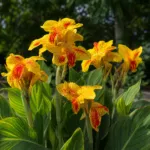
Water canna or Louisiana canna (Canna glauca) is a striking wetland perennial for sunny borders, rain gardens, pond margins, and shallow water. Its upright clumps carry narrow blue-green leaves and pale yellow flowers through much of summer. The rhizomes tolerate cold only in warmer parts of the United States, so gardeners in colder USDA zones should lift and store them before hard freezes. Canna glauca is a clump-forming herbaceous perennial from wet habitats in tropical and subtropical America. It produces narrow blue-green leaves and terminal clusters of pale yellow flowers, and it can grow in moist soil or shallow water.
Taxonomic classification
Water canna or Louisiana canna (Canna glauca) care guide
Light and placement
Give full sun for the strongest flowering, ideally with at least 6 hours of direct light and open sky around the plant. Partial afternoon shade is acceptable in hot climates. Too little light produces weak, stretched stems and fewer flowers; harsh reflected heat combined with drying soil can scorch leaves, especially in containers.
Watering and humidity
Keep soil consistently moist during active growth, watering deeply whenever the surface begins to dry rather than relying on brief sprinkling. Plants in ordinary beds need more frequent irrigation than pond-margin specimens. In shallow water, introduce the plant gradually; reduce watering only after dormancy and never allow stored rhizomes to remain wet.
Soil and growing medium
Use fertile, moisture-retentive soil that still allows oxygen around the rhizomes. Loam, sandy loam, clay amended with organic matter, or aquatic mud can work. The species tolerates acidic through alkaline conditions, but avoid stagnant, poorly aerated soil around rhizomes unless the plant is being grown as an aquatic subject.
Feeding
Apply compost or a balanced slow-release fertilizer when growth begins in spring, then feed lightly during vigorous summer growth if foliage is pale or flowering is weak. Do not fertilize dry, newly transplanted, dormant, or waterlogged plants. Excess nitrogen can produce lush foliage with fewer flowers.
Growth and habit
This perennial forms spreading rhizomatous clumps and produces new shoots from underground stems during warm weather. Growth is strongest in heat, rich soil, and steady moisture. Deadheading can extend the display, while cutting the plant back after frost keeps overwintering manageable and reduces old foliage.
Planting and repotting
Plant rhizomes outdoors after the last spring frost, with buds facing upward and about 5 inches deep. Space plants roughly 12 inches apart for a dense clump, or allow more room for a broader display. Establish evenly moist soil before gradually placing plants in shallow water.
Repot container-grown plants in spring as new shoots emerge, using a large, heavy container filled with rich moisture-retentive soil. Divide crowded rhizomes at the same time. Containers used in water gardens should be introduced to submerged conditions gradually.
Propagation and pruning
Propagation
Divide dormant or newly emerging rhizomes in spring, ensuring each section has a healthy bud or growth point. Seeds can also be sown, but hard seed coats may make germination slower and less uniform; nicking or soaking can improve emergence. Seed-grown plants may vary from cultivated selections.
Pruning
Remove spent flower clusters during the growing season to encourage continued bloom. After frost blackens the foliage, cut stems to the ground. In frost-free climates, remove damaged leaves and old stems as needed while retaining healthy emerging growth.
Overwintering
In USDA Zones 7 and warmer, rhizomes may survive outdoors in a protected site with mulch, although wet winter soil increases rot risk. In colder zones, cut stems after frost, lift rhizomes before hard freezing, and store them in barely dry peat or vermiculite at about 45–50°F. Keep containers cool and dormant indoors.
Uses
Use Canna glauca for pond margins, shallow water, bog gardens, rain gardens, wet borders, and large patio containers. Its upright foliage and yellow flowers provide seasonal structure and color. It can also support wetland wildlife interactions, including butterfly visitation and larval use by the Brazilian skipper. Do not present it as a food or medicinal plant without separate verified preparation and safety evidence.
Appearance
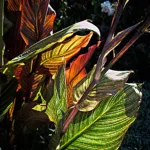
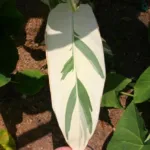
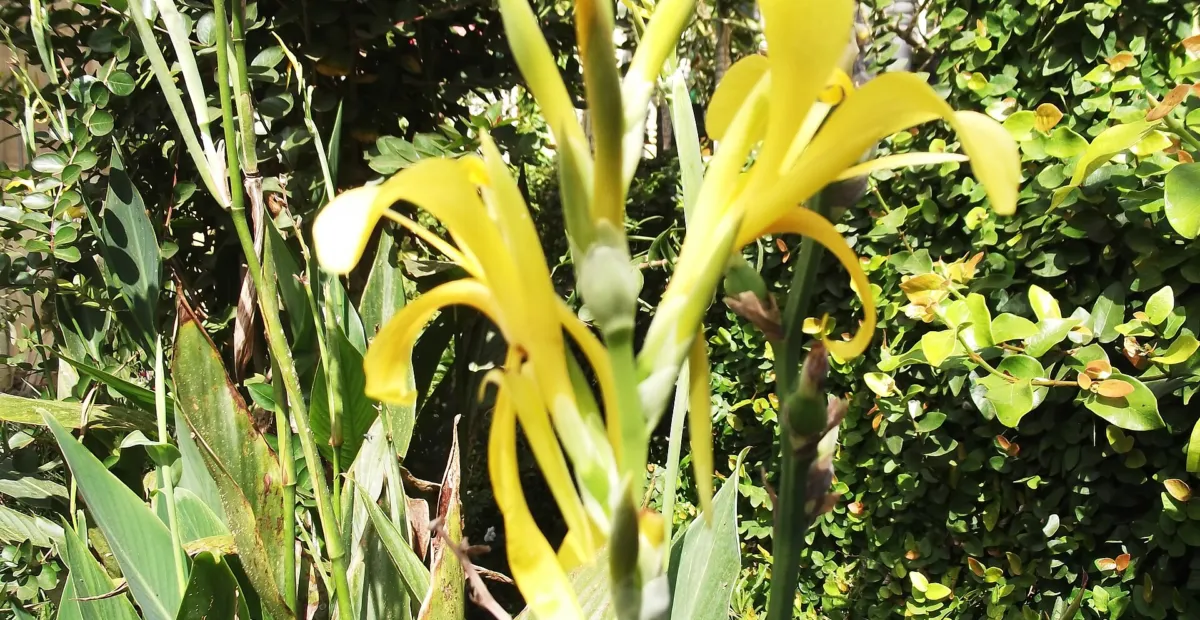
The species has erect stems, clasping narrow leaves, and a blue-green to glaucous surface that distinguishes it from many wider-leaved cannas. Flowers appear at stem tips in loose clusters, followed by rounded green seed capsules that mature later in the season. The underground rhizomes produce a dense, architectural clump.
Flowering
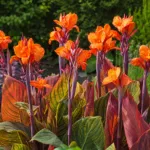
Pale yellow flowers are borne in clusters at the ends of upright stems. Bloom generally continues through summer, and removing spent flowers can encourage additional flowering. The flowers are asymmetrical and largely bilateral, with nectar concealed in a long floral tube; exact bloom timing varies by climate.
Pollination and visitors
Published observations report visits and possible pollination by butterflies, moths, and hummingbirds. The floral structure is specialized, with hidden nectar and a trigger-based pollen presentation system. Visitor composition can vary by region, and the available evidence does not justify naming one universally primary species.
Canna glauca photos
Click any photo for a larger view. Source, author and license are shown separately.
Diseases and pests
Diseases
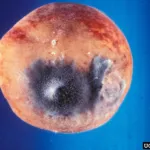
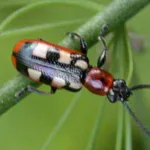
Rhizome rot is the main concern in stagnant or poorly aerated wet soil. Aster yellows can also affect plants, causing abnormal growth and flower distortion. Use clean planting material, improve water movement and drainage where appropriate, remove severely affected plants, and control leafhopper vectors when practical.
Pests
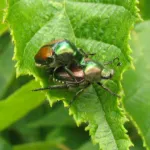
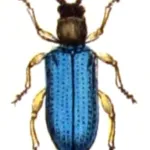
Japanese beetles, leaf-rolling caterpillars, slugs, and snails may chew the foliage. Inspect leaves regularly, hand-pick larger pests, remove hiding places for slugs and snails, and use the least-toxic control appropriate for the site. Avoid unnecessary broad-spectrum insecticides around flowering plants and ponds.
Related diseases and pests
Only Plant Doctor profiles whose host data indicate this plant may be affected are shown here.


Toxicity and pollen
No reliable evidence located indicates clinically significant toxicity for Canna glauca to people or household pets. The plant should still not be intentionally eaten, and any ingestion of large quantities or an unusual reaction warrants medical or veterinary advice. Do not confuse this plant with unrelated toxic species that share the common word “lily.”
- Typical season
- Flowering season, chiefly summer in the United States
- Pollination / pollen
- Mostly retained and transferred by floral visitors
Canna glauca is an insect- and bird-visited flowering plant rather than a wind-pollinated grass or tree. Its pollen is not generally documented as a major airborne allergen, but exact-species allergy studies are scarce; sensitive individuals should avoid handling flowers if symptoms occur.
Native habitat
Native populations occur in tropical and subtropical wetlands of the Americas, including marshes, wet margins, and shallow-water habitats. It commonly occupies wet soils or shallow water with warmth and abundant moisture. In cultivation, oxygenated water and healthy rhizomes are important because prolonged stagnant conditions can promote rot.
Interesting fact
Canna glauca can grow terrestrially in moist soil or as an aquatic plant in shallow water. Its flowers have a specialized pollen-presentation mechanism involving a trigger and spring system. The species has narrow blue-green leaves compared with many broad-leaved garden cannas and is a documented larval host for the Brazilian skipper.
Frequently asked questions (FAQ)
The most relevant questions about this plant, with short and direct answers.
🌱Quick care
What is Canna glauca commonly called?⌄
Canna glauca is commonly called water canna or Louisiana canna. It is a moisture-loving perennial canna with narrow blue-green leaves and usually pale-yellow flowers.
How much sun does water canna need?⌄
Water canna grows best in full sun, meaning at least 6 hours of direct light daily. It tolerates partial shade, but flowering is usually reduced in heavier shade.
How much water does Canna glauca need?⌄
Canna glauca needs consistently moist soil and can tolerate shallow water. It performs well beside ponds, in bog gardens, or in still or slow-moving water up to about 6 inches deep.
How tall does Louisiana canna get?⌄
Louisiana canna typically grows about 4 to 6 feet tall. Height varies with moisture, fertility, sunlight, and growing conditions.
🌤️Environment and placement
Can Canna glauca grow in a pond?⌄
Yes, Canna glauca can grow at the edge of a pond or in shallow, still or slow-moving water. Introduce plants to submerged conditions gradually to reduce stress.
How deep can water be over water canna roots?⌄
Water canna can generally tolerate up to about 6 inches of water over its roots during the growing season. Avoid placing newly planted rhizomes immediately in deeper water.
Can Canna glauca grow in ordinary garden soil?⌄
Yes, Canna glauca grows in rich, moist garden soil as well as aquatic mud. The soil should retain moisture but still provide enough drainage to limit rhizome rot.
Is water canna native to the United States?⌄
Water canna is native to parts of the southern United States, including Texas, Louisiana, Florida, and South Carolina, as well as tropical regions of the Americas. Its native range extends well beyond the United States.
What USDA hardiness zones can grow Canna glauca?⌄
Canna glauca is commonly listed for USDA Zones 7a through 11b, although winter survival depends on local exposure and soil conditions. In colder zones, grow it as a summer plant or overwinter the rhizomes indoors.
💧Care and problems
Why are my Canna glauca leaves turning brown?⌄
Brown leaves can result from frost, drought, intense wind, excessive fertilizer, or pest damage. Check soil moisture and foliage for chewing insects before removing the damaged leaves.
Why is my water canna not blooming?⌄
Water canna may fail to bloom because of insufficient sunlight, overcrowding, cool temperatures, or inadequate nutrition. Move it toward full sun, keep it evenly moist, and avoid excessive shade.
Should I fertilize Canna glauca?⌄
Yes, fertilize Canna glauca during active growth with a balanced fertilizer according to the product label. Rich soil and regular feeding support stronger foliage and more flowers, but excessive fertilizer can damage roots or cause weak growth.
What pests commonly attack Louisiana canna?⌄
Louisiana canna may be damaged by Japanese beetles, leaf-rolling caterpillars, slugs, and snails. Remove heavily affected foliage and use a control method appropriate for the pest and surrounding pond or wildlife habitat.
Can Canna glauca tolerate standing water?⌄
Established Canna glauca can tolerate standing water, especially in shallow pond margins and boggy sites. Poorly drained soil can still cause rhizome rot if the plant is stressed or conditions remain stagnant.
How do I overwinter water canna?⌄
In warm protected areas, leave the rhizomes in the ground after frost and cover them with mulch. In colder areas, dig them after the foliage is killed, store them in barely dry peat or vermiculite at about 45–50°F, and replant after the last spring frost.
🪴Planting and repotting
How deep should I plant Canna glauca rhizomes?⌄
Plant Canna glauca rhizomes at least 5 inches deep in moist soil. Position the growing points upward and firm the soil around the rhizome without compacting it excessively.
How far apart should water canna rhizomes be planted?⌄
Plant water canna rhizomes about 12 inches apart for a dense planting. Give them more room if you want individual clumps to remain visually distinct.
When should I plant Louisiana canna outdoors?⌄
Plant Louisiana canna rhizomes outdoors after the danger of hard frost has passed and the soil has warmed. In colder parts of the United States, start rhizomes indoors and transplant them after the last spring frost.
Can Canna glauca be grown in a container?⌄
Yes, Canna glauca grows well in a large container filled with rich, moisture-retentive soil. Containers need frequent watering, and the plant may be moved indoors before freezing weather.
Can water canna be planted directly in pond mud?⌄
Yes, water canna can be planted directly in wet pond-edge mud or in a submerged container. Keep the crown from being buried too deeply and introduce the plant to water gradually.
✂️Propagation and pruning
How do you propagate Canna glauca?⌄
Canna glauca is most reliably propagated by dividing its rhizomes. Seed propagation is also possible, but germination can be slower because the seeds have a hard coat.
When is the best time to divide Louisiana canna?⌄
Divide Louisiana canna in spring as new growth begins or after the flowering season. Each division should contain a healthy rhizome section with at least one visible growing point, or eye.
Can you grow water canna from seed?⌄
Yes, water canna can be grown from seed, although seed coats may cause dormancy and uneven germination. Rhizome division is usually faster and preserves the characteristics of the parent plant.
Should I deadhead Canna glauca flowers?⌄
Yes, remove spent Canna glauca flowers to keep the plant tidy and encourage continued flowering through summer. You can also remove developing seed pods if seed production is not desired.
When should I cut back water canna?⌄
Cut back water canna after frost has killed the foliage or when the stems decline at the end of the season. In mild climates, trim damaged growth while leaving healthy foliage in place until dormancy begins.
⚠️Toxicity and safety
Is Canna glauca poisonous to people or pets?⌄
The exact toxicity profile of Canna glauca is unresolved, and no reliable major toxicity is established for the species. Because plants may be confused with other cannas and ornamental plants, prevent children and pets from eating unidentified plant material.
Is Canna glauca safe to plant around a pond?⌄
Canna glauca is commonly used around ponds, rain gardens, and wetland plantings. Use caution with fertilizers and pesticides near water, and confirm local recommendations if planting near natural waterways.
🌸Flowering and special interest
When does Canna glauca bloom?⌄
Canna glauca generally blooms during summer, producing clusters of pale-yellow flowers at the ends of upright stems. In warm climates with adequate sun and moisture, flowering can continue for an extended season.
What color are water canna flowers?⌄
Water canna flowers are typically pale yellow to yellow. Some named cultivars associated with Canna glauca may have different flower colors, so cultivar descriptions should be checked separately.
Does Canna glauca attract pollinators?⌄
Yes, Canna glauca flowers can attract butterflies, and the plant serves as a larval host for the Brazilian skipper. Its wetland habitat also makes it useful in wildlife-oriented pond and bog plantings.