 Source:
 Canna lily (Canna ‘Bengal Tiger’) short overview
Canna 'Bengal Tiger' is a striking garden canna with upright purple-red stems, broad green leaves traced by bright yellow stripes, and vivid orange flowers. Often sold under names such as 'Pretoria', it brings a tropical look to sunny borders, patios, poolside plantings, and large containers. Keep the soil consistently moist during active growth; in colder parts of the United States, lift the rhizomes after frost and store them frost-free for winter.
Taxonomic classification
Canna lily (Canna ‘Bengal Tiger’) care guide
Light and placement
Give full sun for the strongest stems, brightest foliage, and best flowering; a south- or west-facing position is suitable when sheltered from strong wind. In very hot climates, light afternoon shade can reduce scorching, but deep shade produces weak growth and few flowers. Pale, stretched growth suggests insufficient light; bleached or crispy leaf patches suggest excessive heat, drought, or reflected sun.
Watering and humidity
Water deeply when the upper inch of soil begins to dry, keeping the root zone consistently moist during active growth. Container plants may need water daily in hot weather, while established beds need less frequent but thorough irrigation. Reduce watering after frost cuts the foliage back, and keep stored rhizomes only barely moist so they do not shrivel or rot.
Soil and growing medium
Use fertile, moisture-retentive but well-drained soil. Loam or sandy loam works well when enriched with compost. Cannas tolerate a broad pH range, from acidic to alkaline, but drainage is essential because waterlogged rhizomes can rot. A consistently moist bed is preferable to a dry, sharply draining soil.
Feeding
Feed after spring growth begins with compost or a balanced fertilizer, then use a high-potassium fertilizer every 2–3 weeks during active growth if flowering and container performance are priorities. Water after feeding. Stop fertilizing as growth slows in fall and do not feed dormant, stored rhizomes.
Growth and habit
This is a vigorous, clump-forming canna that expands from thick rhizomes and makes upright seasonal growth. In warm climates it can become a substantial background plant; in colder regions its annual outdoor display depends on starting stored rhizomes early. Large leaves are vulnerable to wind, hail, drought stress, and rough handling.
Planting and repotting
Plant rhizomes outdoors after the last spring frost, when the soil has warmed. Set them about 5 inches deep with the growing points upward and allow roughly 12 inches between rhizomes; use wider spacing for a more open clump. Water thoroughly after planting and keep the bed evenly moist while shoots establish.
Repot container plants in spring as growth resumes, using a large, heavy container with drainage holes and a rich, well-drained potting mix. Refresh the upper layer of mix annually if the plant is not being divided. Move up one container size only when the rhizomes are crowded or the plant dries unusually quickly.
Propagation and pruning
Propagation
Divide rhizomes in early spring as shoots begin to develop. Each division should retain a healthy bud or growing point. Seed is possible in cannas generally, but cultivar seedlings may not reproduce the distinctive foliage and flower combination reliably; division is the preferred method for maintaining 'Bengal Tiger'.
Pruning
Remove spent flower clusters to encourage continued bloom and improve appearance. After the first frost blackens the foliage, cut the plant back to the ground. Do not cut healthy green foliage prematurely because it continues to support rhizome storage.
Overwintering
In USDA Zones 7–10, rhizomes may survive outdoors with excellent drainage and a deep mulch layer, although severe or prolonged freezes remain risky. In colder areas, lift rhizomes after frost blackens the foliage, let surfaces dry, and store them in barely moist peat, vermiculite, or similar medium at about 45–50°F in a cool, frost-free place.
Uses
Primarily an ornamental foliage and flowering plant for borders, mass plantings, containers, poolside landscapes, and tropical-style gardens. Its sturdy flower stems can be used as cut flowers, though the large foliage and tall habit often make it more valuable as a landscape accent. It is not a recommended culinary or medicinal plant in this profile.
Appearance
The plant forms an upright clump of purple-red stems carrying large, paddle-shaped leaves. The most diagnostic feature is the vivid yellow striping that follows the leaf veins across a green background, often combined with a darker maroon margin. Bright orange flowers rise above the foliage in warm weather, but some gardeners grow it chiefly for the dramatic leaves.
Flowering
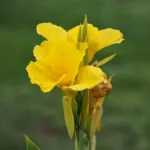
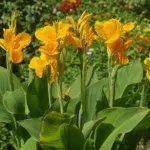
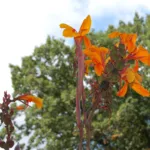
The cultivar produces terminal racemes or clusters of vivid orange flowers on erect stems in the warm growing season. Blooms are most reliable with strong light and adequate moisture. Deadheading spent flowers can encourage additional flowering, although the striped foliage remains a major ornamental feature even when flowers are absent.
Pollination and visitors
Canna flowers can be visited by insects, but reliable cultivar-specific pollinator records are limited. The large, showy orange flowers provide floral resources during the warm season; the cultivar’s low reported seed and pollen fertility may limit reproductive value compared with fertile species plants.
Canna 'Bengal Tiger' photos
Click any photo for a larger view. Source, author and license are shown separately.
Diseases and pests
Diseases
Prevent rhizome rot by avoiding stagnant, poorly drained soil. Watch for canna mosaic virus, leaf spot, rust, bacterial blight, bud rot, and aster yellows. Remove and discard badly infected tissue, improve air circulation, control aphids that can spread some diseases, and avoid saving visibly diseased rhizomes.
Pests
Aphids, Japanese beetles, caterpillars including leaf rollers, slugs, snails, and spider mites may damage foliage or buds. Inspect new growth regularly, remove pests by hand or with water where practical, keep weeds down, and use targeted controls only when damage is significant. Avoid unnecessary broad-spectrum insecticides during bloom.
Related diseases and pests
Only Plant Doctor profiles whose host data indicate this plant may be affected are shown here.
 PestCitrus mealybugPlanococcus citri
 DiseaseAster yellows‘Candidatus Phytoplasma asteris’
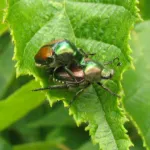 PestJapanese beetlePopillia japonica
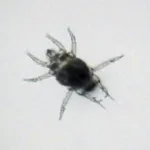 PestBroad mitePolyphagotarsonemus latus (Banks)
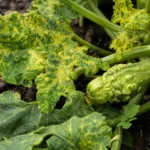 DiseaseZucchini yellow mosaicZucchini yellow mosaic virus
 DiseaseBean yellow mosaicBean yellow mosaic virus
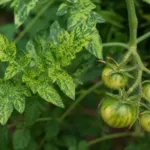 DiseaseTomato mosaic virusTobamovirus tomatotessellati
 PestCereal leaf beetleOulema melanopus
Toxicity and pollen
Canna lily is listed by the ASPCA as non-toxic to dogs and cats. That designation does not mean large amounts of plant material are suitable food, and any plant can cause mild digestive upset if eaten. Wash hands after handling soil or plant debris and seek professional advice if a child or animal develops symptoms after ingestion.
- Typical season
- During flowering, usually summer to early fall
- Pollination / pollen
- Mostly retained in insect-pollinated flowers
Cannas are insect-pollinated and their pollen is generally not released in the same abundant, windborne manner as grasses, ragweed, or many wind-pollinated trees. No cultivar-specific airborne allergy data were found, so the low rating reflects limited expected exposure rather than proof of zero risk. Sensitive people should still avoid rubbing eyes after handling flowers.
Native habitat
The cultivar is a garden hybrid selection rather than a naturally occurring wild population. Cannas generally perform best in warm, bright habitats with fertile soils and reliable moisture, including sunny borders and wet-margin conditions. They tolerate heat well, but cold winters can freeze the rhizomes.
Interesting fact
The cultivar is frequently sold under the name 'Pretoria'. Its ornamental appeal comes from both the flowers and the strongly striped foliage. It received an Award of Garden Merit in the RHS 2002 outdoor canna trials under the name 'Bengal Tiger'.
Frequently asked questions (FAQ)
The most relevant questions about this plant, with short and direct answers.
🌱Quick care
What is Canna 'Bengal Tiger'?⌄
Canna 'Bengal Tiger' is a variegated canna cultivar grown for its green leaves marked with yellow stripes and its vivid orange flowers. It is a warm-season, rhizomatous perennial in the Cannaceae family.
How much sun does Canna 'Bengal Tiger' need?⌄
Give Canna 'Bengal Tiger' full sun for the strongest growth, best flowering, and most pronounced variegation. It tolerates partial shade, but flowering may be reduced in lower light.
How often should I water Canna 'Bengal Tiger'?⌄
Keep the soil evenly moist while Canna 'Bengal Tiger' is actively growing. Water when the surface begins to dry, but avoid persistently stagnant conditions in containers or poorly drained beds.
How tall does Canna 'Bengal Tiger' get?⌄
Canna 'Bengal Tiger' commonly grows about 4 to 5 feet tall, although height varies with climate, fertility, and growing conditions. In containers or shorter seasons, plants may remain smaller.
🌤️Environment and placement
What USDA hardiness zones are suitable for Canna 'Bengal Tiger'?⌄
Canna 'Bengal Tiger' is best treated as frost-tender in the United States, with outdoor overwintering most dependable in warmer USDA Zones 8 through 11. Gardeners in colder zones should lift and store the rhizomes or grow the plant in a container.
Can Canna 'Bengal Tiger' grow in partial shade?⌄
Yes, Canna 'Bengal Tiger' tolerates partial shade, especially when the soil remains moist. Choose full sun whenever possible because shade can produce fewer flowers and less vigorous growth.
What is the best soil for Canna 'Bengal Tiger'?⌄
Use moist, fertile, well-drained loam or sandy loam for Canna 'Bengal Tiger'. Improve heavy clay or very sandy soil with organic matter while preserving reliable drainage around the rhizomes.
Can Canna 'Bengal Tiger' grow near a pond or water feature?⌄
Yes, Canna 'Bengal Tiger' performs well near ponds and other water features when planted in fertile soil that stays moist. Do not place the rhizomes in cold, stagnant water unless the growing system is specifically designed for aquatic cannas.
💧Care and problems
Why are the leaves of my Canna 'Bengal Tiger' losing their yellow stripes?⌄
Reduced yellow striping can result from insufficient light, stress, or new growth that has not fully developed its mature pattern. Move the plant toward brighter light and maintain steady moisture, but recognize that variegation can naturally vary between leaves.
Why is my Canna 'Bengal Tiger' not blooming?⌄
The most common reasons are inadequate sunlight, immature growth, cool temperatures, or excessive nitrogen. Provide full sun, regular moisture, and balanced feeding, and allow the plant a sufficiently long warm growing season.
What pests attack Canna 'Bengal Tiger'?⌄
Canna 'Bengal Tiger' may be attacked by leaf rollers, aphids, caterpillars, Japanese beetles, slugs, and snails. Inspect unfurling leaves and flower buds regularly, remove damaged tissue, and use a control method labeled for the pest and plant.
How do I control canna leaf rollers on Canna 'Bengal Tiger'?⌄
Open or remove rolled leaves containing caterpillars and discard badly damaged stems. Regular inspection is often effective for light infestations; use only a product labeled for ornamental cannas when additional control is needed.
Why are the leaves of Canna 'Bengal Tiger' turning brown?⌄
Brown leaves can indicate drought stress, leaf scorch, pests, disease, or damage from cold. Check soil moisture, improve airflow, avoid wetting the foliage late in the day, and remove severely damaged leaves.
Can Canna 'Bengal Tiger' get canna mosaic virus?⌄
Yes, Canna 'Bengal Tiger' can be affected by canna viruses, which may cause abnormal striping, mottling, distortion, or declining vigor. Isolate suspicious plants, remove severely affected material, and control aphids because they can spread some viruses.
Should I fertilize Canna 'Bengal Tiger'?⌄
Yes, feed Canna 'Bengal Tiger' during active growth with a balanced fertilizer according to the product label. Avoid excessive nitrogen, which can encourage leaves at the expense of flowers and may weaken growth.
🪴Planting and repotting
When should I plant Canna 'Bengal Tiger' rhizomes?⌄
Plant Canna 'Bengal Tiger' rhizomes in spring after the danger of frost has passed and the soil has warmed. In much of the United States, planting after consistently warm nights gives the rhizomes a faster start.
How deep should I plant Canna 'Bengal Tiger' rhizomes?⌄
Plant Canna 'Bengal Tiger' rhizomes about 2 to 4 inches deep with the growing points facing upward. Space them approximately 12 to 18 inches apart so the clumps have room to expand.
Can Canna 'Bengal Tiger' be grown in a container?⌄
Yes, Canna 'Bengal Tiger' grows well in a large container filled with fertile, well-drained potting mix. Choose a heavy pot that can support a tall plant, provide drainage holes, and keep the mix consistently moist.
How do I overwinter Canna 'Bengal Tiger' in cold climates?⌄
After frost blackens the foliage, cut the stems back, lift the rhizomes, and let excess soil dry from the surface. Store them in a cool, dark, frost-free place in barely moist packing material, checking periodically for rot or excessive dryness.
Can I leave Canna 'Bengal Tiger' in the ground over winter?⌄
Leave Canna 'Bengal Tiger' in the ground only where winters are mild and the soil does not freeze deeply. In colder USDA Zones, frost and wet winter soil can kill or rot the rhizomes, so lifting them is safer.
✂️Propagation and pruning
How do I propagate Canna 'Bengal Tiger'?⌄
Propagate Canna 'Bengal Tiger' primarily by dividing its rhizomes in early spring. Separate sections with at least one healthy growing eye, then replant them in warm soil with the eyes facing upward.
Can Canna 'Bengal Tiger' be grown from seed?⌄
Canna 'Bengal Tiger' is best propagated by rhizome division because seed may be unreliable and may not reproduce the parent’s variegated foliage. Seed-grown plants can differ in flower color, foliage pattern, or overall form.
When should I divide Canna 'Bengal Tiger' clumps?⌄
Divide Canna 'Bengal Tiger' clumps in early spring just before active growth begins or when stored rhizomes are being prepared for planting. Division every few years can reduce overcrowding and restore vigor.
Should I prune Canna 'Bengal Tiger'?⌄
Prune Canna 'Bengal Tiger' mainly by removing spent flowers, damaged leaves, and frost-killed stems. Cut the plant to the ground after the first damaging frost when preparing it for winter storage.
⚠️Toxicity and safety
Is Canna 'Bengal Tiger' toxic to dogs and cats?⌄
Canna 'Bengal Tiger' is generally considered non-toxic to dogs and cats, but ingestion can still cause stomach upset or become a choking risk. Prevent pets and children from eating the plant, and contact a veterinarian or poison service if concerning symptoms occur.
🌸Flowering and special interest
When does Canna 'Bengal Tiger' bloom?⌄
Canna 'Bengal Tiger' generally blooms from summer into early fall when it receives sufficient warmth, moisture, and sunlight. In short-season areas, flowering may begin later or be limited by early frost.
What color are the flowers on Canna 'Bengal Tiger'?⌄
Canna 'Bengal Tiger' produces bright orange flowers, often carried above purple-tinged stems. The flowers contrast strongly with its green-and-yellow variegated foliage.
How do I encourage more flowers on Canna 'Bengal Tiger'?⌄
Provide full sun, steady moisture, adequate fertility, and a long warm growing season to encourage more flowers. Deadhead spent blooms and seedpods so the plant can continue producing fresh flower stalks.