 Source:
 Canna lily (Canna ‘Pacific Beauty’) short overview
Canna 'Pacific Beauty' is a striking garden-origin canna valued for intensely bright orange flowers and dark bronze to purple-toned foliage. It forms an upright, clumping display in full sun, flowering through the warm season when supplied with fertile, consistently moist soil. Grow it in beds, large containers, rain-garden settings, or as a dramatic cut-flower plant; lift and store the rhizomes where winter freezes are severe.
Taxonomic classification
Canna lily (Canna ‘Pacific Beauty’) care guide
Light and placement
Give full sun for the strongest flowering, ideally in an open south- or west-facing position protected from persistent wind. Partial shade is tolerated but may reduce flower production and weaken stems. Pale, stretched growth or sparse blooming suggests insufficient light; scorched leaf margins can indicate intense heat combined with inadequate moisture rather than excess light alone.
Watering and humidity
Water deeply and regularly so the soil stays evenly moist, especially during hot weather, container cultivation, and flowering. Do not allow containers to dry repeatedly, but avoid stagnant water around stored or dormant rhizomes. Increase frequency during heat and reduce watering after frost cuts back growth or while rhizomes are dormant.
Soil and growing medium
Use fertile, moisture-retentive soil that still drains freely. A loam enriched with compost is ideal; sandy soils need more organic matter and frequent irrigation. The available horticultural guidance accepts acidic, neutral, and alkaline conditions, so extreme pH correction is usually unnecessary unless the soil is visibly unbalanced.
Feeding
Feed in spring after active growth starts with compost plus a balanced slow-release fertilizer, or use a dilute liquid feed during vigorous summer growth. Avoid heavy late-season nitrogen, which can produce lush foliage and delay hardening before storage. Do not fertilize dry, wilted, or dormant rhizomes.
Growth and habit
This warm-season perennial emerges from underground rhizomes and develops vigorous upright leafy clumps. Growth is fastest in heat, moisture, and fertile soil. The foliage remains attractive even when flowers pause, while spent stems and frost-damaged leaves should be cut back to keep the planting tidy.
Planting and repotting
Plant outdoors after the danger of hard frost has passed and the soil has warmed. Set rhizomes about 3–5 inches deep with the growing points upward, then water thoroughly. Allow enough room for the clump to expand and keep the planting evenly moist while roots establish.
Repot container-grown rhizomes in spring as growth begins, using a large, stable container with drainage holes. Refresh crowded clumps by dividing the rhizomes rather than repeatedly shifting the entire plant into a slightly larger pot.
Propagation and pruning
Propagation
Divide dormant or freshly emerging rhizomes in spring, ensuring each division has at least one healthy growth bud. Replant divisions promptly in warm, moist soil. Seed is possible for cannas generally but may not reproduce this named cultivar faithfully.
Pruning
Remove spent flower heads to improve appearance and encourage continued bloom. After frost blackens the foliage, cut stems back near the soil line. In frost-free climates, remove only damaged or declining growth; in colder climates, cut back before lifting and storing rhizomes.
Overwintering
In USDA Zones 7b and warmer, established rhizomes may overwinter outdoors in suitable protected sites, especially with mulch. In colder regions, cut back frost-damaged stems, lift rhizomes after the first frost, let them dry briefly, and store them in barely moist peat or vermiculite in a cool, frost-free place. Recheck for rot during storage.
Uses
A bold ornamental for tropical-style borders, large containers, rain gardens, pond margins, and cut-flower arrangements. Its flowers and tall foliage can contribute to pollinator-oriented plantings, although it is a cultivated hybrid rather than a regionally native species. Do not treat it as a food or medicinal plant without verified preparation guidance.
Appearance
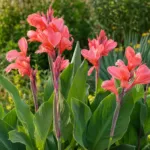
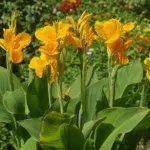
The plant is recognized by broad, lance-shaped leaves carried on upright, fleshy stems, with foliage ranging from bronze-purple to dark purple-green. Strongly colored leaves provide contrast even before flowering. Erect spikes carry saturated orange blooms that can appear fluorescent in bright light, giving the cultivar a distinctly tropical visual effect.
Flowering
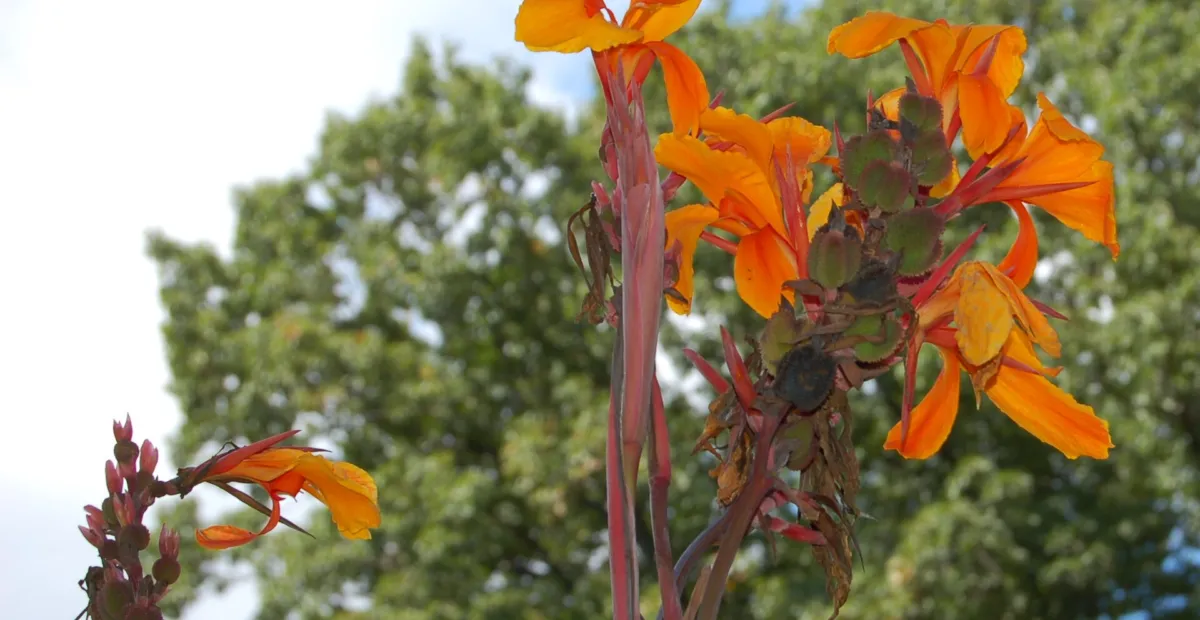
The cultivar produces showy orange to orange-yellow flowers on erect stems, with flowering typically beginning in the warm season and continuing into early fall under good conditions. Deadheading spent flower clusters can maintain a cleaner display and may encourage continued flowering, although individual bloom timing varies by climate and winter treatment.
Pollination and visitors
Bright, open canna flowers are visited by insects and may also attract hummingbirds in suitable gardens. Available horticultural descriptions specifically characterize this cultivar as attractive to hummingbirds and pollinators, but a cultivar-specific primary pollinator species is not well documented.
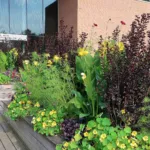
Canna 'Pacific Beauty' photos
Click any photo for a larger view. Source, author and license are shown separately.
Diseases and pests
Diseases
Avoid chronically waterlogged soil and remove dead foliage promptly. Watch for fungal leaf spots and rust, especially in crowded, humid plantings; improve air circulation, water at the soil line, and remove badly affected leaves. Discard severely infected debris rather than composting it.
Pests
Inspect leaves for Japanese beetles, caterpillars, spider mites, aphids, and thrips. Remove large pests by hand, rinse foliage when practical, and avoid routine broad-spectrum insecticides during bloom. Keep plants vigorous with consistent moisture and divide congested clumps to reduce stress.
Related diseases and pests
Only Plant Doctor profiles whose host data indicate this plant may be affected are shown here.
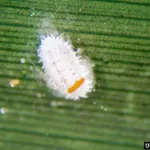 PestCitrus mealybugPlanococcus citri
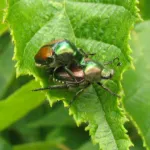 PestJapanese beetlePopillia japonica
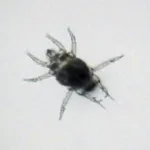 PestBroad mitePolyphagotarsonemus latus (Banks)
 Environmental stressWaterlogging
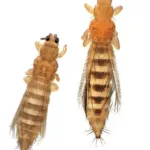 PestOnion thripsThrips tabaci Lindeman
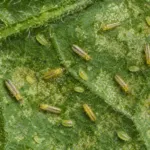 PestMelon thripsThrips palmi Karny
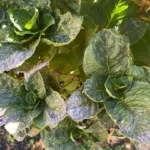 PestChilli thripsScirtothrips dorsalis Hood
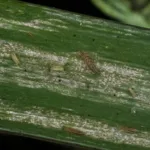 PestDracaena ThripsParthenothrips dracaenae
Toxicity and pollen
Reliable plant-specific toxicity evidence for this named cultivar is limited. Canna is not identified as a major toxic garden plant in the sources reviewed, but ingestion of unfamiliar plant material can still cause stomach upset. Keep rhizomes and foliage away from children and pets that chew plants, and seek professional advice after significant ingestion.
- Typical season
- During flowering, chiefly summer to early fall
- Pollination / pollen
- Heavy, insect-carried pollen
Canna is insect-pollinated, so its pollen is generally heavier and less readily dispersed through the air than pollen from wind-pollinated trees, grasses, and weeds. This supports a low airborne-allergy classification, not a guarantee of zero risk; sensitive people may still react through close contact with flowers or plant material.
Native habitat
The cultivar has garden origin and does not represent a single wild habitat. Its Canna background is associated with warm, moist environments, and cultivated plants perform best in fertile soils with reliable moisture, including sheltered borders, pond edges, and rain-garden conditions.
Interesting fact
This cultivar is also listed under the synonym Canna 'Sémaphore'. Its unusually vivid orange flowers contrast strongly with bronze-purple foliage. The plant was maintained in the JC Raulston Arboretum collection for many years. Cannas are rhizomatous plants rather than true lilies.
Frequently asked questions (FAQ)
The most relevant questions about this plant, with short and direct answers.
🌱Quick care
What is Canna 'Pacific Beauty'?⌄
Canna 'Pacific Beauty' is a tall, rhizomatous flowering perennial in the Cannaceae family, commonly documented as a canna lily. It is valued for vivid orange flowers and ornamental foliage.
How much sun does Canna 'Pacific Beauty' need?⌄
Give Canna 'Pacific Beauty' full sun for the strongest growth and flowering. It tolerates partial shade, but reduced light may produce fewer flowers and weaker stems.
How often should I water Canna 'Pacific Beauty'?⌄
Water Canna 'Pacific Beauty' whenever the soil surface begins to dry, keeping the root zone evenly moist. Increase watering during hot, dry weather, but avoid permanently saturated soil unless drainage is excellent.
What soil is best for Canna 'Pacific Beauty'?⌄
Plant Canna 'Pacific Beauty' in fertile, moisture-retentive but well-drained soil. Enrich poor soil with compost before planting to support its vigorous seasonal growth.
How tall does Canna 'Pacific Beauty' get?⌄
Canna 'Pacific Beauty' can reach about 5 to 6 feet tall in favorable conditions, with a typical spread of roughly 2 to 3 feet. Height varies with climate, moisture, and growing conditions.
🌤️Environment and placement
What USDA hardiness zones can grow Canna 'Pacific Beauty' outdoors?⌄
Canna 'Pacific Beauty' is generally suited to USDA Zones 7b through 10b when grown as a hardy outdoor perennial. In colder zones, lift and store the rhizomes before hard freezes.
Can Canna 'Pacific Beauty' grow in partial shade?⌄
Yes, Canna 'Pacific Beauty' tolerates partial shade, but full sun is preferable for dense growth and abundant blooms. Morning sun or bright afternoon light is especially helpful in shaded locations.
Can Canna 'Pacific Beauty' grow in a rain garden or wet area?⌄
Canna 'Pacific Beauty' can handle consistently moist soil and may perform well near a rain garden or pond edge. Do not place it where water remains stagnant around the rhizomes for long periods.
Can Canna 'Pacific Beauty' grow in containers?⌄
Yes, Canna 'Pacific Beauty' can be grown in a large, heavy container with drainage holes. Use fertile potting mix, keep it evenly moist, and choose a container that can support a plant several feet tall.
💧Care and problems
How do I fertilize Canna 'Pacific Beauty'?⌄
Feed Canna 'Pacific Beauty' with compost or a balanced slow-release fertilizer during active growth. Avoid excessive nitrogen, which can encourage lush foliage while reducing flowering.
Why is my Canna 'Pacific Beauty' not blooming?⌄
The most common causes are insufficient sun, irregular moisture, excess nitrogen, or a short growing season. Move it toward full sun, keep the soil evenly moist, and avoid high-nitrogen feeding.
How do I deadhead Canna 'Pacific Beauty'?⌄
Remove spent flower clusters and cut the flowering stem back once it has finished producing blooms. Deadheading improves appearance and can encourage additional flowering during the growing season.
Why are the leaves of Canna 'Pacific Beauty' turning brown?⌄
Brown leaves are commonly caused by drought, hot reflected heat, wind, or frost damage. Keep the soil evenly moist and remove badly damaged foliage after correcting the growing conditions.
What pests commonly affect Canna 'Pacific Beauty'?⌄
Canna 'Pacific Beauty' may be affected by caterpillars, aphids, spider mites, or fungal leaf problems. Inspect leaves regularly and improve airflow while avoiding prolonged wetness on the foliage.
Should I cut back Canna 'Pacific Beauty' in fall?⌄
Cut Canna 'Pacific Beauty' back after frost or once the foliage has naturally died back. In warm climates where the rhizomes remain outdoors, remove dead growth and mulch the planting lightly.
🪴Planting and repotting
When should I plant Canna 'Pacific Beauty' outdoors?⌄
Plant Canna 'Pacific Beauty' outdoors after the danger of hard frost has passed and the soil has warmed. In colder parts of the United States, start rhizomes indoors several weeks earlier for a longer flowering season.
How deep should I plant Canna 'Pacific Beauty' rhizomes?⌄
Plant Canna 'Pacific Beauty' rhizomes about 2 to 4 inches deep with the growing points facing upward. Space them roughly 18 to 24 inches apart, allowing extra room for vigorous clumps.
Can I plant Canna 'Pacific Beauty' near a pond?⌄
Yes, Canna 'Pacific Beauty' can be planted near a pond where the soil stays moist but is not permanently submerged. Keep the rhizomes in well-drained soil rather than placing them directly in standing water.
How do I overwinter Canna 'Pacific Beauty' in cold climates?⌄
After frost kills the foliage, dig the rhizomes, let them dry briefly, and store them in a cool, dark, frost-free place in barely moist peat, vermiculite, or similar material. Check them periodically and discard any sections that rot.
Can Canna 'Pacific Beauty' stay in the ground over winter?⌄
It can usually remain in the ground in mild climates around USDA Zone 7b and warmer, especially with winter mulch. In colder or poorly drained sites, lifting the rhizomes is safer.
✂️Propagation and pruning
How do I propagate Canna 'Pacific Beauty'?⌄
The most reliable method is dividing the rhizomes in spring before active growth begins. Each division should contain at least one healthy eye or growing point and a firm section of rhizome.
Can Canna 'Pacific Beauty' be grown from seed?⌄
Yes, Canna 'Pacific Beauty' can produce seeds, but seedlings may not reproduce the parent plant exactly. Division is preferred when you want to preserve the cultivar's characteristic flowers and foliage.
When should I divide Canna 'Pacific Beauty'?⌄
Divide Canna 'Pacific Beauty' in early spring as new shoots begin to emerge or just before planting outdoors. Dividing at this time makes it easier to identify viable growing points and reduces transplant stress.
⚠️Toxicity and safety
Is Canna 'Pacific Beauty' toxic to dogs or cats?⌄
Significant toxicity has not been firmly confirmed for Canna 'Pacific Beauty' specifically. Because plant reactions can vary and cultivar-specific safety data are limited, prevent pets and children from chewing the foliage, flowers, or rhizomes and contact a veterinarian or poison-control service if ingestion occurs.
🌸Flowering and special interest
What color flowers does Canna 'Pacific Beauty' have?⌄
Canna 'Pacific Beauty' produces intense orange to pumpkin-orange flowers, sometimes described as having deeper red markings. The blooms are held above the foliage on tall upright stems.
When does Canna 'Pacific Beauty' bloom?⌄
Canna 'Pacific Beauty' generally blooms from summer into fall, with flowering continuing until frost in a sufficiently warm, sunny season. Earlier planting and consistent moisture can help extend the display.
Does Canna 'Pacific Beauty' attract hummingbirds?⌄
Yes, the bright orange flowers of Canna 'Pacific Beauty' can attract hummingbirds and other pollinators. Plant it in full sun where the blooms are easy to see and access.
Is Canna 'Pacific Beauty' good for cut flowers?⌄
Canna 'Pacific Beauty' can be used as a cut flower, although its main ornamental value is usually in the garden. Cut stems when flowers are freshly open and keep the vase water clean.