
 Source:
 Canna lucifer short overview
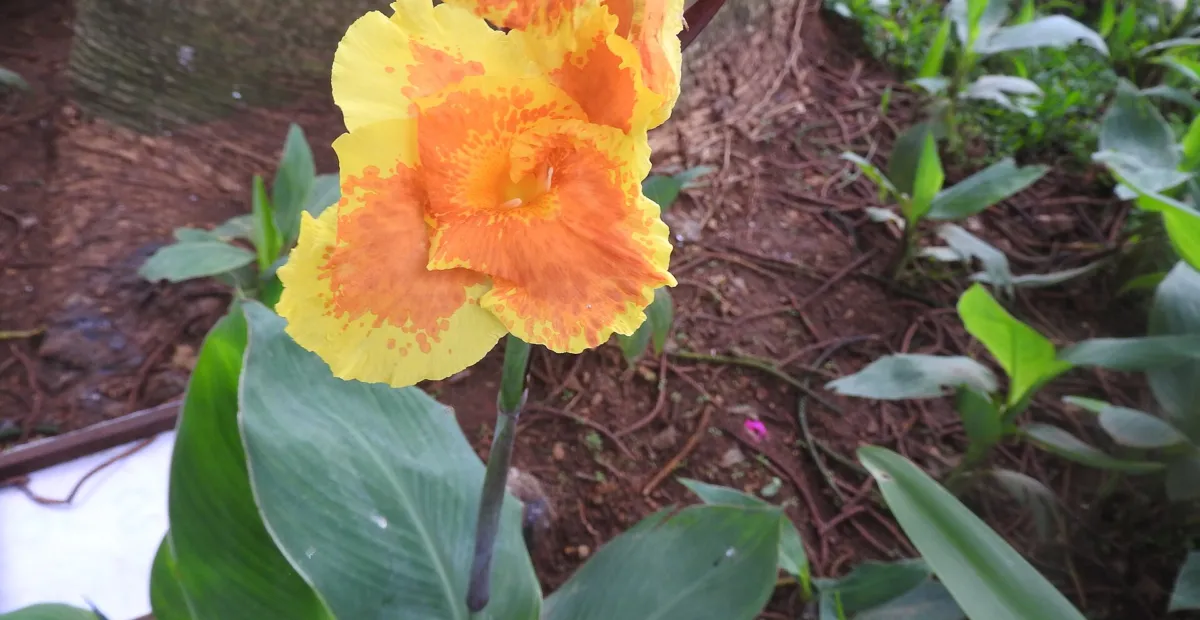
Canna lucifer is a compact, clump-forming canna cultivar grown for its vivid red flowers with yellow margins and bold green, paddle-shaped leaves. It performs best in full sun with rich, evenly moist but well-drained soil. Plant rhizomes after the last spring frost, water regularly during active growth, and cut back and lift the rhizomes before hard freezes in colder parts of the United States. Canna lucifer is a compact, clump-forming canna cultivar with green paddle-shaped leaves and vivid red flowers edged in yellow. It grows rapidly in warm weather and performs best in full sun, fertile soil, and consistent moisture.
Taxonomic classification
Canna lucifer care guide
Light and placement
Give full sun, ideally at least 6 hours of direct light, in a south- or west-facing bed or container. A sheltered position helps prevent wind damage to the broad leaves. Too little light produces weak, floppy growth and fewer flowers; intense heat combined with reflected light may scorch leaves, especially when the plant is drought-stressed.
Watering and humidity
Water deeply when the upper soil begins to dry, keeping the root zone evenly moist during active growth. Containers may need watering more often than beds, especially in summer heat. Reduce watering after foliage dies back and keep stored rhizomes only slightly dry; excessive winter moisture encourages rot.
Soil and growing medium
Use fertile loam or sandy loam amended with compost, but avoid stagnant, waterlogged ground. Good drainage helps prevent rhizome rot while consistent moisture supports flowering. Canna tolerates a broad soil-pH range from acidic through alkaline, so pH correction is usually unnecessary unless a soil test identifies a specific problem.
Feeding
In fertile soil, incorporate compost before planting. Once plants are actively growing, feed every 2–3 weeks with a balanced or slightly high-potassium fertilizer at label strength to support flowering. Avoid heavy feeding into late fall, when the plant is entering dormancy, and do not fertilize drought-stressed or waterlogged plants.
Growth and habit
A fast-growing rhizomatous perennial, this cultivar forms a dense clump of upright leafy stems during warm weather. It fills out quickly once established and flowers more reliably with steady moisture and full sun. Remove spent flower spikes to encourage continued display, and divide congested rhizomes every few years if vigor declines.
Planting and repotting
Plant outdoors in spring after the last frost, when the soil has warmed. Set rhizomes about 4–6 inches deep with the growing points facing upward; allow roughly 12–24 inches between plants for a full clump. Keep the bed evenly moist while shoots establish, and protect new growth from late cold snaps.
Repot container-grown rhizomes in spring when new growth begins, using a large, stable container with drainage holes. Refresh crowded clumps by dividing the rhizomes rather than moving the entire plant into an excessively large pot. Replant at the same general depth used previously and water thoroughly after planting.
Propagation and pruning
Propagation
Divide rhizomes in spring as growth begins. Separate pieces only when each division has at least one healthy growing point, then replant promptly. Seed is not the preferred method for maintaining a named cultivar because seedlings may not reproduce the parent plant consistently.
Pruning
Deadhead faded flower clusters to maintain a tidy display and encourage additional flowering. After the first hard frost blackens the foliage, cut stems back near ground level. Do not cut healthy foliage early in the season because it supplies energy to the rhizome.
Overwintering
After frost damages the foliage, cut stems back, lift rhizome clumps, and let them dry briefly. Store them in barely moist peat, vermiculite, or similar material in a cool, dark, frost-free place, ideally above 40°F. In warm regions, leave rhizomes in the ground with excellent drainage and a protective mulch, but survival is site-dependent.
Uses
Use Canna lucifer in sunny flower borders, mass plantings, patio containers, seasonal bedding displays, and as a cut flower. Its compact habit suits smaller gardens better than tall canna cultivars. Red-flowered cannas can provide nectar or floral resources for hummingbirds and other visitors, but this cultivar should not be promoted as a wildlife-only plant without regional observation.
Appearance
The plant has upright stems wrapped by broad, paddle-shaped green leaves. The foliage creates a bold tropical texture, while branching or terminal flower spikes carry bright red blooms with yellow edging. Its compact clumping habit and green foliage distinguish it from taller cannas and dark-leaved cultivars.
Flowering
This cultivar produces terminal spikes of showy, asymmetrical canna flowers above the foliage. Flowers are vivid red with contrasting yellow margins and are freely produced in warm conditions. In the United States, flowering is generally concentrated from midsummer into early fall, with timing varying by planting date, region, and overwintering success.
Pollination and visitors
Red-flowered cannas are documented as attractive to hummingbirds, and canna flowers may also be visited by bees, bumblebees, and butterflies. Visitor activity depends on local populations, weather, and access to nectar and pollen; a specific pollinator species is not sufficiently documented for this cultivar.
Canna lucifer photos
Click any photo for a larger view. Source, author and license are shown separately.
Diseases and pests
Diseases
Canna viruses, rust, bud rot, and aster yellows may occur. Buy clean, reputable planting stock, avoid overhead irrigation, provide good air movement, and remove badly symptomatic plants because viral infections are not curable. Soft, collapsing rhizomes usually indicate excessive moisture or rot; discard affected tissue and improve drainage.
Pests
Slugs, snails, caterpillars, aphids, Japanese beetles, and spider mites may damage leaves or buds. Inspect undersides of leaves regularly, remove pests by hand where practical, reduce hiding places for slugs, and use targeted treatments only when necessary. Strong infestations can reduce vigor and flowering.
Related diseases and pests
Only Plant Doctor profiles whose host data indicate this plant may be affected are shown here.
 PestCitrus mealybugPlanococcus citri
 DiseaseAster yellows‘Candidatus Phytoplasma asteris’
 DiseaseRhizopus soft rotRhizopus stolonifer
 PestJapanese beetlePopillia japonica
 DiseaseBacterial soft rotPectobacterium carotovorum
 DiseaseRhizoctonia DiseasesRhizoctonia solani Kühn
 PestCereal leaf beetleOulema melanopus
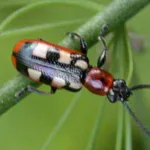 PestAsparagus BeetleCrioceris asparagi
Toxicity and pollen
Canna is not generally listed as a highly poisonous garden plant, but plant material can still cause mild gastrointestinal upset if eaten in quantity. Sap and plant debris may irritate sensitive skin. Do not allow children or pets to chew large amounts, and contact a medical or veterinary professional if concerning symptoms follow ingestion.
- Typical season
- During flowering, mainly summer into early fall
- Pollination / pollen
- Animal-dispersed pollen; limited airborne exposure expected
Canna flowers are generally animal-pollinated rather than adapted for abundant wind dispersal, so airborne pollen exposure is expected to be limited. However, cultivar-specific aeroallergen studies are not available, and low exposure should not be treated as zero allergy risk for highly sensitive people.
Native habitat
Canna is a tropical and subtropical American genus associated with warm climates, fertile soils, seasonal moisture, and sunny margins. Canna lucifer is a cultivated garden selection rather than a wild species habitat plant. In the United States it is commonly grown as a summer ornamental and overwintered indoors or as stored rhizomes where winters are cold.
Interesting fact
The cultivar is notably shorter and more compact than many landscape cannas. Its red flowers have contrasting yellow margins, making the plant effective in massed bedding and containers. Canna rhizomes are storage organs that allow rapid regrowth after winter dormancy. The genus has showy petal-like staminodes rather than ordinary flower petals.
Frequently asked questions (FAQ)
The most relevant questions about this plant, with short and direct answers.
🌱Quick care
What is Canna lucifer?⌄
Canna lucifer is a compact, clump-forming canna grown for bold green foliage and red flowers edged in yellow. It is a rhizomatous perennial that is often marketed in the United States as a dwarf or compact canna cultivar.
How much sun does Canna lucifer need?⌄
Canna lucifer grows best in full sun, receiving at least 6 hours of direct sunlight daily. Some afternoon shade is acceptable in very hot climates, but too much shade can reduce flowering.
How often should I water Canna lucifer?⌄
Water Canna lucifer whenever the soil surface begins to dry so the root zone stays evenly moist. Do not keep the rhizomes in stagnant water, because poor drainage can cause rot.
What soil is best for Canna lucifer?⌄
Plant Canna lucifer in fertile, moisture-retentive but well-drained loam or sandy loam. Improve poor soil with compost, but avoid locations that remain permanently waterlogged.
Is Canna lucifer perennial in the United States?⌄
Canna lucifer can remain perennial outdoors in mild parts of the United States, but its rhizomes need protection from hard frost. In colder areas, grow it as a summer plant or lift the rhizomes for winter storage.
🌤️Environment and placement
What USDA zones can grow Canna lucifer outdoors?⌄
Canna lucifer is most dependable as an overwintering perennial in USDA Zones 8 through 11, although sheltered Zone 7 gardens may succeed with heavy mulch. In colder zones, lift the rhizomes before freezing weather.
Can Canna lucifer grow in containers?⌄
Yes, Canna lucifer grows well in containers when given a sunny position, fertile potting mix, and regular water. Containers also make it easier to move the plant indoors or protect the rhizomes in cold climates.
Can Canna lucifer grow near a pond?⌄
Canna lucifer can grow near a pond or in consistently moist soil provided the planting site drains adequately. Keep the rhizomes out of stagnant water unless the cultivar is specifically sold for submerged or marginal planting.
How tall does Canna lucifer get?⌄
Canna lucifer is generally a compact canna reaching about 18 to 30 inches tall, although size varies with climate, soil, and growing conditions. Some plants may become taller when grown in rich soil with a long season.
How far apart should Canna lucifer be planted?⌄
Space Canna lucifer about 12 to 18 inches apart for a continuous clump while allowing air circulation. Use wider spacing if you want individual plants to remain visually distinct.
💧Care and problems
Why is my Canna lucifer not flowering?⌄
Insufficient sunlight, cool weather, drought, overcrowding, or excessive nitrogen can prevent Canna lucifer from flowering well. Move it to full sun, keep the soil evenly moist, and avoid fertilizer that produces abundant leaves at the expense of flowers.
How do I fertilize Canna lucifer?⌄
Feed Canna lucifer with compost or a balanced fertilizer during active growth, following the product label. A bloom-focused fertilizer can be used periodically, but excessive feeding may produce foliage without improving flowers.
Should I deadhead Canna lucifer?⌄
Yes, remove spent flower clusters from Canna lucifer to improve its appearance and encourage continued flowering. Cut the entire flower stalk down after it has finished producing flowers, while leaving healthy foliage in place.
What pests attack Canna lucifer?⌄
Canna lucifer may be affected by aphids, caterpillars including leaf rollers, Japanese beetles, slugs, and snails. Inspect unfolding leaves and flower buds regularly and remove pests or damaged foliage promptly.
Why are the leaves of Canna lucifer curling or damaged?⌄
Leaf curling or ragged damage on Canna lucifer is commonly associated with leaf-roller caterpillars, chewing insects, slugs, or snails. Unroll affected leaves, check for pests, and remove badly damaged growth if necessary.
How do I prevent Canna lucifer rhizomes from rotting?⌄
Prevent rhizome rot by planting Canna lucifer in well-drained soil and avoiding excessive winter moisture. Reduce watering during dormancy and store lifted rhizomes in a cool, frost-free, barely moist or dry medium according to storage conditions.
🪴Planting and repotting
When should I plant Canna lucifer rhizomes?⌄
Plant Canna lucifer rhizomes outdoors after the danger of hard frost has passed and the soil has warmed. In colder regions, start them indoors several weeks earlier and transplant them after nighttime temperatures become reliably mild.
How deep should Canna lucifer rhizomes be planted?⌄
Plant Canna lucifer rhizomes about 4 to 6 inches deep with the growing points facing upward. Firm the soil gently and water thoroughly after planting.
Can I start Canna lucifer indoors before planting outside?⌄
Yes, start Canna lucifer rhizomes indoors in containers several weeks before the local last frost date. Move the plants outdoors gradually after hardening them off and after cold weather has passed.
When should I repot Canna lucifer?⌄
Repot Canna lucifer in spring when new growth begins or when the rhizomes have filled their container. Choose a container with drainage holes and only modestly increase the pot size to avoid persistently wet soil.
✂️Propagation and pruning
How do I propagate Canna lucifer?⌄
Propagate Canna lucifer most reliably by dividing its rhizomes in spring. Separate sections with at least one healthy eye or growing point, then plant them immediately in fertile, well-drained soil.
Can Canna lucifer be grown from seed?⌄
Canna lucifer can produce seeds, but seedlings may not reliably match the parent plant, especially if it is a named hybrid or cultivar. Rhizome division is the preferred method for preserving its characteristic flower color and compact habit.
Should I cut Canna lucifer back in fall?⌄
Cut Canna lucifer back to a few inches above the soil after frost blackens the foliage or when the plant enters dormancy. In frost-free climates, remove only spent or damaged growth and allow healthy foliage to continue feeding the rhizomes.
How do I overwinter Canna lucifer rhizomes?⌄
After the first killing frost, dig the rhizomes, let surface moisture dry, and store them frost-free in barely moist peat, vermiculite, or another suitable medium. Check them periodically and discard any sections that become soft or visibly diseased.
⚠️Toxicity and safety
Is Canna lucifer poisonous to people or pets?⌄
Canna lucifer is generally considered a low-concern ornamental plant, but eating the leaves, flowers, seeds, or rhizomes may cause stomach upset. Keep plant parts away from children and pets and contact a medical or veterinary professional if ingestion causes symptoms.
🌸Flowering and special interest
When does Canna lucifer bloom?⌄
Canna lucifer usually blooms from summer into early fall, with timing depending on planting date, temperature, and sunlight. Plants started late or grown in cool climates may flower later or produce fewer blooms in their first season.
What color are Canna lucifer flowers?⌄
Canna lucifer produces vivid red flowers with yellow or golden edging. The flowers are borne in upright clusters above the foliage and create a strong contrast against the plant’s green leaves.
Does Canna lucifer attract hummingbirds?⌄
The bright flowers of Canna lucifer may attract hummingbirds and other flower-visiting pollinators. Planting it in full sun and keeping it flowering through regular deadheading can increase its value in a pollinator-friendly garden.
Similar plants
 Yellow lantern chili (Capsicum chinense) care guideCapsicum chinense
 Capsicum baccatum care guideCapsicum baccatum
 Serrano (Capsicum annuum ‘Serrano’)Capsicum annuum 'Serrano'
 Purple Beauty (Capsicum annuum ‘Purple Beauty’)Capsicum annuum 'Purple Beauty'
 Numex Twilight (Capsicum annuum ‘Numex Twilight’)Capsicum annuum 'Numex Twilight'
 Explosive Ember Chili Pepper (Capsicum annuum ‘Explosive Ember’)Capsicum annuum 'Explosive Ember'