 Source:
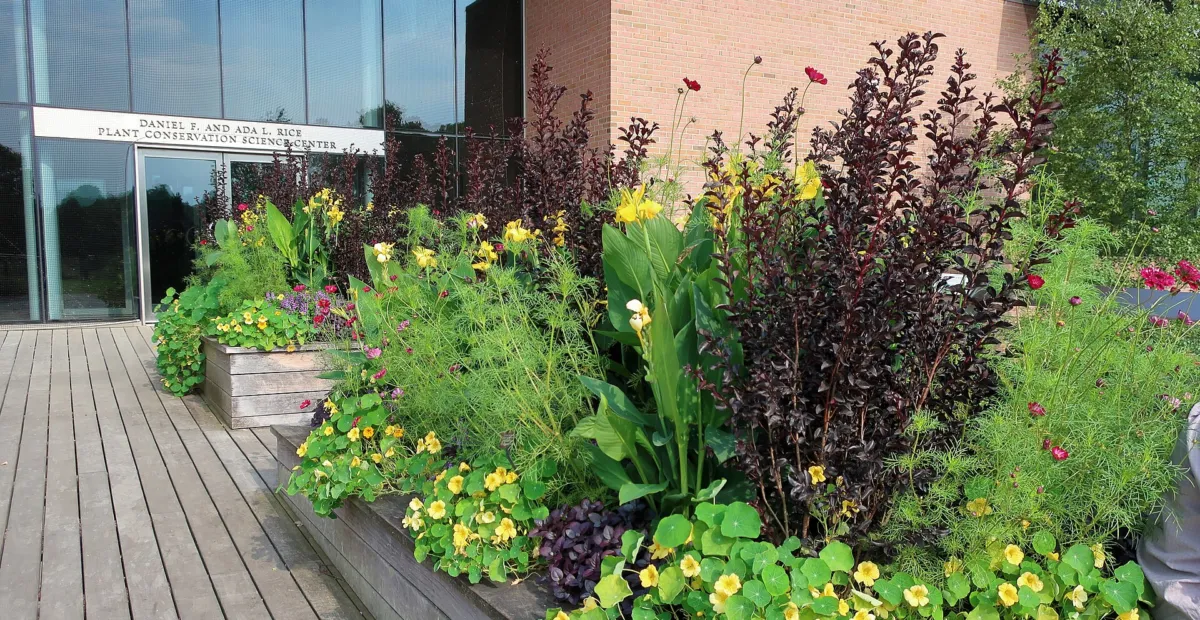
 Canna ‘Cannova Yellow’ short overview
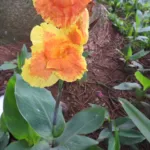
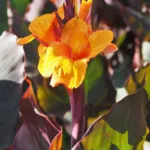
Canna ‘Cannova Yellow’ brings a tropical look to sunny U.S. gardens with broad, deep green leaves and upright spikes of bright yellow flowers, often marked with faint reddish speckles. This seed-grown F1 hybrid reaches about 30–48 inches tall and performs well in borders, patio containers, and warm, moist planting areas. Treat it as a tender perennial where winter temperatures regularly freeze the rhizomes, lifting or protecting them after the first frost.
Taxonomic classification
Canna ‘Cannova Yellow’ care guide
Light and placement
Give full sun, ideally at least 6 hours of direct light, with a south- or west-facing exposure where practical. Shelter from strong wind, which can shred the broad leaves and bend flower stems. Too little light produces weaker, less floriferous growth; harsh reflected heat combined with dry soil can scorch leaf margins, so maintain moisture during hot weather.
Watering and humidity
Water deeply when the upper surface begins to dry, then keep the root zone consistently moist during active growth. Containers may need watering daily in hot weather, while in-ground plants usually need less frequent but thorough irrigation. Reduce watering after cutting back or lifting rhizomes for dormancy, and never store dormant rhizomes wet.
Soil and growing medium
Use fertile, moisture-retentive soil that still drains freely. Loam or amended sandy soil is suitable; incorporate compost before planting if the ground is poor. A slightly acidic to slightly alkaline reaction is tolerated, with neutral soil a practical target. Avoid persistently waterlogged soil around container rhizomes, even though the plant appreciates consistent moisture.
Feeding
Feed after active growth begins with a balanced controlled-release fertilizer, or use a diluted liquid fertilizer every two weeks during vigorous summer growth. Compost can be incorporated before planting. Do not heavily fertilize dry, heat-stressed, dormant, or recently lifted rhizomes; water first if the soil is dry.
Growth and habit
Forms an upright, clumping plant from rhizomes and develops quickly in warm soil. The seed-grown F1 habit is relatively uniform, with branching flower stems and strong summer performance. Consistent moisture and feeding support rapid establishment; cutting stems back after frost directs attention to dormant rhizomes.
Planting and repotting
Plant outdoors in spring after frost danger has passed and the soil has warmed. Set rhizomes about 4–6 inches deep, or position nursery plants at the soil line. Space plants about 12–20 inches apart for a fuller display, allowing additional room for the broad foliage. Water thoroughly after planting and keep evenly moist while roots establish.
Move container-grown plants into a larger pot when roots fill the current container or growth becomes crowded. Use a sturdy container with drainage holes and a rich, well-drained potting mix. Repot or divide dormant rhizomes in late winter or early spring, before vigorous shoots develop.
Propagation and pruning
Propagation
The Cannova series is notable as a seed-grown F1 series. Sow or raise plants in warm conditions, or divide established rhizomes during dormancy or early spring. Seed-grown offspring should not be assumed to reproduce the named cultivar exactly unless supplied by the breeder or licensed producer.
Pruning
Remove spent flower stems and damaged leaves as needed for appearance. After frost blackens the foliage, cut the plant back near ground level. In frost-free climates, remove old stems as new growth begins; avoid cutting healthy green foliage during active growth.
Overwintering
Treat as a tender perennial in freezing climates. After frost damages the foliage, cut stems back, lift rhizomes, let surface moisture dry, and store them in a cool, dark, frost-free place in barely moist peat, vermiculite, or similar material. In mild climates, mulch deeply and keep rhizomes out of winter-saturated soil.
Uses
Use as a sunny border accent, tropical-style focal plant, waterside planting, cut-flower subject, or large-container thriller. It is especially useful where bold foliage and long summer flowering are wanted. Do not present this ornamental cultivar as an edible or medicinal crop without separate identification and authoritative culinary evidence.
Appearance
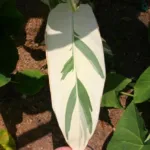
The plant is identified by broad, glossy, paddle-shaped leaves carried on upright, fleshy stems and by terminal clusters of yellow canna flowers. Cannova Yellow generally has deep green foliage rather than bronze or variegated leaves. Its architectural leaves and vertical flower stems create a tropical appearance in beds and containers.
Flowering
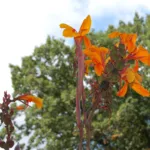
This cultivar produces upright terminal clusters of bright yellow flowers from summer into early fall, and flowering may continue until the first frost in favorable climates. Flowers are held above the foliage on strong stems. Deadheading is generally unnecessary, although removing spent spikes can improve appearance.
Pollination and visitors
Open canna flowers can be visited by bees, bumblebees, and butterflies. The exact visitor community depends on local climate and garden context; no single pollinator species was sufficiently documented for this named cultivar.
Diseases and pests
Diseases
Provide good air circulation, avoid overhead watering late in the day, and remove yellowing or heavily spotted leaves. Cannas can develop fungal leaf spots, rust, bacterial blight, or rhizome rot, especially under crowded, persistently wet conditions. Remove affected tissue and discard badly diseased plants; use clean tools and healthy planting material.
Pests
Watch for Japanese beetles, caterpillars, aphids, spider mites, thrips, and slugs. Inspect leaf undersides and new growth, rinse small infestations with water, and remove heavily damaged leaves. Use targeted, least-disruptive controls when necessary, especially while flowers are open to pollinators.
Related diseases and pests
Only Plant Doctor profiles whose host data indicate this plant may be affected are shown here.
 PestCitrus mealybugPlanococcus citri
 PestJapanese beetlePopillia japonica
 DiseaseLate blightPhytophthora infestans
 DiseaseRhizopus soft rotRhizopus stolonifer
 DiseaseBacterial blight and cankerPseudomonas syringae pv. syringae
 DiseaseBacterial soft rotPectobacterium carotovorum
 Environmental stressUnderwatering
 PestOnion thripsThrips tabaci Lindeman
Toxicity and pollen
ASPCA lists canna lily, identified there as Canna generalis, as non-toxic to dogs and cats. That evidence is not a guarantee for every cultivar or for every individual animal; ordinary plant material can still cause stomach upset if eaten in quantity. Avoid confusing canna with true lilies, which have very different toxicity risks.
- Typical season
- Flowering season in summer and early fall
- Pollination / pollen
- Primarily insect-associated pollen; not known for abundant wind dispersal
Cannas are flowering, insect-associated ornamentals rather than plants known for abundant wind-dispersed pollen. Airborne allergy risk is therefore expected to be low, but a low rating does not mean zero risk for sensitive individuals. Contact with flowers or foliage may still cause irritation in susceptible people.
Native habitat
Canna hybrids are cultivated plants derived from tropical and subtropical Canna lineages. They favor warm seasons, fertile soils, regular moisture, and sunny exposed sites, but perform best when roots are not left in cold, saturated winter soil. In the United States, the named cultivar is primarily a garden and container ornamental.
Interesting fact
Cannova was introduced as an F1 seed-grown canna series rather than a conventional rhizome-only line. The series was bred to flower reliably under cooler summer conditions than many older cannas. Its broad leaves create a tropical effect even when the plant is grown as a seasonal annual.
Frequently asked questions (FAQ)
The most relevant questions about this plant, with short and direct answers.
🌱Quick care
What is Canna 'Cannova Yellow'?⌄
Canna 'Cannova Yellow' is an upright, tropical-looking canna cultivar with large green leaves and bright yellow flowers. It typically grows about 30–48 inches tall and is suitable for garden beds and containers.
How much sun does Canna 'Cannova Yellow' need?⌄
Canna 'Cannova Yellow' grows best in full sun, with at least 6 hours of direct sunlight daily. It can tolerate some light shade, but reduced light may produce fewer flowers and weaker growth.
How often should I water Canna 'Cannova Yellow'?⌄
Keep the soil consistently moist, especially during hot or dry weather. Water deeply when the surface begins to dry, but avoid stagnant, poorly drained conditions.
How tall does Canna 'Cannova Yellow' get?⌄
Canna 'Cannova Yellow' usually reaches about 30–48 inches tall, with a typical spread of roughly 14–24 inches. Growth can vary with climate, fertility, moisture, and container size.
Is Canna 'Cannova Yellow' an annual or perennial?⌄
Canna 'Cannova Yellow' is a tender perennial in climates where its rhizomes do not freeze. In colder parts of the United States, it is commonly grown as an annual or overwintered indoors.
🌤️Environment and placement
What USDA hardiness zones can grow Canna 'Cannova Yellow' outdoors?⌄
Canna 'Cannova Yellow' is generally suited to USDA Zones 8–11, although some sellers list broader performance depending on local conditions. In colder zones, protect or lift the rhizomes before freezing weather.
Can Canna 'Cannova Yellow' grow in a container?⌄
Yes, Canna 'Cannova Yellow' grows well in large containers placed in full sun. Use a container with drainage holes and enough room for its mature height and vigorous root growth.
What soil is best for Canna 'Cannova Yellow'?⌄
Use fertile, moist but well-drained loam or amended sandy soil. Incorporating compost can improve fertility and moisture retention without creating the waterlogged conditions that can damage rhizomes.
Can Canna 'Cannova Yellow' grow in wet soil?⌄
Canna 'Cannova Yellow' tolerates consistently moist soil and can perform well near water features, but it should not remain in stagnant, oxygen-poor soil. Good drainage is still important, particularly in containers and winter storage areas.
Is Canna 'Cannova Yellow' heat tolerant?⌄
Yes, Canna 'Cannova Yellow' generally handles summer heat well when it receives adequate moisture. Mulch around the plant can help keep the root zone evenly moist during hot weather.
💧Care and problems
Why is my Canna 'Cannova Yellow' not blooming?⌄
Insufficient sunlight is a common reason Canna 'Cannova Yellow' fails to bloom. Check that it receives full sun, stays evenly moist, and is not receiving excessive nitrogen fertilizer that encourages leaves instead of flowers.
Should I fertilize Canna 'Cannova Yellow'?⌄
Yes, fertilize Canna 'Cannova Yellow' during active growth with a balanced or flowering-plant fertilizer according to the label. It is a vigorous, heavy-feeding plant, but excessive nitrogen can reduce flowering.
Does Canna 'Cannova Yellow' need deadheading?⌄
Deadheading is not required for Canna 'Cannova Yellow' to continue flowering. Removing faded flowers and seed pods can improve its appearance and redirect energy toward new growth.
Why are the leaves of my Canna 'Cannova Yellow' turning brown?⌄
Brown leaves can result from drought, scorching heat, low humidity, wind damage, or frost. Keep the soil consistently moist, remove badly damaged foliage, and protect the plant from freezing temperatures.
What pests commonly affect Canna 'Cannova Yellow'?⌄
Canna 'Cannova Yellow' can be affected by leaf-feeding insects, caterpillars, aphids, and spider mites. Inspect the undersides of leaves regularly and address pests early with a suitable treatment labeled for ornamental plants.
How do I protect Canna 'Cannova Yellow' from frost?⌄
Protect Canna 'Cannova Yellow' from freezing temperatures by covering the plant temporarily or moving container plants indoors. After frost damages the foliage, cut it back and lift the rhizomes in climates where the ground may freeze.
🪴Planting and repotting
When should I plant Canna 'Cannova Yellow' outdoors?⌄
Plant Canna 'Cannova Yellow' outdoors in spring after the danger of frost has passed and the soil has warmed. In colder regions, start it in a container indoors several weeks before outdoor planting.
How far apart should I plant Canna 'Cannova Yellow'?⌄
Space Canna 'Cannova Yellow' about 12–18 inches apart for a fuller mass planting, or allow roughly 18–24 inches for more individual plants and airflow. Follow the spacing guidance on the specific plant label when available.
How deep should I plant Canna 'Cannova Yellow' rhizomes?⌄
Plant Canna 'Cannova Yellow' rhizomes horizontally with the growing eyes facing upward, if visible, and cover them with about 2 inches of soil. Keep the soil moist while new shoots develop.
Can I plant Canna 'Cannova Yellow' in a raised bed?⌄
Yes, raised beds can provide the fertile, moisture-retentive but well-drained soil Canna 'Cannova Yellow' prefers. Add compost and monitor moisture closely because raised beds can dry faster than in-ground soil.
How do I repot Canna 'Cannova Yellow'?⌄
Repot Canna 'Cannova Yellow' into a slightly larger container using fertile, well-drained potting mix, keeping the crown at approximately the same depth. Water thoroughly after repotting and place it in bright sun as growth resumes.
✂️Propagation and pruning
Can Canna 'Cannova Yellow' be grown from seed?⌄
Yes, the Cannova series was developed as a seed-grown F1 hybrid, so Canna 'Cannova Yellow' can be started from seed when viable seed is available. Seed-grown plants may not reproduce every trait as consistently as vegetative divisions.
How do I propagate Canna 'Cannova Yellow'?⌄
Propagate Canna 'Cannova Yellow' by dividing its rhizome clumps in spring as new growth begins. Each division should include a healthy section of rhizome and at least one viable growing point.
When should I divide Canna 'Cannova Yellow'?⌄
Divide Canna 'Cannova Yellow' in early spring before vigorous growth or just as new shoots appear. Dividing every few years can reduce overcrowding and maintain stronger flowering.
How should I prune Canna 'Cannova Yellow'?⌄
Remove spent flowers, damaged leaves, and untidy stems as needed during the growing season. After frost blackens the foliage, cut the plant back near ground level before mulching or lifting the rhizomes.
How do I overwinter Canna 'Cannova Yellow' in cold climates?⌄
After the first frost, cut back the foliage, lift the rhizome clump, and store it in a cool, dark, frost-free place. Keep the rhizomes from freezing or becoming completely dry, and replant them after spring frost danger passes.
Can Canna 'Cannova Yellow' stay in the ground over winter?⌄
It can remain in the ground year-round where winter soil does not freeze deeply, especially with protective mulch. In colder areas, lifting the rhizomes is safer than relying on outdoor survival.
⚠️Toxicity and safety
Is Canna 'Cannova Yellow' toxic to dogs?⌄
Canna 'Cannova Yellow' is considered non-toxic to dogs based on available ASPCA information for cannas. Even non-toxic plant material can cause mild digestive upset if eaten in large quantities.
Is Canna 'Cannova Yellow' toxic to cats?⌄
Canna 'Cannova Yellow' is considered non-toxic to cats based on available ASPCA information for cannas. Contact a veterinarian if a pet shows symptoms after eating any plant or if the plant may have been treated with chemicals.
🌸Flowering and special interest
When does Canna 'Cannova Yellow' bloom?⌄
Canna 'Cannova Yellow' generally blooms from summer into fall, often continuing until frost when growing conditions are favorable. Full sun, steady moisture, and adequate fertility support the longest flowering period.
What color flowers does Canna 'Cannova Yellow' produce?⌄
Canna 'Cannova Yellow' produces vivid yellow, lily-like flowers held above large green leaves. The flowers provide a strong tropical accent in borders, containers, and mass plantings.
Does Canna 'Cannova Yellow' attract pollinators?⌄
Canna 'Cannova Yellow' can attract butterflies and other flower-visiting insects. Its bright blooms are most useful to pollinators when grown in a sunny location with other nectar-producing plants.
Can Canna 'Cannova Yellow' flower in partial shade?⌄
Canna 'Cannova Yellow' may grow in partial shade, but it flowers best in full sun. Too much shade can result in fewer blooms, taller weaker stems, and less vigorous growth.