
 Source:
 Canna ‘Wyoming’ short overview
Canna 'Wyoming' is a bold garden canna prized for the contrast between large bronze-purple leaves and vivid orange, lightly ruffled flowers. This vigorous rhizomatous perennial performs best in full sun, fertile soil, and consistent moisture. In warm regions it can remain in the ground, while gardeners in colder parts of the United States should lift the rhizomes after frost and store them in a cool, frost-free place.
Taxonomic classification
Canna ‘Wyoming’ care guide
Light and placement
Give full sun, ideally six or more hours of direct light, with a south- or west-facing exposure and shelter from strong winds. Strong light intensifies the bronze foliage and supports flowering. Pale, floppy growth and weak blooming suggest insufficient light; scorched margins usually indicate drought, reflected heat, or root stress rather than excessive light alone.
Watering and humidity
Water deeply whenever the upper inch of soil begins to dry, keeping the root zone consistently moist during active growth. Containers may need water daily in hot weather. Reduce watering after frost and during dormant storage, but never allow stored rhizomes to remain wet. Humidity is not usually limiting outdoors if roots stay hydrated.
Soil and growing medium
Use fertile loam or sandy loam enriched with compost, but keep the medium well drained. Cannas tolerate a broad pH range from acidic through alkaline, although a slightly acidic to neutral soil is a practical target. Avoid stagnant winter wetness around dormant rhizomes.
Feeding
Mix compost into the planting area before growth begins. Once shoots are actively growing, feed every 3–4 weeks with a balanced fertilizer or use a bloom-oriented, higher-potassium product according to its label. Stop feeding as plants enter dormancy; excess late-season nitrogen can produce soft growth and does not improve winter survival.
Growth and habit
A vigorous, clump-forming perennial that sends up leafy, upright stems from branching rhizomes. Warm temperatures and regular moisture produce rapid seasonal growth. Deadheading and removal of damaged leaves keep the clump attractive, while dividing crowded rhizomes maintains vigor and flowering.
Planting and repotting
Plant outdoors after the danger of hard frost has passed and the soil has warmed. Set rhizomes horizontally with the growing eyes upward, about 2–4 inches deep, then water thoroughly. Allow enough room for the clump to expand and keep new plantings evenly moist while establishing.
Repot container-grown rhizomes in early spring, before vigorous shoots develop. Use a sturdy container with drainage and fresh, fertile potting mix. Move up only one or two container sizes; oversized pots stay wet longer and can encourage rhizome rot.
Propagation and pruning
Propagation
Divide rhizomes in early spring when growth buds are visible. Separate sections with at least one healthy eye and a firm piece of rhizome, then pot or plant immediately. Seed is not the preferred method for maintaining this named cultivar because seedlings may not reproduce the parent accurately.
Pruning
Remove spent flower clusters before seed capsules develop to encourage continued display. Cut stems and foliage to the ground after frost blackens the plant, or before lifting rhizomes for storage. Remove diseased leaves promptly and disinfect cutting tools between suspect plants.
Overwintering
In USDA Zones 9–10, rhizomes may remain outdoors in well-drained soil with a protective mulch layer. In colder areas, cut back after frost, lift the rhizomes, let surface moisture dry, and store them in barely moist peat, vermiculite, or similar medium in a dark, frost-free place. Replant in spring after the soil warms.
Uses
Primarily an ornamental foliage and flowering plant for beds, borders, containers, patios, pool gardens, and cut-flower displays. Its strong vertical form and bronze leaves provide architectural contrast. Cannas can support nectar-visiting wildlife, but this named cultivar should not be promoted as a native habitat replacement.
Appearance
Large ovate leaves emerge from upright, fleshy stems and range from dark bronze-red to bronze-purple, often showing darker veins and margins. The foliage forms a strong architectural backdrop for the warm orange flower spikes. Color is typically deepest in bright light and may appear greener in shade or low-light containers.
Flowering
The cultivar produces erect terminal spikes of large, orange, gladiolus-like flowers with lightly frilled edges. Bloom commonly begins in midsummer and can continue into early fall when plants receive warmth, moisture, and regular deadheading. Flowering may be reduced by shade, drought, or cool summers.
Pollination and visitors
Canna flowers produce nectar and are visited by insects and birds in cultivation. General canna references document bees, butterflies, and hummingbirds as visitors, but a cultivar-specific pollinator study for ‘Wyoming’ was not found. Visitor activity is usually greatest in warm, sunny weather during the flowering season.
Canna 'Wyoming' photos
Click any photo for a larger view. Source, author and license are shown separately.
Diseases and pests
Diseases
Canna viruses can cause mottled, streaked, distorted, or abnormally colored foliage and flowers; remove and discard affected plants rather than propagating them. Rhizome rot is encouraged by cold, saturated soil, so provide drainage and avoid storing damaged or wet rhizomes.
Pests
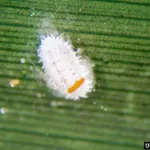
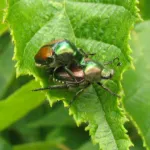
Aphids, spider mites, slugs, snails, caterpillars, Japanese beetles, and the lesser canna leafroller may damage foliage. Inspect rolled leaves and undersides regularly, remove heavily infested leaves, encourage beneficial insects, and use targeted controls only when damage is significant. Good spacing and cleanup reduce pest pressure.
Related diseases and pests
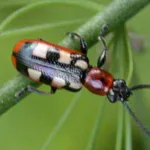
Only Plant Doctor profiles whose host data indicate this plant may be affected are shown here.


Toxicity and pollen
Reliable sources do not identify Canna 'Wyoming' as a major poisonous garden plant, and common garden canna is generally treated as low risk for routine household exposure. Do not encourage ingestion, because cultivar-specific toxicity testing is limited and plant material may cause gastrointestinal upset in some individuals. Seek medical or veterinary advice after significant ingestion or unusual symptoms.
- Typical season
- During flowering, mainly summer
- Pollination / pollen
- Mostly insect-carried pollen; limited airborne dispersal expected
Cannas are insect-pollinated and their pollen is not typically dispersed in large airborne clouds like wind-pollinated grasses or trees. However, cultivar-specific allergy studies are lacking, so a zero-allergy claim would be unjustified. People with strong pollen sensitivity should avoid rubbing flowers and wash hands after handling them.
Native habitat
The cultivar is a cultivated garden plant rather than a wild native taxon. Cannas as a group originate mainly in tropical and subtropical regions of the Americas and grow naturally in warm, moist habitats such as stream margins, wet clearings, and disturbed ground. Garden forms prefer warmth but require better winter drainage than their native wet-season settings.
Interesting fact
‘Wyoming’ is an old named canna cultivar associated with Wintzer breeding. Its strongest ornamental feature is the high-contrast pairing of dark bronze foliage and orange flowers. The same cultivar has been described as dwarf in some US trials and very tall in RHS trial conditions, showing how climate and culture influence its stature.
Frequently asked questions (FAQ)
The most relevant questions about this plant, with short and direct answers.
🌱Quick care
What is Canna 'Wyoming'?⌄
Canna 'Wyoming' is a tall ornamental canna cultivar valued for vivid orange flowers and dark bronze-to-burgundy foliage. It is grown from rhizomes and performs best during warm, frost-free weather.
How much sun does Canna 'Wyoming' need?⌄
Canna 'Wyoming' grows best in full sun, ideally with at least 6 hours of direct light daily. More sun generally supports stronger stems, better flowering, and darker foliage.
How often should I water Canna 'Wyoming'?⌄
Water Canna 'Wyoming' whenever the soil surface begins to dry, keeping the soil evenly moist but not persistently waterlogged. Plants in containers or hot weather may need watering more often.
How tall does Canna 'Wyoming' get?⌄
Canna 'Wyoming' can become very tall, reaching roughly 6 to 7 feet in favorable conditions. Windy sites may require support, especially when the plant is grown in partial shade.
What color are Canna 'Wyoming' flowers?⌄
Canna 'Wyoming' produces bright orange flowers that contrast strongly with its dark bronze foliage. Flowering typically begins in summer and can continue into fall when spent blooms are removed.
🌤️Environment and placement
What USDA zones can grow Canna 'Wyoming'?⌄
Canna 'Wyoming' can be grown outdoors year-round in many USDA Zones 8 through 11, provided the rhizomes are protected from freezing. In colder zones, treat it as a summer plant and overwinter the rhizomes indoors.
Can Canna 'Wyoming' grow in partial shade?⌄
Canna 'Wyoming' can tolerate partial shade, but full sun is better for flowering and rich foliage color. Too much shade may produce taller, weaker stems and fewer flowers.
Can Canna 'Wyoming' grow in wet soil?⌄
Canna 'Wyoming' likes consistently moist soil and can tolerate more moisture than many ornamentals, but the soil should still drain adequately. Avoid cold, stagnant conditions around dormant rhizomes because they can promote rot.
Is Canna 'Wyoming' suitable for containers?⌄
Canna 'Wyoming' can grow well in a large container with fertile, moisture-retentive potting mix and drainage holes. Choose a heavy pot that will not tip easily as the tall stems develop.
Where should I plant Canna 'Wyoming' in my garden?⌄
Plant Canna 'Wyoming' in a sunny, sheltered location where its tall stems will not shade shorter plants. It works well as a background plant, tropical-style focal point, or large-container specimen.
💧Care and problems
What soil is best for Canna 'Wyoming'?⌄
Use fertile, moisture-retentive but well-drained soil for Canna 'Wyoming'. Incorporating compost before planting can improve fertility and help sandy or heavy soils hold a more even level of moisture.
Does Canna 'Wyoming' need fertilizer?⌄
Canna 'Wyoming' benefits from regular feeding during active growth because it is a vigorous, heavy-feeding plant. Apply a balanced fertilizer according to the product label, and avoid fertilizing while the rhizomes are dormant.
Why is my Canna 'Wyoming' not blooming?⌄
Insufficient sunlight, cold soil, drought, overcrowded rhizomes, or excessive nitrogen can reduce flowering in Canna 'Wyoming'. Move container plants into brighter light, keep the soil evenly moist, and divide congested clumps when needed.
Why are the leaves on my Canna 'Wyoming' turning brown?⌄
Brown leaves on Canna 'Wyoming' commonly result from drought, scorching heat, wind damage, or frost. Keep the root zone evenly moist, protect plants from freezing temperatures, and remove badly damaged foliage.
What pests attack Canna 'Wyoming'?⌄
Canna leaf rollers, caterpillars, aphids, spider mites, and slugs can occasionally affect Canna 'Wyoming'. Inspect new growth and rolled leaves regularly, then use hand removal or a labeled treatment appropriate for the pest.
Should I deadhead Canna 'Wyoming'?⌄
Deadhead Canna 'Wyoming' by removing faded flower clusters and developing seed pods. The plant may continue blooming without deadheading, but removing old flower parts keeps it neater and can encourage a longer display.
🪴Planting and repotting
When should I plant Canna 'Wyoming' rhizomes?⌄
Plant Canna 'Wyoming' rhizomes in spring after the danger of frost has passed and the soil has warmed to about 60°F. In short-season areas, start rhizomes indoors several weeks earlier in containers.
How deep should Canna 'Wyoming' rhizomes be planted?⌄
Plant Canna 'Wyoming' rhizomes about 2 to 4 inches deep, with visible growing eyes facing upward when possible. Avoid planting too deeply in cold or heavy soil, where emergence may be delayed.
How far apart should I plant Canna 'Wyoming'?⌄
Space Canna 'Wyoming' rhizomes about 12 to 18 inches apart for a full display while allowing room for expansion. Give extra space in windy locations or where air circulation is limited.
Can I start Canna 'Wyoming' indoors?⌄
Yes, start Canna 'Wyoming' indoors in a container about 6 to 8 weeks before outdoor planting time. Keep it warm and bright, then acclimate it gradually before moving it outside after frost danger has passed.
How do I transplant Canna 'Wyoming'?⌄
Transplant Canna 'Wyoming' with the rhizome and emerging shoots at approximately the same depth as before, disturbing the roots as little as possible. Water thoroughly after planting and keep the soil evenly moist while it re-establishes.
✂️Propagation and pruning
How do I propagate Canna 'Wyoming'?⌄
Propagate Canna 'Wyoming' by dividing its rhizomes, preferably in spring as new growth begins. Each division should include at least one healthy growing eye or shoot and a firm section of rhizome.
Can Canna 'Wyoming' be grown from seed?⌄
Rhizome division is the reliable way to reproduce Canna 'Wyoming' true to type. Seed may be unavailable, difficult to produce, or genetically variable, so seedlings should not be expected to match the parent plant exactly.
When should I divide Canna 'Wyoming'?⌄
Divide Canna 'Wyoming' in spring before vigorous growth, when the rhizome eyes are visible and active. Dividing every few years can rejuvenate crowded clumps and restore better flowering.
How do I overwinter Canna 'Wyoming' in cold climates?⌄
In areas where the ground freezes, dig Canna 'Wyoming' rhizomes after frost has killed the foliage or before a hard freeze. Let them dry briefly, then store them cool and mostly dry in a breathable medium, checking periodically for rot or excessive shriveling.
Can Canna 'Wyoming' stay in the ground over winter?⌄
Canna 'Wyoming' can usually remain in the ground in mild, frost-free climates, but freezing conditions can kill the rhizomes. In borderline areas, protect dormant clumps with a deep mulch or store the rhizomes indoors for greater reliability.
When should I cut back Canna 'Wyoming'?⌄
Cut Canna 'Wyoming' back to the ground after frost damages the foliage or before lifting the rhizomes for storage. In frost-free climates, remove yellowing stems and leaves as needed while leaving healthy foliage in place.
⚠️Toxicity and safety
Is Canna 'Wyoming' poisonous to dogs or cats?⌄
Canna 'Wyoming' is generally considered a low-concern ornamental plant rather than a major poisonous garden plant. Pets or people that eat unfamiliar plant material can still develop stomach upset, so contact a veterinarian or poison service if symptoms occur.
Is Canna 'Wyoming' safe around children?⌄
Canna 'Wyoming' is generally regarded as low concern, but children should not be encouraged to chew ornamental plants. Remove fallen plant material and seek medical advice if a significant amount is eaten or symptoms develop.
🌸Flowering and special interest
When does Canna 'Wyoming' bloom?⌄
Canna 'Wyoming' usually blooms from mid-summer into fall, with timing depending on planting date, temperature, sunlight, and climate. Warm conditions and regular moisture promote the longest flowering period.
How can I make Canna 'Wyoming' flower more?⌄
Give Canna 'Wyoming' full sun, fertile soil, regular moisture, and adequate feeding during active growth. Deadhead spent flower clusters and divide severely overcrowded clumps to help maintain bloom production.
Does Canna 'Wyoming' attract hummingbirds?⌄
The bright orange flowers of Canna 'Wyoming' can be attractive to hummingbirds and other pollinators. Plant it in full sun where the flowers are visible and avoid pesticides that could harm visiting insects.
Similar plants
 Foxtail Palm (Wodyetia bifurcata) care guideWodyetia bifurcata
 He Mexican fan palm (Washingtonia robusta) care guideWashingtonia robusta
 He California fan palm (Washingtonia filifera) care guideWashingtonia filifera
 Veitchia arecina care guideVeitchia arecina
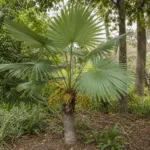 Trachycarpus latisectus care guideTrachycarpus latisectus
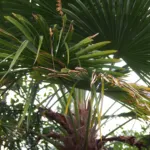 He Chusan palm (Trachycarpus fortunei) care guideTrachycarpus fortunei