 AI-generated illustration
 Canna lily (Canna ‘Rosemond Cole’) short overview
Canna 'Rosemond Cole' is a historic, medium-to-tall canna cultivar valued for its dramatic dark green foliage and large orange-red flowers with clear yellow margins. It forms an upright rhizomatous clump and performs best in full sun, warmth, fertile soil, and consistent moisture. In colder parts of the United States, lift the rhizomes after frost and store them indoors for replanting the following spring.
Taxonomic classification
Canna lily (Canna ‘Rosemond Cole’) care guide
Light and placement
Give full sun for the strongest stems and best flowering, ideally in a south- or west-facing, sheltered position. A warm wall or heat-retaining patio can extend the season. Too little light produces stretched growth and fewer flowers; intense heat is usually tolerated if moisture is adequate, but wind can tear the broad leaves.
Watering and humidity
Water deeply and regularly during active growth, keeping the root zone consistently moist without allowing stagnant water. Containers may need water more often during hot weather. Reduce watering after frost or once lifted for storage. Average humidity is adequate outdoors; humidity is not usually a limiting requirement.
Soil and growing medium
Use fertile, moisture-retentive soil that still drains freely. Loam enriched with compost is suitable, and heavier clay should be improved with organic matter rather than left waterlogged. Cannas tolerate a broad pH range from acidic to alkaline, so correction is usually unnecessary unless a soil test identifies a problem.
Feeding
Feed after active growth begins with compost or a balanced slow-release fertilizer. During vigorous flowering, a moderate high-potassium feed every 2–3 weeks can support bloom, especially in containers. Water the soil before applying liquid fertilizer, and stop feeding as growth slows in autumn or while dormant rhizomes are stored.
Growth and habit
This is an upright, rhizomatous canna that forms a gradually expanding clump of leafy shoots. In warm conditions it establishes quickly and can become crowded over several seasons. Divide when the clump is congested or flowering declines, and remove weak or virus-suspect growth promptly.
Planting and repotting
Plant rhizomes outdoors after the danger of frost has passed and the soil is warm. Set them about 3–4 inches deep with the growing eyes facing upward. Allow roughly 18–36 inches between plants, using closer spacing for a fuller display. Water thoroughly after planting and keep the bed evenly moist while shoots establish.
Repot container-grown rhizomes in spring when new growth begins, using a large, heavy container filled with fertile, well-drained potting mix. Move plants up only when crowded; otherwise refresh the upper layer of mix. Handle the rhizomes carefully because damaged cuts can rot.
Propagation and pruning
Propagation
Divide established rhizomes in spring, ensuring each division includes at least one healthy growing eye. Allow freshly cut surfaces to dry briefly before planting. Seed is not a dependable way to reproduce this named cultivar because historical cultivar accounts report sterile seed or uncertain true-to-type offspring.
Pruning
Deadhead spent flower clusters to keep the display tidy and encourage continued flowering. After frost blackens the foliage, cut stems back to a few inches before lifting the rhizomes. In frost-free climates, remove damaged foliage as needed and cut back old stems at the end of the season.
Overwintering
After frost damages the foliage, lift the rhizomes in cold climates, cut stems back, and let the clumps dry briefly. Store them in barely moist compost, peat-free medium, or another breathable material at about 40–50°F in a dark, frost-free location. Check periodically and discard rotting sections. In mild Zones 8–11, a thick dry mulch may allow in-ground overwintering, but severe cold still risks loss.
Uses
Use as a bold summer bedding plant, tropical-style focal point, patio container subject, poolside accent, or seasonal cut-flower plant. Its tall stems and broad leaves provide architectural contrast in mixed borders. Do not present it as an edible or medicinal plant without separate species- and preparation-specific evidence.
Appearance
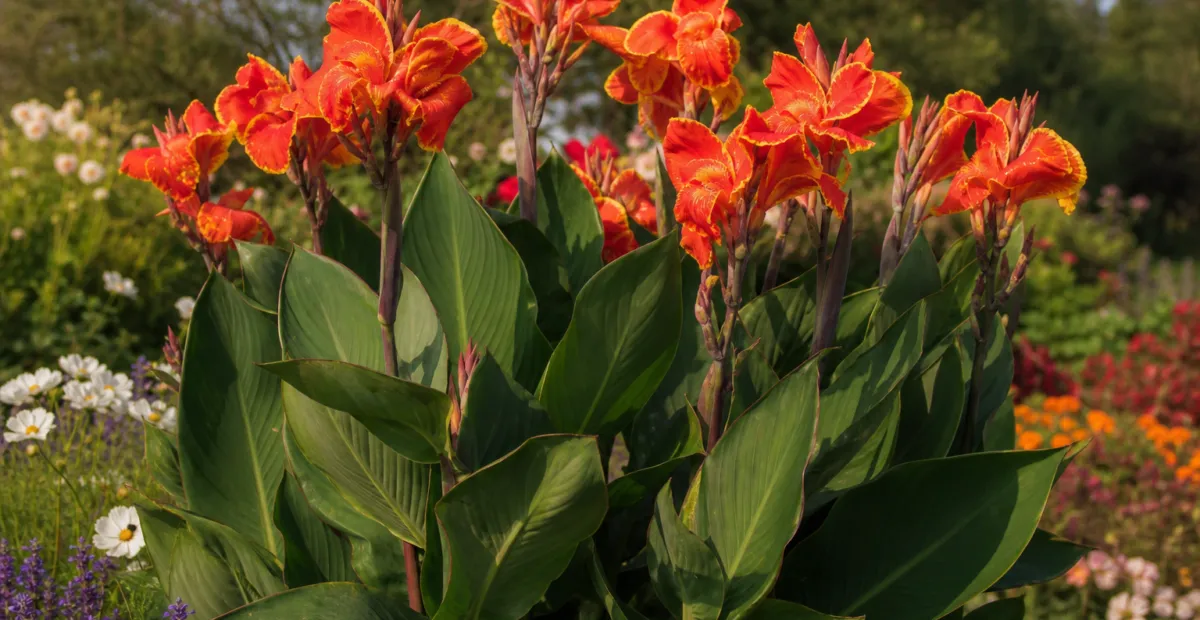
The plant has sturdy upright stems and broad, pointed, banana-like leaves in dark green. Flower stems carry conspicuous branched clusters of large red-orange blooms with yellow margins, creating a strong bicolored effect. The foliage is deciduous in cold climates and may remain evergreen only where winters are mild.
Flowering
Flowering stems rise above the foliage and carry branched racemes or panicles of large, showy flowers. This cultivar is reported to produce orange-red to red blooms with yellow margins. In the United States, flowering generally begins in summer and may continue into early fall until cold weather or frost ends the season.
Pollination and visitors
Cannas can be visited by animal pollinators, but reliable documentation for this exact cultivar is insufficient to assign a specific visitor group or attraction rating. Flower structure and color may be visually attractive to garden visitors, but that should not be treated as confirmed cultivar-level evidence.
Diseases and pests
Diseases
Canna viruses are the principal disease concern, often appearing as streaking, mottling, distorted leaves, or reduced vigor. Remove and destroy badly symptomatic plants rather than propagating from them, disinfect cutting tools, and obtain clean rhizomes. Avoid excessive wetness and improve air circulation to reduce secondary rot problems.
Pests
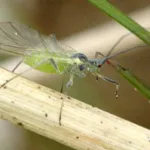
Watch for aphids, caterpillars, slugs, snails, and spider mites, especially on stressed or crowded plants. Inspect new growth and leaf undersides, remove pests by hand or with water where practical, and reserve labeled treatments for persistent infestations. Good watering, sanitation, and airflow reduce recurring problems.
Related diseases and pests
Only Plant Doctor profiles whose host data indicate this plant may be affected are shown here.


Toxicity and pollen
Reliable cultivar-specific toxicity data are limited. Canna is not generally treated as a major poisonous garden plant in the consulted U.S. references, but any ornamental plant material can cause mild gastrointestinal upset if eaten. Prevent ingestion of rhizomes or foliage and seek professional advice if a child or pet consumes a significant amount or develops symptoms.
- Typical season
- No cultivar-specific U.S. airborne pollen season documented
- Pollination / pollen
- Insect-associated flower pollen; airborne relevance not established
Canna flowers produce pollen, but no reliable U.S. aerobiological data were located for this named cultivar. The flowers are not documented as a significant airborne-pollen source in ordinary garden use. Sensitive people should still avoid rubbing the flowers or handling dried plant material if it causes irritation.
Native habitat
The cultivar itself has no native wild habitat; it is a cultivated garden selection. Cannas are warm-climate rhizomatous plants associated with sunny, moist soils and long growing seasons. In the United States they are commonly grown as summer perennials or seasonal annuals where winter temperatures are too cold for the rhizomes.
Interesting fact
This cultivar was offered in American nursery catalogs by the mid-20th century. Historical records also preserve multiple spellings of its name, reflecting long-term circulation under informal horticultural labels. The plant is grown from rhizomes, so a named clone is normally maintained by vegetative division rather than dependable seed.
Frequently asked questions (FAQ)
The most relevant questions about this plant, with short and direct answers.
🌱Quick care
What is Canna 'Rosemond Cole'?⌄
Canna 'Rosemond Cole' is a flowering canna cultivar with green, banana-like foliage and orange-red flowers edged in yellow or gold. It is commonly grown as a tender perennial in beds and large containers.
How much sun does Canna 'Rosemond Cole' need?⌄
Canna 'Rosemond Cole' grows best in full sun, ideally with at least 6 hours of direct sunlight daily. Some afternoon shade is acceptable in very hot climates, but too much shade can reduce flowering.
How often should I water Canna 'Rosemond Cole'?⌄
Keep the soil consistently moist during active growth and flowering. Water when the surface begins to dry, but avoid leaving the rhizomes in stagnant water.
How tall does Canna 'Rosemond Cole' get?⌄
Canna 'Rosemond Cole' typically grows about 3 to 4 feet tall, although height can vary with climate, soil, container size, and growing conditions. It usually forms an upright clump that spreads gradually by rhizomes.
🌤️Environment and placement
What USDA hardiness zones are suitable for Canna 'Rosemond Cole'?⌄
Canna 'Rosemond Cole' is generally suited to USDA Zones 8 through 11. In colder zones, grow it as a summer annual or lift and store the rhizomes before freezing weather.
Can Canna 'Rosemond Cole' grow in containers?⌄
Yes, Canna 'Rosemond Cole' grows well in large containers with drainage holes. Choose a container that is at least 18 inches wide and deep enough for the rhizomes and mature root system.
Where should I plant Canna 'Rosemond Cole' in the garden?⌄
Plant it in a warm, sheltered, sunny location such as a border, patio edge, or focal planting. Its moisture-loving growth also makes it useful near water features, provided the soil drains adequately.
What soil is best for Canna 'Rosemond Cole'?⌄
Use fertile, moisture-retentive soil that drains well. Incorporating compost can improve poor soil, while heavy clay should be amended or planted in a raised area to prevent prolonged waterlogging.
💧Care and problems
Does Canna 'Rosemond Cole' need fertilizer?⌄
Yes, regular feeding supports strong foliage and flowering. Apply a balanced slow-release fertilizer at planting and supplement during the growing season according to the product label.
Why is my Canna 'Rosemond Cole' not flowering?⌄
Insufficient sunlight, a short growing season, drought, or excessive nitrogen can delay flowering. Move container plants into brighter light, keep the soil evenly moist, and avoid overfertilizing with nitrogen.
Why are the leaves of my Canna 'Rosemond Cole' turning brown?⌄
Brown leaves are commonly caused by drought, hot drying winds, sun scorch after sudden exposure, or frost damage. Keep the plant watered consistently and remove badly damaged foliage once the cause has been addressed.
What pests affect Canna 'Rosemond Cole'?⌄
Canna leafrollers, caterpillars, aphids, spider mites, and slugs can occasionally damage Canna 'Rosemond Cole'. Inspect the foliage regularly and use the least-toxic control appropriate for the pest identified.
How far apart should Canna 'Rosemond Cole' be planted?⌄
Space plants about 12 to 24 inches apart, depending on whether you want a dense display or more air circulation. Allow additional room if the planting is intended to remain in place for several seasons.
🪴Planting and repotting
When should I plant Canna 'Rosemond Cole' outdoors?⌄
Plant the rhizomes outdoors in spring after the danger of frost has passed and the soil has warmed. Starting rhizomes indoors several weeks earlier can help extend the flowering season in areas with short summers.
How deep should Canna 'Rosemond Cole' rhizomes be planted?⌄
Plant the rhizomes about 2 to 3 inches deep with the growing eyes facing upward. Water thoroughly after planting and keep the soil evenly moist while shoots develop.
Can Canna 'Rosemond Cole' tolerate wet soil?⌄
It tolerates consistently moist soil but should not remain in stagnant, poorly drained conditions. Moisture-retentive soil with good drainage is the safest balance for healthy rhizome growth.
✂️Propagation and pruning
How do you propagate Canna 'Rosemond Cole'?⌄
Propagate Canna 'Rosemond Cole' by dividing its rhizomes in spring or after lifting them in fall. Each division should have at least one healthy growing eye and a firm section of rhizome.
Should I deadhead Canna 'Rosemond Cole'?⌄
Yes, remove spent flower clusters to improve the plant’s appearance and encourage continued flowering. Because this cultivar is not reliably self-cleaning, deadheading can be especially useful.
Should Canna 'Rosemond Cole' be cut back in fall?⌄
Cut the stems and foliage back after frost has blackened them or before lifting the rhizomes for storage. In frost-free climates, old stems can also be removed as new growth resumes.
How do I overwinter Canna 'Rosemond Cole' in cold climates?⌄
After the first killing frost, lift the rhizomes, let them dry briefly, and store them in a cool, dark, frost-free place in barely moist peat, vermiculite, or similar packing material. Check periodically and discard any sections that become soft or rotten.
⚠️Toxicity and safety
Is Canna 'Rosemond Cole' toxic to dogs, cats, or people?⌄
Cultivar-specific toxicity information for Canna 'Rosemond Cole' is not sufficiently verified, so avoid ingestion and keep rhizomes and plant material away from children and pets. Contact a medical professional or veterinarian if ingestion occurs.
🌸Flowering and special interest
What color are the flowers of Canna 'Rosemond Cole'?⌄
The flowers are generally described as orange-red, scarlet-orange, or reddish orange with narrow yellow to gold edges. Color intensity can vary with lighting, temperature, and the plant’s growing conditions.
When does Canna 'Rosemond Cole' bloom?⌄
Canna 'Rosemond Cole' usually blooms from late spring or midsummer into late summer or fall, depending on the climate and planting date. Plants started early and grown in full sun generally flower sooner.
Does Canna 'Rosemond Cole' attract pollinators?⌄
Its showy flowers can attract bees, butterflies, and hummingbirds. The amount of activity depends on local pollinator populations and the availability of other flowering plants.
Is Canna 'Rosemond Cole' fragrant?⌄
Canna 'Rosemond Cole' is generally grown for its vivid flowers and foliage rather than fragrance. It is not usually considered a strongly fragrant canna cultivar.