
 AI-generated illustration
Canna ‘Durban’ short overview
Canna 'Durban' is a spectacular variegated canna grown for its broad leaves, which combine green, bronze, purple, yellow and pink striping with a distinctly tropical effect. Upright stems carry vivid mandarin-orange flowers from summer into fall. It performs best in full sun, fertile moisture-retentive soil and a sheltered position. In colder parts of the United States, lift and store the rhizomes after frost blackens the foliage.
Taxonomic classification
Canna ‘Durban’ care guide
Light and placement
Give full sun, ideally six or more hours of direct light, with a south- or west-facing orientation and shelter from strong wind. Bright light intensifies the variegated foliage and supports flowering. Too little light produces weaker stems, greener leaves and fewer flowers; harsh reflected heat combined with drought can scorch leaf margins.
Watering and humidity
Water deeply when the upper soil surface begins to dry, keeping the root zone consistently moist during active growth. Container plants may need frequent watering in hot weather. Reduce watering after the foliage dies back and the rhizomes enter dormancy, but never store lifted rhizomes wet. Humidity is not usually limiting outdoors.
Soil and growing medium
Use fertile, humus-rich soil that holds steady moisture but drains excess water freely. Loam or improved sandy soil is suitable. A slightly acidic to slightly alkaline reaction is tolerated, although extreme pH or stagnant winter wetness can reduce vigor and damage rhizomes.
Feeding
Mix compost into the planting area before growth begins, then feed monthly during active summer growth with a balanced liquid fertilizer at label strength. Container plants may need more regular feeding because nutrients leach quickly. Stop feeding as growth slows in fall, especially before lifting rhizomes for storage.
Growth and habit
This is a vigorous, upright clump-forming canna that produces new shoots from spreading rhizomes during warm weather. Rich soil, consistent moisture and regular feeding encourage strong foliage and flowering. Plants can become crowded over time, so divide congested clumps in spring rather than allowing weak, tightly packed growth.
Planting and repotting
Plant rhizomes outdoors in spring after the last frost, once soil is warm. Set them horizontally about 3–4 inches deep, with the growing points facing upward. Space plants about 18–24 inches apart for a substantial clump. Water thoroughly after planting and keep evenly moist while shoots establish.
Repot container plants in spring before strong growth begins, using a large, heavy container and fresh rich potting mix. Move the rhizome only slightly deeper than before, and ensure the container has generous drainage holes. Divide crowded rhizomes at the same time if needed.
Propagation and pruning
Propagation
Divide rhizomes in spring when new shoots begin to emerge. Separate sections with at least one healthy growing point and replant promptly. Division preserves the cultivar's distinctive foliage and flower combination; seed is unreliable for maintaining named-cultivar traits and may be unavailable or sterile.
Pruning
No routine pruning is required. Remove spent flower spikes to keep the display tidy and encourage continued flowering. After the first hard frost blackens the foliage, cut stems back near ground level before lifting rhizomes or applying winter mulch.
Overwintering
In Zones 8–11, rhizomes may remain in the ground in a well-drained site with a deep, dry mulch where winters are mild. In colder areas, wait until frost blackens the foliage, cut stems back, lift the rhizomes and let them dry briefly. Store them in barely moist peat, vermiculite or compost in a dark, frost-free place around 45–55°F.
Uses
Use 'Durban' as a foliage centerpiece in tropical borders, mixed beds, large patio containers and poolside plantings. The vivid leaves provide structure even before flowering, while the orange blooms are useful for seasonal color and informal cut-flower arrangements. It is ornamental rather than a recommended food or medicinal plant.
Appearance
The plant forms an upright clump of strong, cane-like stems carrying broad, paddle-shaped leaves. 'Durban' is identified by its dramatic longitudinal striping and blending of green, bronze, purple, yellow and pink tones. Orange flower spikes rise above the foliage, creating a strong tropical contrast.
Flowering
Showy orange flowers are borne in upright terminal spikes on strong stems above the foliage. Flowering normally begins in summer and can continue into early fall when plants receive warmth, moisture and regular feeding. Removing spent flower clusters can improve the display, although the plant does not require intensive deadheading.
Pollination and visitors
Canna flowers are visited by insects and other small wildlife, with bees and bumblebees among the documented visitors for cultivated cannas. The large, showy flowers can contribute seasonal nectar or pollen resources, but visitor activity varies with climate, nearby habitat and the fertility of the particular cultivar.
Diseases and pests
Diseases
Canna viruses can cause streaked, mottled or distorted foliage and flowers; infected plants may remain stunted. Remove clearly diseased plants and rhizomes rather than composting them, and disinfect cutting tools. Avoid overhead watering late in the day and provide airflow to reduce general fungal problems.
Pests
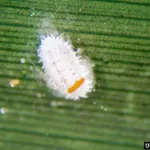
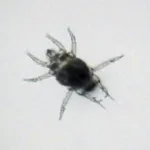
Slugs and snails may chew emerging foliage; aphids can cluster on shoots and flower stems, while spider mites are more likely in hot, dry protected conditions. Inspect undersides of leaves, remove pests by hand or water spray where practical, and avoid broad-spectrum insecticides during flowering.
Related diseases and pests
Only Plant Doctor profiles whose host data indicate this plant may be affected are shown here.


Toxicity and pollen
Canna lily is listed by ASPCA as non-toxic to dogs and cats. This does not guarantee that large quantities are harmless: chewing plant material can still cause minor gastrointestinal upset in some animals, and any unusual symptoms warrant veterinary advice. Avoid confusing canna with true lilies, which have very different toxicity risks.
- Typical season
- Summer through fall
- Pollination / pollen
- Flower-held insect-pollinated pollen
Canna pollen is primarily presented within the flower and is not generally regarded as a major airborne pollen source. Available evidence does not support assigning a high allergy risk to this cultivar, but sensitive people can still react to direct contact with flowers or plant material.
Native habitat
The cultivar itself is a garden selection rather than a wild habitat plant. Its Canna background reflects warm, frost-free to seasonally wet environments, and it performs best in heat, fertile soil and reliable moisture. Cold winters require either a protected microclimate or dormant rhizome storage.
Interesting fact
The cultivar is widely associated with the names 'Phasion' and 'Tropicanna', but naming and legal histories differ by market. Its ornamental value comes from foliage as much as flowers. Rhizome division is the dependable way to preserve the cultivar. Broad leaves can be damaged by wind despite the plant's strong upright stems.
Frequently asked questions (FAQ)
The most relevant questions about this plant, with short and direct answers.
🌱Quick care
How do you care for Canna 'Durban'?⌄
Grow Canna 'Durban' in full sun, rich moisture-retentive soil, and keep it evenly moist. Protect the rhizomes from frost, especially in colder parts of the United States.
Is Canna 'Durban' a perennial?⌄
Canna 'Durban' is a rhizomatous perennial in warm climates, but it is often grown as an annual or overwintered indoors where frost can freeze the rhizomes. Its outdoor survival depends on winter temperatures and drainage.
How tall does Canna 'Durban' get?⌄
Canna 'Durban' commonly reaches about 4 to 6 feet tall in favorable conditions. Height varies with warmth, moisture, fertility, and whether it is grown in the ground or a container.
What does Canna 'Durban' look like?⌄
Canna 'Durban' has broad, tropical-looking leaves striped in green, yellow, bronze, red, and pink, with vivid orange flowers. It is valued as much for its multicolored foliage as for its blooms.
🌤️Environment and placement
How much sun does Canna 'Durban' need?⌄
Canna 'Durban' performs best in full sun, ideally receiving at least 6 hours of direct sunlight daily. More light usually produces stronger growth, better flowering, and more intense leaf coloration.
Can Canna 'Durban' grow in partial shade?⌄
Canna 'Durban' can tolerate partial shade, but flowering and the intensity of its striped foliage may be reduced. Choose the brightest location available if colorful leaves are a priority.
What soil is best for Canna 'Durban'?⌄
Use rich, fertile soil that holds moisture but drains excess water. Improve poor soil with compost or other organic matter, while avoiding locations where water remains stagnant around the rhizomes.
Can Canna 'Durban' grow near a pond?⌄
Canna 'Durban' can grow in consistently moist soil near a pond, provided the rhizomes are not permanently submerged. Good drainage remains important even though the plant prefers abundant moisture.
Can you grow Canna 'Durban' in a container?⌄
Yes, Canna 'Durban' grows well in a large, heavy container with drainage holes and rich potting mix. Choose a container wide enough for the spreading rhizomes and tall enough to support the mature plant.
💧Care and problems
How often should you water Canna 'Durban'?⌄
Water Canna 'Durban' whenever the soil surface begins to dry, keeping the root zone evenly moist during active growth. Container plants and specimens in hot, windy locations may need watering more frequently.
Should you fertilize Canna 'Durban'?⌄
Yes, fertilize Canna 'Durban' during active growth with compost or a balanced slow-release fertilizer. Regular feeding is most helpful in containers or poor soil, but avoid excessive nitrogen if flowering is weak.
Why are the leaves on my Canna 'Durban' turning green?⌄
Reduced sunlight, cool temperatures, or normal environmental variation can make Canna 'Durban' foliage appear less colorful. Move it toward brighter light, but investigate virus symptoms if the pattern is new, irregular, distorted, or spreading.
Why is my Canna 'Durban' not flowering?⌄
Insufficient sunlight, cool conditions, drought, or inadequate nutrition can delay flowering. Give the plant full sun, consistent moisture, and a long warm growing season, recognizing that newly planted rhizomes may bloom later.
What pests attack Canna 'Durban'?⌄
Canna 'Durban' may be affected by aphids, Japanese beetles, slugs, snails, and spider mites, especially in dry indoor conditions. Inspect young leaves and buds regularly and address infestations promptly with appropriate controls.
What causes yellow streaks or distorted leaves on Canna 'Durban'?⌄
Yellow streaking, stunting, twisting, or distorted flowers can indicate a canna virus rather than ordinary variegation. Remove and discard severely affected plants instead of propagating them, and control aphids that can spread some viruses.
How do you deadhead Canna 'Durban'?⌄
Remove spent flower clusters and cut the finished flower stalk back to the base once it no longer has developing buds. This keeps the plant tidy and can encourage additional flowering while preserving healthy foliage.
🪴Planting and repotting
When should you plant Canna 'Durban' rhizomes?⌄
Plant Canna 'Durban' rhizomes outdoors after the danger of frost has passed and the soil has warmed, generally in late spring. In much of the United States, planting after nighttime temperatures consistently stay above about 50°F is safer.
How deep should Canna 'Durban' rhizomes be planted?⌄
Plant Canna 'Durban' rhizomes about 3 to 4 inches deep with the growing eyes facing upward. Space them roughly 18 to 24 inches apart, allowing room for the clumps to expand.
How long does Canna 'Durban' take to sprout after planting?⌄
Canna 'Durban' may sprout in roughly 2 to 4 weeks after planting when the soil is warm and evenly moist. Cold soil, excess water, or dormant rhizomes can delay emergence.
Can Canna 'Durban' be transplanted?⌄
Yes, transplant Canna 'Durban' in spring or during active growth, keeping as much of the rhizome and root system intact as possible. Water thoroughly after moving it and protect the plant from drying out while it reestablishes.
How do you overwinter Canna 'Durban' in cold climates?⌄
After frost blackens the foliage, cut the stems back, dig the rhizomes, and let them dry briefly before storing them in a cool, dark, frost-free place. Pack them loosely in slightly dry peat, vermiculite, or similar material and check periodically for rot.
Can Canna 'Durban' stay in the ground over winter?⌄
Canna 'Durban' may overwinter outdoors in mild areas, often around USDA Zones 8 through 10, if the soil is well drained and winter protection is provided. In colder zones or wet winter sites, lifting the rhizomes is safer.
✂️Propagation and pruning
How do you propagate Canna 'Durban'?⌄
Propagate Canna 'Durban' most reliably by dividing its rhizomes in spring. Separate healthy sections so each division has at least one strong growing point, then replant them in warm, fertile, moist soil.
Can Canna 'Durban' be grown from seed?⌄
Canna 'Durban' can produce seed, but seedlings may not retain the parent plant's distinctive foliage or flower traits. Rhizome division is preferred when you want plants true to the named cultivar.
When should you divide Canna 'Durban' rhizomes?⌄
Divide Canna 'Durban' rhizomes in spring as new growth begins or when bringing stored rhizomes back into growth. Each section should have healthy tissue and one or more viable eyes.
Should Canna 'Durban' be cut back in fall?⌄
Cut Canna 'Durban' stems back after frost damages the foliage or before lifting the rhizomes for storage. In frost-free climates, removing declining stems still helps maintain a tidy clump and encourages fresh growth.
⚠️Toxicity and safety
Is Canna 'Durban' toxic to dogs?⌄
Canna 'Durban' is considered non-toxic to dogs. Even non-toxic plants can cause mild stomach upset if eaten in quantity, so contact a veterinarian if your dog shows persistent symptoms.
Is Canna 'Durban' toxic to cats?⌄
Canna 'Durban' is considered non-toxic to cats and is not a true lily. Eating plant material can still cause temporary gastrointestinal upset, so seek veterinary advice if symptoms are severe or persistent.
Is Canna 'Durban' a true lily?⌄
No, Canna 'Durban' is not a true lily; it belongs to the Cannaceae family. This distinction matters because it does not carry the same well-known cat-kidney toxicity associated with true lilies in the genus Lilium.
🌸Flowering and special interest
When does Canna 'Durban' bloom?⌄
Canna 'Durban' generally blooms from summer into fall, often continuing until frost. Flowering begins later in cool climates and may be delayed by late planting or insufficient sunlight.
What color are Canna 'Durban' flowers?⌄
Canna 'Durban' usually produces bright orange to tangerine-orange flowers on upright stalks. Flower color can vary somewhat with growing conditions and the particular plant sold under the cultivar name.
How do you get more flowers on Canna 'Durban'?⌄
Provide full sun, steady moisture, fertile soil, and regular feeding during active growth to encourage more flowers. Remove spent blooms and protect the plant from drought, which can shorten the flowering season.
Similar plants
 Yellow lantern chili (Capsicum chinense) care guideCapsicum chinense
 Capsicum baccatum care guideCapsicum baccatum
 Serrano (Capsicum annuum ‘Serrano’)Capsicum annuum 'Serrano'
 Purple Beauty (Capsicum annuum ‘Purple Beauty’)Capsicum annuum 'Purple Beauty'
 Numex Twilight (Capsicum annuum ‘Numex Twilight’)Capsicum annuum 'Numex Twilight'
 Explosive Ember Chili Pepper (Capsicum annuum ‘Explosive Ember’)Capsicum annuum 'Explosive Ember'