Source:
 Canna indica short overview
Canna indica is a bold, rhizomatous perennial from tropical and subtropical America, grown for its upright stems, broad paddle-shaped leaves, vivid flower spikes, and hard black seed capsules. In the United States it performs best in full sun, fertile soil, and regular moisture. Treat it as a tender perennial where winters are cold: cut back frost-damaged growth and store lifted rhizomes in a cool, dry place.
Taxonomic classification
Canna indica care guide
Light and placement
Give Canna indica full sun, ideally with at least 6 hours of direct light, for the strongest flowering and sturdy stems. It tolerates partial shade, especially in hot climates, but may produce fewer flowers and stretch toward brighter exposure. Strong afternoon sun is suitable if moisture is reliable. Pale, weak growth suggests insufficient light; scorched leaf margins usually indicate heat or drought stress rather than excessive light alone.
Watering and humidity
Water deeply when the upper inch of soil begins to dry, then maintain consistent moisture through active growth. This plant tolerates temporarily wet soil better than many ornamentals, but stagnant water around dormant rhizomes promotes rot. Reduce watering after frost cuts back the foliage and keep stored rhizomes only slightly dry, never wet. Humidity is not normally a limiting factor outdoors.
Soil and growing medium
Use fertile, organically rich soil that drains freely while retaining even moisture. Loam is ideal, but Canna indica can tolerate clay or sand if amended with compost and not left waterlogged. A slightly acidic to neutral reaction is suitable. Good drainage is especially important for container rhizomes, which can rot in stagnant winter-wet soil.
Feeding
Feed after spring growth begins with compost plus a balanced slow-release fertilizer, or use a dilute complete fertilizer every 3–4 weeks during active growth. Container plants often need more regular feeding because nutrients leach with watering. Stop fertilizing in late summer or once growth is naturally declining so the plant can harden before storage.
Growth and habit
This species forms an expanding clump from branching underground rhizomes. Warm temperatures, ample moisture, and fertility produce rapid seasonal growth. Remove spent flowering stems and thin overcrowded rhizomes periodically to maintain vigor and reduce congestion without disturbing the main summer display.
Planting and repotting
Plant outdoors after the danger of frost has passed and the soil has warmed. Set rhizomes about 4–6 inches deep with the growing points facing upward, and space plants 18–24 inches apart for a substantial clump. Water thoroughly after planting and keep the bed evenly moist while new shoots establish.
Repot container plants in spring as growth begins, using a fresh, rich but well-drained potting mix. Move the rhizome into a container only modestly larger than the existing root mass; oversized pots stay wet longer. Divide crowded clumps at the same time, ensuring each section has a healthy bud or shoot.
Propagation and pruning
Propagation
Divide rhizomes in spring as shoots emerge, cutting between active buds and retaining healthy roots. Seed propagation is possible after the hard capsules mature, but the very hard seed coat benefits from careful scarification or soaking and may produce variable plants. Division is the more predictable method for maintaining a selected form.
Pruning
Remove spent flower stalks as the display fades to redirect energy and improve appearance. After the first hard frost, cut frost-killed stems and leaves back to the ground. Sanitize tools when removing diseased foliage and do not compost heavily infected material.
Overwintering
In USDA Zones 8–11, rhizomes can often remain in the ground if drainage is excellent and winter temperatures are suitable. In colder zones, cut stems to the ground after frost, lift the clumps, let surfaces dry briefly, and store rhizomes in barely dry peat, vermiculite, or similar medium at about 40–50°F. Inspect periodically for rot or shriveling.
Uses
Primarily grown as an ornamental foliage and flowering plant in borders, containers, tropical-style plantings, and cut-flower displays. The rhizomes and seeds have documented food or starch uses in some regions, but preparation and identity matter; do not treat traditional or ethnobotanical use as a medical recommendation.
Appearance
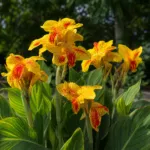
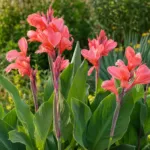
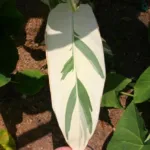
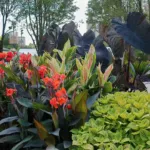
The plant has thick, upright, cane-like stems wrapped in broad sheathing leaves. Leaves are waxy, elliptical to ovate or lance-shaped, with rounded bases and tapered tips; green and violet-green forms occur. The terminal flower spikes rise above the foliage, followed by rounded to ellipsoid brownish capsules covered with soft spines and packed with hard black seeds.
Flowering
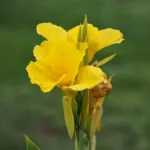
Flowers are produced on terminal spikes or racemes above the foliage. Individual blooms are short-lived, but successive flowers open over a long warm-season display. In much of the United States, flowering is strongest from midsummer into early fall, with timing extended by heat and regular moisture.
Pollination and visitors
Canna flowers are documented as attractive to hummingbirds and other flower visitors in horticultural references. The available evidence supports bird visitation at the Canna group level, but a consistently documented single bird species for Canna indica specifically was not established.
Canna indica photos
Click any photo for a larger view. Source, author and license are shown separately.
Diseases and pests
Diseases
Rhizome rot is the principal concern in poorly drained or cold, wet soil. Improve drainage, avoid planting damaged rhizomes, and remove soft or discolored tissue before replanting. Leaf spots, rust, and fungal blights can develop in crowded, humid plantings; increase air circulation, water at the soil line, and remove heavily affected foliage.
Pests
Watch for caterpillars, thrips, spider mites, and aphids, especially on stressed or crowded plants. Inspect leaf undersides and new growth regularly. Remove heavily damaged leaves, rinse foliage with water when appropriate, and use targeted insecticidal soap or horticultural oil only according to the product label. Avoid broad-spectrum sprays when flowers are open and visitors are active.
Related diseases and pests
Only Plant Doctor profiles whose host data indicate this plant may be affected are shown here.
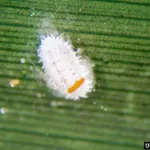 PestCitrus mealybugPlanococcus citri
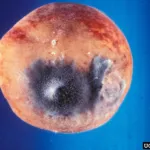 DiseaseRhizopus soft rotRhizopus stolonifer
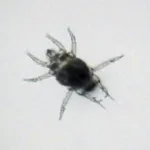 PestBroad mitePolyphagotarsonemus latus (Banks)
 DiseaseBacterial soft rotPectobacterium carotovorum
 DiseaseAlternaria leaf spot and fruit rotAlternaria alternata
 DiseaseRhizoctonia DiseasesRhizoctonia solani Kühn
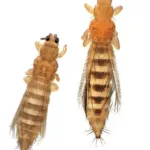 PestOnion thripsThrips tabaci Lindeman
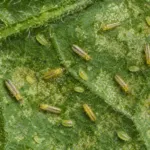 PestMelon thripsThrips palmi Karny
Toxicity and pollen
Authoritative pet references list common garden canna and achira-type cannas as non-toxic or not associated with systemic toxicity, but the exact species record is not always separated from horticultural Canna names. Eating any plant material can still cause mild stomach upset. Avoid relying on this profile for diagnosis, and contact a veterinarian or poison service if symptoms follow ingestion.
- Typical season
- During flowering, generally July–September in much of the United States
- Pollination / pollen
- Mostly animal-associated pollen; limited airborne dispersal
Canna is primarily insect- or bird-associated rather than a strongly wind-dispersed pollen source, so airborne pollen exposure is expected to be limited compared with wind-pollinated plants. Sensitive individuals can still react to plant material or nearby flowering vegetation; avoid assuming zero allergy risk.
Native habitat
Canna indica occurs naturally across tropical and subtropical America, including seasonally dry tropical regions. It grows in warm habitats with seasonal moisture, often in open ground where sunlight is available and soils can retain water without remaining stagnant. It is also widely cultivated and naturalized beyond its native range.
Interesting fact
Canna indica is a rhizomatous geophyte, meaning its underground rhizome supports seasonal top growth. Its mature capsules contain numerous hard, black, bead-like seeds. The species is native to tropical and subtropical America despite the historical epithet indica. It has documented food and animal-feed uses in some regions, but ornamental plants should not be eaten unless identity and preparation are certain.
Frequently asked questions (FAQ)
The most relevant questions about this plant, with short and direct answers.
🌱Quick care
What is Canna indica?⌄
Canna indica is a rhizomatous perennial in the Cannaceae family, grown for its broad foliage and showy flowers. In the United States, it is commonly sold within the broader canna group and is not a true lily.
How much sun does Canna indica need?⌄
Canna indica grows best in full sun to partial shade, with stronger flowering usually occurring in brighter light. Provide at least 6 hours of direct sun where possible, while offering afternoon shade in very hot climates.
How often should I water Canna indica?⌄
Water Canna indica whenever the soil surface begins to dry so the root zone stays evenly moist. Do not let containers sit in stagnant water unless the plant is intentionally grown in a consistently wet bog-like location.
What soil is best for Canna indica?⌄
Use fertile, organically rich, well-drained soil for Canna indica. Improve poor soil with compost, but avoid heavy, compacted ground that remains waterlogged around the rhizomes.
Is Canna indica easy to grow?⌄
Canna indica is generally easy to grow when given warmth, adequate moisture, fertile soil, and sufficient sunlight. The main challenge in colder regions is protecting or storing the rhizomes through winter.
🌤️Environment and placement
Can Canna indica grow in partial shade?⌄
Yes, Canna indica can grow in partial shade, although it may produce fewer flowers and less vigorous growth than plants receiving full sun. Bright morning sun or filtered light is usually preferable to dense shade.
Can Canna indica grow in containers?⌄
Yes, Canna indica grows well in large containers with drainage holes and fertile potting mix. Choose a heavy container for stability, keep the mix evenly moist, and expect to divide or repot crowded rhizomes periodically.
What USDA hardiness zones can grow Canna indica outdoors?⌄
Canna indica can be grown outdoors year-round in warm parts of the United States, while colder areas typically grow it as a summer plant. Exact survival depends on local conditions, but rhizomes should be protected when temperatures approach about 25°F.
Can Canna indica tolerate wet soil?⌄
Canna indica tolerates consistently moist soil better than many ornamental perennials, but ordinary garden plantings still need drainage. Prolonged stagnant water can encourage rhizome or root problems, especially during cool weather.
Where should I plant Canna indica in my yard?⌄
Plant Canna indica in a sunny, sheltered bed with fertile soil and reliable moisture. It works well near patios, ponds, mixed borders, or the back of a flower bed where its tall foliage will not shade smaller plants.
💧Care and problems
Why are the leaves of my Canna indica turning yellow?⌄
Yellow leaves on Canna indica may result from overwatering, poor drainage, natural aging, nutrient depletion, or cold stress. Check the soil moisture and drainage first, then remove only leaves that are fully yellow or damaged.
How do I fertilize Canna indica?⌄
Feed Canna indica during active growth with compost or a balanced, slow-release fertilizer according to the product label. Regular moisture and fertile soil are more important than heavy feeding, which can produce foliage at the expense of flowers.
What pests commonly attack Canna indica?⌄
Canna indica may be damaged by caterpillars, especially leafrollers, along with aphids, thrips, or spider mites. Inspect rolled or ragged leaves regularly and use hand removal or a labeled control appropriate for ornamental plants when needed.
Should I cut back Canna indica after flowering?⌄
Remove spent flower stalks and damaged leaves to keep Canna indica tidy and encourage continued growth. In areas where the foliage is killed by frost, cut the plant back after the first hard frost rather than while it is still actively flowering.
Why is my Canna indica not blooming?⌄
Canna indica may fail to bloom because of insufficient sunlight, cool temperatures, overcrowded rhizomes, drought, or excessive nitrogen fertilizer. Move container plants to brighter light and keep actively growing plants evenly moist and well fed.
🪴Planting and repotting
When should I plant Canna indica rhizomes?⌄
Plant Canna indica rhizomes outdoors in spring after the danger of hard frost has passed and the soil has warmed. In colder regions, start rhizomes indoors several weeks earlier and transplant them after nighttime temperatures moderate.
How deep should I plant Canna indica rhizomes?⌄
Plant Canna indica rhizomes about 2 to 4 inches deep with the growing eyes facing upward. Space them according to the mature size of the plant, allowing airflow and room for the clump to expand.
Can I grow Canna indica from seed?⌄
Yes, Canna indica can be grown from seed, although seedlings may take longer to flower and may not match a selected ornamental cultivar. Nick or lightly file the hard seed coat and soak the seeds before sowing in warm, moist seed-starting mix.
✂️Propagation and pruning
How do I propagate Canna indica?⌄
The easiest way to propagate Canna indica is by dividing its rhizomes. Separate healthy sections with at least one visible growing eye on each piece, allow fresh cuts to dry briefly, and replant them in warm, moist soil.
When should I divide Canna indica?⌄
Divide Canna indica in early spring as new growth begins or after lifting the rhizomes for winter storage. Dividing while the plant is dormant or just beginning growth reduces transplant stress and makes the growing eyes easier to identify.
How do I overwinter Canna indica in cold climates?⌄
After frost damages the foliage, lift the rhizomes, let them dry briefly, and store them in a cool, dark, frost-free place in barely moist peat, vermiculite, or similar material. Recheck them occasionally and discard any sections that become soft or rotten.
Can Canna indica stay in the ground over winter?⌄
Canna indica can remain in the ground where winters are mild and the soil does not freeze deeply. In colder areas, mulch may not provide enough protection, so lift and store the rhizomes before severe freezes.
⚠️Toxicity and safety
Is Canna indica toxic to dogs and cats?⌄
Canna indica is listed by the ASPCA as non-toxic to dogs, cats, and horses. Even non-toxic plants can cause stomach upset if eaten, and any plant treated with pesticides or fertilizer may pose a separate risk.
Is Canna indica a true lily?⌄
No, Canna indica is not a true lily; it belongs to the Cannaceae family rather than the lily family. This distinction matters because the plant is not associated with the severe lily toxicity syndrome that affects cats.
Can people eat Canna indica?⌄
Some forms of Canna indica are associated with edible rhizomes or arrowroot products, but garden plants should not be eaten unless their identity, growing conditions, and preparation are known. Ornamental cultivars and plants exposed to pesticides are not suitable food sources.
🌸Flowering and special interest
When does Canna indica bloom?⌄
Canna indica typically blooms during warm weather, often from summer into early fall in the United States. Flowering may continue longer in frost-free climates when the plant receives enough sun, water, and nutrients.
What color flowers does Canna indica have?⌄
Canna indica flowers may appear in red, orange, yellow, pink, or combinations of these colors, depending on the plant or cultivar. Flower color is not always enough to identify the species because cultivated cannas are widely hybridized.
How long do Canna indica flowers last?⌄
Individual Canna indica flowers are short-lived, but the plant produces successive flowers along its upright stalks. Removing spent blooms can improve the plant’s appearance and may help direct energy toward additional flowering.