Source:
 Canna lily (Canna ‘Black Knight’) short overview
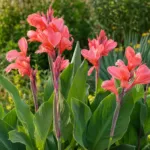
Canna 'Black Knight' is a bold garden hybrid valued for its smoky burgundy to purple foliage and vivid deep red flowers. Its upright, clumping growth creates a strong vertical accent in sunny beds, large containers, and water-garden margins. Keep the soil consistently moist but well drained, feed during active growth, and protect the rhizomes from freezing in colder parts of the United States by lifting and storing them after frost.
Taxonomic classification
Canna lily (Canna ‘Black Knight’) care guide
Light and placement
Give full sun, ideally six or more hours of direct light, with a south- or west-facing orientation. A sheltered border or large container is preferable because strong wind can tear the broad leaves. Insufficient light produces weaker stems, fewer flowers, and greener-looking foliage; intense heat with drought can scorch leaf margins, so pair strong light with dependable moisture.
Watering and humidity
Water deeply when the upper surface begins to dry, keeping the root zone evenly moist throughout active growth. Containers may need watering daily during hot summer weather, while in-ground plants usually need less frequent but thorough irrigation. Reduce watering after dormancy begins and keep stored rhizomes only slightly dry, never wet.
Soil and growing medium
Use fertile, moisture-retentive soil that still drains freely. Loam amended with compost is suitable, while very dry, compacted, or chronically waterlogged soil can reduce vigor and encourage rhizome rot. Cannas tolerate a broad pH range from mildly acidic through mildly alkaline, so routine correction is usually unnecessary unless a soil test shows a problem.
Feeding
Feed after spring growth starts with compost plus a balanced slow-release fertilizer, or use a dilute balanced liquid feed every few weeks during active growth. Cannas are heavy feeders when producing abundant foliage and flowers. Stop routine fertilizing as the plant enters dormancy or before stored rhizomes are brought indoors.
Growth and habit
This cultivar forms an upright clump from branching rhizomes and grows rapidly once temperatures are warm. It is best treated as a seasonal perennial in cold climates: allow the foliage to build reserves, then cut it back after frost and lift or protect the rhizomes. Strong stems reduce the need for staking, although exposed sites may still require support.
Planting and repotting
Plant outdoors after the danger of hard frost has passed and the soil has warmed. Set rhizomes about 4–6 inches deep with the growing eyes facing upward, then water thoroughly. Allow roughly 24–36 inches between plants; closer spacing gives a fuller screen but increases competition and humidity around the foliage.
Repot container-grown rhizomes in spring as growth begins, using a large, heavy container filled with rich, well-drained potting mix. Refresh crowded clumps by dividing the rhizomes rather than repeatedly shifting the entire plant into a slightly larger pot.
Propagation and pruning
Propagation
Divide established rhizomes in spring before vigorous shoot growth begins. Each division should retain at least one healthy growing eye and a firm section of rhizome. Seed is not the preferred method for maintaining this named cultivar because seedlings may not reproduce its foliage and flower characteristics.
Pruning
Deadhead spent flower clusters for a tidier display and to redirect energy toward continued flowering. After the first killing frost, cut stems and foliage to a few inches above the soil before lifting the rhizomes or applying winter protection. Remove damaged leaves during the growing season to improve appearance and airflow.
Overwintering
In Zones 8–11, mulch heavily after the first frost and keep rhizomes well drained. In colder areas, cut back frost-damaged stems, lift the rhizomes after frost, let them dry briefly, and store them in barely moist peat, vermiculite, or similar material in a cool, dark, frost-free place. Recheck periodically for rot or shriveling.
Uses
Use 'Black Knight' for dramatic summer borders, large patio containers, tropical-style plantings, cut flowers, and sheltered pond margins. Its dark foliage provides contrast with green or silver-leaved plants. Although commonly called a lily, it is not a true lily and should not be confused with toxic Lilium species.
Appearance
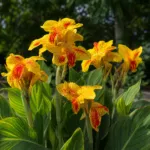
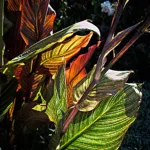
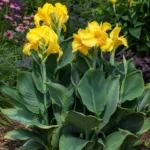
The plant is identified by broad, lance-shaped to ovate leaves in smoky burgundy, bronze, or purple tones, carried on upright green-purple stems. The foliage is more striking than the name suggests: it is not truly black, but can appear nearly black in strong contrast. Deep red flower clusters rise above the leaves and create a strong vertical silhouette.
Flowering
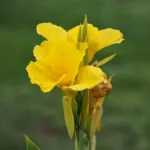
The flowers are borne in upright terminal clusters above the foliage, with broad, showy petal-like staminodes and a deep red to crimson appearance. In the United States, flowering generally begins in midsummer and can continue into early fall when plants receive warmth, moisture, and regular feeding. Removing spent flower clusters can improve presentation but is not essential for continued growth.
Pollination and visitors
Reliable documentation for visitors to this exact cultivar is limited. Canna flowers have structures associated with animal visitation, but the available cultivar-specific sources do not establish a dependable primary pollinator group; therefore the attraction rating is left unknown rather than inferred.
Diseases and pests
Diseases
Poor drainage can cause rhizome rot. Watch for leaf spot, rust, bacterial blight, bud rot, aster yellows, and canna mosaic symptoms such as streaking or distorted yellowing. Improve air circulation, avoid overhead watering where practical, remove badly affected tissue, sanitize tools, and discard severely diseased plants rather than composting them.
Pests
Japanese beetles, canna leafrollers, aphids, slugs, and snails may damage leaves or buds. Inspect young foliage and rolled leaves regularly, remove pests by hand where feasible, and reduce hiding places for slugs and snails. Avoid broad-spectrum insecticides during bloom unless necessary because they can harm beneficial visitors.
Related diseases and pests
Only Plant Doctor profiles whose host data indicate this plant may be affected are shown here.
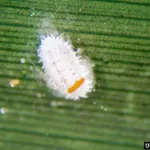 PestCitrus mealybugPlanococcus citri
 DiseaseAster yellows‘Candidatus Phytoplasma asteris’
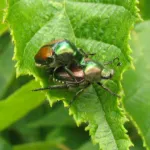 PestJapanese beetlePopillia japonica
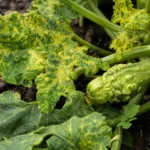 DiseaseZucchini yellow mosaicZucchini yellow mosaic virus
 DiseaseRhizopus soft rotRhizopus stolonifer
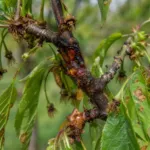 DiseaseBacterial blight and cankerPseudomonas syringae pv. syringae
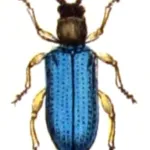 PestCereal leaf beetleOulema melanopus
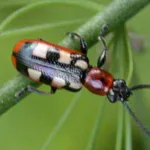 PestAsparagus BeetleCrioceris asparagi
Toxicity and pollen
ASPCA lists canna lily as non-toxic to dogs and cats. This supports a low toxicity classification for typical household and garden exposure, but chewing any ornamental plant may still cause minor gastrointestinal upset. Avoid deliberate ingestion and contact a medical or veterinary professional if unusual symptoms occur.
- Typical season
- Late spring through fall when flowering plants release pollen; cultivar-specific exposure data are unavailable.
- Pollination / pollen
- Low-airborne, insect-associated pollen; exact cultivar data limited
Canna is not generally treated as a major airborne-pollen allergen in horticultural guidance, and the large showy flowers are associated with animal rather than wind dispersal. Evidence specific to 'Black Knight' is limited, so the low rating indicates limited expected airborne exposure, not a guarantee of zero allergy risk.
Native habitat
Canna garden hybrids descend from warm-climate Canna lineages associated with tropical and subtropical environments, often near moist ground or wetlands. 'Black Knight' is a cultivated hybrid rather than a wild native plant, so it performs best in warm, fertile, moisture-retentive sites with a long growing season and protection from severe winter cold.
Interesting fact
The cultivar is recognized for unusually dark foliage paired with red flowers. Its stems are described as strong, helping the plant hold a vertical form. Some horticultural sources place it among dwarf cannas, while others report substantially taller garden specimens, suggesting that climate, fertility, and stock selection strongly affect size.
Frequently asked questions (FAQ)
The most relevant questions about this plant, with short and direct answers.
🌱Quick care
What is Canna 'Black Knight'?⌄
Canna 'Black Knight' is a canna lily cultivar grown for its dark burgundy to bronze foliage and crimson-red flowers. It is a rhizomatous perennial in the Cannaceae family.
How much sun does Canna 'Black Knight' need?⌄
Canna 'Black Knight' performs best in full sun, meaning at least 6 hours of direct sunlight daily. More light generally supports stronger stems, darker foliage, and better flowering.
How often should I water Canna 'Black Knight'?⌄
Keep Canna 'Black Knight' consistently moist during active growth and flowering. Water when the soil surface begins to dry, but avoid stagnant conditions in containers or poorly drained ground.
How tall does Canna 'Black Knight' get?⌄
Canna 'Black Knight' commonly reaches about 3 to 6 feet tall, depending on climate, fertility, and growing conditions. Give it enough space for an upright clump that can spread approximately 2 feet or more.
🌤️Environment and placement
Can Canna 'Black Knight' grow in containers?⌄
Yes, Canna 'Black Knight' grows well in large containers with drainage holes. Choose a sturdy pot at least 18 inches wide and deep, use fertile moisture-retentive potting mix, and water more frequently during hot weather.
What soil is best for Canna 'Black Knight'?⌄
Use fertile, moisture-retentive, well-drained loam for Canna 'Black Knight'. It tolerates a range of soil pH levels, but compacted or permanently waterlogged soil can cause rhizome problems.
Can Canna 'Black Knight' grow near a pond or in wet soil?⌄
Canna 'Black Knight' tolerates consistently moist soil, but it should not sit in stagnant, poorly drained conditions. Plant it near a pond only where the soil remains moist yet excess water can drain.
Is Canna 'Black Knight' evergreen?⌄
Canna 'Black Knight' is generally deciduous where frost occurs and may die back after freezing temperatures. In frost-free or very mild areas, it can retain foliage longer or remain evergreen.
What USDA hardiness zones can grow Canna 'Black Knight' outdoors?⌄
Canna 'Black Knight' is commonly grown outdoors year-round in USDA Zones 7 through 11, with winter protection varying by local conditions. In colder zones, lift and store the rhizomes before hard freezing.
💧Care and problems
How do I fertilize Canna 'Black Knight'?⌄
Feed Canna 'Black Knight' with a balanced fertilizer during active growth, following the product label. Regular feeding is most useful in fertile containers or soils where nutrients are quickly depleted.
Why is my Canna 'Black Knight' not flowering?⌄
Insufficient sunlight, drought, cold weather, or inadequate nutrition can reduce flowering in Canna 'Black Knight'. Move it to full sun, keep the soil evenly moist, and provide balanced fertilizer during the growing season.
Why are the leaves of Canna 'Black Knight' turning green?⌄
Lower light can make Canna 'Black Knight' foliage appear less intensely burgundy or bronze. Heat, strong sunlight, and cultivar variation also affect color, so some seasonal change is normal.
What pests affect Canna 'Black Knight'?⌄
Canna 'Black Knight' may be affected by aphids, slugs, snails, spider mites, and canna leafrollers. Inspect new growth and leaf undersides regularly, and remove pests or damaged foliage promptly.
How do I prevent root or rhizome rot in Canna 'Black Knight'?⌄
Prevent rot by planting Canna 'Black Knight' in fertile but well-drained soil and avoiding containers that hold excess water. Reduce winter moisture when the plant is dormant and store lifted rhizomes only slightly moist.
🪴Planting and repotting
When should I plant Canna 'Black Knight' rhizomes?⌄
Plant Canna 'Black Knight' rhizomes outdoors in spring after the danger of hard frost has passed and the soil has warmed. In colder regions, start them indoors several weeks earlier for a longer growing season.
How deep should I plant Canna 'Black Knight' rhizomes?⌄
Plant Canna 'Black Knight' rhizomes about 2 to 4 inches deep with the growing points facing upward. Space clumps roughly 18 to 24 inches apart to allow room for spreading.
Can I leave Canna 'Black Knight' in the ground over winter?⌄
Leave Canna 'Black Knight' rhizomes in the ground only where winters are mild enough and the soil does not freeze deeply. Elsewhere, cut back frost-damaged growth, lift the rhizomes, and store them in a cool, frost-free place.
✂️Propagation and pruning
How do I propagate Canna 'Black Knight'?⌄
Propagate Canna 'Black Knight' mainly by dividing its rhizomes in spring. Each division should retain at least one healthy growing eye, then be planted in fertile, evenly moist soil.
Can Canna 'Black Knight' be grown from seed?⌄
Canna 'Black Knight' is normally propagated by rhizome division rather than seed. Seed-grown plants may not reproduce the cultivar’s exact foliage or flower characteristics, so division is the more reliable method.
Should I cut back Canna 'Black Knight' after frost?⌄
Yes, cut Canna 'Black Knight' back to a few inches above the soil after frost has blackened the foliage. In warm climates, remove damaged leaves as needed and keep healthy growth until it naturally declines.
⚠️Toxicity and safety
Is Canna 'Black Knight' toxic to dogs and cats?⌄
Canna 'Black Knight' is generally listed as non-toxic to dogs and cats. Even non-toxic plants can cause mild stomach upset if eaten in quantity, so contact a veterinarian if a pet shows symptoms after ingestion.
🌸Flowering and special interest
When does Canna 'Black Knight' bloom?⌄
Canna 'Black Knight' usually blooms from late spring or summer into fall, depending on climate and planting date. Flowers are typically deep red to crimson and stand out against the dark foliage.
How do I make Canna 'Black Knight' bloom longer?⌄
Deadhead spent flowers on Canna 'Black Knight' to encourage continued bloom and keep the plant attractive. Consistent moisture, full sun, and regular feeding also support a longer flowering display.
What color are Canna 'Black Knight' flowers and leaves?⌄
Canna 'Black Knight' has crimson to deep red flowers and dark burgundy, bronze, or chocolate-toned leaves. Foliage color can vary with sunlight, temperature, and growing conditions.
Is Canna 'Black Knight' good for a tropical-style garden?⌄
Yes, Canna 'Black Knight' is well suited to tropical-style borders, poolside plantings, and large containers. Its tall form, broad dark leaves, and red flowers create a strong architectural accent.