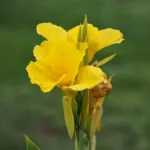
AI-generated illustration
 Canna ‘Lemon Punch’ short overview
Canna 'Lemon Punch' is a compact, clump-forming canna cultivar prized for broad glaucous green leaves and abundant lemon-yellow flowers, often lightly dusted or marked with orange. It blooms through the warm season and suits sunny beds, rain gardens, and large containers. Keep the soil consistently moist and fertile for the strongest growth. In colder parts of the United States, lift and store the rhizomes before freezing weather.
Taxonomic classification
Canna ‘Lemon Punch’ care guide
Light and placement
Give full sun for the strongest flowering, ideally with at least 6 hours of direct light. In hot southern locations, light afternoon shade can help preserve flower quality. Too little light produces lanky stems and fewer blooms; harsh reflected heat combined with drought can scorch leaf margins.
Watering and humidity
Water deeply whenever the upper inch of soil begins to dry, keeping the root zone evenly moist during active growth. Increase frequency in hot weather and containers, and reduce sharply after dormancy begins. Moisture is beneficial, but standing winter water around dormant rhizomes increases rot risk.
Soil and growing medium
Use fertile, humus-rich soil that holds moisture without becoming stagnant. A loam amended with compost is suitable; improve heavy clay drainage before planting. Slightly acidic to neutral conditions are appropriate. Containers need a rich, well-drained potting mix with adequate weight to support the tall foliage.
Feeding
Feed after growth starts in spring with compost or a balanced slow-release fertilizer. In beds, one spring application followed by a light midsummer feeding is usually enough; containers may need dilute fertilizer every 3–4 weeks while actively growing. Avoid heavy late-season nitrogen, which can encourage foliage over flowers.
Growth and habit
This cultivar forms a dense clump of upright, leafy stems from thick rhizomes and grows rapidly during warm weather. Flowers are produced repeatedly through the season when moisture, fertility, and sunlight are adequate. Cut stems to the ground after frost or when foliage declines, rather than leaving damaged growth over winter.
Planting and repotting
Plant outdoors after the last frost when soil has warmed. Set rhizomes about 4 inches deep with the growing eyes facing upward, then water thoroughly. Allow roughly 24–36 inches between plants for a dense but well-aired display; use a wide, heavy container for stability.
Repot container-grown rhizomes in spring when new shoots begin to emerge, moving them into a container only modestly larger than the root mass. Refresh depleted mix and ensure generous drainage holes. Divide crowded rhizomes at the same time if several vigorous shoots are present.
Propagation and pruning
Propagation
Divide dormant or newly waking rhizomes in spring, ensuring each section has at least one healthy growth eye. Seed propagation is possible but will not reliably reproduce the named cultivar. Division is the practical method for maintaining 'Lemon Punch' characteristics.
Pruning
Remove spent flower spikes and damaged leaves as needed, although the cultivar is often described as self-cleaning. After frost blackens the foliage, cut stems back to the ground. Sanitize tools between plants when disease is suspected.
Overwintering
In USDA Zones 8–10, leave rhizomes in the ground only where drainage is reliable and winter freezes are brief. In colder areas, lift rhizomes after frost, let them dry briefly, and store them barely moist in a cool, dark, frost-free place. Replant in spring after freezing weather has passed.
Uses
Use 'Lemon Punch' for sunny mixed borders, tropical-style plantings, rain gardens, poolside containers, and cut-flower arrangements. Its bold foliage also works as a seasonal architectural accent. It is not documented here as a culinary or medicinal plant, so do not promote ingestion.
Appearance
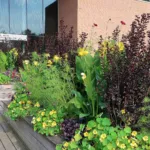
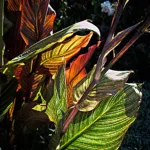
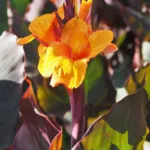
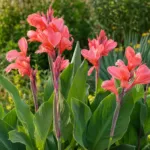
The cultivar has broad, banana-like leaves with a cool glaucous green cast and upright flowering stems. Its visual signature is the contrast between blue-green foliage and large lemon-yellow flowers, sometimes dusted with orange. The plant forms a substantial leafy clump rather than a thin, wandering stem display.
Flowering
Large, showy flowers are carried in terminal spikes above the foliage. 'Lemon Punch' is noted for heavy summer flowering and flowers that shed spent tissue naturally, reducing the need for constant deadheading. Bloom timing varies with planting date, latitude, and heat.
Pollination and visitors
Canna flowers can provide nectar and pollen resources for insect visitors, while hummingbirds may also visit showy canna blooms. Evidence is stronger for the genus and related cultivars than for 'Lemon Punch' specifically, so visitor intensity is rated medium rather than high.
Diseases and pests
Diseases
Watch for canna rust, fungal leaf spots, bacterial or viral disorders, and rhizome rot in poorly drained soil. Remove badly affected leaves, improve air movement, avoid overhead irrigation, and discard severely diseased plants or rhizomes. Buy clean planting stock because viruses are difficult to cure.
Pests
Inspect for aphids, spider mites, thrips, slugs, and canna leafrollers. Remove rolled or chewed leaves, wash foliage with water when practical, and use targeted controls only when damage is persistent. Keep plants vigorous but avoid chronically wet foliage and overcrowding.
Related diseases and pests
Only Plant Doctor profiles whose host data indicate this plant may be affected are shown here.
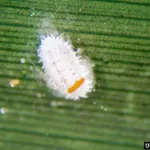 PestCitrus mealybugPlanococcus citri
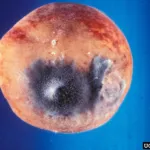 DiseaseRhizopus soft rotRhizopus stolonifer
 DiseaseBacterial soft rotPectobacterium carotovorum
 DiseaseAlternaria leaf spot and fruit rotAlternaria alternata
 DiseaseRhizoctonia DiseasesRhizoctonia solani Kühn
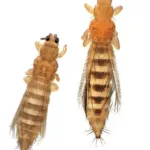 PestOnion thripsThrips tabaci Lindeman
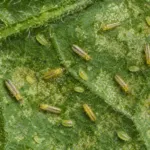 PestMelon thripsThrips palmi Karny
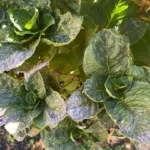 PestChilli thripsScirtothrips dorsalis Hood
Toxicity and pollen
ASPCA lists canna lily as non-toxic to dogs and cats. Normal garden hygiene is still sensible because chewing any ornamental plant can cause minor digestive upset, and individual sensitivities are possible. Avoid consuming treated plant material or planting media.
- Typical season
- During summer flowering, generally June–September in much of the United States
- Pollination / pollen
- Heavy, insect-associated pollen; limited airborne dispersal
Cannas are showy, animal-pollinated plants rather than typical wind-pollen sources. Their pollen is generally less likely to become widely airborne than pollen from wind-pollinated trees or grasses, but direct contact with flowers can still affect a sensitized person. No cultivar-specific allergy study was located.
Native habitat
Canna cultivars descend from tropical and subtropical American species adapted to warm climates, fertile soils, and regular moisture. In cultivation they tolerate wet-season conditions better than drought, but rhizomes can rot in cold, waterlogged soil. The named cultivar is a garden hybrid rather than a wild-native taxon.
Interesting fact
Released in 2011 by Kentucky hybridizer Brian Williams, 'Lemon Punch' belongs to the compact Punch series. Its flowers are described as self-cleaning, and the cultivar combines blue-green foliage with lemon-yellow blooms rather than the more common orange or red canna palette.
Frequently asked questions (FAQ)
The most relevant questions about this plant, with short and direct answers.
🌱Quick care
How do you care for Canna 'Lemon Punch'?⌄
Grow Canna 'Lemon Punch' in full sun to partial shade, fertile moisture-retentive soil, and keep the soil evenly moist. Protect the rhizomes and foliage from hard freezes, especially where winter temperatures regularly fall below freezing.
Is Canna 'Lemon Punch' a perennial?⌄
Canna 'Lemon Punch' is a rhizomatous perennial in warm climates, commonly grown outdoors in USDA Zones 7b–10b. In colder areas, lift and store the rhizomes before hard freezes or grow it as a seasonal container plant.
How big does Canna 'Lemon Punch' get?⌄
Canna 'Lemon Punch' typically grows about 3 to 3.5 feet tall and 2 to 2.5 feet wide in good conditions. Its compact habit makes it suitable for containers, borders, mass plantings, and tropical-style gardens.
What color flowers does Canna 'Lemon Punch' have?⌄
Canna 'Lemon Punch' produces large lemon-yellow flowers, sometimes described as lightly dusted or spotted with orange. The flowers are held above green to glaucous blue-green foliage.
🌤️Environment and placement
How much sun does Canna 'Lemon Punch' need?⌄
Canna 'Lemon Punch' grows best in full sun, meaning at least six hours of direct sunlight daily, but it also tolerates partial shade. More sun generally supports stronger stems and heavier flowering when adequate moisture is available.
Can Canna 'Lemon Punch' grow in shade?⌄
Canna 'Lemon Punch' can tolerate partial shade, but deep shade usually produces weaker growth and fewer flowers. Choose a location with morning or afternoon sun and protect the plant from excessively harsh reflected heat if necessary.
What soil is best for Canna 'Lemon Punch'?⌄
Use fertile, humus-rich soil that holds moisture without remaining stagnant or waterlogged. Incorporating compost can improve both nutrient availability and moisture retention in sandy or depleted garden soil.
Can Canna 'Lemon Punch' grow in wet soil?⌄
Canna 'Lemon Punch' tolerates consistently moist soil and can perform well near rain gardens or pond margins, but the rhizomes should not sit in stagnant water unless the plant is specifically adapted to bog-like conditions. Good drainage helps prevent rhizome rot.
Is Canna 'Lemon Punch' suitable for containers?⌄
Yes, Canna 'Lemon Punch' is well suited to large containers because of its compact growth habit and strong summer flowering. Use a container with drainage holes, fertile potting mix, and enough volume to support a plant roughly 3 feet tall.
How cold hardy is Canna 'Lemon Punch'?⌄
Canna 'Lemon Punch' is often listed for approximately USDA Zones 7b–10b, but local winter survival depends on drainage, mulch, and exposure. Protect it from hard freezes, and lift the rhizomes in colder regions.
💧Care and problems
How often should you water Canna 'Lemon Punch'?⌄
Water Canna 'Lemon Punch' whenever the soil surface begins to dry, keeping the root zone evenly moist during active growth. Container plants may need watering more frequently during hot, sunny weather because pots dry out faster than garden beds.
Why are the leaves of my Canna 'Lemon Punch' turning brown?⌄
Brown leaves may result from drought, scorching heat, wind, salt buildup, or frost damage. Check soil moisture and drainage, water deeply during dry periods, and remove leaves that are badly damaged rather than keeping the plant in constantly saturated soil.
Why is Canna 'Lemon Punch' not flowering?⌄
The most common causes are insufficient sunlight, cool temperatures, drought stress, or excessive nitrogen that promotes leaves instead of flowers. Move container plants to brighter light, maintain even moisture, and provide fertile soil without overfeeding.
Does Canna 'Lemon Punch' need fertilizer?⌄
Canna 'Lemon Punch' benefits from fertile soil and regular feeding during active growth, especially in containers. Apply a balanced slow-release fertilizer according to the product label, and avoid excessive nitrogen if flowering is weak.
Should you deadhead Canna 'Lemon Punch'?⌄
Deadheading is optional because Canna 'Lemon Punch' is reported to be self-cleaning, meaning spent flowers drop naturally. Removing damaged flower spikes can still improve appearance and redirect energy toward continued growth.
What pests affect Canna 'Lemon Punch'?⌄
Canna leafrollers, Japanese beetles, aphids, spider mites, and slugs can affect Canna 'Lemon Punch', although pressure varies by location. Inspect folded leaves and new growth regularly, and remove or treat pests early with a method appropriate for edible or ornamental garden settings.
🪴Planting and repotting
When should you plant Canna 'Lemon Punch' outdoors?⌄
Plant Canna 'Lemon Punch' outdoors after the danger of frost has passed and the soil has warmed. In colder parts of the United States, start rhizomes indoors several weeks before the average last frost date and transplant them only after nights are reliably mild.
How deep should Canna 'Lemon Punch' rhizomes be planted?⌄
Plant Canna 'Lemon Punch' rhizomes about 2 to 4 inches deep with the growing eyes facing upward. Space them roughly 18 to 24 inches apart, allowing room for the clump to expand while maintaining good air circulation.
Can you grow Canna 'Lemon Punch' indoors?⌄
Canna 'Lemon Punch' can be grown indoors in a very bright, warm location, but it needs substantial light and room for its broad foliage. Container plants may grow more slowly indoors and may not flower well without several hours of direct sun or strong supplemental lighting.
How do you overwinter Canna 'Lemon Punch' in cold climates?⌄
After frost blackens the foliage, cut the stems back, dig the rhizomes, and let them dry briefly before storing them in a cool, dark, frost-free place. Pack them loosely in slightly dry peat, vermiculite, or similar material and check periodically for rot or shriveling.
✂️Propagation and pruning
How do you propagate Canna 'Lemon Punch'?⌄
Propagate Canna 'Lemon Punch' most reliably by dividing its rhizomes in spring before active growth begins. Each division should include at least one healthy growing eye, and divisions should be planted immediately in warm, moist soil.
Can you grow Canna 'Lemon Punch' from seed?⌄
Canna 'Lemon Punch' may produce seed, but seedlings may not reproduce the parent’s flower color, habit, or other cultivar traits. Rhizome division is preferred when you want new plants that remain true to 'Lemon Punch'.
Should Canna 'Lemon Punch' be cut back in fall?⌄
Cut Canna 'Lemon Punch' back after the first frost damages the foliage or when the plant enters dormancy. In warm, frost-free climates, remove old stems and leaves as needed while leaving healthy active growth in place.
⚠️Toxicity and safety
Is Canna 'Lemon Punch' toxic to dogs and cats?⌄
Canna 'Lemon Punch' is considered non-toxic to dogs and cats. Nevertheless, eating large amounts of any plant material can cause mild digestive upset, so contact a veterinarian if a pet develops persistent symptoms.
Is Canna 'Lemon Punch' safe to grow around children?⌄
Canna 'Lemon Punch' is generally suitable for family gardens because it is considered non-toxic to dogs and cats and is grown as an ornamental plant. Children should still be taught not to eat garden plants, soil, or treated plant material.
🌸Flowering and special interest
When does Canna 'Lemon Punch' bloom?⌄
Canna 'Lemon Punch' generally blooms from late spring or summer into fall when it receives warmth, sunlight, moisture, and adequate nutrition. In frost-free climates, flowering may continue for a long season.
Does Canna 'Lemon Punch' bloom all summer?⌄
Canna 'Lemon Punch' is known for prolific, extended summer flowering under favorable conditions. Consistent moisture, fertile soil, warm temperatures, and sufficient sunlight help maintain production of its lemon-yellow flower spikes.
Are Canna 'Lemon Punch' flowers self-cleaning?⌄
Yes, Canna 'Lemon Punch' is described as self-cleaning, so spent flowers naturally shed as new blooms develop. You can still remove unattractive flower stems or seed capsules to keep container and border plantings tidy.
Does Canna 'Lemon Punch' attract hummingbirds?⌄
Canna 'Lemon Punch' can attract hummingbirds and other pollinators with its bright, nectar-rich flowers. Its bold yellow blooms are especially useful in sunny borders, container displays, and tropical-themed plantings.