
 Source:
 Mammillaria ‘Microhelia’ short overview
Mammillaria 'Microhelia' is a compact, upright pincushion cactus associated with the species Mammillaria microhelia, native to dry Mexican uplands. Its green, tubercled stems carry dense contrasting spines and may form small clumps with age. Small pale yellow to cream flowers can appear in a crown near the stem tip in spring. In the United States, it is best grown in a bright container with mineral, fast-draining soil and a dry winter rest.
Taxonomic classification
Mammillaria ‘Microhelia’ care guide
Light and placement
Provide full sun or the brightest direct light available, such as a south- or west-facing window with gradual acclimation. Outdoors, morning sun and strong filtered afternoon light are suitable in very hot regions. Too little light causes pale, stretched growth and poor flowering; excessive abrupt sun can bleach or scorch the stem.
Watering and humidity
Water thoroughly only after the substrate has dried completely, then let excess drain away. During spring and summer, the interval may be roughly every 2–4 weeks indoors, varying with pot size, light, and temperature. Reduce sharply in autumn and keep nearly dry in winter, especially below 55°F. Never water cold, dormant plants in persistently damp soil.
Soil and growing medium
Use a very open cactus substrate with substantial mineral grit, pumice, perlite, or coarse sand. The pot must drain freely and should not sit in a saucer of water. A slightly acidic to neutral reaction is suitable; avoid heavy, compost-rich or water-retentive mixes that keep the roots wet after irrigation.
Feeding
Feed only during active spring and summer growth, using a balanced cactus fertilizer diluted to about one-quarter to one-half of the label strength. Apply to already-moistened soil rather than dry roots. Stop feeding in late summer or early autumn so new growth can harden before the cool, dry rest.
Growth and habit
A slow-growing, upright Mammillaria that can become clustered through basal offsets. Strong light helps maintain compact stems and supports flowering, while low winter temperatures and dry conditions help preserve form. Excess water, shade, or rich soil can produce weak, elongated growth and root loss.
Planting and repotting
Plant outdoors only in frost-free, sharply drained sites or raised rock gardens. Set the root collar at the same level as before and keep the surrounding soil dry until roots re-establish. For containers, use a shallow pot with a drainage hole and leave room for offsets.
Repot in spring or early summer when the mix is dry. Handle with thick gloves or folded paper, inspect roots, remove dead material, and allow any damaged roots to dry before returning the plant to dry substrate. Use a pot only slightly larger than the root system.
Propagation and pruning
Propagation
Propagate from seed or offsets when available. Detach offsets only after a natural separation point has formed, let the wound callus for several days, then root in dry, gritty medium. Seed propagation is slower but useful for maintaining genetic diversity; avoid collecting from wild populations.
Pruning
No routine pruning is required. Remove dead flowers or fully dried offsets with sterile tools, and cut away diseased tissue only when necessary. Let all wounds dry completely before watering.
Overwintering
Keep indoors or in a protected greenhouse when temperatures approach freezing. A bright, cool winter rest around 45–55°F is suitable if the plant is kept almost completely dry. Resume watering gradually in spring when growth or flower buds become active.
Uses
Best used as a specimen cactus, small collector’s plant, windowsill succulent, greenhouse plant, or frost-free rock-garden accent. It is not supported here for culinary or medicinal use. Keep it away from pathways and children’s play areas because of the spines.
Appearance
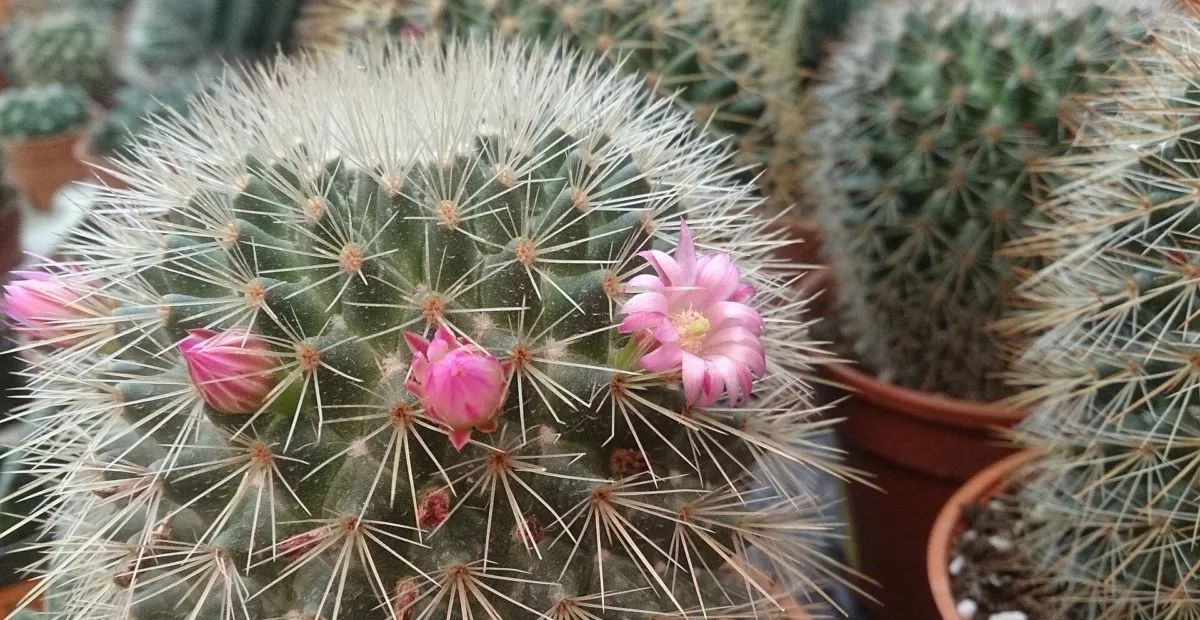
The plant has upright green stems divided into prominent tubercles rather than ordinary leaves. Areoles carry dense radial spines that may appear pale, yellowish, or contrasting against the stem. Small flowers emerge from the upper axils in a crown-like ring, helping distinguish it from non-flowering or strongly solitary forms.
Flowering
This taxon produces small funnel-shaped flowers in a ring or crown near the upper stem. Reports describe pale yellow, cream, or nearly white flowers, while related forms and variable plants may show pinkish tones. Flowering is associated with mature, well-lit plants following a cooler, dry winter rest.
Pollination and visitors
Small Mammillaria flowers are typically visited by insects, but reliable species-specific visitor records for this exact taxon were not located. The attraction rating is therefore conservative rather than evidence of complete absence.
Mammillaria 'Microhelia' photos
Click any photo for a larger view. Source, author and license are shown separately.
Diseases and pests
Diseases
The main risks are root and stem rots caused by persistent wetness, poor drainage, or low ventilation. Remove affected tissue only if the damage is localized, allow wounds to dry, and correct the cultural cause. Isolate plants showing soft brown lesions or collapse.
Pests
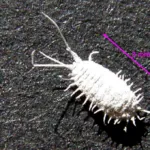
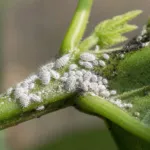
Inspect regularly for mealybugs, scale, and spider mites, especially in crevices and around the root collar. Remove small infestations with a targeted swab or suitable horticultural treatment, isolate affected plants, and improve airflow. Avoid repeated broad spraying in hot sun.
Related diseases and pests
Only Plant Doctor profiles whose host data indicate this plant may be affected are shown here.
Toxicity and pollen
No species-specific toxicology evidence was located for this exact identity. Mammillaria is generally treated by US extension guidance as non-toxic to people and pets, but the sharp spines can cause mechanical injury and embedded fragments. Prevent chewing and handle with suitable protection.
- Typical season
- Spring, during flowering
- Pollination / pollen
- Flower pollen presented within insect-visited blooms
The flowers produce pollen, but no evidence was found indicating that this exact cactus is a significant airborne pollen source in the United States. Pollen is primarily presented within insect-visited flowers rather than released as a conspicuous wind-borne cloud. Sensitive individuals should still avoid direct contact with flowers and pollen.
Native habitat
The accepted species is native to dry Mexican uplands, with records extending from Guanajuato toward Hidalgo. It grows in desert or dry shrubland settings and is associated with rocky, mineral soils; some specialist accounts place it among volcanic rock and submontane deciduous oak vegetation at elevated sites.
Interesting fact
The species name was published in 1930. Mammillaria microhelia has accumulated several historical synonyms as cactus classification changed. Its documented native range is in Mexican uplands from Guanajuato toward Hidalgo, where it occurs in dry shrubland and rocky habitats. The species has also been associated with conservation concerns from restricted distribution and collecting pressure.
Frequently asked questions (FAQ)
The most relevant questions about this plant, with short and direct answers.
🌱Quick care
What is Mammillaria 'Microhelia'?⌄
Mammillaria 'Microhelia' is a small, cylindrical pincushion cactus in the Cactaceae family. It may grow singly or form compact clumps and is valued for its prominent spines and seasonal flowers.
How much light does Mammillaria 'Microhelia' need?⌄
Give Mammillaria 'Microhelia' full sun or very bright direct light. Indoors, use the brightest sunny window available and acclimate it gradually to stronger sun to reduce the risk of scorching.
How often should I water Mammillaria 'Microhelia'?⌄
Water Mammillaria 'Microhelia' only when its potting mix is completely dry, then soak the mix and let excess water drain away. Reduce watering substantially during winter, keeping the plant cool and dry.
What soil is best for Mammillaria 'Microhelia'?⌄
Use a fast-draining, mostly mineral cactus mix for Mammillaria 'Microhelia'. A gritty blend with substantial pumice, perlite, coarse sand, or similar material helps limit water retention and root rot.
🌤️Environment and placement
Can Mammillaria 'Microhelia' grow indoors?⌄
Yes, Mammillaria 'Microhelia' can grow indoors if it receives strong direct light and has excellent drainage. Keep it away from persistently damp, poorly ventilated locations.
Can Mammillaria 'Microhelia' grow outside in the United States?⌄
Mammillaria 'Microhelia' can grow outdoors in warm, dry parts of the United States when protected from prolonged rain and frost. In colder areas, grow it in a container that can be moved indoors before freezing weather.
What USDA hardiness zone is suitable for Mammillaria 'Microhelia'?⌄
Mammillaria 'Microhelia' is best treated as a frost-sensitive cactus and is generally suited to warm USDA zones, approximately 9b through 11b, when kept dry. Microclimates, winter moisture, and exposure can change its tolerance.
What temperature does Mammillaria 'Microhelia' need in winter?⌄
Keep Mammillaria 'Microhelia' cool, bright, and dry in winter, ideally around 50–60°F. Protect it from frost and freezing temperatures, especially when the soil is damp.
Does Mammillaria 'Microhelia' need humidity?⌄
Mammillaria 'Microhelia' prefers dry conditions and usually tolerates normal household humidity. Good airflow is more important than added humidity because stagnant moisture increases rot risk.
💧Care and problems
Why is my Mammillaria 'Microhelia' turning soft at the base?⌄
A soft or collapsing base usually indicates rot caused by excess moisture, poor drainage, or inadequate airflow. Stop watering, inspect the roots and lower stem, and remove damaged tissue only if healthy, firm tissue remains.
Why is Mammillaria 'Microhelia' leaning or growing thin?⌄
Leaning or narrow, elongated growth usually means Mammillaria 'Microhelia' is not receiving enough light. Move it gradually to brighter direct light, while avoiding abrupt exposure that can cause sunburn.
Why is my Mammillaria 'Microhelia' shriveling?⌄
Some winter shriveling is normal when Mammillaria 'Microhelia' is kept cool and dry. Persistent shriveling during active growth can indicate prolonged drought or root damage, so check the roots and the condition of the potting mix.
Should I fertilize Mammillaria 'Microhelia'?⌄
You may fertilize Mammillaria 'Microhelia' lightly during active growth with a cactus fertilizer that is low in nitrogen. Do not fertilize during winter dormancy or when the plant is stressed, recently repotted, or showing rot.
What pests affect Mammillaria 'Microhelia'?⌄
Mealybugs, scale insects, and spider mites can occasionally affect Mammillaria 'Microhelia'. Inspect the areoles, spines, stem bases, and roots, especially if growth becomes weak or discolored.
🪴Planting and repotting
What type of pot is best for Mammillaria 'Microhelia'?⌄
Use a small pot with a drainage hole for Mammillaria 'Microhelia'. Unglazed terracotta can help the mix dry faster, but any well-draining container is suitable if watering is controlled.
How often should I repot Mammillaria 'Microhelia'?⌄
Repot Mammillaria 'Microhelia' about every two to three years or when the mix has degraded or the roots have filled the container. Repot during active growth and allow any disturbed roots to dry before watering.
When is the best time to repot Mammillaria 'Microhelia'?⌄
The best time to repot Mammillaria 'Microhelia' is in spring or early in its active growing season. Avoid repotting immediately before a cold, dark winter rest.
✂️Propagation and pruning
How do you propagate Mammillaria 'Microhelia'?⌄
Mammillaria 'Microhelia' is most commonly propagated from seed or, when available, carefully removed offsets. Let offset wounds callus for several days before placing them in dry, gritty cactus mix.
Can Mammillaria 'Microhelia' be grown from seed?⌄
Yes, Mammillaria 'Microhelia' can be grown from seed, although seedlings develop slowly. Sow in a sterile, well-draining mix with warmth and moisture, then increase ventilation and light as seedlings establish.
Does Mammillaria 'Microhelia' produce offsets?⌄
Mammillaria 'Microhelia' may produce offsets and form clumps, although some plants remain solitary. Separate a well-developed offset only when it can be removed cleanly, preferably with some roots attached.
⚠️Toxicity and safety
Is Mammillaria 'Microhelia' poisonous to cats or dogs?⌄
Mammillaria 'Microhelia' is considered a low-toxicity concern, but it should still be kept away from pets and children. The main hazard is its sharp spines, which can cause punctures or irritation.
How should I handle Mammillaria 'Microhelia' safely?⌄
Handle Mammillaria 'Microhelia' with thick gloves, folded paper, or cactus tongs rather than bare hands. Avoid gripping the stem directly because its radial and central spines can easily penetrate skin.
🌸Flowering and special interest
When does Mammillaria 'Microhelia' flower?⌄
Mammillaria 'Microhelia' commonly flowers in spring when it receives strong light and has experienced a cool, dry winter rest. Blooming may vary with age, season, light levels, and growing conditions.
What color are Mammillaria 'Microhelia' flowers?⌄
Mammillaria 'Microhelia' may produce small yellow, cream, or pinkish flowers, depending on the plant and its identification. Flowers generally appear in a ring near the upper part of the stem.
Why is my Mammillaria 'Microhelia' not flowering?⌄
Insufficient light, a warm wet winter, immature growth, or excessive nitrogen can prevent Mammillaria 'Microhelia' from flowering. Provide stronger light during growth and a cool, dry winter rest without exposing it to frost.
How can I encourage Mammillaria 'Microhelia' to bloom?⌄
Encourage flowering by providing full sun or very bright direct light during growth, using a gritty mix, and keeping the plant cool and dry in winter. Avoid overwatering and high-nitrogen fertilizer, which can produce weak vegetative growth instead of blooms.
Similar plants
 Azure Monkshood (Aconitum carmichaelii) care guideAconitum carmichaelii
 Monkshood (Aconitum ‘Stainless Steel’)Aconitum 'Stainless Steel'
 Monkshood (Aconitum ‘Bressingham Spire’)Aconitum 'Bressingham Spire'
 Golden full moon maple (Acer shirasawanum ‘Aureum’)Acer shirasawanum 'Aureum'
 Globosum (Acer platanoides ‘Globosum’)Acer platanoides 'Globosum'
 Striped maple (Acer pensylvanicum) care guideAcer pensylvanicum