
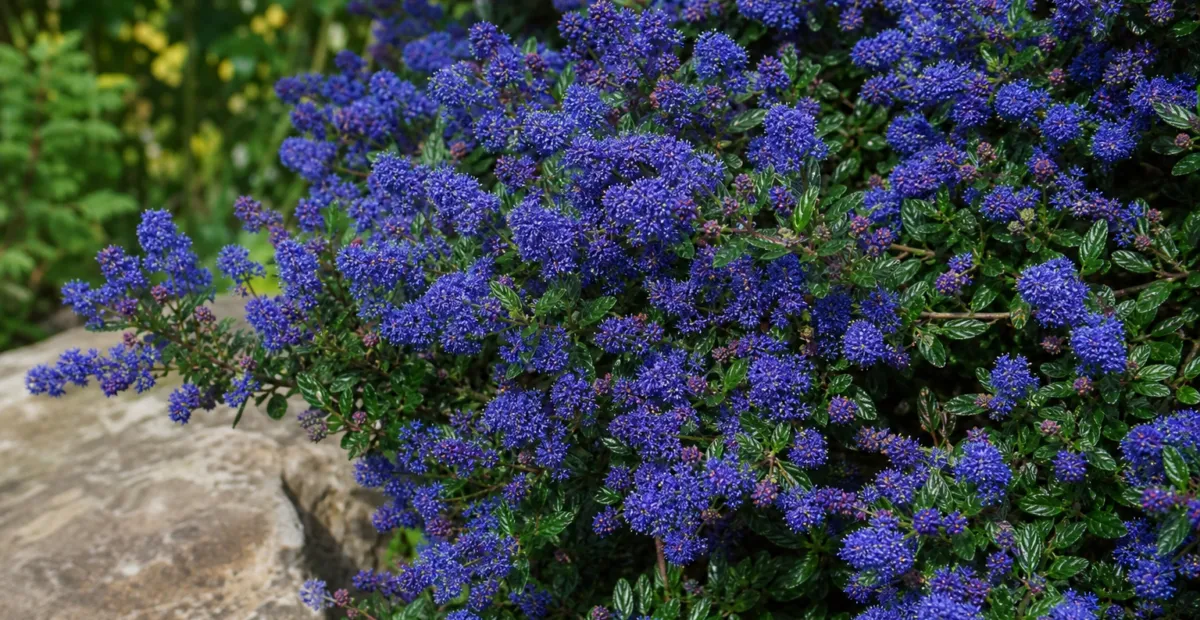
 AI-generated illustration
 Ceanothus ‘Concha’ short overview
Ceanothus 'Concha' is a vigorous evergreen shrub selected in California for its arching habit, dark green leaves, reddish-purple buds, and profuse deep blue-violet flower clusters. It performs best in full sun, sharply drained soil, and a climate with dry summers, although young plants need careful establishment watering. Use it for a water-wise hedge, mixed border, slope, wildlife garden, or south-facing wall in regions where winter cold is moderate.
Taxonomic classification
Ceanothus ‘Concha’ care guide
Light and placement
Provide at least 6 hours of direct sun, ideally in an open south- or west-facing position. In very hot inland areas, light afternoon shade can reduce heat stress, but dense shade causes weak growth and fewer flowers. Pale, elongated growth suggests insufficient light; scorched foliage or rapid wilt can indicate excessive reflected heat combined with inadequate establishment moisture.
Watering and humidity
Water deeply and infrequently rather than giving frequent shallow drinks. During the first growing season, irrigate when the upper soil begins to dry, then extend the interval as roots establish. Established plants generally prefer dry summer conditions, though occasional deep irrigation may help in prolonged heat. Avoid standing water, automatic lawn irrigation, and constantly damp mulch at the crown.
Soil and growing medium
Use a lean, sharply drained soil, especially sandy loam, gravelly loam, or rocky ground. Ceanothus tolerates a broad pH range from slightly acidic through slightly alkaline, but persistent winter or summer wetness is more damaging than imperfect pH. Avoid heavy amendments that hold water around the crown and roots.
Feeding
Usually needs little fertilizer once established. Apply a thin layer of compost or a low-nitrogen, slow-release fertilizer in early spring only if growth is weak or the soil is demonstrably poor. Do not feed drought-stressed, newly transplanted, or actively declining plants, and avoid heavy nitrogen that promotes lush growth at the expense of drought resilience.
Growth and habit
This is a fast-growing, dense, evergreen shrub with gracefully arching branches. It can become broad and woody with age, so allow room for natural spread instead of relying on severe annual reduction. Establishment is the critical period: healthy root development and careful irrigation are more important than frequent feeding.
Planting and repotting
Plant in fall or early spring when soil moisture supports root establishment, avoiding frozen or waterlogged ground. Set the root crown level with the surrounding soil; do not bury the stem. Space plants about 6–10 feet apart depending on the desired hedge density and mature climate. Water deeply during the first growing season, then gradually reduce irrigation as roots establish.
Avoid routine repotting once established because Ceanothus develops substantial, brittle roots and mature plants transplant poorly. If container-grown, move a young plant only when roots fill the pot, using a fast-draining mineral-rich mix and the smallest practical root disturbance. Plant into the landscape promptly rather than maintaining it long-term in a pot.
Propagation and pruning
Propagation
Use semi-ripe or semi-hardwood cuttings in mid to late summer, preferably from healthy, actively growing stock. Maintain high humidity and an airy, sterile rooting medium while avoiding saturation. Seed is not a dependable way to reproduce the named cultivar faithfully; seedlings may vary from 'Concha'.
Pruning
Prune immediately after flowering to shape the plant or remove weak, crossing, damaged, or dead growth. Make selective cuts rather than shearing deeply into old leafless wood, because Ceanothus may not reliably resprout from bare older stems. Avoid heavy late-season pruning that removes next season’s flowering framework or stimulates tender growth before winter.
Overwintering
In Zones 7–8, plant in a sheltered, well-drained position protected from strong cold winds. Mulch the root zone lightly without covering the crown. Young plants may benefit from temporary frost cloth during unusual hard freezes. Do not keep the plant indoors for winter; it is an outdoor shrub and needs strong light and air movement.
Uses
Use as an evergreen specimen, informal hedge, screen, foundation shrub, mixed border plant, slope planting, or wildlife-garden shrub. Its flowers provide nectar and pollen for beneficial insects, while the shrub offers cover and later seeds for birds. It is not recommended as a culinary or medicinal plant without species-specific authority.
Appearance
The shrub has narrow, small, dark green evergreen leaves on gracefully arching branches. New flower buds are reddish to reddish-purple, creating a strong contrast before opening into deep blue-violet clusters. The overall habit is dense and rounded to broadly spreading, with a polished year-round foliage display.
Flowering
Flower clusters are produced abundantly on the outer branches in spring and may continue into early summer in cooler regions. Reddish-purple buds open to deep blue or blue-violet flowers arranged in dense, narrow clusters. Flowering is strongest in full sun and on established plants that are not overwatered during summer.
Pollination and visitors
UC Davis lists native bees, honey bees, butterflies, hoverflies, and other beneficial insects among its visitors. Dense spring flower clusters make the cultivar a strong wildlife-garden choice, although visitor abundance depends on climate, weather, and surrounding habitat.
Diseases and pests
Diseases
Root rot is the main concern in poorly drained soil. Leaf spot, powdery mildew, and honey fungus may occur under stressful or persistently damp conditions. Improve drainage, avoid overhead irrigation, provide air circulation, and remove affected material. Do not routinely drench healthy plants with fungicide; correct site and watering problems first.
Pests
Scale insects may occur, especially on stressed plants. Inspect stems and leaf undersides, encourage natural predators, and prune out heavily infested twigs when practical. Improve plant vigor through correct siting rather than frequent broad-spectrum insecticide use. Avoid excess nitrogen, which can encourage soft growth and pest pressure.
Related diseases and pests
Only Plant Doctor profiles whose host data indicate this plant may be affected are shown here.
 DiseaseArmillaria Root Rot (Honey Fungus)Armillaria mellea
 DiseaseMaple powdery mildewSawadaea bicornis
 DiseaseCucurbit Powdery MildewPodosphaera xanthii (Castagne) U. Braun & Shishkoff
 DiseaseRose powdery mildewPodosphaera pannosa
 PestBrown Soft ScaleCoccus hesperidum
 Environmental stressUnderwatering
 Environmental stressSalt stress
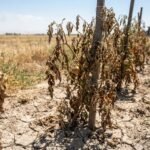 Environmental stressHeat stress
Toxicity and pollen
No authoritative source located in this review documents systemic toxicity for Ceanothus 'Concha' specifically. That absence is not proof of complete safety. Prevent children and pets from chewing ornamental plant material, and seek medical or veterinary advice after substantial ingestion or if symptoms occur. Avoid treating the plant as edible.
- Typical season
- Spring to early summer
- Pollination / pollen
- Insect-carried pollen; some pollen may become airborne
Ceanothus pollen is produced during flowering, but reliable U.S. evidence identifying 'Concha' as a major airborne allergen was not found. Because pollen exposure varies by region and sensitive people can react to many flowering plants, keep the plant away from frequently used seating if symptoms are a concern and avoid handling heavy bloom during peak release.
Native habitat
The cultivar itself is a garden selection rather than a wild population. Its presumed parentage traces to California plants associated with coastal and central-coast slopes, canyons, ridges, and chaparral-like settings. These environments typically have winter moisture, summer dryness, strong sun, and rapidly draining mineral soils.
Interesting fact
‘Concha’ was discovered by Charles Samms in 1946 and named in 1949. It is generally regarded as a hybrid involving Ceanothus impressus and C. papillosus var. roweanus. The cultivar is valued for staying evergreen while producing an unusually heavy display of blue flowers. Ceanothus species can form nitrogen-fixing root nodules, although benefits vary by soil and plant condition.
Frequently asked questions (FAQ)
The most relevant questions about this plant, with short and direct answers.
🌱Quick care
What is Ceanothus 'Concha'?⌄
Ceanothus 'Concha' is an evergreen California native shrub grown for its glossy dark-green foliage and intense blue-violet spring flowers. It typically forms a rounded or mounding plant about 4–8 feet tall and 6–12 feet wide.
How much sun does Ceanothus 'Concha' need?⌄
Give Ceanothus 'Concha' full sun for the best flowering, with afternoon shade in very hot inland locations. Aim for at least six hours of direct sunlight daily.
Is Ceanothus 'Concha' drought tolerant?⌄
Yes, Ceanothus 'Concha' is drought tolerant after establishment. Water it regularly while young, then allow the soil to dry substantially between deep waterings and avoid routine summer irrigation.
How big does Ceanothus 'Concha' get?⌄
Ceanothus 'Concha' commonly reaches about 4–8 feet tall and 6–12 feet wide, depending on climate, soil, irrigation, and pruning. Plan for a broad shrub rather than a narrow hedge.
Is Ceanothus 'Concha' evergreen?⌄
Yes, Ceanothus 'Concha' is an evergreen shrub that retains its small, dark-green leaves year-round in suitable climates. Severe stress, root problems, or extreme cold can still cause leaf loss or dieback.
🌤️Environment and placement
Where should I plant Ceanothus 'Concha'?⌄
Plant Ceanothus 'Concha' in a sunny, sheltered location with fast-draining soil and enough room for its mature width. It works well as a specimen, informal screen, hedge, or flowering background shrub.
What type of soil does Ceanothus 'Concha' prefer?⌄
Ceanothus 'Concha' prefers well-drained sandy, loamy, rocky, or moderately alkaline soil. Drainage is more important than rich fertility, and locations that stay wet in winter should be avoided.
Can Ceanothus 'Concha' grow in clay soil?⌄
Ceanothus 'Concha' can tolerate some clay if water drains freely, but heavy, poorly drained clay increases the risk of root failure. Improve drainage through site selection or raised planting rather than heavily amending the planting hole.
What USDA hardiness zones are suitable for Ceanothus 'Concha'?⌄
Ceanothus 'Concha' is generally suited to USDA Zones 7–10, although local performance depends on winter exposure and summer humidity. Protect it from temperatures below about 15°F and from prolonged freezing conditions.
Can Ceanothus 'Concha' grow in hot inland areas?⌄
Yes, Ceanothus 'Concha' can perform in hot inland areas when planted in well-drained soil and given some afternoon shade during extreme heat. Avoid compensating for heat with frequent summer watering, which can shorten its life.
Is Ceanothus 'Concha' suitable for humid climates?⌄
Ceanothus 'Concha' is less dependable in regions with humid summers or persistently wet soil. In humid areas, use the sunniest, best-drained site possible, but expect greater disease and root-rot risk than in dry-summer climates.
💧Care and problems
How often should I water Ceanothus 'Concha'?⌄
Water Ceanothus 'Concha' deeply and regularly during its first growing season, adjusting for soil and weather. Once established, water infrequently during prolonged drought and let the soil dry several inches down before watering again.
Can overwatering kill Ceanothus 'Concha'?⌄
Yes, overwatering can cause root problems and rapid decline in Ceanothus 'Concha'. The plant is particularly vulnerable to frequent summer irrigation and winter waterlogging, so drainage and a dry-down period are essential.
Does Ceanothus 'Concha' need fertilizer?⌄
Ceanothus 'Concha' usually needs little or no fertilizer when grown in suitable soil. Avoid high-nitrogen feeding, which can promote weak leafy growth and reduce flowering.
Why is my Ceanothus 'Concha' turning yellow?⌄
Yellowing may indicate overwatering, poor drainage, root damage, nutrient stress, or natural decline after severe environmental stress. Check soil moisture and drainage first, because excess water is a common cause of Ceanothus problems.
Why is my Ceanothus 'Concha' dying suddenly?⌄
Sudden decline is often associated with root damage from excessive moisture, poor drainage, transplant stress, heat stress, or an already weak root system. Do not increase watering automatically; inspect the roots and soil conditions before taking corrective action.
Is Ceanothus 'Concha' deer resistant?⌄
Ceanothus 'Concha' is sometimes described as relatively deer resistant, but deer may browse it, especially when other food is scarce. Protection is advisable for young plants and in areas with regular deer pressure.
🪴Planting and repotting
When is the best time to plant Ceanothus 'Concha'?⌄
In dry-summer regions, plant Ceanothus 'Concha' in fall or during the cool season so roots can establish before hot weather. Avoid planting into cold, saturated soil or during extreme summer heat.
Can Ceanothus 'Concha' be transplanted?⌄
Established Ceanothus 'Concha' is difficult to transplant because it develops deep, woody roots that do not recover readily from disturbance. Choose the permanent site carefully and transplant only young, container-grown plants when necessary.
How far apart should I plant Ceanothus 'Concha' for a hedge?⌄
Space Ceanothus 'Concha' according to the desired effect and mature size, usually about 6–10 feet apart for an informal screen. Closer spacing fills in faster but increases competition and the risk of poor air circulation.
✂️Propagation and pruning
How can I propagate Ceanothus 'Concha'?⌄
Ceanothus 'Concha' is generally propagated from stem cuttings rather than seed to preserve the cultivar’s characteristics. Softwood, semi-hardwood, or hardwood cuttings may work, but success depends on timing, moisture control, and rooting conditions.
When should I prune Ceanothus 'Concha'?⌄
Prune Ceanothus 'Concha' immediately after spring flowering has finished. Lightly shape the plant and remove spent flower clusters, but avoid late-winter pruning because it can remove developing flower buds.
How hard can I prune Ceanothus 'Concha'?⌄
Prune Ceanothus 'Concha' lightly because older, thick branches may not resprout reliably. Avoid cutting far back into large leafless wood, and do not remove more than necessary to shape the shrub or control damaged growth.
⚠️Toxicity and safety
Is Ceanothus 'Concha' toxic to dogs or cats?⌄
A cultivar-specific authoritative toxicity assessment for Ceanothus 'Concha' was not located, so its safety for dogs and cats cannot be confirmed. Prevent pets from chewing the plant and contact a veterinarian or poison-control service if ingestion occurs.
Is Ceanothus 'Concha' toxic to humans?⌄
The human toxicity of Ceanothus 'Concha' has not been established by a cultivar-specific authoritative source. Do not eat any part of the plant, and seek medical advice if a child or adult consumes it or develops symptoms.
🌸Flowering and special interest
When does Ceanothus 'Concha' bloom?⌄
Ceanothus 'Concha' usually blooms from late winter through spring, with timing varying by climate and weather. In some locations, flowering may continue into early summer.
What color are Ceanothus 'Concha' flowers?⌄
The flowers of Ceanothus 'Concha' are deep blue to blue-violet and appear in dense, rounded clusters. Their strong color is one of the cultivar’s main ornamental features.
Why is my Ceanothus 'Concha' not flowering?⌄
Poor flowering is commonly caused by insufficient sun, excessive summer irrigation, excessive nitrogen, immature growth, or pruning at the wrong time. Give the shrub good drainage and full sun, and prune only after flowering.
Does Ceanothus 'Concha' attract bees and butterflies?⌄
Yes, the spring flowers of Ceanothus 'Concha' attract bees, butterflies, and other beneficial insects. Its abundant flower clusters make it a useful pollinator plant in dry-summer gardens.
Similar plants
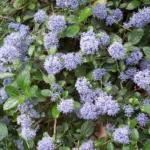 Repens (Ceanothus thyrsiflorus ‘Repens’)Ceanothus thyrsiflorus 'Repens'
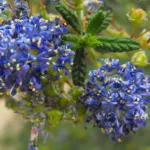 Ceanothus ‘Dark Star’Ceanothus 'Dark Star'
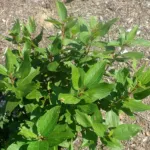 New Jersey tea (Ceanothus americanus) care guideCeanothus americanus
 Blue Blossom Ceanothus (Ceanothus thyrsiflorus) care guideCeanothus thyrsiflorus
 California lilac (Ceanothus × delileanus ‘Gloire de Versailles’)Ceanothus × delileanus 'Gloire de Versailles'