
 Source:
 Silky dogwood (Cornus amomum) short overview
Silky dogwood is a deciduous, thicket-forming shrub native to wet woods, stream margins and swamp borders across much of the eastern United States. Its creamy white flower clusters appear in late spring or early summer, followed by blue drupes valued by wildlife. Reddish young stems add seasonal interest, while naturally flexible rooting and dense growth make this species useful for rain gardens, wildlife plantings, streambank stabilization and informal screens.
Taxonomic classification
Silky dogwood (Cornus amomum) care guide
Light and placement
Grow in full sun, partial shade or shade. Full sun supports denser flowering and fruiting when moisture is abundant; partial shade is useful in hot regions, while open woodland shade is tolerated. Place it on the moist side of a property, such as an east- or north-facing border, rain garden or stream edge. Pale leaves, scorch and wilting suggest excessive sun or drought; weak, sparse growth and reduced flowering suggest overly deep shade.
Watering and humidity
Keep the root zone evenly moist, especially through the first two growing seasons. Water deeply when the upper few inches begin to dry, then mulch broadly without covering the crown. In hot weather or sandy soil, increase frequency; in naturally wet ground, avoid additional irrigation if water is stagnant. Humidity is normally not a concern outdoors when soil moisture is adequate.
Soil and growing medium
Use a moisture-retentive but aerated soil rich in organic matter. Silky dogwood tolerates clay, silt and coarse wet soils, and performs best in moderately acidic to near-neutral ground. It can tolerate some alkaline conditions, but avoid chronically dry, compacted soil and sites where water remains stagnant around the crown.
Feeding
Silky dogwood usually needs little fertilizer once established. In spring, spread a thin layer of compost or apply a balanced slow-release shrub fertilizer according to the label if growth is weak or soil is poor. Water after feeding. Avoid high-nitrogen applications and do not fertilize drought-stressed, newly transplanted or dormant plants.
Growth and habit
This is a vigorous, multi-stemmed shrub with an upright to rounded habit. Branches can arch or layer into nearby moist soil, producing rooted stems and expanding the plant into a thicket. Give it adequate room and use renewal pruning to maintain an open, healthy framework where needed.
Planting and repotting
Plant bare-root or container stock in early spring after the ground is workable, or in fall where winter establishment is reliable. Set the root collar level with the surrounding soil; do not bury the crown. Space plants about 5–6 feet apart for a dense row, or 8–10 feet apart in a looser cluster. Weed around new plants and keep the root zone evenly moist during establishment.
For container-grown plants, transplant before active summer heat, preferably in early spring or fall. Choose a large container with drainage and shift the plant before roots become tightly circling. Because this is a vigorous, thicket-forming shrub, in-ground planting is generally more suitable than long-term container culture.
Propagation and pruning
Propagation
Propagate from cleaned seed, softwood or live hardwood cuttings, and layering. Seed generally requires a prolonged cold-moist stratification period; fresh softwood cuttings root readily under suitable humidity, while dormant hardwood cuttings can be used for restoration and streambank work. Take cuttings from healthy, true-to-type plants.
Pruning
Prune in late winter or early spring before vigorous growth begins. Remove dead, damaged or crossing stems, and thin a portion of the oldest stems to the base every few years. Cut back unwanted suckers or rooted layers promptly if spread is excessive. Avoid heavy shearing if the natural multi-stemmed form is desired.
Overwintering
Outdoor plants in Zones 4–8 generally need no special winter protection once established. In colder or exposed sites, maintain a 2–3 inch mulch layer over the root zone without touching stems, and protect young plants from winter browsing. Container specimens are more vulnerable to root freezing and should be sheltered in an unheated protected location.
Uses
Useful for wildlife borders, rain gardens, pond margins, streambank stabilization, erosion control, windbreaks, informal hedges and naturalized plantings. Its fruits feed birds and other wildlife, and dense stems provide cover. It is not recommended as a human food plant because reliable preparation and safety information for this exact species is insufficient.
Appearance
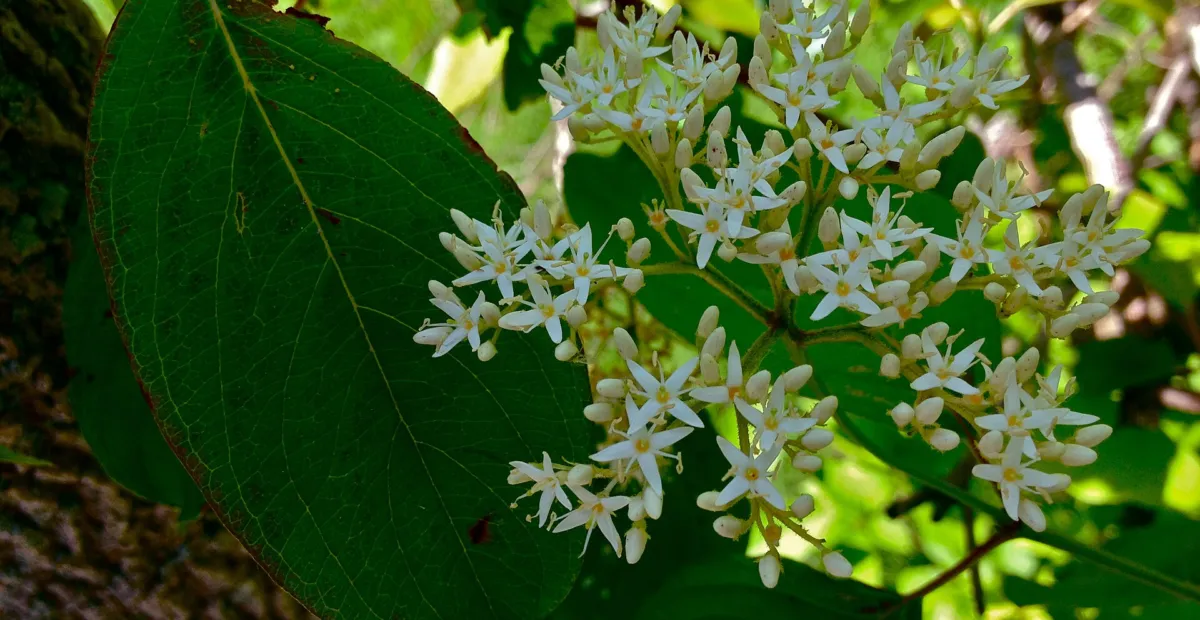
Silky dogwood has opposite, ovate green leaves and young twigs that may be bright red in fall, winter and early spring before becoming reddish brown. Older stems become gray. The brown pith in young stems and blue fruit help separate it from similar redosier dogwood, which typically has white pith and pale fruit.
Flowering
Small, creamy white to yellowish-white flowers are borne in flat-topped clusters on new-season growth. Bloom is typically concentrated in May and June in the United States, with timing varying by latitude and spring temperatures. The flowers are followed by small blue drupes that commonly mature in late summer or early fall.
Pollination and visitors
Flowers provide nectar and pollen for native bees and other insects; documented associations include specialized Andrena bees in the genus Cornus. Butterflies may visit the blooms, while the fruits support birds and mammals later in the season.
Cornus amomum photos
Click any photo for a larger view. Source, author and license are shown separately.
Diseases and pests
Diseases
Generally dependable, but watch for powdery mildew, leaf spot, cankers and occasional stem dieback, especially where air circulation is poor or plants are stressed. Remove infected debris, prune out dead or diseased wood during dry weather, and improve spacing and irrigation practices before considering a fungicide.
Pests
Occasional scale insects, aphids, borers, leaf miners and caterpillars may occur, but serious pest problems are uncommon. Inspect stems and leaf undersides, maintain plant vigor, and remove heavily infested or damaged shoots. Avoid broad-spectrum insecticides during bloom to protect flower visitors.
Related diseases and pests
Only Plant Doctor profiles whose host data indicate this plant may be affected are shown here.
 DiseaseCoral Spot CankerNectria cinnabarina
 DiseasePhytophthora plurivora Root and Collar RotPhytophthora plurivora
 PestEuropean Fruit Lecanium ScaleParthenolecanium corni
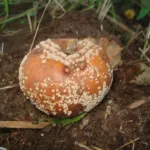 DiseaseEuropean brown rotMonilinia fructigena
 DiseasePhytophthora cactorum crown, collar, root and fruit rotPhytophthora cactorum
 Environmental stressSalt stress
 Environmental stressHeat stress
 Environmental stressDrought stress
Toxicity and pollen
Reliable species-specific toxicity information is limited. No strong evidence was found establishing Cornus amomum as a highly poisonous plant for people or pets, but plant material and unfamiliar fruits should not be eaten casually. Prevent ingestion of berries, leaves or stems by children and animals, and contact a poison center or veterinarian after a significant ingestion.
- Typical season
- May–June, varying with local bloom timing
- Pollination / pollen
- Heavy, insect-carried pollen; limited airborne dispersal
Cornus flowers are insect-pollinated and generally release relatively heavy, limited pollen rather than abundant windborne pollen. Cornus pollen can still appear in air samples and sensitive individuals may react, so a low rather than zero allergy rating is more appropriate. Local exposure is greatest during flowering.
Native habitat
Native to eastern North America, where it occurs in wet woods, swamp borders, stream margins, floodplains and other seasonally or permanently moist habitats. It favors moist mineral soils ranging from fine-textured clay to coarse sand and is especially useful in riparian and wetland restoration.
Interesting fact
Young stems can root where they contact moist ground, helping the shrub form dense thickets. The brown pith of young stems helps distinguish it from redosier dogwood, which has white pith. Blue fruits are important seasonal wildlife food, and the species has been used in live-stake and streambank restoration work.
Frequently asked questions (FAQ)
The most relevant questions about this plant, with short and direct answers.
🌱Quick care
What is Cornus amomum commonly called?⌄
Cornus amomum is commonly called silky dogwood. It is a native, deciduous shrub in the dogwood family, Cornaceae.
How big does silky dogwood get?⌄
Silky dogwood typically grows about 6–12 feet tall and wide. Its multi-stemmed, arching habit can form dense colonies if left unmanaged.
Is silky dogwood evergreen or deciduous?⌄
Silky dogwood is deciduous, so it drops its leaves in fall. Its reddish twigs and blue fruit provide some seasonal interest after the leaves fall.
🌤️Environment and placement
How much sun does silky dogwood need?⌄
Silky dogwood grows in full sun, partial shade, or shade. Full sun to partial shade generally produces denser growth and better flowering and fruiting when soil stays moist.
Can silky dogwood grow in shade?⌄
Yes, silky dogwood tolerates partial shade and even close to full shade. Growth may be more open and flowering or fruiting may be reduced in very low light.
Does silky dogwood need wet soil?⌄
Silky dogwood performs best in consistently moist to wet soil, especially near streams, ponds, wetlands, and rain gardens. It can tolerate occasional saturation but should not be allowed to dry out repeatedly.
What type of soil is best for Cornus amomum?⌄
The best soil for Cornus amomum is moist, organically rich loam that drains adequately. It also tolerates clay, sand, and coarse wet soil, with a preference for acidic conditions.
Can silky dogwood grow in clay soil?⌄
Yes, silky dogwood can grow in clay soil if the site remains moist and is not persistently stagnant. Adding organic matter and mulch can improve root conditions.
Is silky dogwood suitable for a rain garden?⌄
Yes, silky dogwood is well suited to rain gardens, pond margins, stream banks, and other areas that collect runoff. Give it enough room to spread and keep competing turf away from the root zone.
Is silky dogwood native to the United States?⌄
Yes, silky dogwood is native to the eastern and central United States and parts of Canada. In the United States, it is especially associated with wet lowlands, floodplains, and streamside habitats.
💧Care and problems
How often should I water silky dogwood?⌄
Water silky dogwood whenever the upper soil begins to dry, keeping the root zone consistently moist. Newly planted shrubs may need supplemental water during dry periods even in naturally damp sites.
How do I mulch silky dogwood?⌄
Apply about 2–4 inches of organic mulch over the root zone, keeping it a few inches away from the stems. Mulch helps keep roots cool and moist during summer.
Does silky dogwood need fertilizer?⌄
Silky dogwood usually does not need routine fertilizer when planted in moist, organically rich soil. Test the soil before fertilizing, because excess nutrients can encourage weak, overly vigorous growth.
Why are the leaves on my silky dogwood turning brown?⌄
Brown leaves on silky dogwood are commonly associated with drought stress, heat, root damage, or leaf disease. Check soil moisture, improve mulch coverage, and inspect the foliage for spots or premature leaf loss.
What pests and diseases affect silky dogwood?⌄
Silky dogwood can occasionally be affected by scale, borers, leaf miners, leaf spot, stem cankers, blights, root rot, or powdery mildew. Most plants have few serious pest or disease problems when grown in suitable moist soil.
Does silky dogwood spread aggressively?⌄
Silky dogwood can spread by low branches that root at the nodes and may form thickets. Remove rooted stems or suckers when necessary if you want to keep the shrub within a defined area.
🪴Planting and repotting
When is the best time to plant silky dogwood?⌄
The best time to plant silky dogwood is during spring or fall when temperatures are mild and soil moisture is dependable. Planting during dormancy reduces transplant stress.
How far apart should silky dogwood be planted?⌄
Space silky dogwood about 6–12 feet apart, depending on whether you want a loose planting or a dense screen. Allow additional room if the shrub will be permitted to form a colony.
Can silky dogwood be planted near a pond or stream?⌄
Yes, silky dogwood is well adapted to pond edges, stream banks, floodplains, and wetland margins. Plant it where the soil remains moist but where the mature shrub will not obstruct access or water flow.
Can silky dogwood be grown in a container?⌄
Silky dogwood can be grown temporarily in a large container, but it is generally better planted in the ground. Containers dry out quickly and may restrict a shrub that naturally becomes several feet wide.
✂️Propagation and pruning
How do you propagate silky dogwood from cuttings?⌄
Silky dogwood can be propagated from stem cuttings taken during the appropriate growing or dormant season. Use healthy wood, keep the rooting medium evenly moist, and expect results to vary by cutting type and timing.
Can silky dogwood be propagated by layering?⌄
Yes, layering is a practical way to propagate silky dogwood because low branches may naturally root where they touch moist soil. Once roots form, sever the rooted section and transplant it during a mild season.
Can you grow silky dogwood from seed?⌄
Yes, silky dogwood can be grown from seed, but germination may require a period of dormancy and can be slow or irregular. Collect mature fruit and use fresh, properly cleaned seed for the best chance of success.
How do you prune silky dogwood?⌄
Prune silky dogwood in late winter or early spring to remove dead, damaged, crossing, or excessively old stems. Thin selected stems at ground level to control thickets and preserve the shrub’s natural arching form.
Should silky dogwood be cut back hard?⌄
Silky dogwood tolerates renewal pruning, but removing only a portion of the oldest stems at a time usually gives a better appearance. Severe cutting can produce vigorous shoots and temporarily reduce flowering and fruiting.
⚠️Toxicity and safety
Are silky dogwood berries poisonous to humans?⌄
The toxicity of silky dogwood fruit is not firmly established as highly poisonous, but the berries should not be eaten based solely on an identification or general dogwood information. Keep fruit away from children and pets and contact Poison Control if ingestion causes concern.
Are silky dogwood berries edible?⌄
Silky dogwood berries are reported as edible by some references, but they are not considered a common food crop and their safety and palatability are not well established. Do not consume them unless the plant is positively identified and an authoritative local source confirms appropriate use.
Is silky dogwood safe for dogs and cats?⌄
Silky dogwood is not established as a highly poisonous plant, but ingestion may still cause problems and species identification can be uncertain. Prevent pets from eating the berries or foliage and consult a veterinarian if symptoms appear.
🌸Flowering and special interest
When does silky dogwood bloom?⌄
Silky dogwood usually blooms in late spring to early summer, often from May into June. The small creamy to yellowish-white flowers appear in clusters.
What do silky dogwood berries look like?⌄
Silky dogwood produces small berry-like drupes that change from white to porcelain blue or deep blue as they ripen. The fruit typically matures in late summer and is attractive to birds.
Do silky dogwood berries attract birds?⌄
Yes, the blue fruit of silky dogwood attracts many birds and other wildlife. The shrub also provides cover and supports pollinators and the larvae of some Azure butterflies.
Does silky dogwood help prevent erosion?⌄
Yes, silky dogwood is useful for erosion control because its spreading, multi-stemmed growth helps stabilize moist soils. It is particularly appropriate for stream banks, drainage areas, and wetland edges.
Is silky dogwood good for wildlife gardens?⌄
Yes, silky dogwood is a strong wildlife-garden plant for moist sites. Its flowers support insects, its fruit feeds birds and mammals, and its branching structure provides cover and nesting habitat.
Similar plants
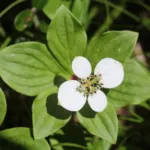 Quatre-temps (Cornus canadensis) care guideCornus canadensis
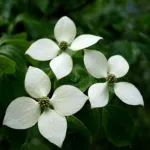 Chinensis (Cornus kousa ‘Chinensis’)Cornus kousa 'Chinensis'
 White Dogwood (Cornus alba) care guideCornus alba
 Cornelian Cherry (Cornus mas) care guideCornus mas
 Wedding Cake Tree (Cornus controversa) care guideCornus controversa
 Redosier (Cornus sericea) care guideCornus sericea