
 Source:
 Quatre-temps (Cornus canadensis) short overview
Quatre-temps (Cornus canadensis) is a low, rhizomatous perennial native to cool forests, bog margins, barrens, and subalpine habitats across northern North America. Its whorled leaves frame a cluster of tiny greenish flowers surrounded by four white bracts, followed by bright red berry-like drupes. It makes an attractive woodland groundcover where summers are cool, soil stays evenly moist, and acidity and drainage are suitable.
Taxonomic classification
Quatre-temps (Cornus canadensis) care guide
Light and placement
Provide filtered light, partial shade, or cool full shade beneath high tree canopy. Morning sun or north- and east-facing exposure is safer than hot afternoon sun. Too much light combined with heat causes scorch, wilt, and decline; too little light may reduce flowering and create sparse growth, although dense shade is tolerated in cool sites.
Watering and humidity
Keep soil consistently and evenly moist, especially during establishment and summer. Water deeply when the surface begins to dry, then mulch with leaf mold or fine organic matter to moderate soil temperature. Reduce watering during cool dormancy but do not allow containers or shallow-rooted plantings to dry completely. Humidity is helpful mainly because it accompanies cool conditions.
Soil and growing medium
Use cool, humus-rich soil that remains evenly moist but is not stagnant. A well-drained woodland mix with leaf mold, composted organic matter, and acidic mineral soil is appropriate. Acid conditions below pH 6 are preferred; avoid alkaline, compacted, or heat-absorbing sites.
Feeding
Usually needs little fertilizer in a naturally fertile woodland soil. Apply a thin layer of leaf mold or finished compost in spring, keeping it away from stems. If growth is weak, use a dilute, balanced slow-release fertilizer once in spring; do not overfeed, especially in rich or excessively nitrogenous soil.
Growth and habit
This mostly herbaceous perennial develops creeping rhizomes and can form broad patches or carpets over time. It is not a vigorous plant during establishment and may decline when exposed to summer heat, compacted soil, or foot traffic. Once well matched to its site, rhizomatous spread reduces the need for frequent maintenance.
Planting and repotting
Plant in spring after the danger of hard frost or in early fall while soil remains workable. Set plants at the same depth as their original root or plug level; cover rhizomes lightly rather than burying them deeply. Space about 12–24 inches apart for eventual groundcover, and water consistently through the first two growing seasons.
Container culture is possible only in a cool, shaded setting. Transplant or repot during the dormant season or in early spring, preserving the shallow rhizome network and minimizing root disturbance. Use a moisture-retentive but well-drained acidic woodland mix, and do not allow the container to overheat.
Propagation and pruning
Propagation
Fresh seed can be cleaned from ripe red fruit, scarified, and given about 90–120 days of cold, moist stratification; germination is often low. Division of established rhizomatous plants during dormancy is practical. Softwood cuttings may root under mist with suitable auxin treatment, but propagation is not beginner-friendly.
Pruning
Little pruning is required. Remove damaged or diseased stems after the growing season or in early spring, and tidy spent foliage only if needed for appearance. Avoid cutting deeply into the ground or disturbing the rhizomes, which are responsible for persistence and spread.
Overwintering
Outdoor plants are highly cold hardy in suitable climates and generally need no special winter protection. Maintain a light woodland mulch over the root zone, but do not smother crowns or rhizomes. In warm regions, winter protection will not correct summer heat stress; move containers to a cool sheltered location rather than overwintering indoors in heated rooms.
Uses
Used mainly as a specialized woodland groundcover, native-plant accent, and wildlife-supporting understory plant. Its white bracts, red fruit, and autumn foliage provide seasonal interest. Ripe fruits are reported as edible but bland; do not promote medicinal use, and avoid eating unidentified berries.
Appearance
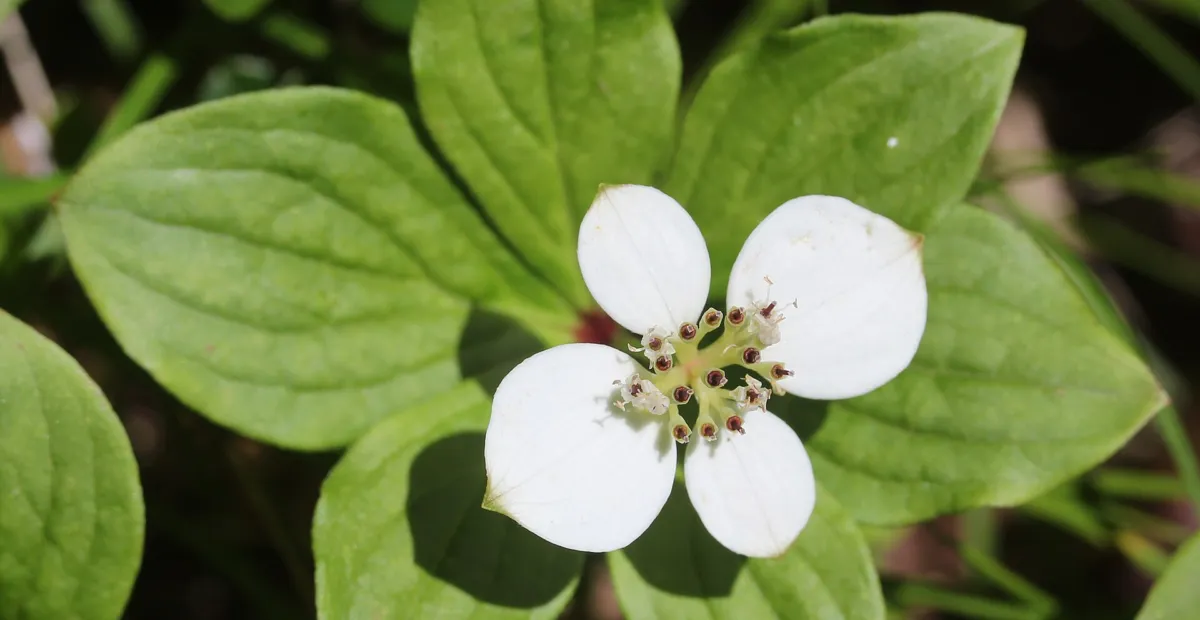
Stems are slender, green to reddish, and rise from creeping rhizomes. Firm elliptic leaves form conspicuous terminal whorls, commonly four on sterile shoots and more on flowering shoots. The four white bracts resemble a miniature flowering dogwood display. Red fruit clusters and reddish-purple fall foliage add seasonal identification value.
Flowering
The true flowers are tiny, greenish to yellow-green and arranged in a compact terminal cluster. Four conspicuous white bracts create the appearance of a single dogwood flower. Bloom is generally from late spring into summer, with timing varying by latitude and elevation. Flowers are protandrous and largely self-incompatible, so cross-pollination improves fruit set.
Pollination and visitors
Flowers are primarily visited by insects, including bees, bumblebees, flies, beetles, and butterflies. The flowers are self-incompatible and protandrous, so cross-pollination is important for reliable fruit set. A distinctive trigger mechanism can eject pollen when touched; occasional wind assistance has also been reported.
Cornus canadensis photos
Click any photo for a larger view. Source, author and license are shown separately.
Diseases and pests
Diseases
Stress increases susceptibility to dogwood anthracnose, leaf spot, powdery mildew, cankers, blights, and root rot. Favor cool airflow, healthy drainage, and steady moisture; remove badly affected debris and avoid overhead irrigation when disease is active. Heat stress and unsuitable soil are major underlying problems.
Pests
Leaf miners and scale may occur, especially on stressed plants. Inspect new growth and leaf undersides, improve site conditions first, and use targeted management only when pests are causing meaningful damage. Avoid broad-spectrum insecticides during bloom to reduce harm to flower visitors.
Related diseases and pests
Only Plant Doctor profiles whose host data indicate this plant may be affected are shown here.
 DiseaseCoral Spot CankerNectria cinnabarina
 DiseasePhytophthora plurivora Root and Collar RotPhytophthora plurivora
 PestEuropean Fruit Lecanium ScaleParthenolecanium corni
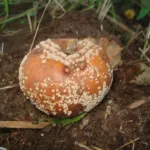 DiseaseEuropean brown rotMonilinia fructigena
 DiseasePhytophthora cactorum crown, collar, root and fruit rotPhytophthora cactorum
 Environmental stressHeat stress
 Environmental stressUnderwatering
 Environmental stressSalt stress
Toxicity and pollen
Available references describe the ripe fruits as nonpoisonous and edible for people, although they are generally considered bland. Species-specific toxicology data for all plant parts and pets are limited, so avoid deliberate ingestion of large quantities and contact a medical or veterinary professional after a concerning exposure. Any plant material may cause mild digestive upset in pets.
- Typical season
- Late spring to summer
- Pollination / pollen
- Explosively released, mainly insect-carried pollen
This species releases pollen explosively when floral structures are triggered, usually placing pollen on visiting insects rather than producing a large persistent airborne cloud. Some pollen can become airborne, but reliable species-specific clinical allergy data are scarce; sensitive people should still avoid handling flowering plants closely if symptoms occur.
Native habitat
Native populations occur in cool, moist coniferous, deciduous, and mixed forests, as well as bogs, heathlands, barrens, meadows, thickets, and subalpine habitats. Sites often have an organic surface layer, moss, decaying wood, and acidic soil. In warmer parts of its range it is generally restricted to higher elevations.
Interesting fact
The four white bracts are not petals; they surround a cluster of true flowers. Touch can trigger an explosive pollen release from the flowers. Plants commonly spread and persist through creeping rhizomes. The red fruit clusters are berry-like drupes eaten by wildlife.
Frequently asked questions (FAQ)
The most relevant questions about this plant, with short and direct answers.
🌱Quick care
What is quatre-temps (Cornus canadensis)?⌄
Quatre-temps is a low-growing, rhizomatous perennial ground cover in the dogwood family, Cornaceae. It is also commonly called bunchberry and forms spreading mats in cool woodland conditions.
Is Cornus canadensis evergreen?⌄
Cornus canadensis is often semi-evergreen to evergreen in mild climates, but its foliage may turn reddish-purple, droop, or die back in colder areas. It commonly regrows from its rhizomes in spring.
How big does quatre-temps get?⌄
Quatre-temps usually grows about 4–10 inches tall and spreads horizontally by rhizomes. Its compact habit makes it useful as a woodland ground cover rather than a shrub-like dogwood.
Is Cornus canadensis hardy?⌄
Cornus canadensis is very cold-hardy when grown in suitable woodland conditions. Heat, drought, and warm nighttime temperatures are usually greater challenges than winter cold.
🌤️Environment and placement
Where should I plant Cornus canadensis?⌄
Plant Cornus canadensis in partial shade to full shade beneath trees or in a cool woodland garden. Choose a site with humus-rich, acidic, evenly moist but well-drained soil.
Can quatre-temps grow in full sun?⌄
Quatre-temps generally performs best in partial shade or shade and may struggle in hot, exposed full sun. Cooler northern sites with consistently moist soil can sometimes support more light.
What USDA hardiness zones suit Cornus canadensis?⌄
Cornus canadensis is best suited to cool northern climates, commonly around USDA Zones 2–6. It may be difficult in much of the southern United States because hot summers and warm soils can weaken or kill it.
Does Cornus canadensis tolerate heat?⌄
Cornus canadensis has limited heat tolerance and often performs poorly in hot summer climates. In warmer areas, a cool, shaded site with acidic soil and dependable moisture is essential, though success is not guaranteed.
What type of soil does quatre-temps need?⌄
Quatre-temps needs acidic, humus-rich soil that stays evenly moist but drains well. Woodland soil amended with leaf mold, composted organic matter, or peat-free acidic organic material is usually more suitable than heavy clay or dry sandy soil.
Does Cornus canadensis spread aggressively?⌄
Cornus canadensis spreads gradually by underground rhizomes and can form broad mats in favorable woodland conditions. It is generally manageable, but established patches may expand beyond their original planting area.
💧Care and problems
How often should I water quatre-temps?⌄
Water quatre-temps whenever the soil surface begins to dry so the root zone remains evenly moist. Do not allow the soil to become waterlogged, especially in containers or compacted ground.
Why is my Cornus canadensis turning brown?⌄
Brown foliage usually indicates heat stress, drought, excessive sun, root damage, or unsuitable soil conditions. Check moisture and drainage first, then provide deeper shade and a cool organic mulch if the site is exposed.
Why is my quatre-temps not spreading?⌄
Quatre-temps spreads slowly when plants are newly established or when the site is too dry, warm, sunny, or alkaline. Consistent moisture, acidic woodland soil, and patience are usually more helpful than heavy fertilizing.
Does Cornus canadensis need fertilizer?⌄
Cornus canadensis usually needs little or no fertilizer when planted in fertile, humus-rich woodland soil. A light spring application of an acid-forming fertilizer is optional, but excess nutrients can encourage weak growth.
What pests or diseases affect quatre-temps?⌄
Quatre-temps can suffer when stressed by heat, drought, poor drainage, or unsuitable soil, but serious pest and disease problems are not its main cultivation challenge. Good site selection and steady moisture are the most important protections.
🪴Planting and repotting
When is the best time to plant Cornus canadensis?⌄
Plant Cornus canadensis in spring or early fall while temperatures are mild and soil moisture is reliable. Spring planting is especially useful in colder regions where new roots need time to establish before winter.
How do I plant quatre-temps as a ground cover?⌄
Set plants at the same depth they were growing in their containers and space them roughly 12–18 inches apart. Water thoroughly, keep the soil evenly moist, and add a thin organic mulch without covering the crowns.
Can Cornus canadensis grow in containers?⌄
Cornus canadensis can grow in a container if it has acidic, moisture-retentive but well-drained potting mix and protection from summer heat. Use a shallow, wide container and keep it in bright shade rather than direct afternoon sun.
Can I grow quatre-temps under evergreen trees?⌄
Quatre-temps can grow beneath trees if the soil is acidic, cool, and consistently moist. Avoid locations dominated by dense surface roots, severe rain-shadow, or deep dry shade where the plant cannot establish.
✂️Propagation and pruning
How do I propagate Cornus canadensis from seed?⌄
Collect ripe red fruits in late summer or fall, clean the seeds, and provide cold, moist stratification for about 90–120 days before sowing. Germination can be slow and low, so seed propagation requires patience.
Can quatre-temps be propagated by division?⌄
Yes, established quatre-temps can be divided by separating sections of the rhizomatous mat with healthy roots and shoots. Replant divisions promptly in cool, acidic, evenly moist soil and protect them from drying out.
Can Cornus canadensis grow from cuttings?⌄
Cornus canadensis can be propagated from softwood cuttings under controlled nursery conditions, but this method is usually less practical for home gardeners than dividing established rhizomes. Cuttings need high humidity and carefully managed moisture.
Can I transplant wild quatre-temps?⌄
Transplanting wild quatre-temps is often difficult because the plant depends on cool, specialized woodland conditions and can be damaged when its rhizomes are disturbed. Nursery-propagated plants are usually a better and more responsible choice.
Does Cornus canadensis need pruning?⌄
Quatre-temps normally needs no routine pruning because it is a low herbaceous ground cover. Remove damaged or winter-killed growth in spring only if needed, and avoid cutting into the spreading rhizomes.
⚠️Toxicity and safety
Are Cornus canadensis berries edible?⌄
Ripe Cornus canadensis fruits are widely reported as nonpoisonous and edible, although they are generally considered bland or insipid. Only consume correctly identified, fully ripe fruit from a clean, pesticide-free source.
Are quatre-temps berries toxic to dogs or cats?⌄
The ripe fruits are generally reported as nonpoisonous, but species-specific veterinary safety data for pets are limited. Prevent pets from eating large quantities and contact a veterinarian if illness follows ingestion.
Is Cornus canadensis safe for children?⌄
The ripe fruit is generally reported as nonpoisonous, but children should not eat unidentified plant material or large amounts of berries. Supervise children around the plant and verify identification before any consumption.
🌸Flowering and special interest
When does Cornus canadensis bloom?⌄
Cornus canadensis generally blooms from late spring into summer, often from May through July depending on climate and elevation. The showy white structures are bracts surrounding a small central flower cluster.
Are the white parts of quatre-temps flowers or bracts?⌄
The prominent white parts are bracts rather than individual petals. The true flowers are the small, tightly packed central cluster enclosed by those showy bracts.
Why is my Cornus canadensis flowering but not producing berries?⌄
Cornus canadensis is largely self-incompatible, so fruit production is improved when genetically different plants grow near one another and insects can pollinate them. Low light, cool flowering weather, or poor pollinator activity can also reduce fruit set.
When do quatre-temps berries ripen?⌄
Quatre-temps fruits typically ripen from late summer into fall, turning red or orange-red. Fruit production varies considerably with pollination, light levels, weather, and the plant’s growing conditions.
Do birds eat Cornus canadensis berries?⌄
Yes, ripe Cornus canadensis berries are an important food source for birds and other wildlife. Fruit clusters may disappear quickly once they mature.
How fast does Cornus canadensis grow?⌄
Cornus canadensis is usually a slow-to-moderate establishment plant that spreads gradually by rhizomes. Once settled in a cool, suitable woodland site, it can form a dense ground-cover mat over time.
Similar plants
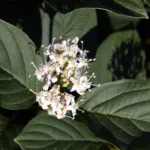 White Dogwood (Cornus alba) care guideCornus alba
 Cornus ‘Celestial Shadow’Cornus 'Celestial Shadow'
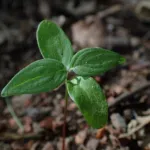 Common dogwood (Cornus sanguinea) care guideCornus sanguinea
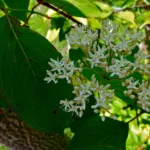 Silky dogwood (Cornus amomum) care guideCornus amomum
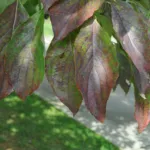 Flowering dogwood (Cornus florida) care guideCornus florida
 Chinensis (Cornus kousa ‘Chinensis’)Cornus kousa 'Chinensis'