
 Source:
 White Dogwood (Cornus alba) short overview
White Dogwood, Cornus alba, is a hardy deciduous shrub grown for its vivid red stems, especially striking from fall through late winter. In spring and early summer, small creamy-white flowers appear in flat-topped clusters, followed by pale bluish-white fruits that feed birds. It grows in sun or partial shade and prefers moist, well-drained soil. The species can sucker freely, forming colonies useful for screening and erosion control but difficult in confined spaces.
Taxonomic classification
White Dogwood (Cornus alba) care guide
Light and placement
Give full sun for the strongest red winter stems, with at least 6 hours of direct light where practical. Partial afternoon shade is useful in hot-summer regions, where heat and drought can increase stress and disease. Too little light may produce weaker color and looser growth; intense reflected heat combined with dry soil can cause scorch, wilt, and premature leaf loss.
Watering and humidity
Water deeply when the upper few inches of soil begin to dry, keeping the root zone consistently moist during establishment and summer heat. Reduce frequency after leaf fall but do not allow newly planted shrubs to dry completely. Avoid frequent shallow watering and prolonged standing water. Average humidity is adequate; soil moisture is more important than misting.
Soil and growing medium
Use fertile loam, clay, or sandy soil that holds consistent moisture without remaining stagnant. Good drainage is important, especially in heavy clay. Cornus alba tolerates a broad pH range from moderately acidic through slightly alkaline, so routine acidification is usually unnecessary. Improve poor ground with compost, but avoid creating a sharply different soil layer around the root ball.
Feeding
Apply a thin layer of compost or a balanced, slow-release shrub fertilizer in early spring if growth is weak or soil fertility is poor. Water after feeding. Avoid high-nitrogen applications, late-season fertilization, and feeding drought-stressed or diseased plants, since lush soft growth can worsen structural weakness and disease susceptibility.
Growth and habit
This shrub is upright when young, then develops arching, spreading stems and may produce suckers that form colonies. Rapid growth and vigorous renewal make it effective for screening, but unmanaged plants can expand beyond their intended space. Regular removal of older stems maintains stronger winter color and keeps the clump more open.
Planting and repotting
Plant in spring or fall, setting the root flare level with the surrounding soil. Space plants about 6–10 feet apart for a screen, allowing extra room where a colony is acceptable. Water deeply after planting and maintain even moisture during the first two growing seasons. Mulch over the root zone, keeping mulch away from stems.
Container-grown plants can be moved in early spring or fall. Choose a container with generous drainage and refresh the root zone when roots circle densely or growth declines. Because the species becomes a large, suckering shrub, long-term container culture requires substantial root space and occasional root pruning or replacement with a younger plant.
Propagation and pruning
Propagation
Take hardwood cuttings in late fall or winter, or softwood cuttings in late spring to early summer under controlled moisture. Division and layering are practical because the shrub suckers readily. Seed can be sown after suitable cold stratification, but seedlings may be slower and less uniform than vegetative plants.
Pruning
For the brightest winter stems, remove some of the oldest wood at the base in late winter or early spring before leaf-out. Renewal-prune roughly one-quarter to one-third of older stems when needed rather than shearing everything annually. Remove unwanted suckers promptly. It can be trained as a small tree by selecting a central stem, but its natural form is multi-stemmed.
Overwintering
The species is reliably cold-hardy to about USDA Zone 3, so established plants usually need no winter covering. In colder exposed sites, mulch the root zone after the ground cools and protect young plants from drying wind. Do not cut stems back in autumn if winter bark display is desired; perform renewal pruning in late winter.
Uses
Useful for winter structure, informal screening, shrub borders, wildlife plantings, erosion control, and naturalized thickets. Birds use the pale fruits, and dense stems can provide cover and nesting structure. It is primarily ornamental; no culinary or medicinal use is recommended here. Its suckering habit can be valuable for stabilization but troublesome in small gardens.
Appearance
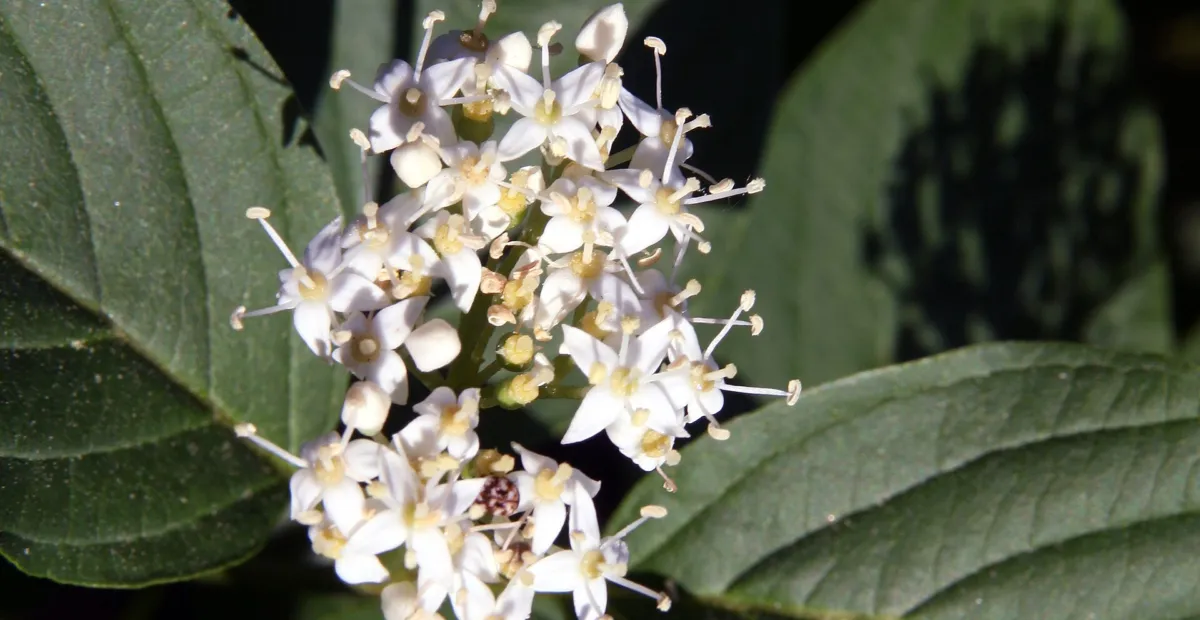
A multi-stemmed shrub with opposite, ovate to oblong leaves, entire margins, and a slightly wrinkled upper surface. Young stems are greenish red in summer and deepen to vivid red in fall and winter, with conspicuous pale lenticels. Flowers are small and creamy white; fruits are rounded, white to bluish white. The plant becomes more arching with age.
Flowering
Small perfect flowers are arranged in dense, flat-topped terminal cymes rather than showy bracts. They are creamy white to yellowish white and generally appear from May through July in the United States, often followed by pale fruits. Flowering may be more noticeable on plants that receive renewal pruning, although the flowers are modest compared with the winter stems.
Pollination and visitors
Extension guidance documents visits by bees, butterflies, and other pollinators. The small flowers are open and clustered, providing accessible floral resources during late spring and early summer. Cornus alba also supports specialized Andrena bees at the genus level, but a specific species-level visitor is not assigned here to this exact plant.
Cornus alba photos
Click any photo for a larger view. Source, author and license are shown separately.
Diseases and pests
Diseases
Dogwood anthracnose, cankers, powdery mildew, leaf spot, root rot, and leaf or twig blight may occur, especially when plants are stressed. Promote air circulation, avoid chronic drought, remove diseased wood, and water at the soil line. Hot-summer regions, particularly south of USDA Zone 7, can increase disease pressure; choose a cooler, well-ventilated site where possible.
Pests
Scale, leaf miners, borers, and occasional defoliating insects may occur. Keep plants vigorous with appropriate watering and pruning, inspect stems and foliage regularly, and remove heavily infested or weakened wood. Use targeted controls only when damage is significant and follow the product label; avoid routine broad-spectrum insecticide use during bloom.
Related diseases and pests
Only Plant Doctor profiles whose host data indicate this plant may be affected are shown here.
 DiseaseCoral Spot CankerNectria cinnabarina
 DiseasePhytophthora plurivora Root and Collar RotPhytophthora plurivora
 PestEuropean Fruit Lecanium ScaleParthenolecanium corni
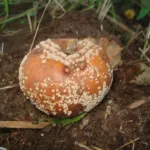 DiseaseEuropean brown rotMonilinia fructigena
 DiseasePhytophthora cactorum crown, collar, root and fruit rotPhytophthora cactorum
 Environmental stressDrought stress
 Environmental stressSalt stress
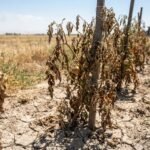 Environmental stressHeat stress
Toxicity and pollen
Species-specific human and pet toxicity evidence is limited and should not be overstated. Cornus alba is not documented here as a confirmed poisonous landscape plant, but ingestion of any plant material can cause gastrointestinal upset or choking, and plant identity matters. Prevent children and pets from eating leaves, stems, or fruits and contact a clinician or veterinarian after concerning exposure.
- Typical season
- Typically May–July in the United States
- Pollination / pollen
- Insect-dispersed pollen
No reliable US-specific airborne-pollen risk rating was found for Cornus alba. Its pollen is produced by insect-visited flowers rather than released from wind-pollinated cones or catkins, but insect pollination does not prove that sensitization is impossible. People with suspected plant allergies should limit exposure during bloom and seek clinical advice for persistent symptoms.
Native habitat
In its native Eurasian range, Cornus alba occurs in temperate climates from eastern Europe across northern and central Asia to Korea. It is associated with moist soils, stream margins, woodland edges, floodplains, and disturbed habitats. The species tolerates clay, periodic wetness, and occasional dryness once established, but performs best without prolonged drought or stagnant drainage.
Interesting fact
The species name alba refers to its pale fruits rather than its flowers. Young stems provide the strongest red winter color, while older wood becomes duller. Its opposite leaves and prominent stem lenticels help distinguish it within the dogwood group, although winter identification can be confused with Cornus sericea.
Frequently asked questions (FAQ)
The most relevant questions about this plant, with short and direct answers.
🌱Quick care
What is Cornus alba commonly called in the United States?⌄
Cornus alba is identified here by the verified common name White Dogwood. In U.S. gardening references, it is also frequently listed as Tatarian, Siberian, or red-barked dogwood, so checking the scientific name helps avoid confusion with Cornus florida.
How much sun does White Dogwood need?⌄
White Dogwood grows best in full sun to partial shade. Full sun generally produces stronger growth and the best color on its young stems, while partial shade is tolerated.
How often should I water White Dogwood?⌄
Water White Dogwood regularly enough to keep the soil evenly moist, especially during its first growing season and during drought. Established shrubs tolerate occasional dryness, but prolonged stress can increase disease problems.
Is Cornus alba a tree or a shrub?⌄
Cornus alba is a deciduous, multistemmed shrub that commonly grows about 8 to 10 feet tall and 5 to 10 feet wide. It can be trained into a small tree form, but its natural habit is shrubby and suckering.
What USDA hardiness zones are suitable for White Dogwood?⌄
White Dogwood is generally hardy in USDA Zones 3 through 7. Cultivar performance can vary, and hot summer conditions may make it more difficult to grow well in areas warmer than Zone 7.
🌤️Environment and placement
What is the best location for planting White Dogwood?⌄
Plant White Dogwood in a site with full sun to partial shade and moist, well-drained soil. It works well in shrub borders, hedges, rain gardens, erosion-control plantings, and naturalized areas where suckering is acceptable.
Can White Dogwood grow in clay soil?⌄
Yes, White Dogwood can grow in clay soil if it remains moist but drains adequately. Improve compacted clay with organic matter and avoid locations where water stays stagnant around the roots.
Can White Dogwood tolerate wet soil?⌄
White Dogwood tolerates moist soil and occasional standing water once established, provided drainage is not permanently poor. Constantly saturated soil can contribute to root problems.
Can White Dogwood grow in shade?⌄
White Dogwood tolerates partial shade but usually grows more vigorously and develops better stem color in brighter light. Dense shade can produce weaker, less colorful growth.
Is White Dogwood suitable for hot Southern gardens?⌄
White Dogwood can struggle in hot summer climates, particularly south of USDA Zone 7. In warmer regions, provide afternoon shade, consistent moisture, good air circulation, and close monitoring for disease stress.
Does White Dogwood spread by suckers?⌄
Yes, White Dogwood commonly produces root suckers and can form broad colonies. Remove unwanted suckers promptly or plant it where natural spreading is acceptable.
💧Care and problems
How do I maintain the red stems on White Dogwood?⌄
Remove about one-quarter to one-third of the oldest stems near the ground in early spring to encourage vigorous new shoots. Young stems usually provide the strongest red winter color.
Can I cut White Dogwood back to the ground?⌄
Yes, White Dogwood can be coppiced by cutting its stems to roughly 8 to 12 inches above ground in early spring. This renews the shrub but removes flowers and fruit for that season.
When should I prune White Dogwood?⌄
Prune White Dogwood in late winter or early spring while it is dormant and before strong new growth begins. Lightly removing older stems each year is usually preferable to severe pruning unless renovation is needed.
Why is my White Dogwood not producing red stems?⌄
Older stems naturally lose their strongest color, so a lack of red growth often means the shrub needs renewal pruning. Excess shade, drought, or a cultivar with less vivid stems can also reduce winter color.
What pests affect White Dogwood?⌄
White Dogwood may occasionally be affected by scale insects, leaf miners, borers, or browsing by animals. Healthy plants usually tolerate minor pest activity, but inspect stressed shrubs and correct watering or site problems first.
What diseases affect Cornus alba?⌄
Potential diseases include dogwood anthracnose, powdery mildew, leaf spot, canker, root rot, and leaf or twig blight. Disease risk increases when plants are stressed by heat, drought, poor drainage, or inadequate air circulation.
Is White Dogwood deer resistant?⌄
White Dogwood is considered relatively resistant to deer and rabbits, although no landscape shrub is completely browse-proof. Protection may still be needed where wildlife pressure is severe.
🪴Planting and repotting
How far apart should I plant White Dogwood shrubs?⌄
Space White Dogwood shrubs about 6 to 10 feet apart for a mass planting, depending on the cultivar and desired density. Allow additional room if you want a looser form or want to limit pruning.
Can White Dogwood be grown in a container?⌄
White Dogwood can be grown temporarily in a large container, but its mature size, vigorous growth, and suckering habit make it better suited to the landscape. Use a container with drainage and protect the roots from extreme winter temperatures.
How do I plant White Dogwood from a nursery container?⌄
Dig a hole about as deep as the root ball and two to three times as wide, set the shrub at its original soil level, backfill with native soil, and water thoroughly. Apply a 2- to 3-inch mulch layer while keeping mulch away from the stems.
Does White Dogwood need fertilizer?⌄
White Dogwood usually needs little fertilizer when planted in reasonably fertile soil. If growth is weak, test the soil before applying a balanced fertilizer and avoid excess nitrogen, which can encourage weak, disease-prone growth.
✂️Propagation and pruning
How can I propagate White Dogwood?⌄
White Dogwood can be propagated by stem cuttings, layering, division, seed, or rooted suckers. Vegetative methods are generally more practical when you want a plant that retains the parent’s ornamental traits.
Can I grow White Dogwood from cuttings?⌄
Yes, White Dogwood can be propagated from suitable stem cuttings taken during the growing season or dormancy, depending on the method. Use healthy young wood, a clean rooting medium, steady moisture, and indirect light.
Can I transplant White Dogwood suckers?⌄
Yes, rooted suckers can be separated and transplanted while the plant is dormant or during mild spring conditions. Dig deeply enough to retain roots, replant immediately, and keep the new division evenly moist.
Can White Dogwood be grown from seed?⌄
Yes, White Dogwood produces seeds in its white, sometimes bluish-tinged fruits, but seed may require a period of dormancy treatment and seedlings may vary from the parent plant. Cuttings or division are usually faster for garden propagation.
⚠️Toxicity and safety
Is White Dogwood poisonous to humans or pets?⌄
There is no confirmed species-specific toxicity classification provided for Cornus alba in the available core information. Treat the berries, leaves, and stems as ornamental plant material, prevent ingestion, and contact a poison-control or veterinary professional if consumption occurs.
Are White Dogwood berries edible?⌄
White Dogwood berries should not be treated as edible food, even though they are attractive to birds. Avoid eating them and keep fallen fruit away from children and pets.
🌸Flowering and special interest
When does White Dogwood bloom?⌄
White Dogwood typically blooms in late spring, often around May to June in temperate U.S. gardens. Its small creamy-white flower clusters are less showy than the bracts of flowering dogwood.
What do White Dogwood flowers look like?⌄
White Dogwood produces small creamy-white flowers in flat-topped clusters. They are followed by white fruits that may have a bluish tinge and are useful for attracting birds.
Does White Dogwood have winter interest?⌄
Yes, White Dogwood is primarily valued for its colorful young stems, which can provide strong red winter interest after the leaves drop. Regular renewal pruning helps preserve this feature.
Does White Dogwood attract birds and pollinators?⌄
Yes, its flowers attract bees, butterflies, and other pollinators, while its fruits attract birds. The dense, multistemmed growth can also provide nesting and cover habitat.
Similar plants
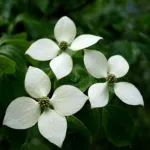 Chinensis (Cornus kousa ‘Chinensis’)Cornus kousa 'Chinensis'
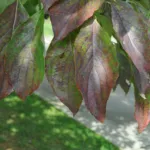 Flowering dogwood (Cornus florida) care guideCornus florida
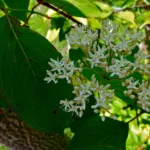 Silky dogwood (Cornus amomum) care guideCornus amomum
 Sibirica (Cornus alba ‘Sibirica’)Cornus alba 'Sibirica'
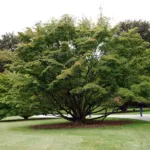 Kousa (Cornus kousa) care guideCornus kousa
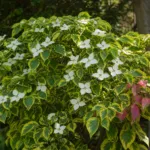 Cornus ‘Celestial Shadow’Cornus 'Celestial Shadow'