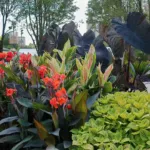
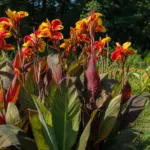
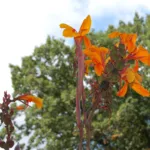
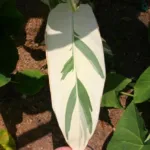
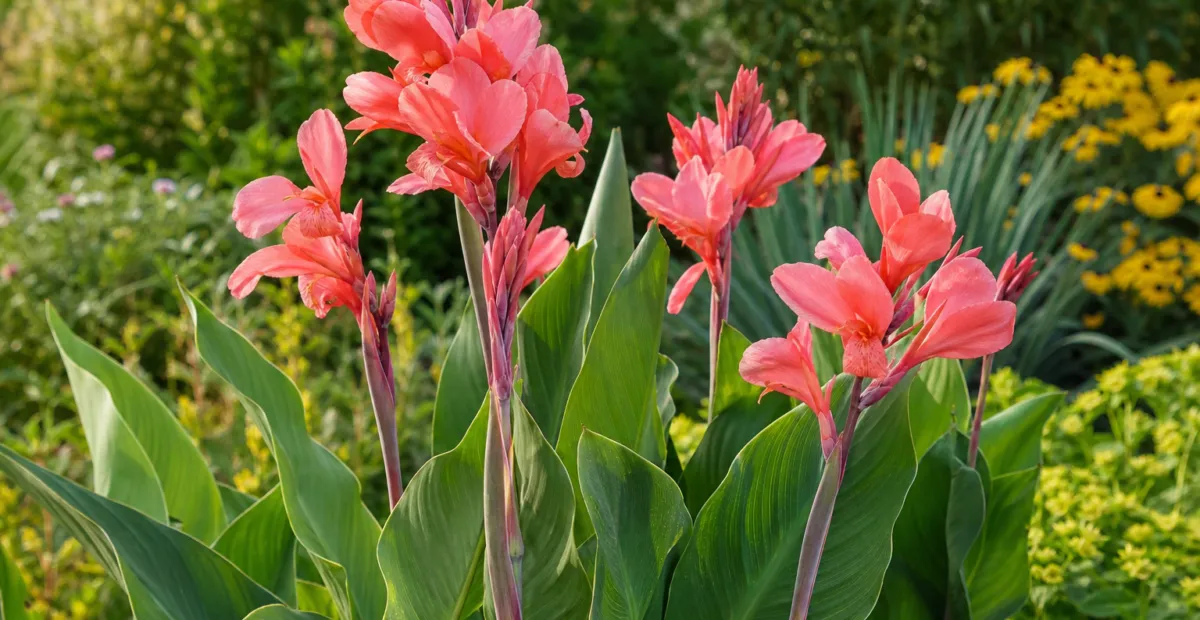
 AI-generated illustration
 Canna ‘Coral Pink’ short overview
Canna 'Coral Pink' is a named garden-canna cultivar associated with coral-pink flowers and lush green, tropical-looking foliage. Published cultivar-specific information is scarce, so its exact parentage, mature size, flowering calendar, fragrance, and hardiness remain uncertain. Like other garden cannas, it is best grown in warm, fertile, moisture-retentive but well-drained soil, with full sun or light shade. In colder parts of the United States, its rhizomes require winter storage.
Taxonomic classification
Canna ‘Coral Pink’ care guide
Light and placement
Give full sun for the strongest flowering, ideally with at least 6 hours of direct light, or use light afternoon shade in very hot climates. A south- or west-facing border is suitable if irrigation is reliable; morning sun with afternoon shade can reduce leaf scorch. Sparse flowering and stretched stems suggest insufficient light, while bleached or scorched leaves suggest excessive reflected heat or drought.
Watering and humidity
Water deeply whenever the upper soil begins to dry, aiming for steady moisture rather than repeated shallow sprinkling. Increase irrigation during hot, windy weather and while plants are flowering; reduce watering after foliage dies back and during dormant rhizome storage. Avoid leaving containers standing in water, because saturated dormant rhizomes can rot.
Soil and growing medium
Use fertile, organic-rich soil that holds steady moisture without remaining stagnant around the rhizomes. A loam amended with compost is suitable; heavier clay should be improved for drainage, while very dry sandy soil benefits from organic matter and regular irrigation. Garden cannas tolerate a broad pH range from mildly acidic through slightly alkaline, but extreme conditions can reduce nutrient availability.
Feeding
Feed after shoots emerge with compost or a balanced, slow-release fertilizer. Container plants may need a diluted complete fertilizer during vigorous summer growth because frequent watering can leach nutrients. Do not fertilize dormant rhizomes or apply heavy nitrogen late in the season, when soft growth is more vulnerable to damage.
Growth and habit
Expect a fast-growing, clump-forming plant that emerges from underground rhizomes and produces coarse, upright foliage with flowering stems. Wind can damage large leaves and tall stems, so a sheltered site is useful. Remove spent flower clusters to maintain a tidy display and encourage continued production during warm weather.
Planting and repotting
Plant outdoors after the last expected spring frost, once the soil has warmed. Set rhizomes about 3–5 inches deep with the growing eyes facing upward. Because the exact stature of 'Coral Pink' is poorly documented, begin with roughly 18–24 inches of spacing and adjust after observing its habit. Keep the planting evenly moist while shoots establish.
Repot container-grown rhizomes in spring when new growth is beginning, using a large, stable container with drainage holes and a rich general-purpose potting mix. Refresh crowded clumps every few years by dividing the rhizomes. Replant at the same approximate depth and water thoroughly after transplanting.
Propagation and pruning
Propagation
Divide dormant or newly active rhizomes in spring, ensuring each section has at least one healthy growing eye. Seed propagation is possible for garden cannas but seedlings may not reproduce a named cultivar true to type. Keep divisions warm and lightly moist until shoots develop.
Pruning
Remove spent flower spikes and damaged leaves during the growing season. After frost blackens the foliage, cut stems back near ground level before lifting the rhizomes. In frost-free regions, remove old stems and foliage as needed to make room for new shoots.
Overwintering
In USDA Zones 8–11, rhizomes may survive outdoors in well-drained soil with mulch, though winter wetness remains a risk. In colder areas, cut stems back after frost, dig rhizomes, let them dry briefly, and store them in a cool, dark, frost-free place around 40–50°F in barely dry peat, vermiculite, or similar material. Replant after spring frost danger passes.
Uses
Best supported uses are ornamental: warm-season borders, large containers, tropical-themed plantings, poolside settings, and cut-flower arrangements. Its strong vertical foliage also works as a seasonal screen or backdrop. Do not infer culinary or medicinal use for this exact cultivar from the general use of some Canna species.
Appearance
The plant is expected to show broad, paddle-shaped green leaves carried on upright, fleshy stems, with terminal clusters of coral-pink flowers. Canna foliage is coarse-textured and distinctly tropical in appearance. Because several unrelated cultivars use coral-pink descriptions, leaf width, stem branching, and precise floral markings should not be used to authenticate this name without a verified plant record.
Flowering
The cultivar name indicates coral-pink blooms, but dependable primary documentation for flower form, exact bloom length, and flowering dates is limited. Garden cannas generally produce successive flowers on upright terminal spikes during warm weather, with deadheading often extending the display. Expect best flowering in strong light and heat, provided moisture is not limiting.
Pollination and visitors
Reliable documentation for animal visitors to this exact cultivar was not found. Garden cannas can provide conspicuous nectar-bearing flowers and are reported in extension material as pollinator-attractive, but a specific visitor list should not be assigned to 'Coral Pink' without cultivar-level evidence.
Diseases and pests
Diseases
Avoid waterlogged soil and remove damaged foliage to reduce rot and foliar disease pressure. Watch for aster yellows, leaf spot, rust, bacterial blight, bud rot, and canna mosaic virus. Virus-like striping, distorted growth, or persistent decline warrants removal of the affected plant rather than attempted treatment; obtain clean rhizomes from reputable suppliers.
Pests
Inspect leaves for Japanese beetles, aphids, slugs, snails, and canna leafroller caterpillars. Hand-pick larger pests, use barriers for slugs and snails, and remove badly rolled or damaged leaves. Avoid unnecessary broad-spectrum insecticides, especially while flowers are open. Good spacing and cleanup help limit recurring problems.
Related diseases and pests
Only Plant Doctor profiles whose host data indicate this plant may be affected are shown here.
 PestCitrus mealybugPlanococcus citri
 DiseaseAster yellows‘Candidatus Phytoplasma asteris’
 PestJapanese beetlePopillia japonica
 DiseaseZucchini yellow mosaicZucchini yellow mosaic virus
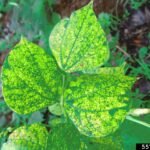 DiseaseBean yellow mosaicBean yellow mosaic virus
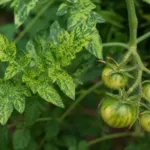 DiseaseTomato mosaic virusTobamovirus tomatotessellati
 Environmental stressWaterlogging
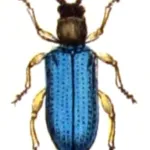 PestCereal leaf beetleOulema melanopus
Toxicity and pollen
ASPCA lists Canna Lily, identified there as Canna generalis, as non-toxic to dogs and cats. No cultivar-specific toxicology record for 'Coral Pink' was located. Normal garden hygiene is still sensible: discourage chewing, remove plant debris, and seek veterinary or medical advice if an unusual ingestion causes symptoms.
- Typical season
- No cultivar-specific airborne-pollen season documented
- Pollination / pollen
- Not documented as a significant wind-dispersed pollen source
Canna flowers are showy and generally associated with animal-mediated pollination rather than abundant wind dispersal. However, cultivar-specific pollen measurements and allergen studies were not located, so a precise allergy rating cannot be established. People with known pollen sensitivity should avoid rubbing eyes after handling flowers and wash hands before eating.
Native habitat
The cultivated garden-canna group derives from tropical and subtropical Canna lineages associated with warm climates, fertile soils, and reliable seasonal moisture. In cultivation, cannas tolerate heavier soils better than many ornamental rhizomatous plants, but stagnant winter wetness promotes rhizome loss. Their apparent tropical character reflects broad leaves and vigorous warm-season growth.
Interesting fact
Cannas are rhizomatous members of the order Zingiberales, the same broad monocot order that includes ginger and bananas. Garden cannas are hybrids and selections rather than a single wild species. Their broad leaves and upright flower spikes provide a strong tropical effect even when the plant is grown as a seasonal annual.