
 Source:
 Canna ‘Yellow King Humbert’ short overview
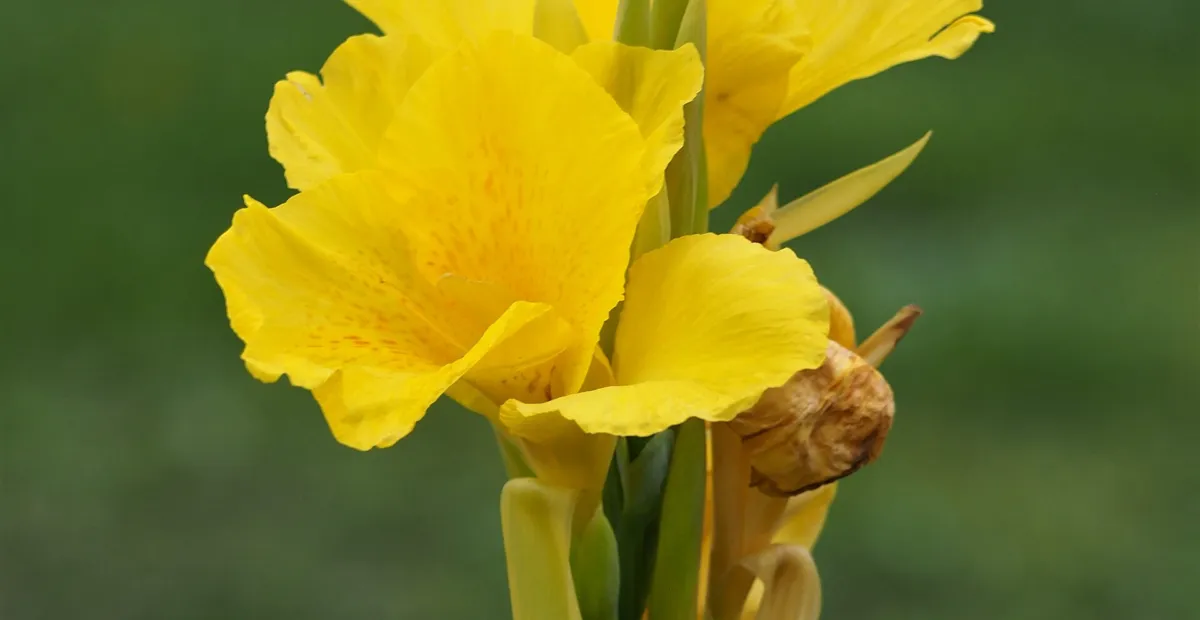
Canna 'Yellow King Humbert' is a historic Italian Group canna valued for its bold tropical foliage and unusually variable blooms. Its broad apple-green leaves frame large buttery-yellow flowers marked with orange to red, often producing striking color breaks from plant to plant. It grows vigorously in warm, sunny beds or containers, but the rhizomes need winter protection in much of the United States.
Taxonomic classification
Canna ‘Yellow King Humbert’ care guide
Light and placement
Give full sun for the strongest flowering, ideally with at least 6 hours of direct light and shelter from strong prevailing winds. A site with morning-to-afternoon sun is preferable to deep shade. Partial shade is tolerated, but flowering usually decreases and stems may become less sturdy. Pale, stretched growth suggests insufficient light; scorched margins or collapsed leaves can indicate heat, drought, or wind stress rather than excessive sun alone.
Watering and humidity
Water deeply when the upper inch of soil begins to dry, keeping the root zone evenly moist during active growth. Increase frequency during hot, windy weather and in containers, but never leave rhizomes in stagnant water. Reduce watering as foliage yellows in autumn, and keep stored rhizomes only barely dry enough to prevent shriveling. Humidity is usually not a limiting factor outdoors.
Soil and growing medium
Use fertile, moisture-retentive soil that still drains freely. A loam amended with compost is a good general medium. Cannas tolerate a range of soil textures and mildly acidic through mildly alkaline conditions, but saturated, stagnant soil can rot the rhizomes. In containers, use a quality potting mix with added compost or other organic matter, not heavy garden soil alone.
Feeding
Mix compost into the planting area before growth begins, then feed during active summer growth with a balanced, complete fertilizer according to the product label. Container plants may need regular low-strength feeding because frequent watering leaches nutrients. Stop routine fertilizing as the plant enters dormancy or before lifting rhizomes; late feeding encourages soft growth rather than better winter survival.
Growth and habit
A vigorous warm-season perennial that rises from branching rhizomes and forms an upright clump of leafy stems. It establishes quickly in heat and responds well to regular moisture and feeding. Remove spent flower clusters to encourage continued bloom, and thin overcrowded rhizomes during lifting to maintain vigor and airflow.
Planting and repotting
Plant after the danger of hard frost has passed and the soil has warmed. Set rhizomes horizontally with the growing eyes facing upward, about 4–6 inches deep; general canna guidance commonly uses at least 5 inches. Space plants about 12–18 inches apart for a full display, allowing wider spacing where airflow is limited. Water thoroughly after planting and keep evenly moist while shoots establish.
Repot container-grown rhizomes in spring as new growth begins, or divide and refresh crowded clumps after lifting. Choose a heavy container with drainage holes because the broad foliage can catch wind. Move plants up only one pot size when necessary; excessive unused soil stays wet around dormant rhizomes.
Propagation and pruning
Propagation
Divide the rhizomes in spring when eyes are visible, keeping at least one healthy eye and a piece of firm rhizome with each division. Division is the dependable method for preserving this cultivar. Historical descriptions report sterility or very limited fertility, so seed is not a reliable way to reproduce the named form.
Pruning
Deadhead spent flower clusters to encourage additional flowering. After frost blackens the foliage, cut stems back to the ground before lifting or mulching. Remove diseased leaves promptly and disinfect cutting tools between infected plants.
Overwintering
In USDA Zones 8–11, rhizomes may remain in the ground if drainage is good; after frost, cut stems back and mulch heavily in cooler parts of the range. In colder areas, lift rhizomes after frost, let them dry briefly, and store them in peat, vermiculite, or another dry medium at about 45–50°F. Check periodically and discard soft or rotting sections.
Uses
Use as a bold seasonal accent, massed border plant, patio or poolside container specimen, and cut-flower subject. Its large leaves provide strong tropical texture, while the flowers add long summer color. Do not treat ornamental rhizomes as food unless a separately identified edible canna is grown and prepared under appropriate guidance; cultivar identity and culinary suitability are not interchangeable.
Appearance
The plant has broad, lance-shaped to oval, banana-like leaves carried on erect green stems. The foliage creates a strong tropical effect, while open flower clusters rise above or among the leaves. The defining feature is the irregular bicolor bloom: buttery yellow staminodes marked with orange-red spots, streaks, or larger splashes. Historical strains can differ in foliage markings and flower reversions.
Flowering
This is a true flowering canna in the Italian Group, producing open terminal clusters of large petal-like staminodes on erect flowering stems. The characteristic flowers are yellow with orange-red spotting or splashes, although the pattern can vary and occasional red-dominant shoots have been reported. In the United States it generally flowers from midsummer into fall, continuing until frost if moisture and warmth remain adequate.
Pollination and visitors
The showy, nectar-bearing flowers are documented as attracting butterflies and other garden visitors. Evidence for a single cultivar-specific pollinator species is limited, so no species-level visitor is assigned. Avoid broad claims that every canna bloom attracts bees or hummingbirds without cultivar- and site-specific evidence.
Canna 'Yellow King Humbert' photos
Click any photo for a larger view. Source, author and license are shown separately.
Diseases and pests
Diseases
Prevent rhizome rot with drainage and avoid overhead irrigation late in the day. Watch for leaf spot, rust, bacterial blight, bud rot, aster yellows, and canna mosaic virus. Remove and discard badly infected foliage or plants rather than composting them. Control aphids because they can spread aster yellows, and isolate questionable stock before dividing.
Pests
Common problems include Japanese beetles, aphids, slugs, snails, and canna leafroller caterpillars. Inspect folded leaves and flower buds regularly; open damaged leaves to remove larvae, hand-pick larger pests, and use targeted controls only when needed. Reduce hiding places, avoid excessive nitrogen, and maintain airflow. Japanese beetle feeding can skeletonize young foliage but is usually managed proportionately.
Related diseases and pests
Only Plant Doctor profiles whose host data indicate this plant may be affected are shown here.
 PestCitrus mealybugPlanococcus citri
 PestJapanese beetlePopillia japonica
 DiseaseAster yellows‘Candidatus Phytoplasma asteris’
 DiseaseLate blightPhytophthora infestans
 DiseaseZucchini yellow mosaicZucchini yellow mosaic virus
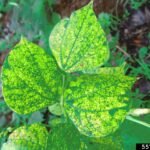 DiseaseBean yellow mosaicBean yellow mosaic virus
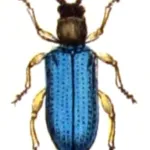 PestCereal leaf beetleOulema melanopus
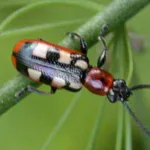 PestAsparagus BeetleCrioceris asparagi
Toxicity and pollen
Reliable cultivar-specific human toxicity data are limited. Canna is not generally treated as a highly poisonous ornamental, but plant material should not be eaten casually, and sap or debris can irritate sensitive skin or eyes. Keep rhizomes and foliage away from children and pets that chew plants, and seek professional advice after significant ingestion or a concerning reaction.
- Typical season
- During flowering, mainly June–October in much of the United States
- Pollination / pollen
- Limited insect-associated pollen; reported sterile or weakly fertile in this cultivar
Cannas are insect-pollinated flowering plants, and the named cultivar is reported in horticultural references as having sterile or very limited pollen. Even so, low airborne-pollen relevance should not be interpreted as zero allergy risk: flowers, leaves, dust, and plant handling can still bother sensitive individuals. Remove spent material carefully and avoid handling dusty debris near irritated eyes.
Native habitat
The cultivar itself has no wild native habitat; it is a cultivated garden selection derived from hybrid canna breeding. Cannas broadly come from tropical and subtropical regions and perform best in warm conditions, rich soils, strong light, and a long growing season. In the United States, winter behavior is governed more by local frost than by summer performance.
Interesting fact
This cultivar is associated with a historic sport or mutation of the red-flowered 'King Humbert'. Its flowers can show strikingly variable yellow, orange, and red patterning. Older references describe it as a green-leaved sport with large, freely produced flowers. Some historical accounts report occasional red-dominant reversions or shoots.
Frequently asked questions (FAQ)
The most relevant questions about this plant, with short and direct answers.
🌱Quick care
What is Canna 'Yellow King Humbert'?⌄
Canna 'Yellow King Humbert' is a medium-sized Italian Group canna cultivar with yellow flowers marked or flushed with red. It is a rhizomatous perennial grown for its tropical-looking foliage and summer-to-fall flower display.
How much sun does Canna 'Yellow King Humbert' need?⌄
Give Canna 'Yellow King Humbert' full sun for the strongest growth and best flowering, although it tolerates partial shade. Aim for at least 6 hours of direct sunlight where possible; too much shade can reduce flowers and weaken stems.
How often should I water Canna 'Yellow King Humbert'?⌄
Water Canna 'Yellow King Humbert' whenever the soil surface begins to dry, keeping the root zone evenly moist. It tolerates very moist conditions, but containers and heavy soils still need adequate drainage to prevent rhizome rot.
What soil is best for Canna 'Yellow King Humbert'?⌄
Plant Canna 'Yellow King Humbert' in fertile, rich soil that holds moisture while draining excess water. Improve poor ground with compost or other organic matter, but avoid locations where water remains stagnant around the rhizomes.
How tall does Canna 'Yellow King Humbert' get?⌄
Canna 'Yellow King Humbert' commonly reaches about 4 to 5 feet tall and spreads roughly 18 to 24 inches. Height varies with sun, fertility, moisture, climate, and whether it is grown in the ground or a container.
🌤️Environment and placement
Can Canna 'Yellow King Humbert' grow in partial shade?⌄
Yes, Canna 'Yellow King Humbert' can grow in partial shade, but full sun usually produces more flowers and sturdier stems. Morning sun or bright filtered light is preferable to dense shade, which may result in lanky growth and sparse blooming.
Is Canna 'Yellow King Humbert' hardy in the United States?⌄
Canna 'Yellow King Humbert' is reliably perennial outdoors only where its rhizomes remain protected from hard freezes. In colder U.S. climates, grow it as a summer plant and lift the rhizomes before severe frost.
What USDA zones can grow Canna 'Yellow King Humbert' outdoors?⌄
Canna 'Yellow King Humbert' can often overwinter outdoors in warmer USDA zones, commonly around Zones 8 through 11 with suitable protection. Gardeners in colder zones should lift and store the rhizomes because temperatures below about 25°F can cause serious damage.
Can Canna 'Yellow King Humbert' grow in wet soil?⌄
Canna 'Yellow King Humbert' handles consistently moist soil and can tolerate very wet conditions better than many ornamentals. It should not remain in cold, stagnant water, however, because poor drainage can cause rhizome decay.
Can Canna 'Yellow King Humbert' grow in a container?⌄
Yes, Canna 'Yellow King Humbert' grows well in a large container with fertile, moisture-retentive potting mix and drainage holes. Choose a heavy container to reduce tipping, and expect to water and feed more often than with plants in the ground.
💧Care and problems
How do I fertilize Canna 'Yellow King Humbert'?⌄
Feed Canna 'Yellow King Humbert' with compost or a balanced slow-release fertilizer during active growth. Container plants may need supplemental feeding, but avoid excessive nitrogen because it can encourage leaves at the expense of flowers.
Why is my Canna 'Yellow King Humbert' not flowering?⌄
The most common causes of poor flowering are insufficient sunlight, excessive nitrogen, drought, cool temperatures, or a recently divided rhizome. Move it toward full sun, keep it evenly moist, and allow a warm growing season before expecting heavy bloom.
Why are the leaves of Canna 'Yellow King Humbert' turning brown?⌄
Brown leaves on Canna 'Yellow King Humbert' usually indicate drought stress, heat or wind damage, leaf scorch, pests, disease, or normal late-season decline. Check soil moisture and the undersides of leaves, and remove badly damaged foliage if the problem spreads.
What pests attack Canna 'Yellow King Humbert'?⌄
Canna 'Yellow King Humbert' may be attacked by caterpillars, including canna leaf rollers, as well as aphids, spider mites, and thrips. Inspect folded leaves and new growth regularly, remove affected foliage, and use a labeled treatment only when necessary.
Should I cut back Canna 'Yellow King Humbert' after flowering?⌄
Remove spent flower clusters from Canna 'Yellow King Humbert' to improve appearance and redirect energy toward continued growth. Cut stems to the ground after frost blackens the foliage, especially when preparing rhizomes for winter storage.
Does Canna 'Yellow King Humbert' spread aggressively?⌄
Canna 'Yellow King Humbert' can expand into broad clumps because its rhizomes produce offsets readily, but it is generally manageable by lifting and dividing the crown. In warm climates, inspect the planting periodically so it does not outgrow its allotted space.
🪴Planting and repotting
When should I plant Canna 'Yellow King Humbert' rhizomes?⌄
Plant Canna 'Yellow King Humbert' rhizomes in spring after the danger of hard frost has passed and the soil has warmed to roughly 60°F. Earlier planting is possible indoors, but cold, wet soil can delay growth or encourage rot.
How deep should I plant Canna 'Yellow King Humbert' rhizomes?⌄
Plant Canna 'Yellow King Humbert' rhizomes horizontally about 3 to 4 inches deep, with the growing points facing upward when identifiable. Space them roughly 18 to 24 inches apart, allowing room for the clump to expand.
Can I start Canna 'Yellow King Humbert' indoors before spring?⌄
Yes, start Canna 'Yellow King Humbert' indoors several weeks before your local last frost date to gain an earlier season. Keep the rhizome warm and lightly moist, then acclimate the plant gradually before moving it outdoors.
How do I repot Canna 'Yellow King Humbert'?⌄
Repot Canna 'Yellow King Humbert' when the rhizomes fill the container or active growth begins. Use a container only moderately larger than the root mass, set the rhizome at its previous depth, water thoroughly, and resume feeding after new growth appears.
✂️Propagation and pruning
How do I propagate Canna 'Yellow King Humbert'?⌄
Propagate Canna 'Yellow King Humbert' by dividing its rhizomatous crown or by separating naturally formed offsets. Each division should retain healthy roots and at least one strong growing point; division preserves the cultivar more reliably than seed.
Can Canna 'Yellow King Humbert' be grown from seed?⌄
Seed is not the dependable way to reproduce Canna 'Yellow King Humbert' because this cultivar is reported to have sterile seed and pollen. Use rhizome division for plants that retain the characteristic yellow-and-red flowers and foliage.
When is the best time to divide Canna 'Yellow King Humbert'?⌄
Divide Canna 'Yellow King Humbert' in spring just before active growth or when bringing stored rhizomes back into growth. Make divisions large enough to include healthy roots and several growing points, then keep them warm and evenly moist.
How do I overwinter Canna 'Yellow King Humbert' rhizomes?⌄
After frost damages the foliage, cut the stems back, lift the rhizomes, and let them dry briefly before storing them in a cool, dark, frost-free place. Pack them loosely in barely moist peat, vermiculite, or similar material and check periodically for rot.
Do I need to dig up Canna 'Yellow King Humbert' every winter?⌄
Dig up Canna 'Yellow King Humbert' if your ground freezes deeply or winter temperatures may fall below about 25°F. In mild climates where the soil stays reliably above that threshold, a thick mulch may allow the rhizomes to remain outdoors.
⚠️Toxicity and safety
Is Canna 'Yellow King Humbert' poisonous to dogs or cats?⌄
The cultivar-specific toxicity of Canna 'Yellow King Humbert' is not clearly established, so do not allow pets or children to eat its leaves, flowers, or rhizomes. Contact a veterinarian or poison-control service if ingestion causes symptoms or if a large amount was consumed.
Can humans eat Canna 'Yellow King Humbert' rhizomes?⌄
Do not eat Canna 'Yellow King Humbert' rhizomes or other parts unless their identity and food safety have been independently confirmed. Some Canna species are used as food plants, but that does not establish this ornamental cultivar as safe to consume.
🌸Flowering and special interest
When does Canna 'Yellow King Humbert' bloom?⌄
Canna 'Yellow King Humbert' generally blooms during summer and may continue into early fall when warmth, moisture, and sunlight are adequate. Deadheading spent flower clusters can help maintain a longer, cleaner display.
What do Canna 'Yellow King Humbert' flowers look like?⌄
Canna 'Yellow King Humbert' produces large, open yellow flowers marked or flushed with red, often on tall upright stems. Color patterns can vary, with some blooms showing heavier red markings than others.
What foliage does Canna 'Yellow King Humbert' have?⌄
Canna 'Yellow King Humbert' usually has broad green, oval leaves that may show purple markings or develop more extensive purple coloration. Foliage variation is part of the cultivar’s distinctive appearance and may differ between shoots.
Similar plants
 Yellow lantern chili (Capsicum chinense) care guideCapsicum chinense
 Capsicum baccatum care guideCapsicum baccatum
 Serrano (Capsicum annuum ‘Serrano’)Capsicum annuum 'Serrano'
 Purple Beauty (Capsicum annuum ‘Purple Beauty’)Capsicum annuum 'Purple Beauty'
 Numex Twilight (Capsicum annuum ‘Numex Twilight’)Capsicum annuum 'Numex Twilight'
 Explosive Ember Chili Pepper (Capsicum annuum ‘Explosive Ember’)Capsicum annuum 'Explosive Ember'