
 Source:
 Canna ‘Tropicanna’ short overview
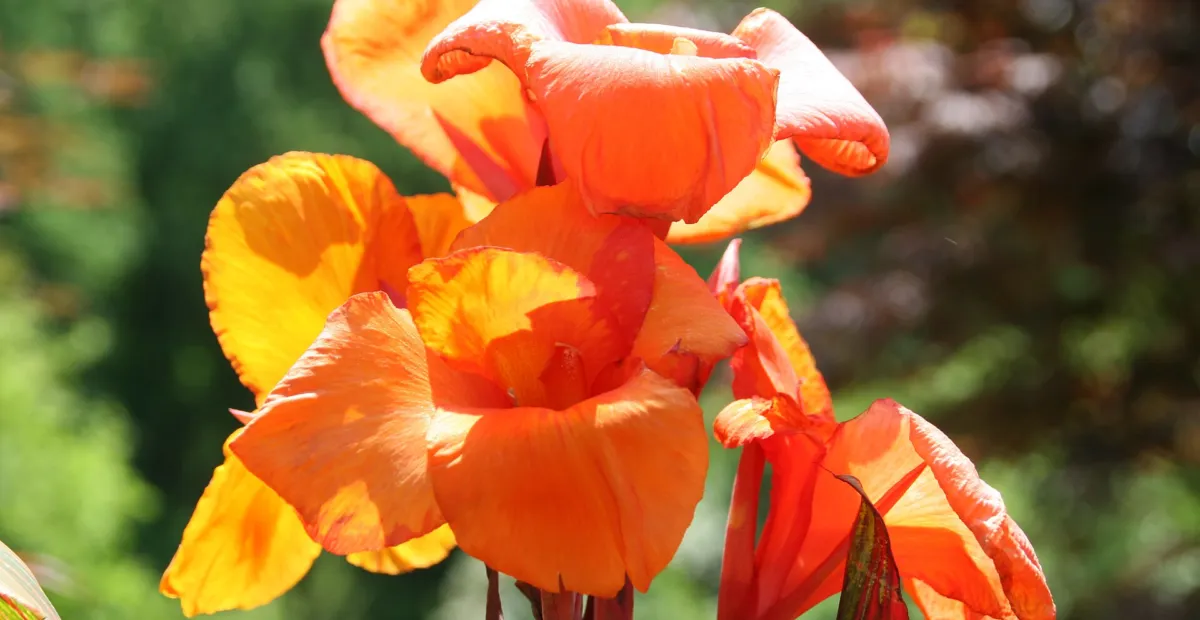
Canna 'Tropicanna' is a striking canna cultivar grown for its vividly striped foliage as much as for its flowers. Broad leaves combine bronze, green, pink, red, and orange tones, while upright stems carry bright orange blooms in summer. It performs best in full sun with fertile, consistently moist but well-drained soil. In cold-winter regions, grow it in a large container or lift the rhizomes after frost and store them dormant indoors.
Taxonomic classification
Canna ‘Tropicanna’ care guide
Light and placement
Give full sun for the strongest flowering and most vivid foliage, ideally with at least 6 hours of direct light. A south- or west-facing bed is suitable where summer heat is not extreme; light afternoon shade can protect leaves in hot inland climates. Too little light produces weaker stems and fewer flowers, while harsh reflected heat combined with drought can scorch leaf edges.
Watering and humidity
Water deeply when the upper inch of soil begins to dry, keeping the root zone consistently moist during active growth. Container plants may need water daily during hot weather, while established beds usually need less frequent but thorough irrigation. Reduce watering after frost and during dormant storage. Good drainage remains essential even though cannas appreciate abundant moisture.
Soil and growing medium
Use fertile, humus-rich soil that holds steady moisture without becoming stagnant. A loam amended with compost is suitable, while heavy compacted clay should be improved for drainage. Cannas tolerate wet conditions better than many ornamentals, but poorly drained winter soil can cause rhizome rot. A slightly acidic to neutral soil reaction is suitable.
Feeding
Feed after growth begins in spring with compost or a balanced slow-release fertilizer. Container plants and heavily flowering specimens may benefit from a second light feeding in midsummer, following the product label. Water after applying granular fertilizer. Do not fertilize dormant, lifted rhizomes or cold, waterlogged plants, because growth is inactive and rot risk is higher.
Growth and habit
This is a vigorous, clump-forming perennial that produces new upright shoots from underground rhizomes during warm weather. Growth is fastest in heat with ample moisture and fertility. Remove declining foliage promptly and divide crowded clumps every few years if vigor or spacing becomes uneven. In cold climates, growth stops after frost and the rhizomes require dormancy protection.
Planting and repotting
Plant outdoors after the danger of hard frost has passed and the soil has warmed. Set rhizomes about 2–4 inches deep with the growing points facing upward, then water thoroughly. Allow roughly 24–36 inches between plants for a substantial clump, or use closer spacing for a mass display with increased attention to airflow.
Repot container-grown plants in spring as growth resumes, using a heavy, wide container with drainage holes and fresh, fertile potting mix. If the rhizomes have filled the pot, divide them before replanting. Large containers are more stable for the tall foliage and reduce wind tipping.
Propagation and pruning
Propagation
Propagate by dividing the rhizomes in spring before active outdoor growth. Each division should retain at least one healthy bud or shoot and a firm section of rhizome. Allow freshly cut surfaces to dry briefly before planting if they are wet or damaged. Seed is not the reliable method for preserving this cultivar's distinctive foliage.
Pruning
Remove spent flower spikes and damaged leaves at the base to keep the clump tidy. After frost blackens the foliage, cut the plant back before lifting the rhizomes or after the clump has naturally entered dormancy. Sterilize cutting tools between plants when disease is suspected.
Overwintering
In Zones 7–11, a deep mulch may protect rhizomes in sheltered sites, but hardiness is site-dependent. In colder regions, cut back after frost, lift rhizomes before severe freezing, and let them dry briefly. Store them in barely moist peat, vermiculite, or similar packing material in a cool, dark, frost-free place, checking periodically for rot or shriveling.
Uses
Use as a bold bedding plant, tropical-style border accent, focal specimen, or large-container plant. The tall stems and vivid flowers can contribute to seasonal cut-flower displays, although flower longevity varies with handling. Its colorful foliage is especially effective when backlit. It is ornamental rather than a recommended culinary or medicinal plant.
Appearance
The plant has erect, cane-like stems wrapped in large paddle-shaped leaves. The original Tropicanna form is recognized by dramatic longitudinal striping in bronze, green, pink, red, orange, and cream tones, with reddish stems and bright orange flowers. Leaf color can vary with light, temperature, plant maturity, and occasional reversion toward less-variegated growth.
Flowering
Flower spikes rise above the foliage in summer and may continue into early fall when plants receive warmth, moisture, and adequate nutrition. The original Tropicanna form has vivid orange flowers, while the foliage remains a major ornamental feature even before flowering. Deadheading spent flower clusters can improve appearance and may encourage continued production of new spikes.
Pollination and visitors
Canna flowers are commonly visited by hummingbirds and other flower visitors in regions where cannas are grown. The large, brightly colored blooms and accessible nectar-bearing floral structures can provide seasonal ornamental wildlife interest, although visitor activity varies with climate and surrounding habitat.
Canna 'Tropicanna' photos
Click any photo for a larger view. Source, author and license are shown separately.
Diseases and pests
Diseases
The main risks are rhizome rot in stagnant soil, leaf spots, rust, bacterial blight, and aster yellows. Prevent problems with clean planting material, good drainage, adequate spacing, and removal of badly affected leaves. Discard plants showing persistent aster-yellows symptoms rather than composting them. Avoid overhead irrigation late in the day when foliar disease is active.
Pests
Caterpillars, leaf rollers, Japanese beetles, slugs, and snails may chew the foliage. Inspect new leaves and rolled leaf margins regularly. Hand-pick larger pests, remove rolled leaves containing larvae, and use barriers or targeted controls for slugs and snails. Encourage airflow and avoid unnecessary broad-spectrum insecticides, especially while flowers are open.
Related diseases and pests
Only Plant Doctor profiles whose host data indicate this plant may be affected are shown here.
 PestCitrus mealybugPlanococcus citri
 DiseaseAster yellows‘Candidatus Phytoplasma asteris’
 PestJapanese beetlePopillia japonica
 DiseaseLate blightPhytophthora infestans
 DiseaseBacterial blight of geraniumXanthomonas hortorum pv. pelargonii
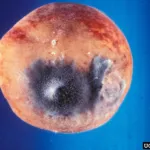 DiseaseRhizopus soft rotRhizopus stolonifer
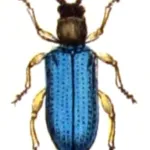 PestCereal leaf beetleOulema melanopus
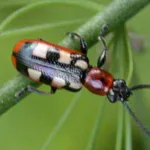 PestAsparagus BeetleCrioceris asparagi
Toxicity and pollen
ASPCA lists canna lily as non-toxic to dogs and cats. Specific human toxicity data for this cultivar are limited, so normal precautions still apply: do not encourage children or pets to chew ornamental plant material, and seek professional advice after an unexpected ingestion or concerning symptoms. The plant is not a recognized food crop in this profile.
- Typical season
- During summer flowering
- Pollination / pollen
- Heavy, animal-transferred pollen; limited airborne dispersal
Cannas are animal-pollinated rather than typical wind-pollinated allergen sources, so pollen is not generally expected to become abundant airborne garden dust. Cultivar-specific allergen studies are limited, and sensitive individuals can still react to plant material or direct floral contact. Avoid making allergy assumptions for a particular person.
Native habitat
The cultivar itself is a cultivated horticultural selection, not a wild native population. Its Canna background reflects tropical and subtropical herbaceous plants adapted to warm conditions, bright light, fertile soils, and reliable moisture. Garden cannas can tolerate damp planting sites, but cultivated rhizomes remain vulnerable to prolonged cold and stagnant winter water.
Interesting fact
The cultivar is widely marketed under the name Tropicanna but is also associated with the statutory cultivar name 'Phasion'. Its foliage can display green, bronze, pink, red, orange, and cream-toned striping. The leaves are often dramatic enough that some gardeners remove flower spikes to emphasize the foliage. Cannas are rhizomatous plants, not true bulbs.
Frequently asked questions (FAQ)
The most relevant questions about this plant, with short and direct answers.
🌱Quick care
How do you care for Canna 'Tropicanna'?⌄
Grow Canna 'Tropicanna' in full sun to partial shade, fertile moisture-retentive soil, and keep it evenly moist. Provide good drainage and protect the rhizomes from freezing temperatures.
Is Canna 'Tropicanna' a perennial or an annual?⌄
Canna 'Tropicanna' is a frost-tender herbaceous perennial grown from rhizomes. It can remain outdoors year-round in mild climates, but gardeners in colder areas usually lift and store the rhizomes or grow it as an annual.
🌤️Environment and placement
How much sun does Canna 'Tropicanna' need?⌄
Canna 'Tropicanna' performs best in full sun, although it tolerates partial shade. More sunlight generally produces stronger growth, brighter foliage, and better flowering.
Can Canna 'Tropicanna' grow in shade?⌄
Canna 'Tropicanna' can grow in partial shade, but it may become less vigorous and produce fewer flowers. Choose a site with several hours of direct sunlight whenever possible.
What USDA zones can grow Canna 'Tropicanna'?⌄
Canna 'Tropicanna' is most reliably overwintered outdoors in USDA Zones 7 through 10, with protection varying by local conditions. In colder zones, lift the rhizomes before hard freezes and store them indoors.
Can Canna 'Tropicanna' grow in containers?⌄
Yes, Canna 'Tropicanna' grows well in large containers filled with fertile, well-drained potting mix. Use a sturdy pot with drainage holes because mature plants become tall and top-heavy.
Can Canna 'Tropicanna' grow near a pond or in very wet soil?⌄
Canna 'Tropicanna' prefers evenly moist soil and can tolerate consistently damp conditions, but the rhizomes should not remain in stagnant, poorly drained soil. Excessive winter wetness increases the risk of rhizome rot.
💧Care and problems
How often should you water Canna 'Tropicanna'?⌄
Water Canna 'Tropicanna' whenever the surface of the soil begins to dry so the root zone stays evenly moist. Container plants and plants in hot, sunny locations may need watering more frequently.
What is the best soil for Canna 'Tropicanna'?⌄
Use fertile, humus-rich, moisture-retentive soil that still drains freely. Improve poor soil with organic matter, but avoid sites where water remains pooled around the rhizomes.
Does Canna 'Tropicanna' need fertilizer?⌄
Canna 'Tropicanna' benefits from regular feeding during active growth because it produces substantial foliage and flowers. Apply a balanced or flowering-plant fertilizer according to the product label, and water well after feeding.
Why are the leaves of my Canna 'Tropicanna' turning brown?⌄
Brown leaves can result from drought, scorching sun after stress, wind damage, pests, or disease. Keep the soil evenly moist, remove badly damaged foliage, and inspect leaves for chewing, spotting, rust, or distorted new growth.
Why is my Canna 'Tropicanna' not flowering?⌄
Insufficient sunlight, recently planted rhizomes, drought, cool weather, or excessive nitrogen can reduce flowering. Move container plants into brighter light, maintain steady moisture, and allow time for the rhizomes to establish.
What pests attack Canna 'Tropicanna'?⌄
Canna 'Tropicanna' may be chewed by Japanese beetles, caterpillars, leaf rollers, slugs, and snails, while aphids and mites can also occur. Check the undersides of leaves and emerging flower buds regularly so problems can be addressed early.
Why are holes appearing in Canna 'Tropicanna' leaves?⌄
Holes are commonly caused by caterpillars, leaf rollers, Japanese beetles, slugs, or snails. Inspect the foliage at dusk and look for webbing, frass, slime trails, or visible insects before choosing a control method.
Can overwatering kill Canna 'Tropicanna'?⌄
Yes, constantly waterlogged soil can cause Canna 'Tropicanna' rhizomes to rot even though the plant needs consistent moisture. Water regularly but provide drainage, especially during cool weather and winter storage.
🪴Planting and repotting
When should you plant Canna 'Tropicanna' rhizomes?⌄
Plant Canna 'Tropicanna' rhizomes outdoors in spring after the danger of frost has passed and the soil has warmed. In colder regions, start them indoors several weeks earlier and transplant them after hardening off.
How deep should Canna 'Tropicanna' rhizomes be planted?⌄
Plant Canna 'Tropicanna' rhizomes about 4 to 6 inches deep, with the growing points facing upward. Space them roughly 18 to 24 inches apart to allow the clumps to expand.
How far apart should Canna 'Tropicanna' plants be spaced?⌄
Space Canna 'Tropicanna' plants about 18 to 24 inches apart for a full display without excessive crowding. Allow additional room around containers or large established clumps because the foliage can spread widely.
Can you plant Canna 'Tropicanna' in the ground after buying it in a pot?⌄
Yes, transplant potted Canna 'Tropicanna' after the last expected spring frost. Keep the root ball intact, set the plant at the same depth it was growing, and maintain even moisture while it establishes.
✂️Propagation and pruning
How do you propagate Canna 'Tropicanna'?⌄
Propagate Canna 'Tropicanna' primarily by dividing its rhizomes in spring before active outdoor growth begins. Separate sections with healthy growing points and replant them promptly in fertile, moist, well-drained soil.
Can Canna 'Tropicanna' be grown from seed?⌄
Canna 'Tropicanna' is generally propagated by rhizome division rather than seed because named cultivars may produce little seed or seedlings that do not come true to the parent. Division preserves the cultivar’s foliage and flower characteristics.
When should you divide Canna 'Tropicanna' rhizomes?⌄
Divide Canna 'Tropicanna' rhizomes in spring just before replanting or when new shoots begin to emerge. Each division should include a firm piece of rhizome and at least one viable bud or growing point.
Should you cut back Canna 'Tropicanna' after flowering?⌄
Remove spent flower clusters and cut each finished flowering stem back to the base to encourage additional shoots and keep the plant tidy. Do not remove healthy leaves during the growing season unless they are damaged or diseased.
How do you overwinter Canna 'Tropicanna' rhizomes?⌄
After frost blackens the foliage, cut the plant back, lift the rhizome clump, and let excess soil dry from the surface. Store the rhizomes in barely moist peat, vermiculite, or similar medium in a cool, dark, frost-free place, ideally above 40°F.
Can Canna 'Tropicanna' stay in the ground over winter?⌄
Canna 'Tropicanna' can usually remain in the ground in mild areas where the soil does not freeze deeply, especially with protective mulch. In colder USDA Zones or wet winter sites, lifting the rhizomes is the safer option.
How do you overwinter potted Canna 'Tropicanna'?⌄
After growth dies back, cut the stems down and move the container to a cool, frost-free location, or remove and store the rhizomes separately. Keep the dormant medium only slightly moist and avoid frequent watering that could cause rot.
⚠️Toxicity and safety
Is Canna 'Tropicanna' toxic to dogs?⌄
Canna 'Tropicanna' is considered non-toxic to dogs according to the ASPCA listing for canna lily. Even non-toxic plant material can cause mild stomach upset if eaten in large quantities.
Is Canna 'Tropicanna' toxic to cats?⌄
Canna 'Tropicanna' is considered non-toxic to cats according to the ASPCA listing for canna lily. It is not the same type of lily as true lilies, which can cause severe poisoning in cats.
🌸Flowering and special interest
When does Canna 'Tropicanna' bloom?⌄
Canna 'Tropicanna' typically flowers from mid to late summer into early fall when grown in warm conditions. The exact timing depends on planting date, sunlight, temperature, and how quickly the rhizomes establish.
What color are Canna 'Tropicanna' flowers?⌄
Canna 'Tropicanna' produces bright orange flowers above striped, bronze-red, green, and orange foliage. Flower color and intensity can vary somewhat with growing conditions and plant maturity.
Does Canna 'Tropicanna' attract hummingbirds?⌄
Yes, the bright flowers of Canna 'Tropicanna' can attract hummingbirds and other flower-visiting pollinators. Plant it in a sunny location where the blooms are easy to see and access.
How tall does Canna 'Tropicanna' get?⌄
Canna 'Tropicanna' commonly reaches about 4 to 6 feet tall when flowering, with a spread of roughly 2 to 3 feet. Height varies with climate, fertility, container size, and length of the growing season.
Similar plants
 Foxtail Palm (Wodyetia bifurcata) care guideWodyetia bifurcata
 He Mexican fan palm (Washingtonia robusta) care guideWashingtonia robusta
 He California fan palm (Washingtonia filifera) care guideWashingtonia filifera
 Veitchia arecina care guideVeitchia arecina
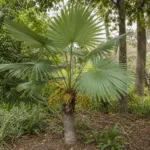 Trachycarpus latisectus care guideTrachycarpus latisectus
 He Chusan palm (Trachycarpus fortunei) care guideTrachycarpus fortunei