Source:
 Canna lily (Canna ‘Australia’) short overview
Canna 'Australia' is a bold, upright canna cultivar with lush glossy foliage in deep purple-burgundy shades and showy orange-red flowers held above the leaves. It grows from rhizomes and performs best in full sun, rich soil, and consistent moisture. In colder parts of the United States, lift and store the rhizomes after frost or grow the plant in a container that can be protected indoors. Canna 'Australia' is a garden-origin canna cultivar grown for its upright habit, glossy dark purple foliage, and vivid orange-red flowers.
Taxonomic classification
Canna lily (Canna ‘Australia’) care guide
Light and placement
Give full sun, ideally six or more hours of direct light, with a south- or west-facing exposure. Sheltered beds, warm walls, and sunny patios help maximize flowering. In too little light, stems may become weak and flowering sparse; harsh reflected heat can scorch leaves if the plant is not adequately watered.
Watering and humidity
Water deeply whenever the upper soil surface begins to dry, keeping the root zone consistently moist during active growth. Container plants may need watering daily in hot weather. Reduce watering after frost and during dormant rhizome storage, but never allow stored rhizomes to become wet or waterlogged. Extra humidity is not required outdoors.
Soil and growing medium
Use fertile, moisture-retentive soil that still drains freely. A loam amended with compost is ideal. Cannas tolerate a range from slightly acidic to slightly alkaline soil, but stagnant winter moisture can rot the rhizomes. In containers, use a rich but open potting mix with dependable drainage.
Feeding
At planting, incorporate compost or a balanced slow-release fertilizer into the soil. During active growth, feed every 4–6 weeks with a balanced fertilizer at the label rate, especially in containers or nutrient-poor soil. Stop routine feeding as growth slows in fall. Avoid heavy nitrogen excess, which can produce lush foliage with weaker flowering.
Growth and habit
This cultivar forms an upright clump of vigorous leafy stems from branching rhizomes. It fills space quickly in warm weather and may spread gradually as the rhizome system expands. Remove spent flower stems and cut the top growth down after frost, while allowing the rhizomes to mature before winter storage.
Planting and repotting
Plant outdoors after the danger of hard frost has passed and the soil has warmed. Set rhizomes about 4–6 inches deep with growing points facing upward. Allow roughly 12–24 inches between plants for a dense display, or more space where maximum airflow is desired. Water thoroughly after planting and keep evenly moist while shoots establish.
Repot container-grown plants in spring as new shoots emerge, moving them into a pot only modestly larger than the rhizome mass. Refresh exhausted mix and check that drainage holes remain clear. Divide crowded rhizomes at the same time if several vigorous buds are present.
Propagation and pruning
Propagation
Divide rhizomes in spring when new growth begins. Each division should retain at least one strong bud or eye and a healthy section of rhizome. Replant immediately or keep divisions barely moist until planting. Seed may not reproduce the parent cultivar consistently and is not the preferred method for maintaining 'Australia'.
Pruning
Deadhead fading flower clusters to maintain a clean display and encourage continued flowering. After the first hard frost, cut stems and foliage to the ground. In frost-free climates, remove damaged leaves as needed and thin crowded growth in spring rather than repeatedly cutting healthy foliage.
Overwintering
In USDA Zones 7–10, a deep mulch may protect rhizomes in a sheltered, well-drained site, though severe freezes can still cause losses. In colder areas, cut stems after frost, lift rhizomes, let them surface-dry briefly, and store them in barely dry peat, vermiculite, or similar medium at about 40–50°F. Replant after spring frost.
Uses
Use 'Australia' for dramatic summer borders, tropical-style plantings, large containers, pool surrounds, pond margins, and cut flowers. Its upright form and dark foliage work well as a seasonal screen or background plant. Do not treat it as a food or medicinal plant without authoritative identification and preparation guidance.
Appearance
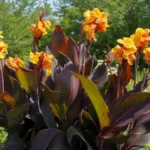
The plant has erect, cane-like stems wrapped in large sheathing leaves. 'Australia' is distinguished by glossy foliage ranging from deep purple to burgundy and by contrasting orange-red flower clusters carried above the leaves. The foliage is deciduous and dies back after frost, while the rhizome remains dormant below ground.
Flowering
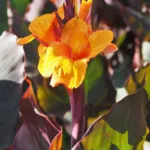
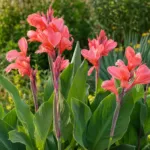
Large orange-red flowers are produced in terminal clusters on erect flowering stems, generally from midsummer into early fall in much of the United States. Removing faded flowers can improve the display and encourage additional blooms. Flowering is strongest when plants receive abundant sun, warmth, moisture, and nutrition.
Pollination and visitors
Canna flowers can provide nectar and pollen resources for bees, bumblebees, butterflies, and hummingbirds or other nectar-feeding birds, depending on regional fauna and flower accessibility. Visitor activity is generally greatest in warm, sunny weather. Evidence is stronger for Canna cultivars as a group than for this individual cultivar.
Canna 'Australia' photos
Click any photo for a larger view. Source, author and license are shown separately.
Diseases and pests
Diseases
Canna rust, mosaic viruses, aster yellows, and bud or rhizome rot can occur. Reduce risk with healthy planting stock, good spacing, full sun, and irrigation directed at the soil rather than the foliage. Remove badly infected leaves or plants promptly; discard virus-affected plants rather than propagating them.
Pests
Japanese beetles, slugs, snails, caterpillars, and occasionally sap-feeding insects may damage foliage or buds. Inspect new growth regularly, remove larger pests by hand, improve airflow, and avoid unnecessary broad-spectrum insecticides. Canna leafroller caterpillars can roll or tie leaves and may be controlled by removing affected leaves or using a labeled treatment when needed.
Related diseases and pests
Only Plant Doctor profiles whose host data indicate this plant may be affected are shown here.
 DiseaseAster yellows‘Candidatus Phytoplasma asteris’
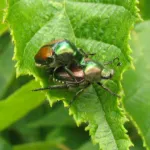 PestJapanese beetlePopillia japonica
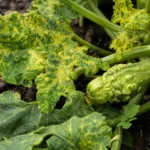 DiseaseZucchini yellow mosaicZucchini yellow mosaic virus
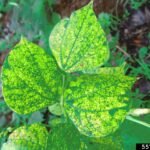 DiseaseBean yellow mosaicBean yellow mosaic virus
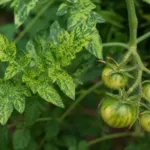 DiseaseTomato mosaic virusTobamovirus tomatotessellati
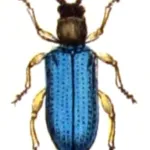 PestCereal leaf beetleOulema melanopus
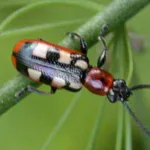 PestAsparagus BeetleCrioceris asparagi
 DiseaseTobacco mosaic virusTobamovirus tabaci
Toxicity and pollen
ASPCA lists canna lily as non-toxic to dogs and cats. This does not mean plant material is edible or that large quantities cannot cause minor stomach upset. Avoid deliberate consumption, supervise children and pets that chew plants, and seek medical or veterinary advice if significant material is swallowed or symptoms occur.
- Typical season
- Summer to early fall
- Pollination / pollen
- Heavy, animal-dispersed pollen
Cannas are primarily animal-pollinated, so their pollen is not typically released in the large airborne quantities associated with wind-pollinated trees and grasses. Specific clinical allergy data for Canna 'Australia' are scarce; sensitive people should still avoid direct contact with flowers or pollen if symptoms occur.
Native habitat
Cannas are cultivated tropical and subtropical rhizomatous plants associated with warm climates, fertile soils, and reliable moisture. Garden hybrids such as 'Australia' are not native wild plants and should be understood as horticultural selections. They perform best where summers are long and warm, with protection from prolonged freezing.
Interesting fact
The cultivar is maintained in botanical garden collections under the name Canna 'Australia'. Its dark foliage provides strong contrast even before flowering. Cannas are not true lilies; they belong to Cannaceae and arise from thick underground rhizomes. The flowers have showy petal-like staminodes rather than a typical lily flower structure.
Frequently asked questions (FAQ)
The most relevant questions about this plant, with short and direct answers.
🌱Quick care
How do you care for Canna 'Australia'?⌄
Grow Canna 'Australia' in full sun, rich moist but well-drained soil, and keep the soil consistently moist during active growth. Feed periodically during the growing season and protect or lift the frost-tender rhizomes before freezing weather.
Is Canna 'Australia' a perennial or an annual?⌄
Canna 'Australia' is a rhizomatous perennial in warm climates, but it is often grown as an annual where winter freezes can damage the rhizomes. In colder areas, lift and store the rhizomes for replanting in spring.
How big does Canna 'Australia' get?⌄
Canna 'Australia' commonly grows about 4–5 feet tall and 1.5–2 feet wide. Its upright habit, dark foliage, and red flowers make it useful as a bold background or container plant.
🌤️Environment and placement
How much sun does Canna 'Australia' need?⌄
Canna 'Australia' performs best in full sun, ideally with at least 6 hours of direct sunlight daily. Some shade is tolerated, but insufficient light can reduce flowering and make the plant less vigorous.
What USDA hardiness zones can grow Canna 'Australia' outdoors year-round?⌄
Canna 'Australia' is generally listed as reliably hardy outdoors in USDA Zones 7–10 when the soil does not remain frozen. In colder zones, grow it as an annual or lift the rhizomes before the first hard freeze.
Can Canna 'Australia' grow in partial shade?⌄
Canna 'Australia' can grow in partial shade, but full sun produces the strongest growth, best foliage color, and most flowers. Choose a site with morning or afternoon sun rather than dense shade.
Can Canna 'Australia' grow in wet soil?⌄
Canna 'Australia' tolerates consistently moist soil and can handle wetter garden locations better than many ornamentals. The soil should still drain reasonably well because stagnant, oxygen-poor conditions can encourage rhizome rot.
Is Canna 'Australia' suitable for containers?⌄
Canna 'Australia' grows well in large containers placed in full sun. Use a rich, well-drained potting mix, keep it evenly moist, and choose a heavy container that will not tip as the plant reaches several feet tall.
💧Care and problems
How often should you water Canna 'Australia'?⌄
Water Canna 'Australia' whenever the soil surface begins to dry, keeping the root zone consistently moist during warm weather. Container plants and plants in hot, windy locations may need water more frequently than those growing in the ground.
What soil is best for Canna 'Australia'?⌄
The best soil for Canna 'Australia' is rich, moisture-retentive but well-drained loam amended with compost or other organic matter. Avoid very dry, infertile soil and locations where water remains stagnant around the rhizomes.
Should you fertilize Canna 'Australia'?⌄
Yes, fertilize Canna 'Australia' during active growth with a balanced fertilizer according to the product label. Regular feeding supports its rapid growth and flowering, especially when the plant is grown in a container or poor soil.
Why are the leaves of my Canna 'Australia' turning yellow?⌄
Yellow leaves on Canna 'Australia' may result from natural seasonal dieback, overwatering, drought, poor nutrition, or insufficient light. Check soil moisture and drainage first, then remove fully damaged leaves and correct the growing conditions.
Why is Canna 'Australia' not flowering?⌄
Canna 'Australia' may fail to flower because it receives too little sun, is stressed by drought, has been recently planted, or is receiving excessive nitrogen. Give it full sun, consistent moisture, and a balanced feeding program during the growing season.
What pests attack Canna 'Australia'?⌄
Canna 'Australia' can be affected by aphids, slugs, snails, spider mites, and canna leaf rollers. Inspect new growth and the undersides of leaves regularly, and use the least-toxic control appropriate for the pest.
How do you treat holes or rolled leaves on Canna 'Australia'?⌄
Holes, shredded foliage, or rolled leaves on Canna 'Australia' may indicate caterpillars such as canna leaf rollers. Remove badly affected leaves, check inside rolled foliage for larvae, and follow the label directions for a suitable control if damage is extensive.
Does Canna 'Australia' need deadheading?⌄
Deadheading is not essential, but removing spent flowers and developing seed pods keeps Canna 'Australia' looking tidy and may encourage continued blooming. Cut the faded flower stalk back to a healthy point without damaging nearby new growth.
🪴Planting and repotting
When should you plant Canna 'Australia' rhizomes?⌄
Plant Canna 'Australia' rhizomes in spring after the danger of hard frost has passed and the soil has begun to warm. In colder regions, starting rhizomes indoors several weeks earlier can extend the flowering season.
How deep should Canna 'Australia' rhizomes be planted?⌄
Plant Canna 'Australia' rhizomes about 4–6 inches deep with the growing eyes facing upward when visible. Space them approximately 18–24 inches apart to allow the clumps to expand without overcrowding.
Can you plant Canna 'Australia' in the ground?⌄
Yes, plant Canna 'Australia' in the ground in a sunny bed with rich, consistently moist, well-drained soil. Select a sheltered location because strong winds can damage its large leaves and tall stems.
How do you overwinter Canna 'Australia' in cold climates?⌄
After frost blackens the foliage, cut Canna 'Australia' back to the ground and dig the rhizome clump before the soil freezes. Store it in barely moist peat or vermiculite in a cool, dry place that stays above about 40°F, checking occasionally for shriveling or rot.
Can Canna 'Australia' stay in the ground over winter?⌄
Canna 'Australia' can remain in the ground in mild, frost-free areas or well-drained USDA Zones 7–10, with protection where needed. In colder or poorly drained sites, lifting the rhizomes is safer than relying on mulch alone.
How do you grow Canna 'Australia' in a pot?⌄
Grow Canna 'Australia' in a large, stable container filled with rich, well-drained potting mix. Place it in full sun, water whenever the mix begins to dry, and overwinter the rhizome indoors if freezing temperatures are expected.
✂️Propagation and pruning
How do you propagate Canna 'Australia'?⌄
Propagate Canna 'Australia' primarily by dividing its rhizomes in spring. Separate sections that contain at least one healthy growing eye, then plant them horizontally with the eyes facing upward.
Can Canna 'Australia' be grown from seed?⌄
Canna 'Australia' may produce viable seed, but seed-grown plants may not reproduce the parent cultivar exactly. Division of the rhizomes is the preferred method when you want plants identical to the named cultivar.
When should you divide Canna 'Australia'?⌄
Divide Canna 'Australia' rhizomes in early spring, just before new shoots begin active growth. This timing allows each division to establish quickly during the growing season.
Should Canna 'Australia' be cut back in winter?⌄
Cut Canna 'Australia' to the ground after the first frost has killed the foliage or when the plant naturally goes dormant. In frost-free climates, remove old stems and leaves as needed while protecting the rhizomes from excess winter moisture.
Does Canna 'Australia' need pruning?⌄
Canna 'Australia' needs little routine pruning beyond removing spent flowers, damaged leaves, and old stems. Hard cutting back is mainly a seasonal cleanup step before winter dormancy or rhizome storage.
⚠️Toxicity and safety
Is Canna 'Australia' toxic to dogs and cats?⌄
Canna 'Australia' is generally considered non-toxic to dogs and cats. Pets may still experience stomach upset if they eat large quantities of plant material, so contact a veterinarian if concerning symptoms develop.
Is Canna 'Australia' safe to grow around children?⌄
Canna 'Australia' is generally grown as a non-toxic ornamental, but children should not be encouraged to eat its leaves, flowers, or rhizomes. Normal garden supervision is appropriate, especially because plant material can still cause mild digestive upset if swallowed.
🌸Flowering and special interest
When does Canna 'Australia' bloom?⌄
Canna 'Australia' typically blooms from midsummer into early fall, often around July through September in temperate parts of the United States. The flowering period varies with planting date, temperature, sunlight, and frost.
What color are the flowers of Canna 'Australia'?⌄
Canna 'Australia' produces vivid red flowers above dark purple to bronze foliage. The contrast between the red blooms and deep foliage is one of the cultivar’s main ornamental features.
How long does Canna 'Australia' take to flower after planting?⌄
Canna 'Australia' commonly flowers within the first growing season when planted early in warm soil and given full sun, moisture, and adequate nutrition. Rhizome size and growing conditions strongly affect the exact timing.
Does Canna 'Australia' attract pollinators?⌄
Canna 'Australia' can attract hummingbirds and other flower-visiting pollinators because of its prominent, colorful blooms. Deadheading spent flowers can help maintain a longer display during the growing season.