
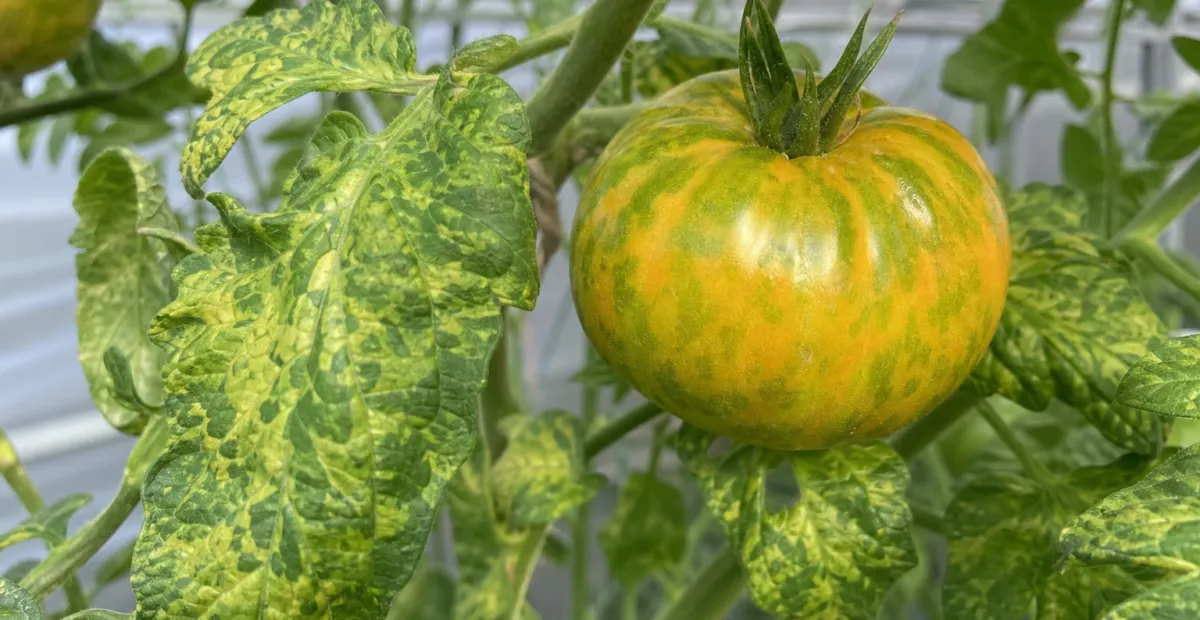
Pepino mosaic virus
Pepino mosaic virus (PepMV)Pepino mosaic virus overview
Pepino mosaic virus is a contagious viral disease primarily affecting greenhouse and field-grown tomatoes. Symptoms can range from barely visible mosaic and leaf blistering to severe leaf distortion, plant stunting, fruit marbling, blotchy ripening, flaming, discoloration and cracking. Because several tomato viruses produce similar symptoms, laboratory testing is needed for a reliable diagnosis.
Typical conditions
Overview
Pepino mosaic virus, commonly abbreviated PepMV, is an economically important viral disease of tomato, especially in greenhouse production. It was first described from pepino (Solanum muricatum) in Peru but has since become associated mainly with tomato crops worldwide.
In the United States, suspected cases should be treated as a diagnostic issue rather than identified by appearance alone. PepMV symptoms overlap with those caused by tomato mosaic virus, tobacco mosaic virus, tomato brown rugose fruit virus, nutrient disorders and environmental stress. Submit representative symptomatic tissue to a qualified plant diagnostic laboratory, particularly when infection occurs in a greenhouse or commercial planting.
Symptoms and identification
Symptoms may be absent, mild or severe. Common tomato symptoms include:
- Light-and-dark green mosaic, chlorotic patches, yellow spots and leaf blistering or bubbling.
- Distorted, narrowed or nettlehead-like young leaves, sometimes with curling or uneven growth.
- Stunting, reduced vigor and occasional necrosis of leaves, stems or fruit under severe conditions.
- Fruit marbling, pale blotches, uneven ripening, discoloration known as flaming, bleaching, cracking or open fruit.
- Symptoms that are concentrated in a particular cluster or appear unevenly among plants.
Fruit-quality symptoms can be more economically damaging than foliar symptoms. Visual diagnosis is unreliable because symptom expression depends on the isolate, cultivar, plant age and environment.
Causes and spread
PepMV spreads primarily when infected sap is moved from plant to plant. Routine greenhouse activities—including transplanting, tying, pruning, suckering, harvesting and grafting—can transfer the virus on hands, gloves, clothing, knives, shears, carts, containers and other surfaces.
Infected transplants and contaminated seed lots can introduce the virus. Tomato seed may carry PepMV on the seed coat even when efficient embryo-to-seedling transmission is not demonstrated; contaminated seed can nevertheless provide a source for mechanical spread during handling and propagation. Plant debris, volunteer tomatoes and some infected solanaceous hosts may maintain inoculum. Insects, pollen and water have been investigated as possible contributors in particular production systems, but mechanical transmission is the consistently important route.
Life cycle and persistence
PepMV enters wounded plant tissue or natural openings when contaminated sap contacts a susceptible plant. It replicates inside living cells, moves locally through neighboring tissues and then spreads systemically through the plant’s vascular system. Newly infected plants may initially be symptomless, while visible symptoms develop later on expanding leaves or fruit.
The virus persists between crop cycles in infected plants, plant residues, volunteer tomatoes and contaminated equipment or structures. Several genetic types are recognized, including EU, LP, US1, US2, CH2, PES and EAP lineages. Their symptoms and host responses can differ, so an apparently mild infection does not rule out epidemiological significance.
Treatment and control
There is no curative treatment that removes PepMV from an infected tomato plant. Once infection is confirmed or strongly suspected, remove affected plants and nearby plants that were handled during the same operation when practical, because symptomless plants may already be infected.
For a small home planting, bag and discard infected plants, sanitize stakes and tools, and avoid handling healthy tomatoes afterward without washing and changing gloves. In a greenhouse or commercial crop, map affected areas, stop unnecessary movement between rows, collect diagnostic samples, review sanitation records and consult a plant pathologist or extension specialist. Following diagnosis, evaluate whether localized removal, crop termination, a host-free interval, structural sanitation or a carefully designed cross-protection program is appropriate.
Do not rely on insecticides to control PepMV; it is not primarily an aphid-transmitted virus. Avoid high-pressure handling and practices that splash sap between plants.
Low-impact and biological control
Organic production does not have a biological cure for PepMV. The most effective organic-compatible approach is exclusion and sanitation: use clean tested propagation material, maintain strict worker hygiene, disinfect tools and surfaces with products permitted for the production system, remove infected plants promptly, and control volunteer tomatoes and susceptible solanaceous weeds.
Where professionally managed greenhouse programs use cross-protection with a mild PepMV isolate, this is a specialized biological strategy—not a home-garden treatment. It requires a validated isolate, genotype-specific risk assessment, regulatory and market considerations, and expert supervision because protection can fail and mixed infections or fruit-quality effects may occur.
Prevention
Prevention is the primary management strategy because infected plants cannot be cured.
- Purchase tomato seed and transplants from reputable suppliers using appropriate pathogen-testing and sanitation procedures; do not save seed from symptomatic or uncertain plants.
- Inspect incoming plants and isolate questionable lots before they enter the main greenhouse or field.
- Establish a clean-to-dirty workflow. Handle young, healthy plants before older or suspect plants, and avoid unnecessary contact.
- Wash hands and use clean gloves and protective clothing. Disinfect knives, shears, carts, benches, trays and other equipment according to a procedure validated for plant viruses.
- Remove symptomatic plants carefully, place them in closed bags or containers and dispose of them away from production areas. Do not compost infected tomato material unless the composting process is validated to inactivate the virus.
- Control volunteer tomatoes and solanaceous weeds around propagation and production areas.
- Clean and disinfect greenhouses, propagation areas and irrigation or work surfaces between crops. Avoid moving workers, tools or equipment from suspect areas into clean areas.
- Use resistant or tolerant cultivars only when resistance is specifically documented for the relevant PepMV genotype and is commercially available; broad genetic resistance is not generally available in commercial tomato cultivars.
Interesting facts
- The virus was named after pepino, a South American solanaceous fruit, although modern economic concern centers largely on tomato.
- PepMV belongs to Potexvirus and has a single-stranded positive-sense RNA genome.
- Fruit marbling, flaming and blotchy ripening may cause major market losses even when plants show only mild leaf symptoms.
- Tomato isolates and the original pepino isolate can differ in symptom expression and host range.
- Research has identified susceptibility or experimental infection in several Solanum species and other solanaceous genera, but host response varies by isolate and inoculation method.
- Laboratory testing is important because visual symptoms can be confused with other viruses, physiological disorders and environmental stress.
No pesticide cures Pepino mosaic virus inside an infected plant. Use only products legally authorized for the crop and intended use in the United States, and follow the current label exactly. Disinfectants used on tools, surfaces, hands or greenhouse structures must be registered or otherwise legally permitted for that use; verify the label, worker-protection requirements and organic-production status before application.
Affected plants
The plants below are linked to this problem by structured host-plant data. The list updates automatically as new plant profiles are added.
 Solanum aethiopicum care guideSolanum aethiopicum
 Solanum macrocarpon care guideSolanum macrocarpon
 Eggplant (Solanum melongena) care guideSolanum melongena
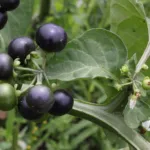 Garden Huckleberry (Solanum scabrum) care guideSolanum scabrum
 Ullucus (Ullucus tuberosus) care guideUllucus tuberosus
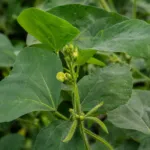 Black Gram (Vigna mungo) care guideVigna mungo
 Creole-bean (Vigna reflexopilosa) care guideVigna reflexopilosa
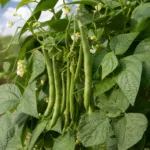 String Bean (Phaseolus vulgaris) care guidePhaseolus vulgaris
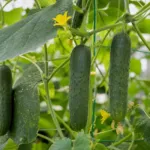 Cucumber (Cucumis sativus) care guideCucumis sativus
 Musk cucumber (Sicana odorifera) care guideSicana odorifera
 Flexuosus Group (Cucumis melo Flexuosus Group)Cucumis melo Flexuosus Group
 Noble Orchid (Cymbidium goeringii) care guideCymbidium goeringii