
Beet Cyst Nematode
Heterodera schachtiiBeet Cyst Nematode overview
Beet cyst nematode is a microscopic, soil-borne plant parasite that attacks sugar beets, table beets, spinach, and many Brassica crops. Feeding on roots disrupts water and nutrient uptake, causing stunting, wilting, yellowing, poor root development, and yield loss. Because its egg-filled cysts can persist in soil for years, diagnosis, sanitation, weed control, and long rotations with nonhost crops are central to management.
Typical conditions
Overview
Beet cyst nematode is a sedentary, root-parasitic nematode that feeds from specialized living root cells. The most important agricultural hosts include sugar beet, table beet, Swiss chard, spinach, and numerous cabbage-family crops. Populations may be patchy, so affected plants often occur in irregular field areas rather than uniformly.
Aboveground symptoms can resemble drought, nutrient deficiency, compaction, root disease, or other nematode injury. Confirmation requires extraction and identification of cysts or juveniles by a qualified diagnostic laboratory.
Symptoms and identification
- Patchy stunting, slow growth, and delayed canopy development.
- Wilt or temporary midday flagging despite adequate soil moisture.
- Pale green to yellow foliage and unusually long petioles in affected beet seedlings.
- Poorly developed storage roots with excessive fine, fibrous roots.
- Delayed emergence or seedling death under heavy infestation.
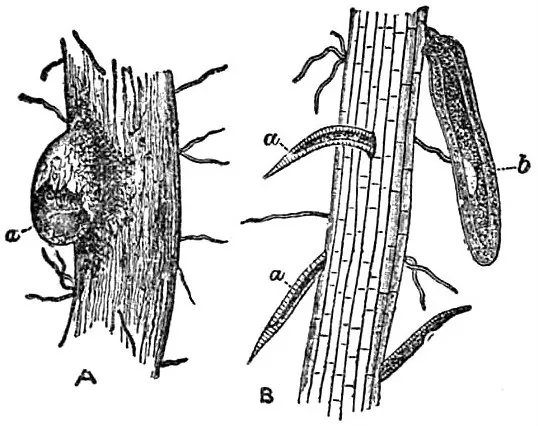
- Small white, lemon-shaped females may be visible on young roots; older females become brown, egg-filled cysts.
Symptoms alone cannot reliably distinguish H. schachtii from other soilborne pests or environmental problems.
Causes and spread
The pest survives mainly as eggs and second-stage juveniles inside durable cysts in soil. Hatching is stimulated by suitable moisture, temperatures generally above about 50°F, and chemical signals from host roots. Juveniles move through soil, penetrate roots, and establish feeding sites in the vascular region.
Spread occurs chiefly through infested soil carried on tillage equipment, harvesters, vehicles, footwear, tools, irrigation movement, wind-blown soil, and contaminated transplants or root debris. Host weeds, volunteer beets, and susceptible rotational crops allow populations to reproduce between commercial crops.
Life cycle and persistence
Eggs overwinter inside brown cysts that are the hardened bodies of dead females. Under favorable moisture and temperature, second-stage juveniles hatch and migrate toward host roots. After entering the root, they establish a permanent feeding site and pass through additional juvenile stages.
Males eventually leave the roots and mate with swollen females. The female produces eggs, commonly in both her body and an external egg sac. After death, her body tans into a protective cyst. Cysts can remain viable in soil for several years, although populations generally decline when host plants are absent.
Treatment and control
There is no curative treatment for roots already colonized by H. schachtii. First confirm the nematode and estimate population density with a diagnostic soil assay; management decisions should not be based on foliage symptoms alone.
In production systems, the most dependable measures are extended rotation to nonhost crops, rigorous host-weed control, sanitation, and use of resistant or tolerant cultivars where available. A weed-free fallow period can reduce populations, but it must remain genuinely free of host plants. Planting dates that avoid favorable early-season soil temperatures may reduce damage in some production regions, but local recommendations should guide timing.
For gardens, remove severely affected host plants and surrounding roots, avoid redistributing soil, and do not replant beets, spinach, or susceptible Brassicas immediately in the same bed. Repeated testing is useful before returning to a susceptible crop.
Low-impact and biological control
- Use long rotations with nonhost crops such as appropriately selected grains or other locally validated nonhosts.
- Maintain strict weed control, especially for lambsquarters, pigweed, shepherd’s purse, wild mustard, and other weeds shown to support reproduction in local systems.
- Use resistant or trap-cover crops only when their host response and performance against the local nematode population are documented.
- Improve field hygiene by removing soil from equipment and keeping infested and clean planting areas separate.
- Use organic amendments only when fully composted and demonstrably free of infested roots or soil; amendments alone should not be considered a reliable control.
Biological products and biocontrol organisms may be marketed for nematode suppression, but performance is variable and should be evaluated through replicated local trials rather than assumed from the product name.
Prevention
- Use a laboratory soil test before planting susceptible crops, sampling representative zones and including roots when possible.
- Rotate infested fields with genuinely nonhost crops for several years; the required interval depends on starting population, climate, soil, crop value, and local extension guidance.
- Control volunteer beets, spinach, Brassica weeds, and other documented host weeds throughout the rotation.
- Clean soil from tillage, planting, cultivation, harvest equipment, boots, and tools before moving from infested to clean fields.
- Avoid moving infested soil with transplants, manure, compost, irrigation runoff, or unwashed root crops.
- Where available, select locally adapted resistant or tolerant cultivars and cover crops validated for the local H. schachtii population.
Interesting facts
- The cyst is the hardened, dead female body and can protect hundreds of eggs in soil.
- H. schachtii has a broad documented host range, but the most important crop hosts are concentrated in the beet-and-spinach group and the cabbage family.
- Root exudates from susceptible hosts help stimulate juvenile emergence from cysts.
- Infestations may occur without obvious aboveground symptoms, especially at low population densities or under favorable irrigation.
- Population decline during nonhost rotations is natural but gradual, which is why a single-season break is often insufficient.
Chemical nematode treatments are highly crop-, site-, label-, and state-specific and are not a substitute for rotation and sanitation. Use only products legally authorized in the United States for Heterodera schachtii and the specific crop, site, and application method; follow the current EPA-approved label exactly, including rate, timing, personal protective equipment, reentry interval, preharvest interval, and restrictions. Consult a state Extension specialist, crop adviser, or licensed pesticide professional before use.
Affected plants
The plants below are linked to this problem by structured host-plant data. The list updates automatically as new plant profiles are added.
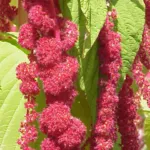 Love-lies-bleeding (Amaranthus caudatus) care guideAmaranthus caudatus
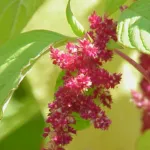 Edible amaranth (Amaranthus tricolor) care guideAmaranthus tricolor
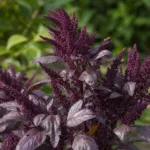 Purple amaranth (Amaranthus blitum) care guideAmaranthus blitum
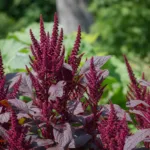 Amaranth (Amaranthus cruentus) care guideAmaranthus cruentus
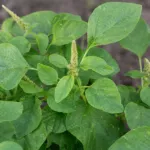 Amaranth (Amaranthus dubius) care guideAmaranthus dubius
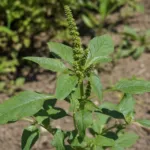 Smooth Pigweed (Amaranthus hybridus) care guideAmaranthus hybridus
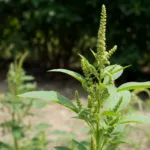 Slender amaranth or green amaranth (Amaranthus viridis) care guideAmaranthus viridis
 Beet (Beta vulgaris) care guideBeta vulgaris
 Ethiopian Rape (Brassica carinata) care guideBrassica carinata
 Brown Mustard (Brassica juncea) care guideBrassica juncea
 Rapeseed (Brassica napus) care guideBrassica napus
 Urnip rape (Brassica rapa) care guideBrassica rapa