
 Source:
 Love-lies-bleeding (Amaranthus caudatus) short overview
Love-lies-bleeding (Amaranthus caudatus) is a dramatic warm-season annual grown for its long, pendant flower clusters, usually crimson but sometimes green, bronze, or other garden forms. It thrives in full sun, tolerates ordinary or relatively poor soil, and works well in borders, containers, and cutting gardens. Its seeds and young leaves are edible when properly prepared, while the plant also provides abundant seed for birds and readily self-sows in suitable conditions.
Taxonomic classification
Love-lies-bleeding (Amaranthus caudatus) care guide
Light and placement
Give full sun, ideally with at least 6 hours of direct light and a position protected from strong prevailing winds. Morning-to-afternoon sun produces sturdier stems and better flower color. Insufficient light causes weak, stretched growth and fewer or less dramatic tassels; intense heat is usually tolerated if roots do not dry severely during establishment.
Watering and humidity
Keep the seedbed and young transplants evenly moist until established. Afterward, water deeply when the upper soil begins to dry, adjusting upward during prolonged heat and downward during cool or rainy weather. The plant tolerates some drought, but severe stress can reduce growth and hasten flowering. Avoid standing water and frequent shallow wetting.
Soil and growing medium
Use average, fertile to relatively poor soil that drains freely. Loam or sandy loam is suitable, but heavy wet soil can cause root problems. A mildly acidic to mildly alkaline reaction is tolerated; avoid persistently waterlogged sites. Rich, heavily fertilized soil can produce lanky stems that are more likely to fall over.
Feeding
Incorporate a modest amount of finished compost before sowing. In average soil, routine high-nitrogen feeding is unnecessary and may produce excessive soft growth, taller stems, and increased lodging. If leaves become pale or plants remain weak, apply a balanced fertilizer at label strength once during active growth, then stop feeding late in the season.
Growth and habit
This warm-season annual grows vigorously from seed and develops a strong central stem with branching flowering shoots. Tall forms can lean or lodge in rich soil, exposed sites, or after heavy rain; modest fertility, adequate spacing, and discreet staking help preserve an upright display. It may drop seed and return as volunteers in subsequent seasons.
Planting and repotting
Sow outdoors after the danger of frost when soil has warmed, or start indoors several weeks earlier. Press the tiny seeds onto the surface or cover only lightly, then thin or transplant to about 12–24 inches apart. Water evenly during establishment; provide support where exposed plants may lean.
Usually grown as a seasonal annual and not repotted. If started in a container, transplant while young, before roots become crowded, with minimal root disturbance.
Propagation and pruning
Propagation
Propagate from seed. Direct sow after the last spring frost, or sow indoors in shallow containers several weeks earlier. Germination is best with warmth, light contact with the growing medium, and consistent moisture. Thin seedlings early to prevent crowding.
Pruning
No formal pruning is required. Pinch or cut young plants only if a shorter, bushier display is wanted. Remove spent tassels to reduce reseeding, or leave mature heads in place for seed collection and late-season interest. Cut stems for arrangements when the tassels are well colored but before they become overly heavy.
Overwintering
It is a true annual in climates where frost occurs. Allow selected plants to mature seed before removing them, or collect dry seed heads for next season. Do not expect outdoor overwintering after a killing frost; container plants are generally not worth overwintering indoors because of their annual life cycle.
Uses
Use the trailing flower clusters fresh or dried in arrangements and as a bold seasonal accent in borders and containers. The species is also grown for edible seeds and young leaves in food traditions; harvest only from correctly identified, cleanly grown plants and prepare the greens appropriately. It can contribute seed resources for birds and may self-sow.
Appearance
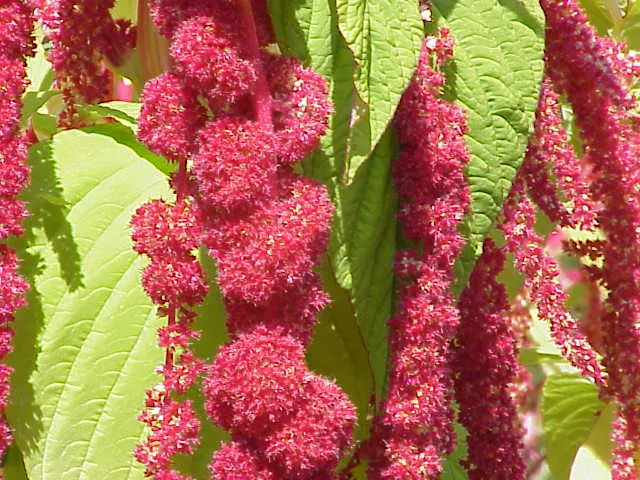
The plant has broad, simple, ovate-to-elliptic leaves on sturdy green stems. Its defining feature is the elongated, densely flowered tassel that bends or hangs downward, sometimes nearly reaching the foliage below. Red, burgundy, green, bronze, and pale flower forms are grown, and the dry seed heads retain structural interest after flowering.
Flowering
The species produces dense, branched flower clusters with long, drooping terminal and axillary tassels. The inflorescences are often deep red to burgundy, though green, bronze, and pale forms occur. Flowering begins in summer and can continue until frost, with mature plants often carrying many pendant clusters at once.
Pollination and visitors
Amaranthus flowers are generally regarded as wind-pollinated, with inconspicuous flowers producing abundant pollen. Occasional insect visits may occur, but reliable evidence does not support labeling a specific animal group as the characteristic primary pollinator for this species.
Amaranthus caudatus photos
Click any photo for a larger view. Source, author and license are shown separately.
Diseases and pests
Diseases
Avoid saturated soil and overhead irrigation to reduce root rot and leaf-spot risk. Improve air movement, remove badly affected foliage, and discard plants with severe disease at season’s end. Rust and leaf spots have been reported in cultivation, but problems are usually manageable with good sanitation and drainage.
Pests
Watch for aphids, especially on tender shoots and flower stems. Use a strong water spray, encourage natural enemies, and avoid routine broad-spectrum insecticides. Crowded, stressed plants may also attract leaf-feeding insects. Remove heavily infested growth and maintain adequate spacing rather than overfertilizing.
Related diseases and pests
Only Plant Doctor profiles whose host data indicate this plant may be affected are shown here.
 DiseaseLettuce mosaicLettuce mosaic virus
 PestTomato red spider mite (Tetranychus evansi)Tetranychus evansi Baker & Pritchard
 PestBeet ArmywormSpodoptera exigua (Hübner)
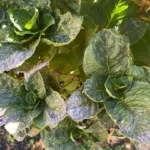 PestChilli thripsScirtothrips dorsalis Hood
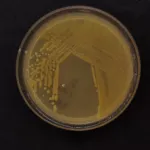 DiseasePseudomonas viridiflava bacterial blightPseudomonas viridiflava
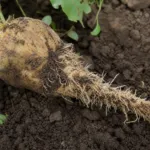 DiseasePolymyxa betae — Vector of Beet RhizomaniaPolymyxa betae Keskin
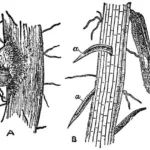 PestBeet Cyst NematodeHeterodera schachtii
 DiseaseCucumber mosaic virusCucumber mosaic virus
Toxicity and pollen
The species is cultivated as a food plant, with edible leaves and seeds reported, so it is not generally classified as a poisonous ornamental. As with other edible greens, plants should be correctly identified and grown away from contaminated sites. Leaves may contain nitrate or oxalate-related compounds; use young leaves in moderate amounts and cook rather than relying on raw bulk consumption. Evidence specific to household pets and children is insufficient for a definitive species-level safety rating.
- Typical season
- Usually summer into early fall in the United States
- Pollination / pollen
- Abundant, lightweight wind-dispersed pollen
Amaranthaceae pollen can be relevant to seasonal respiratory allergy, especially in regions where related amaranths are abundant. Species-specific U.S. exposure data for Amaranthus caudatus are limited, so the medium rating is a cautious family-level assessment rather than a precise measurement. Sensitive gardeners should avoid handling flowering plants on dry, windy days and monitor local allergy conditions.
Native habitat
In its native Andean range, the species is associated with subtropical cultivated and disturbed landscapes and has a long history of food cultivation. It performs best in warm weather, bright light, and soils that drain after irrigation or rain. In the United States it is primarily grown as a cultivated ornamental or food crop rather than treated as a native wildflower.
Interesting fact
The species is native from Ecuador through Peru and northwestern Argentina, but is widely cultivated elsewhere. Its pendant inflorescences account for the memorable common name Love-lies-bleeding. It is both an ornamental cut flower and a traditional grain and leafy vegetable. Seed capsules can mature abundantly, allowing the plant to reseed in favorable gardens.
Frequently asked questions (FAQ)
The most relevant questions about this plant, with short and direct answers.
🌱Quick care
What is Love-lies-bleeding?⌄
Love-lies-bleeding is the annual flowering plant Amaranthus caudatus, known for its long, drooping tassels of red, burgundy, gold, or green flowers. It belongs to the Amaranthaceae family and is grown as both an ornamental and edible amaranth.
Is Love-lies-bleeding an annual or perennial?⌄
Love-lies-bleeding is a frost-tender annual in the United States. It grows, flowers, and produces seed during one warm season, then dies after a hard freeze.
🌤️Environment and placement
How much sun does Love-lies-bleeding need?⌄
Grow Love-lies-bleeding in full sun for the strongest growth and flowering, although it tolerates partial shade. Aim for at least 6 hours of direct sunlight daily when possible.
Can Love-lies-bleeding grow in partial shade?⌄
Yes, Love-lies-bleeding tolerates partial shade, but it may grow taller, lean more, and produce fewer or less intense flower tassels. Morning sun with light afternoon shade is usually preferable in very hot climates.
What soil is best for Love-lies-bleeding?⌄
Use average, well-drained soil, such as loam or sandy loam. The plant tolerates relatively poor soil, but overly rich conditions can encourage weak, excessively tall growth.
💧Care and problems
How much water does Love-lies-bleeding need?⌄
Water Love-lies-bleeding moderately, allowing excess water to drain between waterings. Keep new plants evenly moist while they establish, then water thoroughly during extended dry periods.
Can Love-lies-bleeding tolerate drought?⌄
Established Love-lies-bleeding has some drought tolerance, but it grows and flowers better with occasional deep watering during hot, dry weather. Avoid letting containers dry out completely.
Why is my Love-lies-bleeding falling over?⌄
Love-lies-bleeding may fall over because of low light, rich soil, excessive moisture, wind, or heavy flower tassels. Grow it in full sun, avoid overfertilizing, and provide discreet support in exposed locations.
Does Love-lies-bleeding need fertilizer?⌄
Love-lies-bleeding usually needs little fertilizer in average garden soil. If growth is weak, apply a light, balanced fertilizer, but avoid heavy nitrogen applications that produce floppy stems and foliage instead of flowers.
What pests affect Love-lies-bleeding?⌄
Aphids are the main commonly reported pest of Love-lies-bleeding. Inspect tender shoots and flower stems regularly, and remove small infestations with a strong spray of water or an appropriate insecticidal soap.
What diseases affect Love-lies-bleeding?⌄
Love-lies-bleeding can occasionally be affected by virus diseases, especially when plants are stressed or pests spread infection. Remove severely distorted plants and improve air circulation, watering, and garden sanitation.
🪴Planting and repotting
When should I plant Love-lies-bleeding outdoors?⌄
Plant Love-lies-bleeding outdoors after your area’s last spring frost, when the soil has warmed. In much of the United States, this means late spring, but the exact timing depends on local USDA-style climate conditions.
Can I direct-sow Love-lies-bleeding seeds?⌄
Yes, direct-sow Love-lies-bleeding after the last frost into moist, well-drained soil. Sprinkle the small seeds lightly and avoid burying them deeply, because light helps germination.
How deep should Love-lies-bleeding seeds be planted?⌄
Sow Love-lies-bleeding seeds on the soil surface or cover them only very lightly. Keep the seedbed consistently moist until germination, which commonly occurs in warm conditions within about 1–2 weeks.
How far apart should Love-lies-bleeding plants be spaced?⌄
Space Love-lies-bleeding plants about 12–24 inches apart, using wider spacing for large varieties. Proper spacing improves air circulation and gives the pendulous flower tassels room to develop.
Can Love-lies-bleeding be grown in containers?⌄
Yes, Love-lies-bleeding grows well in containers with drainage holes and a quality, well-drained potting mix. Choose a sturdy container and provide support if the variety becomes tall or top-heavy.
✂️Propagation and pruning
How do you grow Love-lies-bleeding from seed indoors?⌄
Start Love-lies-bleeding seeds indoors about 6–8 weeks before the expected last frost. Sow them shallowly, provide bright light and warmth, and transplant hardened seedlings outdoors only after frost danger has passed.
Does Love-lies-bleeding reseed itself?⌄
Yes, Love-lies-bleeding can drop seed and reappear in later seasons where growing conditions are favorable. Remove spent flower heads before seed ripens if you want to limit self-sowing.
Can Love-lies-bleeding be propagated from cuttings?⌄
Love-lies-bleeding is normally propagated from seed rather than cuttings. Because it is an annual, collecting mature seed is the practical way to preserve plants for the following season.
Should I prune Love-lies-bleeding?⌄
Routine pruning is usually unnecessary for Love-lies-bleeding. Remove damaged growth during the season and cut the plant back after flowering if you do not want it to shed seed.
⚠️Toxicity and safety
Is Love-lies-bleeding edible?⌄
Yes, the leaves and seeds of Amaranthus caudatus are edible when correctly identified and properly prepared. Use plants grown without ornamental pesticides, cook the leaves, and avoid consuming large quantities of raw greens because amaranth leaves can contain oxalates and nitrates.
Is Love-lies-bleeding poisonous to dogs or cats?⌄
There is no established poisonous-plant classification for Love-lies-bleeding, but pets should not be allowed to eat large amounts of any garden amaranth. Contact a veterinarian or poison-control service if a pet develops symptoms after eating the plant.
Can people eat Love-lies-bleeding seeds?⌄
Yes, the seeds can be used as an edible grain after proper cleaning and preparation. Confirm the plant’s identity and avoid seed collected from plants treated with pesticides or growing in contaminated soil.
Is Love-lies-bleeding invasive in the United States?⌄
Love-lies-bleeding is not broadly classified as an invasive problem species in the United States, but it can reseed in suitable gardens. Pull unwanted seedlings early and remove mature seedheads if spread is a concern.
🌸Flowering and special interest
How long does Love-lies-bleeding take to flower from seed?⌄
Love-lies-bleeding generally flowers about 3 months after sowing, although timing varies with temperature, light, and variety. Warm weather and full sun encourage earlier flowering.
When does Love-lies-bleeding bloom?⌄
Love-lies-bleeding blooms from summer into fall and can continue until frost. The long, drooping tassels are the plant’s most distinctive ornamental feature.
How do I make Love-lies-bleeding flowers last as dried flowers?⌄
Harvest Love-lies-bleeding flower tassels for drying when they are well developed but before they become brittle or shed heavily. Hang them upside down in a dark, dry, well-ventilated place until completely dry.
Can Love-lies-bleeding flowers be used as cut flowers?⌄
Yes, Love-lies-bleeding is useful as a fresh or dried cut flower. Cut strong stems when the tassels are developed, remove lower foliage, and place them immediately in clean water for fresh arrangements.
Do birds eat Love-lies-bleeding seeds?⌄
Yes, birds are attracted to the mature seedheads of Love-lies-bleeding. Leave some tassels standing for wildlife or harvest them before seed dispersal if you prefer to control reseeding.
Why is my Love-lies-bleeding not flowering?⌄
The most common reasons Love-lies-bleeding fails to flower are insufficient sunlight, cool weather, late sowing, or excessive nitrogen. Give it full sun and warmth, and allow roughly 3 months from sowing before expecting flowers.
Similar plants
 Azure Monkshood (Aconitum carmichaelii) care guideAconitum carmichaelii
 Monkshood (Aconitum ‘Stainless Steel’)Aconitum 'Stainless Steel'
 Monkshood (Aconitum ‘Bressingham Spire’)Aconitum 'Bressingham Spire'
 Golden full moon maple (Acer shirasawanum ‘Aureum’)Acer shirasawanum 'Aureum'
 Globosum (Acer platanoides ‘Globosum’)Acer platanoides 'Globosum'
 Striped maple (Acer pensylvanicum) care guideAcer pensylvanicum