
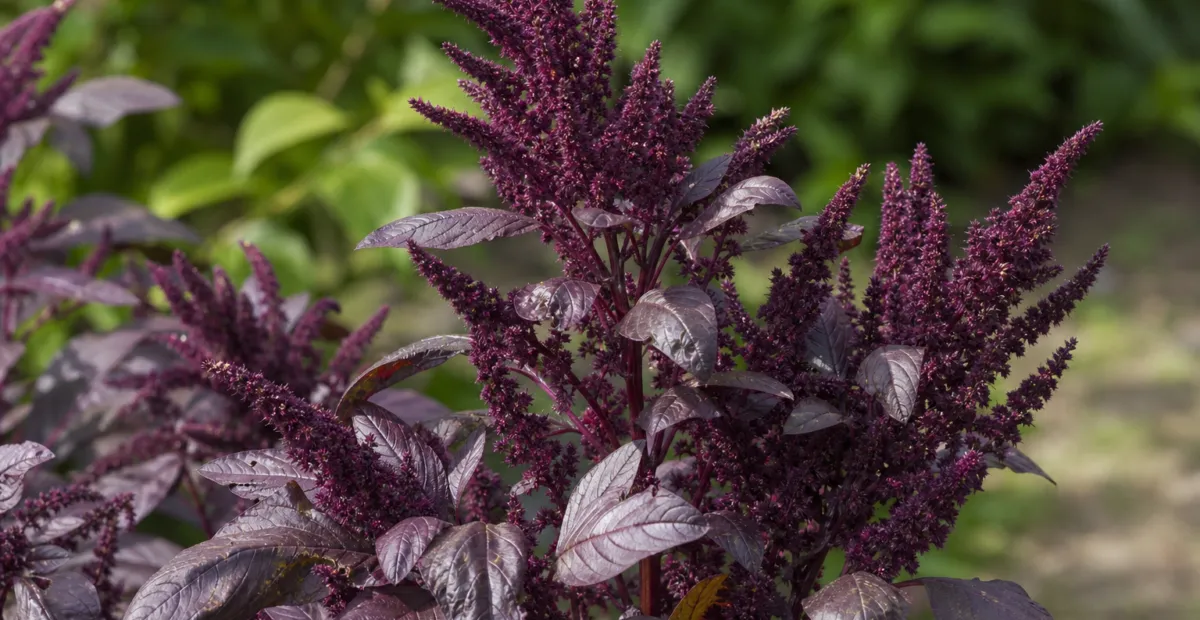
 AI-generated illustration
Purple amaranth (Amaranthus blitum) short overview
Purple amaranth is a warm-season annual in the amaranth family, recognized by its low, spreading to ascending habit, rounded leaves, and often purplish stems. Small green flowers are clustered in leaf axils and terminal spikes rather than showy blooms. It can appear as a volunteer or garden weed in disturbed soil, while young leaves and shoots are used as cooked greens when the plant is correctly identified and grown in clean, untreated conditions.
Taxonomic classification
Purple amaranth (Amaranthus blitum) care guide
Light and placement
Give purple amaranth a site with at least 6 hours of direct sun for compact growth and good leaf production. In hot climates, light afternoon shade can reduce wilting. Plants become thin and less productive in deep shade; excessively intense, dry exposure may cause midday drooping and scorched leaf margins, usually signaling heat or water stress rather than a need for less light.
Watering and humidity
Water deeply when the upper inch of soil begins to dry, then allow excess water to drain. Keep young plants evenly moist while they establish; mature plants tolerate brief dry periods but produce better greens with regular moisture. Reduce watering in cool weather and avoid constantly saturated soil, which encourages weak growth and root problems.
Soil and growing medium
Use fertile soil that drains freely yet holds moderate moisture. Purple amaranth tolerates sand, loam, and clay, but heavy clay should be amended with organic matter and not left waterlogged. A near-neutral to slightly alkaline soil is suitable. Avoid beds contaminated with herbicides, roadside pollutants, or unknown compost if leaves will be eaten.
Feeding
In fertile garden soil, incorporate finished compost before planting and avoid heavy feeding. If growth is pale or slow, use a balanced vegetable fertilizer at label strength once during active growth. Do not overfertilize with high nitrogen, especially late in the season, because lush soft growth can become floppy and less appealing to harvest.
Growth and habit
This annual may remain low and spreading or become ascending, with branching stems that can fill open ground. Harvesting young shoots encourages a tender, branching plant; allowing it to mature leads to flower clusters and abundant seed. Remove unwanted plants before seed dispersal because volunteer seedlings can appear repeatedly in cultivated soil.
Planting and repotting
Direct-sow tiny seeds into a prepared, weed-free bed after frost danger has passed and soil has warmed. Keep the surface evenly moist until emergence, then thin carefully so remaining plants have room to branch. For edible use, sow in clean soil and harvest young plants before flowering. Container sowing is possible in a pot at least 8 inches deep with drainage.
Repotting is rarely worthwhile because this is a fast-growing annual. If started in containers, transplant young seedlings carefully before they become root-bound, disturbing the roots as little as possible. Use a container with drainage and a fertile, well-drained mix.
Propagation and pruning
Propagation
Propagate by seed. Sow directly outdoors after the last frost because seedlings dislike cold conditions. Cover seed only lightly and keep the surface moist until emergence. Thin crowded seedlings rather than attempting to transplant very small plants repeatedly.
Pruning
No formal pruning is required. Harvest young shoot tips regularly for greens, or cut plants back before seed maturity if self-sowing is unwanted. Remove the entire plant after frost or when it becomes coarse and unproductive.
Overwintering
It is not a perennial houseplant and normally dies after frost. Collect mature seed only from correctly identified, healthy plants, allow it to dry fully, and store it cool and dry. In frost-free climates, seedlings may reappear naturally.
Uses
Young leaves and tender shoots are used as cooked greens in some food traditions and may be harvested from correctly identified plants grown in clean soil. It is also useful as an educational example of an annual amaranth and may provide seed for volunteer regeneration. Because several Amaranthus species resemble one another, do not eat plants based on a name alone; avoid plants exposed to herbicides or contaminated soil.
Appearance
Leaves are generally rounded to broadly oval, with a distinctive shallow notch or cleft at the tip and a wedge-shaped base. Stems may show purple coloration. The habit is prostrate to ascending rather than strongly upright, helping distinguish it from several taller pigweeds. Small green flowers occur in dense clusters in leaf axils and near shoot tips.
Flowering
The species produces separate male and female flowers on the same plant. Flowers are small, green, and grouped in leaf axils and terminal clusters that may resemble slender spikes. They are not grown for ornamental display. Flowering generally begins after sustained summer warmth and continues until cold weather ends the annual growth cycle.
Pollination and visitors
The flowers are inconspicuous and the species is primarily wind-pollinated rather than dependent on animal visitors. No specific, reliably characteristic animal pollinator group was established for this exact taxon in the reviewed sources.
Amaranthus blitum photos
Click any photo for a larger view. Source, author and license are shown separately.
Diseases and pests
Diseases
Good drainage, adequate spacing, clean seed, and watering at the soil line help reduce damping-off and foliar disease. Remove badly diseased plants rather than composting them if the diagnosis is uncertain. Avoid prolonged wet foliage and crowded growth, especially in humid summer weather.
Pests
Watch for aphids, flea beetles, leaf miners, and caterpillar feeding, although serious damage is not always common. Hand-pick isolated pests, use row cover on young plants, and preserve beneficial insects. Remove heavily infested plants and avoid broad-spectrum insecticides near edible harvests.
Related diseases and pests
Only Plant Doctor profiles whose host data indicate this plant may be affected are shown here.
Toxicity and pollen
The reviewed authoritative plant profiles document edible use of leaves and shoots but do not provide a sufficiently specific, comprehensive toxicity assessment for this exact species. Only consume plants that have been positively identified and grown in clean, untreated conditions. Cooking is customary for amaranth greens; avoid plants from polluted sites and seek medical advice after an unexpected reaction.
- Typical season
- Typically summer through early fall in the United States
- Pollination / pollen
- Light, dry pollen released from inconspicuous wind-pollinated flowers
As a wind-pollinated annual, purple amaranth can release airborne pollen during flowering. Amaranth-family pollen may contribute to seasonal respiratory or nasal symptoms in sensitive people, although species-specific clinical data for Amaranthus blitum are limited. Remove dense unwanted stands before flowering and avoid handling flowering plants when symptoms are active.
Native habitat
Purple amaranth is associated with disturbed ground, cultivated fields, gardens, roadsides, waste places, and other open sites. It tolerates a range of mineral soils, including sandy, loamy, and clay soils, provided drainage is adequate. In the United States it is introduced and occurs in scattered regions rather than representing a broadly native North American species.
Interesting fact
The leaf tip often has a conspicuous notch, a useful identification feature among similar pigweeds. The plant can be prostrate to ascending, unlike many strongly upright Amaranthus weeds. Male and female flowers occur on the same plant. It is both a food plant in some traditions and a persistent volunteer in disturbed soil.
Frequently asked questions (FAQ)
The most relevant questions about this plant, with short and direct answers.
🌱Quick care
What is purple amaranth (*Amaranthus blitum*)?⌄
Purple amaranth is a frost-tender annual in the Amaranthaceae family, often growing as a prostrate or ascending pigweed. It is also known as livid amaranth and is commonly found in disturbed soil, garden beds, and containers.
Is purple amaranth an annual or perennial?⌄
Purple amaranth is a warm-season annual in the United States. It grows from seed, flowers, produces seed, and dies after frost rather than overwintering as an established plant.
How tall does purple amaranth get?⌄
Purple amaranth commonly grows about 1 to 3 feet tall and wide, with a prostrate, ascending, or bushy habit. Size varies with soil fertility, moisture, temperature, and competition from nearby plants.
How can I identify purple amaranth?⌄
Look for smooth green to reddish stems, alternate leaves with a distinctive deep notch at the tip, and small clustered flowers in leaf axils and terminal flowerheads. Its growth is often prostrate to ascending rather than strongly upright.
How long does purple amaranth take to mature?⌄
Amaranth grown for greens may reach a harvestable size in roughly 30 to 55 days from sowing under warm, favorable conditions. Purple amaranth’s exact timing depends on temperature, moisture, fertility, and whether leaves or mature seed are desired.
🌤️Environment and placement
How much sun does purple amaranth need?⌄
Purple amaranth grows best in full sun, receiving at least 6 hours of direct sunlight daily. It can tolerate partial shade, especially in hot climates, but may produce less vigorous growth.
Can purple amaranth survive frost?⌄
No, purple amaranth is frost-tender and generally cannot survive freezing temperatures. Treat it as a warm-season annual and protect young plants from late spring cold snaps.
Can purple amaranth grow in partial shade?⌄
Yes, purple amaranth can tolerate partial shade, particularly where temperatures are high. Full sun generally supports stronger growth and better leafy production than deep or prolonged shade.
💧Care and problems
How often should I water purple amaranth?⌄
Water purple amaranth moderately, keeping the soil evenly moist while allowing excess water to drain. Established plants tolerate some dry weather, but severe drought can cause early flowering and reduce leaf production.
Why is my purple amaranth turning red or purple?⌄
Red or burgundy coloration is common on the stems of purple amaranth and may also appear on leaves depending on the plant and growing conditions. Color alone is not a reliable way to identify the species, so check the leaf shape and growth habit as well.
What pests affect purple amaranth?⌄
Caterpillars and grasshoppers can cause substantial damage to purple amaranth, while aphids, leafminers, stinkbugs, mole crickets, and mites may cause lesser damage. Inspect the undersides of leaves regularly and remove heavily damaged growth.
What diseases affect *Amaranthus blitum*?⌄
Stem rot is a principal disease problem reported for purple amaranth. Improve drainage, avoid overwatering, provide adequate spacing, and remove affected plants to reduce the chance of spread.
Is purple amaranth invasive or a weed?⌄
Purple amaranth is commonly treated as a weed because it thrives in disturbed soil and can produce abundant seed. Its behavior varies by location, so prevent unwanted spread by removing plants before seed maturation and checking local weed guidance.
Does purple amaranth need fertilizer?⌄
Purple amaranth usually grows adequately in fertile garden soil, but supplemental fertilizer may improve leafy production when soil fertility is low. Avoid excessive nitrogen if you are growing it for seed or allowing it to remain ornamental.
🪴Planting and repotting
What type of soil is best for *Amaranthus blitum*?⌄
Use well-drained loam, sandy loam, clay loam, or amended garden soil for purple amaranth. Avoid poorly drained locations because saturated soil can contribute to root or stem rot.
Can purple amaranth grow in containers?⌄
Yes, purple amaranth can grow in a container with drainage holes and a fertile, well-drained potting mix. Choose a container that gives the plant about 12 inches or more of growing space and prevent water from pooling around the roots.
When should I plant purple amaranth in the United States?⌄
Plant purple amaranth outdoors after the danger of frost has passed and the soil has warmed. In much of the United States, this means late spring, although the exact timing depends on the local USDA hardiness zone and last-frost date.
How far apart should purple amaranth plants be spaced?⌄
Thin purple amaranth seedlings to roughly 6 inches apart when growing it for leafy greens. Allow more space, up to about 1 to 3 feet, when plants are being grown for a larger, bushier form.
Can purple amaranth be transplanted?⌄
Yes, purple amaranth can be transplanted while seedlings are young, although direct sowing is usually simpler because the plant grows quickly. Handle the roots gently and transplant after frost when the soil is warm.
✂️Propagation and pruning
How do you grow purple amaranth from seed?⌄
Sow purple amaranth seeds directly in prepared soil after the last frost, covering them no more than about ½ inch deep. Keep the seedbed consistently moist until seedlings emerge, then thin crowded plants.
Does purple amaranth self-seed?⌄
Yes, purple amaranth can self-seed readily if mature plants are allowed to drop their small seeds. Remove plants before seed dispersal if you do not want it returning or spreading through garden beds.
Does purple amaranth need pruning or staking?⌄
Purple amaranth generally does not require formal pruning or staking because *Amaranthus blitum* is often low-growing or spreading. Harvesting young shoots or removing crowded stems can help maintain a compact plant.
⚠️Toxicity and safety
Can you eat purple amaranth leaves?⌄
Purple amaranth leaves and young shoots are eaten as cooked greens in some cultures. Because plants can be misidentified or exposed to pesticides and contaminated soil, consume only correctly identified plants grown or harvested from a clean, known location.
Are purple amaranth seeds edible?⌄
Some amaranth species produce edible seeds, but species-specific culinary guidance for *Amaranthus blitum* seeds is less dependable than information about its leaves and shoots. Do not eat seeds unless the plant has been positively identified and the seeds have been prepared appropriately.
Is purple amaranth poisonous to people or pets?⌄
No dependable species-specific toxicity classification has been established for purple amaranth. Avoid casual ingestion, especially from plants exposed to herbicides or growing in contaminated soil, and seek professional medical or veterinary advice if a large amount is eaten.
How do I harvest purple amaranth as greens?⌄
Harvest young leaves and tender shoots before or around the beginning of flowering for the best texture. Wash them thoroughly and cook them rather than relying on raw consumption, particularly when the plant’s growing conditions are unknown.
🌸Flowering and special interest
When does purple amaranth flower?⌄
Purple amaranth usually flowers during summer and fall. The small flowers occur in clustered terminal and axillary inflorescences rather than in large showy blooms.
Should I remove the flowers from purple amaranth?⌄
Remove the flower clusters if you want to prolong leafy growth or prevent the plant from producing seed. Allow flowering if you want to collect seed, but expect the plant to become less focused on tender leaf production.
Similar plants
 Azure Monkshood (Aconitum carmichaelii) care guideAconitum carmichaelii
 Monkshood (Aconitum ‘Stainless Steel’)Aconitum 'Stainless Steel'
 Monkshood (Aconitum ‘Bressingham Spire’)Aconitum 'Bressingham Spire'
 Golden full moon maple (Acer shirasawanum ‘Aureum’)Acer shirasawanum 'Aureum'
 Globosum (Acer platanoides ‘Globosum’)Acer platanoides 'Globosum'
 Striped maple (Acer pensylvanicum) care guideAcer pensylvanicum