
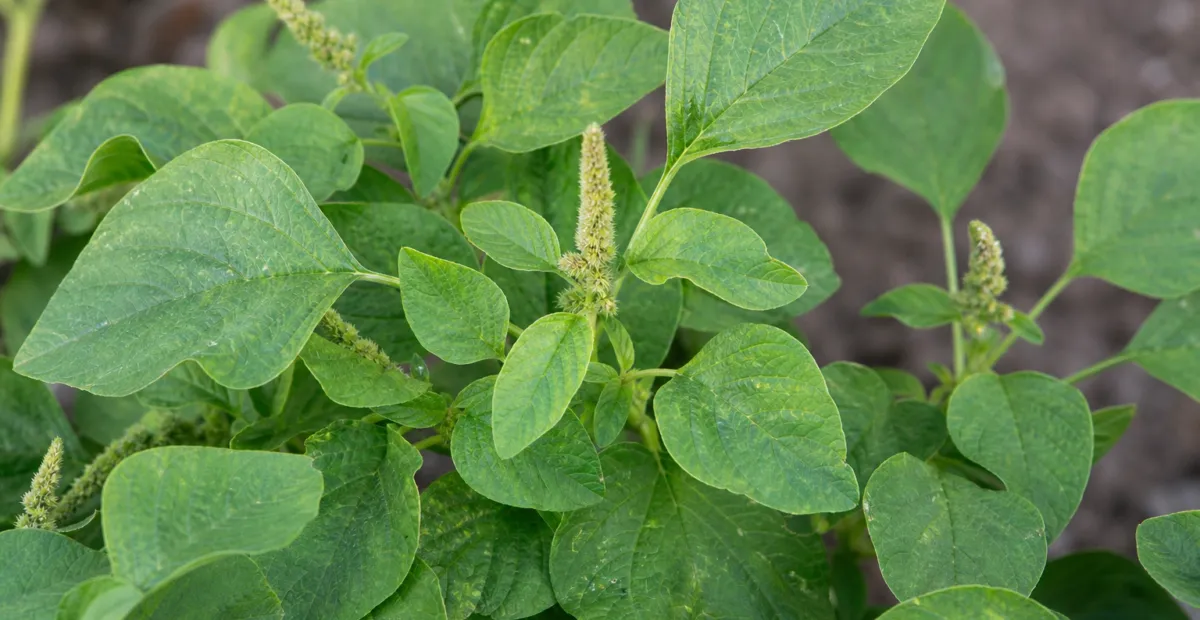
 AI-generated illustration
Amaranth (Amaranthus dubius) short overview
Amaranthus dubius is a fast-growing, warm-season annual in the amaranth family, valued in tropical and subtropical regions for its tender edible leaves and seeds. It forms an upright, branched plant with broad ovate leaves and dense green flower clusters. In the United States, it is best grown after the last spring frost in full sun, where heat, fertile soil, and regular moisture support vigorous leafy growth. Its tiny flowers are mainly wind-pollinated and readily produce seed.
Taxonomic classification
Amaranth (Amaranthus dubius) care guide
Light and placement
Give full sun, ideally six or more hours of direct light with a warm southern or western exposure. Morning sun with afternoon protection can help in very hot, dry sites, but deep shade produces weak, stretched growth and fewer leaves. Pale foliage, long internodes, and leaning stems suggest insufficient light; scorched margins usually indicate heat, drought, or root stress rather than excessive light alone.
Watering and humidity
Water deeply when the top inch of soil begins to dry, aiming for steady moisture rather than repeated shallow sprinkling. Increase frequency during hot, windy weather and while plants are establishing; reduce only when cooler weather slows growth. Mulch lightly to reduce evaporation, keeping mulch away from stems. Good drainage is essential because saturated roots decline quickly.
Soil and growing medium
Use fertile, well-drained soil that still holds even moisture. A loam amended with compost is suitable; sandy soil benefits from added organic matter, while compacted clay should be loosened and drained. Slightly acidic to slightly alkaline conditions are tolerated, with neutral to mildly acidic soil a practical target. Avoid chronically waterlogged ground.
Feeding
Before planting, incorporate a moderate amount of finished compost. If leaves become pale or growth is weak, apply a balanced vegetable fertilizer at label strength, avoiding heavy nitrogen that can produce soft, overly lush growth and may increase nitrate accumulation. Stop routine feeding once plants are flowering heavily or near harvest unless a soil test indicates a need.
Growth and habit
This is a vigorous, upright annual that branches readily in warm conditions. It can keep producing new shoots while older stems flower, especially when young tips are harvested. Remove unwanted seedlings before seed ripens because the small seeds can spread and establish readily in disturbed soil.
Planting and repotting
Sow outdoors only after the soil has warmed and frost danger has passed. Cover seed lightly, about 1/8 inch deep, and keep the surface evenly moist until emergence. Thin or transplant seedlings to about 12–18 inches apart. Frequent harvesting of young shoots encourages continued leaf production.
Repotting is rarely worthwhile because this annual grows quickly and develops a substantial root system. If grown in a container, transplant young seedlings once, before roots become crowded, using a container at least 12 inches wide and deep with drainage holes.
Propagation and pruning
Propagation
Propagate from seed. Sow in warm soil after frost or start indoors about 4–6 weeks before the expected last frost, then transplant carefully while seedlings are small. Allow mature flower clusters to dry before collecting the small black seeds. Store fully dry seed in a cool, sealed container.
Pruning
Harvest or pinch young shoot tips regularly to delay excessive flowering and maintain tender foliage. Remove damaged leaves promptly. At the end of the season, cut plants at soil level and remove them before mature seed disperses if self-sowing is not wanted.
Overwintering
Do not expect outdoor survival through freezing weather. Harvest before the first frost, then remove spent plants or allow selected plants to self-seed. In most U.S. climates, overwintering indoors is impractical because the species is a fast-growing annual requiring strong light and substantial space.
Uses
Primarily used as a leafy vegetable and occasional seed crop in warm climates; young leaves and tender shoots are commonly cooked. It can also serve as a fast-growing seasonal crop and provide seed for self-sown plantings. Use only clean plants positively identified as A. dubius, cook leaves, and avoid medicinal claims or produce from polluted soils.
Appearance
The plant has erect, usually branched, conspicuously striate stems that may be hairy, especially toward the upper portions. Leaves are ovate to rhombic-ovate with relatively long petioles and mostly smooth blades. Lower flower clusters arise from leaf axils, while upper flowers form narrow to branched green spikes. Small shiny black seeds develop in dehiscent capsules.
Flowering
The species is monoecious, with separate male and female flowers on the same plant. Tiny green flowers occur in axillary clusters lower on the plant and in more conspicuous terminal or upper spikes. Flowering can begin roughly 4–8 weeks after sowing under warm conditions, while new shoots may continue developing as older branches flower.
Pollination and visitors
The tiny flowers are primarily wind-pollinated and the species is capable of abundant self-pollination. Animal visitors may occur opportunistically, but reliable evidence does not support rating this exact species as a strongly animal-pollinator-dependent plant.
Amaranthus dubius photos
Click any photo for a larger view. Source, author and license are shown separately.
Diseases and pests
Diseases
Prevent foliar disease by providing spacing, airflow, and watering at the soil line. Remove badly affected leaves and avoid working among wet plants. Root problems are more likely in saturated soil; improve drainage rather than repeatedly treating symptoms. Correct identification is important because several Amaranthus species look similar.
Pests
Watch for aphids, leaf-chewing insects, flea beetles, and seedling damage from slugs or snails. Use row cover over young plants where practical, hand-remove larger pests, and encourage beneficial insects. Keep weeds controlled because related Amaranthus weeds can complicate identification and compete strongly. Use pesticides only when damage is significant and follow the product label.
Related diseases and pests
Only Plant Doctor profiles whose host data indicate this plant may be affected are shown here.
 PestTomato red spider mite (Tetranychus evansi)Tetranychus evansi Baker & Pritchard
 PestBeet ArmywormSpodoptera exigua (Hübner)
 PestChilli thripsScirtothrips dorsalis Hood
 DiseasePseudomonas viridiflava bacterial blightPseudomonas viridiflava
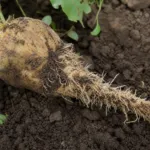 DiseasePolymyxa betae — Vector of Beet RhizomaniaPolymyxa betae Keskin
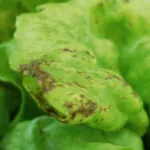 DiseaseLettuce mosaicLettuce mosaic virus
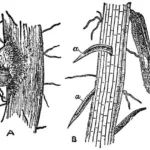 PestBeet Cyst NematodeHeterodera schachtii
 DiseaseCucumber mosaic virusCucumber mosaic virus
Toxicity and pollen
The species is cultivated as a leafy vegetable, but amaranth tissues can accumulate nitrates and contain oxalates, especially under particular growing conditions. Eat only correctly identified plants grown away from contaminated sites, and cook leaves rather than relying on raw use. Do not feed large quantities to livestock; nitrate poisoning has been reported for this species in grazing-animal contexts.
- Typical season
- Usually summer through early fall in the United States, varying by climate and flowering date.
- Pollination / pollen
- Abundant, wind-dispersed pollen
Amaranth-family plants release abundant, easily airborne pollen, and Amaranthus pollen contributes to seasonal respiratory allergy in some regions, including parts of the western United States. The exact allergy importance of A. dubius varies by location and is less well documented than the family-level risk. Avoid disturbing flowering plants during peak symptoms and follow local pollen advisories.
Native habitat
Its native range extends from Mexico through tropical America. It commonly occurs in warm, seasonally dry or humid lowland environments, including roadsides, waste ground, river margins, flood plains, and cleared areas. It tolerates heat and a range of soils but performs best with warmth, light, and reliable moisture.
Interesting fact
Amaranthus dubius uses C4 photosynthesis, helping it grow rapidly in heat and strong sunlight. Its flowers are monoecious, with male and female flowers on the same plant. The species has a chromosome number of 2n = 64. Mature seeds are tiny, shiny, black, and readily shed from dry capsules.
Frequently asked questions (FAQ)
The most relevant questions about this plant, with short and direct answers.
🌱Quick care
What is Amaranthus dubius commonly called?⌄
Amaranthus dubius is commonly called amaranth and is grown as a leafy vegetable known within the Amaranth Greens group. It is also encountered under regional names such as spleen amaranth or red spinach, but common names can overlap with other Amaranthus species.
Is Amaranthus dubius an annual or perennial plant?⌄
Amaranthus dubius is a frost-tender annual in typical United States gardens. It grows rapidly during warm weather and usually dies after frost.
How large does Amaranthus dubius get?⌄
Amaranthus dubius commonly reaches about 3 to 5 feet tall in favorable conditions, although size varies with cultivar, fertility, moisture, and climate. Plants grown primarily for greens are often harvested before reaching full height.
🌤️Environment and placement
How much sunlight does Amaranthus dubius need?⌄
Amaranthus dubius grows best in full sun, meaning at least 6 hours of direct sunlight daily. Strong light supports vigorous leafy growth and helps prevent weak, stretched plants.
What USDA hardiness zones can grow Amaranthus dubius?⌄
Amaranthus dubius can be grown outdoors during the warm season in much of the United States, but it is not frost hardy. In colder USDA zones, grow it as a summer annual and wait until frost danger has passed before planting.
What temperature is best for Amaranthus dubius?⌄
Amaranthus dubius prefers hot weather and grows poorly when temperatures remain cool. Plant it after the soil has warmed and protect it from frost, which can kill the plant.
Can Amaranthus dubius grow in partial shade?⌄
Amaranthus dubius can tolerate some light shade, but full sun is better for compact growth and abundant foliage. Deep shade commonly produces thinner stems and slower growth.
What type of soil does Amaranthus dubius need?⌄
Use fertile, well-drained loam that holds moderate moisture without becoming waterlogged. Amending poor soil with finished compost can improve growth, especially when the plant is harvested for greens.
💧Care and problems
How often should I water Amaranthus dubius?⌄
Water Amaranthus dubius often enough to keep the soil evenly and moderately moist, particularly during hot, dry weather. Avoid continually saturated soil because poor drainage can damage the roots.
Why are my Amaranthus dubius leaves turning yellow?⌄
Yellow leaves may result from overwatering, poor drainage, nutrient deficiency, or normal aging of lower leaves. Check soil moisture and root health first, then improve fertility only if the plant is actively growing and the soil is genuinely poor.
Why is Amaranthus dubius flowering too early?⌄
Amaranthus dubius may flower early when it experiences heat, drought stress, crowding, or other environmental stress. Consistent moisture and fertile soil can encourage more vegetative growth, although flowering eventually occurs naturally.
When should I harvest Amaranthus dubius leaves?⌄
Harvest young leaves and tender shoot tips about 3 to 6 weeks after sowing, or whenever they are large enough to use. Frequent cutting encourages additional leafy growth before the plant becomes strongly reproductive.
Is Amaranthus dubius invasive in the United States?⌄
Amaranthus dubius can reseed readily in warm climates, but whether it is considered invasive depends on the state and local habitat. Remove unwanted seed heads and check local weed listings before allowing it to spread.
🪴Planting and repotting
When should I plant Amaranthus dubius outdoors?⌄
Direct-sow Amaranthus dubius after the last spring frost, when the soil is reliably warm. In much of the United States, this means planting in late spring or early summer rather than during the cool spring season.
Can Amaranthus dubius be grown in a container?⌄
Amaranthus dubius can be grown in a container if it receives full sun and has fertile, well-drained potting mix. Choose a container with drainage holes and enough depth to support a tall, fast-growing annual.
How deep should Amaranthus dubius seeds be planted?⌄
Sow Amaranthus dubius seeds very shallowly, covering them with no more than about 1/4 inch of fine soil. Keep the seedbed evenly moist until germination because the seeds are small.
How far apart should Amaranthus dubius plants be spaced?⌄
Thin seedlings to roughly 6 inches apart when growing Amaranthus dubius for tender greens. Wider spacing can be useful when allowing plants to become large or produce seed.
✂️Propagation and pruning
How long does Amaranthus dubius take to germinate?⌄
Amaranthus dubius commonly germinates within about 4 to 10 days under warm, evenly moist conditions. Cool soil, buried seed, or drying of the seedbed can delay or reduce germination.
Can I grow Amaranthus dubius from cuttings?⌄
Amaranthus dubius is normally propagated from seed rather than cuttings. Direct sowing is generally the simplest method, and mature plants can produce many small seeds if allowed to set seed.
How do I stop Amaranthus dubius from reseeding?⌄
Remove flower clusters before the seeds mature if you do not want volunteer plants. Bagging or disposing of mature seed heads before they shed seed is more reliable than trying to remove seedlings later.
Does Amaranthus dubius need pruning?⌄
Amaranthus dubius does not require ornamental pruning, but cutting the growing tips or harvesting shoots keeps plants shorter and can promote branching. Remove spent flower heads if preventing reseeding is important.
⚠️Toxicity and safety
Can you eat Amaranthus dubius?⌄
Amaranthus dubius is used as a leafy vegetable, but it should be eaten only after the plant has been positively identified and grown in uncontaminated soil. Young leaves are generally preferred, and cooking is recommended rather than eating large quantities raw.
Does Amaranthus dubius contain oxalates or nitrates?⌄
Amaranthus dubius may accumulate oxalates and nitrates, especially when grown under stressful conditions or in nutrient-rich or contaminated soil. Proper identification, moderate portions, cooking, and avoiding plants from treated or polluted sites are prudent precautions.
Is Amaranthus dubius poisonous to dogs, cats, or livestock?⌄
Do not assume Amaranthus dubius is safe as animal forage, particularly in large amounts or when plants are stressed. Livestock poisoning has been associated with nitrate-accumulating Amaranthus plants, so prevent grazing and contact a veterinarian or livestock professional if ingestion is suspected.
Can Amaranthus dubius absorb pollutants from soil?⌄
Amaranthus dubius can take up contaminants from polluted soil, which makes plants from roadsides, industrial sites, treated areas, or unknown fill unsuitable for eating. Grow edible plants only in clean soil and avoid harvesting unidentified wild plants.
🌸Flowering and special interest
When does Amaranthus dubius flower?⌄
Amaranthus dubius usually flowers during the warm growing season, often from summer into fall in the United States. It produces small flowers in dense clusters or upright, branched spikes rather than large showy individual blooms.
How can I encourage more leaves instead of flowers on Amaranthus dubius?⌄
Provide full sun, steady moisture, adequate fertility, and regular harvesting of young shoots. Very hot or dry conditions can accelerate flowering, so avoiding drought stress helps extend the leafy harvest.
Similar plants
 Azure Monkshood (Aconitum carmichaelii) care guideAconitum carmichaelii
 Monkshood (Aconitum ‘Stainless Steel’)Aconitum 'Stainless Steel'
 Monkshood (Aconitum ‘Bressingham Spire’)Aconitum 'Bressingham Spire'
 Golden full moon maple (Acer shirasawanum ‘Aureum’)Acer shirasawanum 'Aureum'
 Globosum (Acer platanoides ‘Globosum’)Acer platanoides 'Globosum'
 Striped maple (Acer pensylvanicum) care guideAcer pensylvanicum