
 Source:
 Lemon verbena (Aloysia citrodora) short overview
Lemon verbena is a strongly lemon-scented woody perennial shrub from subtropical South America. Its narrow, bright-green leaves release a vivid citrus fragrance when brushed, while small white flowers appear in airy clusters during summer. In the United States it is usually grown as a patio container plant or seasonal herb outside USDA Zones 8–10, then overwintered indoors in colder regions. Give it full sun, excellent drainage, and regular but moderate watering.
Taxonomic classification
Lemon verbena (Aloysia citrodora) care guide
Light and placement
Place lemon verbena where it receives at least 6 hours of direct sun, ideally with southern or western exposure and protection from strong, drying winds. Bright light supports dense branching and the strongest leaf fragrance. Sparse, stretched stems and pale foliage indicate insufficient light; scorched margins or bleached leaves suggest excessive reflected heat, especially in containers. Turn potted plants regularly for even growth.
Watering and humidity
Water deeply when the upper 1–2 inches of soil become dry, allowing excess water to drain completely. Keep the root ball evenly but not constantly wet during spring and summer; reduce watering substantially after leaf drop or while the plant rests indoors. Avoid saucers of standing water, which can cause root problems. Average indoor humidity is adequate if the plant has good ventilation.
Soil and growing medium
Use a porous, fertile mix that drains quickly but retains modest moisture. In the ground, amend compact soil with compost and coarse material rather than planting in a waterlogged pocket. A quality potting mix with added perlite or fine bark works well in containers. The plant tolerates mildly acidic, neutral and mildly alkaline conditions, but drainage is more important than exact pH.
Feeding
Feed container plants in spring and summer with a balanced liquid fertilizer at half strength every 3–4 weeks, or use a modest controlled-release fertilizer according to its label. In fertile beds, a spring layer of compost may be sufficient. Do not fertilize during winter dormancy, after leaf drop, or when the root ball is dry or waterlogged.
Growth and habit
This fast-growing shrub develops upright, branching stems that become woody with age. It can become open and leggy if light is poor or pruning is neglected. Regular tip-pruning during the growing season encourages branching, while a stronger cutback in early spring helps renew the framework. Plants may shed most or all leaves in cool indoor conditions without necessarily being dead.
Planting and repotting
Set out after frost danger has passed in a warm, sunny location with fast drainage. Loosen the surrounding soil, water thoroughly after planting, and keep the root zone evenly moist while new roots establish. Allow enough space for a broad shrub, or plant closer only when regular pruning is planned. In colder regions, plant in a large container so it can be moved indoors before freezing weather.
Repot container plants in spring when roots have filled the existing pot or growth has slowed. Move up only one pot size and use a porous, well-drained mix. Water after repotting, then keep the plant in bright light while it re-establishes. A heavy oversized pot stays wet too long and increases root-rot risk.
Propagation and pruning
Propagation
Stem cuttings are the most practical method. Take healthy new-growth cuttings in late spring or early summer, remove the lower leaves, and root them in a clean, lightly moist, free-draining medium under bright indirect light. Seed is possible but less dependable; seed production and fertility may be limited, so named plants are usually maintained from cuttings.
Pruning
Pinch growing tips during spring and summer to encourage branching and prevent a sparse, top-heavy form. Remove damaged or dead stems as needed. In early spring, cut back overgrown plants by roughly one-third, making cuts just above healthy buds. Avoid severe pruning while the plant is dormant indoors or during extreme heat or drought.
Overwintering
Before the first hard freeze, move container plants indoors to a bright, cool location. Leaf drop is normal in winter; water sparingly and do not fertilize until new growth resumes. In Zones 8–10, outdoor plants benefit from a sheltered site and a thick mulch layer over the root zone. Protect stems from prolonged freezing and cold, wet soil.
Uses
The strongly scented leaves are used fresh or dried in teas, desserts, fruit salads, jellies and other culinary preparations. The plant also suits herb gardens, patio containers, fragrant borders and pollinator-oriented plantings. Culinary use should involve ordinary food quantities; concentrated essential oil is a different product and should not be ingested casually.
Appearance
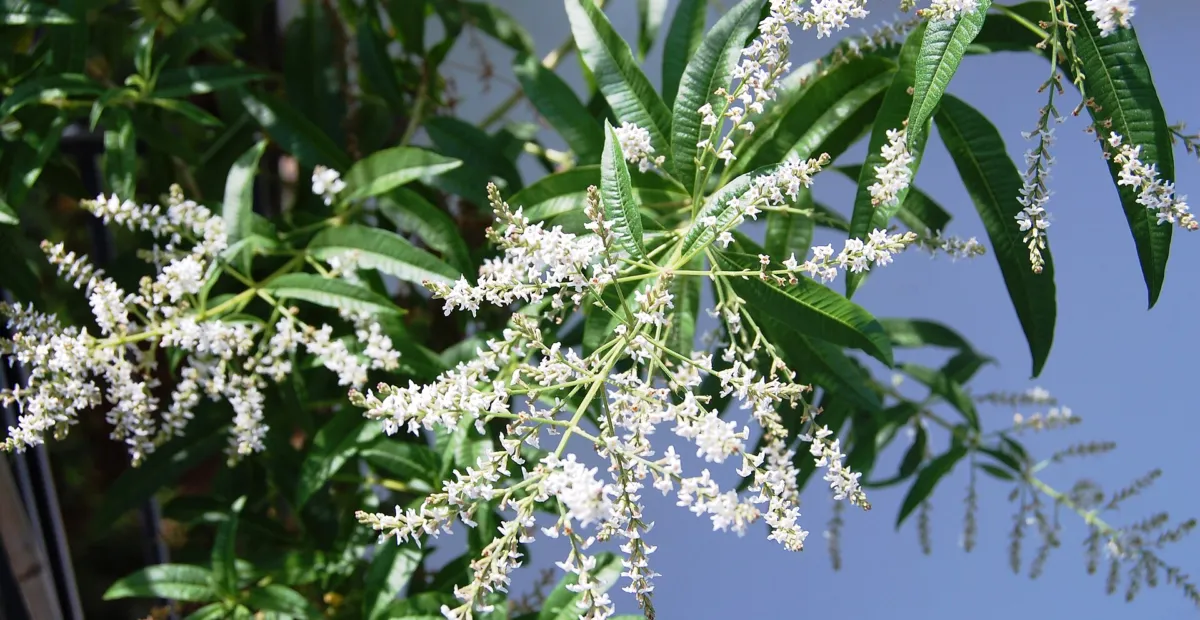
The plant has slender woody stems and narrow, pointed, bright-green leaves arranged in whorls. Leaves are typically smooth, lance-shaped and finely toothed, with an intense lemon fragrance released by handling. Small pale flowers are held in airy terminal clusters or spikes above the foliage. The combination of narrow aromatic leaves and woody shrub form helps distinguish it from lemongrass.
Flowering
Lemon verbena produces small bisexual flowers in slender terminal spikes or loose clusters. The flowers are generally white and may show a faint lavender tint. In outdoor United States gardens, flowering is most typical from midsummer into early fall, although container culture, pruning and winter conditions can shift the season. Plants grown mainly for leaves may be pruned before flowering.
Pollination and visitors
Documented flower visitors include bees, with hymenopteran visitors from families such as Apidae and Halictidae reported in phenological observations. The small flowers provide a seasonal nectar and pollen resource, although visitor numbers depend on local climate, competing blooms and whether the plant is allowed to flower.
Aloysia citrodora photos
Click any photo for a larger view. Source, author and license are shown separately.
Diseases and pests
Diseases
Root rot is the main preventable problem and is encouraged by poor drainage, overwatering and oversized containers. Use a porous medium, water only when the surface begins to dry, and remove standing water. Fungal leaf spots or powdery mildew may develop in crowded, humid conditions; improve spacing and airflow, remove affected leaves and avoid wetting foliage late in the day.
Pests
Aphids, whiteflies, spider mites and scale can occasionally affect stressed plants, especially indoors. Inspect leaf undersides and young shoots regularly. Rinse light infestations with water, isolate affected indoor plants, and use insecticidal soap or horticultural oil only as directed on the label. Avoid treating drought-stressed or heat-stressed foliage.
Related diseases and pests
Only Plant Doctor profiles whose host data indicate this plant may be affected are shown here.
 Environmental stressOverwatering
 DiseaseMaple powdery mildewSawadaea bicornis
 DiseaseCucurbit Powdery MildewPodosphaera xanthii (Castagne) U. Braun & Shishkoff
 DiseaseRose powdery mildewPodosphaera pannosa
 DiseaseApple Powdery MildewPodosphaera leucotricha
 PestCitrus whiteflyDialeurodes citri
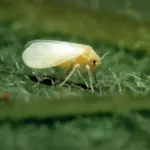 PestSweetpotato whiteflyBemisia tabaci species complex
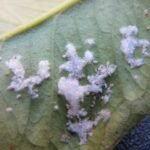 PestWoolly whiteflyAleurothrixus floccosus
Toxicity and pollen
The leaves and flowers are used in culinary preparations, but concentrated essential oils present a different exposure risk. ASPCA lists lemon verbena under its synonym Aloysia triphylla as toxic to dogs and cats, with essential oils associated with stomach upset and colic; small amounts used as flavoring are noted as not concerning. Prevent pets from consuming large quantities or concentrated oil, and contact a veterinarian after significant ingestion.
- Typical season
- Typically July–September in much of the United States
- Pollination / pollen
- Insect-released pollen; not typically dispersed in large airborne clouds
Lemon verbena is insect-pollinated, so its pollen is not usually released in the same way as wind-pollinated grasses, trees or weeds. However, there is not enough species-specific clinical evidence to assign a reliable allergy-risk level. Sensitive people should avoid handling flowering plants if symptoms occur and should not assume insect pollination eliminates all exposure.
Native habitat
In its native range, lemon verbena is a subtropical shrub associated with warm climates and well-drained soils. It performs best with strong sunlight, a long growing season and reliable but not excessive moisture. In the United States, its natural-climate requirements mean it is perennial outdoors mainly in the warmer parts of Zones 8–10 and more commonly container-grown farther north.
Interesting fact
The species epithet citrodora refers to its lemon fragrance. Its accepted name is Aloysia citrodora, while Aloysia triphylla and Lippia citriodora are widely encountered synonyms or horticultural references. The plant may lose its leaves during cool indoor overwintering and still resume growth in spring. Flowers and leaves have both been used in culinary preparations.
Frequently asked questions (FAQ)
The most relevant questions about this plant, with short and direct answers.
🌱Quick care
What is lemon verbena?⌄
Lemon verbena (Aloysia citrodora) is a fragrant woody perennial shrub in the Verbenaceae family. Its narrow leaves have a strong lemon scent and are commonly used fresh or dried in teas, desserts, beverages, and savory dishes.
Is lemon verbena easy to grow?⌄
Yes, lemon verbena is generally easy to grow when given full sun, moderate moisture, fertile well-drained soil, and protection from frost. It grows quickly during warm weather but may need container culture in colder parts of the United States.
How large does lemon verbena get?⌄
In suitable warm climates, lemon verbena can reach about 6 to 8 feet tall and wide in the ground. In a container, it commonly stays closer to 2 to 4 feet, depending on pruning, pot size, and growing conditions.
🌤️Environment and placement
How much sunlight does lemon verbena need?⌄
Lemon verbena grows best in full sun, meaning at least 6 hours of direct sunlight daily. Strong light helps produce the healthiest growth and the most strongly scented foliage, although very hot climates may benefit from light afternoon protection.
Can lemon verbena grow in partial shade?⌄
Lemon verbena can tolerate some partial shade, but it usually becomes less vigorous, more open, and less fragrant than plants grown in full sun. Choose the brightest location available, especially when growing it indoors or overwintering it in a container.
What type of soil is best for lemon verbena?⌄
Use fertile, well-drained loam or sandy loam for lemon verbena. The soil should hold moderate moisture without remaining soggy; improve heavy clay with organic matter and avoid sites where water collects after rain.
Is lemon verbena hardy in the United States?⌄
Lemon verbena is generally hardy outdoors in USDA Zones 8 through 10, while colder areas usually require overwintering indoors or treating it as an annual. Even in mild zones, protect it from hard freezes and exposed cold winds.
Can lemon verbena survive frost?⌄
Lemon verbena is frost-sensitive and should be protected from freezing temperatures. A light frost may cause leaf loss or dieback, while prolonged freezing can kill the plant, so move containers indoors and protect in-ground plants where practical.
💧Care and problems
How often should you water lemon verbena?⌄
Water lemon verbena when the soil surface begins to dry, providing moderate and consistent moisture during active growth. Do not keep the roots constantly wet, because poor drainage and overwatering can cause decline or root problems.
Does lemon verbena tolerate drought?⌄
Lemon verbena can tolerate brief dry periods after it is established, but it grows better and produces better foliage with regular moderate watering. Container plants dry out faster and may need more frequent checks during hot summer weather.
Why are lemon verbena leaves turning yellow?⌄
Yellow leaves on lemon verbena are often caused by overwatering, poor drainage, low light, or normal seasonal leaf drop. Check that the container drains freely, let the surface dry slightly between waterings, and provide bright light.
Why is my lemon verbena dropping its leaves?⌄
Lemon verbena commonly drops leaves when exposed to cold, frost, low indoor light, or seasonal dormancy. Move container plants indoors before frost, keep them cool and bright, reduce watering during dormancy, and do not let the roots become completely dry.
What pests affect lemon verbena?⌄
Aphids, whiteflies, mealybugs, and spider mites can occasionally affect lemon verbena, particularly on stressed or indoor plants. Inspect new growth and leaf undersides, then use a strong water spray or an appropriate labeled treatment if needed.
When can you harvest lemon verbena leaves?⌄
Harvest lemon verbena leaves whenever the plant is actively growing, preferably before flowering for maximum leafy growth. Pick individual leaves or cut leafy stems, leaving enough foliage for the plant to continue developing.
How do you dry lemon verbena leaves?⌄
Dry lemon verbena leaves in a warm, dry, well-ventilated place away from strong direct sunlight, or use a dehydrator on a low setting. Store fully dry leaves in an airtight container, where they retain much of their lemon fragrance.
🪴Planting and repotting
When should lemon verbena be planted outdoors?⌄
Plant lemon verbena outdoors in spring after the danger of frost has passed and nighttime temperatures are reliably mild. In colder regions of the United States, grow it in a container so it can be moved indoors before autumn frost.
Can lemon verbena be grown in a container?⌄
Yes, lemon verbena grows very well in a container with drainage holes and a fertile, well-drained potting mix. Container culture limits its size and makes it easier to protect the plant from frost in USDA Zones 7 and colder.
What size container does lemon verbena need?⌄
Choose a container only slightly larger than the root ball, with several drainage holes, and increase the size as the plant grows. A mature container plant is often smaller than an in-ground plant but may still reach several feet tall.
How do you overwinter lemon verbena?⌄
Move potted lemon verbena indoors before the first frost and place it in a bright, cool location. It may lose its leaves during winter; reduce watering and fertilizer while dormant, but keep the soil from becoming completely dry.
✂️Propagation and pruning
When should lemon verbena be pruned?⌄
Prune lemon verbena in early spring as new growth begins, removing dead or damaged wood and shortening long stems to encourage branching. Light harvesting and occasional tip pruning during the growing season also help maintain a fuller shape.
How do you make lemon verbena bushier?⌄
Pinch or prune the growing tips regularly to encourage side branches and a bushier plant. Avoid removing so much growth that little leafy tissue remains, especially late in the season when the plant is preparing for dormancy.
How do you propagate lemon verbena?⌄
Propagate lemon verbena mainly from softwood or semi-softwood stem cuttings taken during active growth. Remove the lower leaves, place the cutting in a sterile, well-drained rooting medium, and keep it evenly moist in bright indirect light.
Can lemon verbena be grown from seed?⌄
Lemon verbena can be grown from seed, but seed production and germination may be unreliable, especially in North America. Stem cuttings are usually the more dependable and faster way to produce a new plant with the parent plant’s characteristics.
⚠️Toxicity and safety
Can you eat lemon verbena leaves?⌄
Yes, lemon verbena leaves are generally edible in normal food amounts and are used to flavor teas, syrups, desserts, fruit dishes, sauces, and beverages. Remove whole leaves before serving when their texture is undesirable.
Is lemon verbena safe for dogs and cats?⌄
No, lemon verbena is considered toxic to dogs and cats because its essential oils can cause stomach upset and other signs of illness. Keep the plant and concentrated preparations away from pets and contact a veterinarian if ingestion occurs.
Is lemon verbena safe for people?⌄
Lemon verbena is generally considered suitable for culinary use in ordinary food amounts, but concentrated oils, extracts, and medicinal preparations may have different risks. People who are pregnant, nursing, taking medication, or managing a medical condition should seek professional advice before medicinal use.
🌸Flowering and special interest
When does lemon verbena bloom?⌄
Lemon verbena usually blooms from midsummer into early fall, producing small white to pale lilac flowers in loose clusters. The flowers are fragrant but generally less ornamental than the strongly scented foliage.
How do you get lemon verbena to flower?⌄
Provide full sun, fertile well-drained soil, moderate watering, and a long warm growing season to encourage flowering. Excessive shade, cold weather, severe pruning late in the season, or a short growing season can reduce or delay blooms.
Does lemon verbena lose its leaves in winter?⌄
Yes, lemon verbena may lose most or all of its leaves in winter, especially indoors or after exposure to cold. This can be normal dormancy rather than plant death; reduce watering and wait for fresh growth in spring.
Similar plants
 Azure Monkshood (Aconitum carmichaelii) care guideAconitum carmichaelii
 Monkshood (Aconitum ‘Stainless Steel’)Aconitum 'Stainless Steel'
 Monkshood (Aconitum ‘Bressingham Spire’)Aconitum 'Bressingham Spire'
 Golden full moon maple (Acer shirasawanum ‘Aureum’)Acer shirasawanum 'Aureum'
 Globosum (Acer platanoides ‘Globosum’)Acer platanoides 'Globosum'
 Striped maple (Acer pensylvanicum) care guideAcer pensylvanicum