
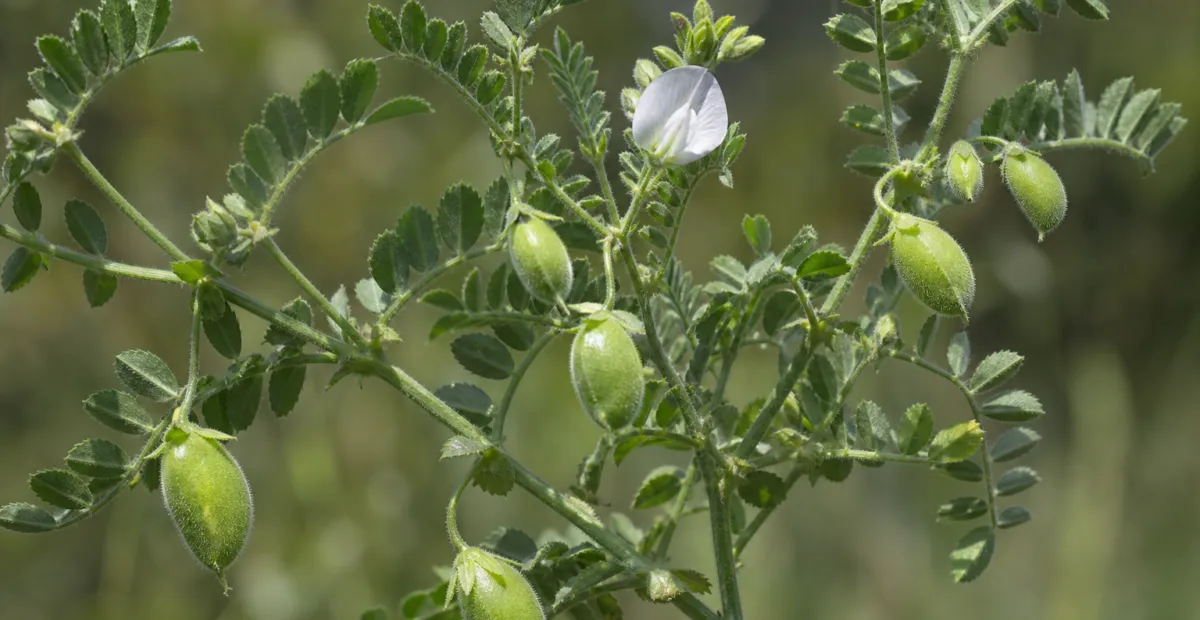
 AI-generated illustration
Chickpea (Cicer arietinum) short overview
Chickpea (Cicer arietinum) is a cool-season annual legume cultivated for its nutritious seeds, commonly eaten fresh, cooked, roasted, or dried for flour. It forms a branching, gray-green plant with small, distinctive pea-family flowers and inflated pods. In the United States, chickpeas grow best in full sun, fertile well-drained soil, and regions with a relatively cool, dry growing season. Cicer arietinum is the accepted scientific name for chickpea, an annual Fabaceae crop grown for edible seeds. It prefers full sun, fertile well-drained soil, cool-season temperatures, and moderate but carefully managed moisture.
Taxonomic classification
Chickpea (Cicer arietinum) care guide
Light and placement
Provide at least 6–8 hours of direct sun, ideally in an open bed or south-facing container with good air movement. Insufficient light produces weak, leafy growth and fewer pods. Excessive heat, especially combined with intense reflected heat, can cause flower drop and shortened pod set; in hot climates, schedule the crop for the coolest suitable season rather than shading it heavily.
Watering and humidity
Water deeply when the upper inch of soil begins to dry, keeping moisture reasonably even from emergence through flowering and pod filling. Reduce watering as pods mature and stop irrigating before harvest when weather permits, because wet foliage and saturated soil increase disease risk. Containers may need more frequent watering than garden beds, but never leave roots standing in water.
Soil and growing medium
Use fertile, well-drained loam or sandy loam with good aeration. Avoid compacted or waterlogged ground because chickpea roots are vulnerable to excess moisture and root diseases. A soil pH near neutral to slightly alkaline is generally suitable. Incorporating mature compost before planting can improve structure, but avoid heavy nitrogen enrichment.
Feeding
Chickpea generally needs only moderate fertility. Add mature compost before sowing and avoid routine high-nitrogen fertilizer, which can produce excessive foliage and reduce efficient nodulation or pod production. If a soil test shows a deficiency, apply the recommended nutrient at planting; do not fertilize water-stressed or diseased plants.
Growth and habit
This annual legume develops a branching, somewhat spreading framework and a relatively deep root system. Plants are usually self-supporting but can lean under heavy pod loads or in windy sites. Consistent moisture during flowering and pod filling supports better development, while heat and humidity can shorten the productive season.
Planting and repotting
Plant outdoors in early spring as soon as the soil is workable, or in fall where winters are mild and disease pressure is low. Sow about 1½–2 inches deep, spacing seeds 3–6 inches apart in rows 18–24 inches apart. Keep the seedbed evenly moist until emergence, then avoid prolonged saturation.
Chickpeas are usually best grown directly in the ground or in a deep container because transplanting can disturb their roots. If container growing is necessary, use a pot at least 10 inches deep and transplant very young seedlings with the root ball intact.
Propagation and pruning
Propagation
Propagate by seed. Direct sowing is preferred because seedlings can be sensitive to root disturbance. Use fresh, disease-free seed; inoculation with an appropriate chickpea rhizobial culture may support nodulation where compatible bacteria are absent, but local availability and recommendations vary.
Pruning
No routine pruning is needed. Remove damaged or diseased stems promptly and clear spent plants after harvest to reduce carryover of pests and pathogens. Avoid cutting healthy plants during flowering because foliage supports pod development.
Overwintering
Chickpea is normally grown as an annual and is not overwintered indoors. In mild-winter areas, fall sowing may be possible, but seedlings should be protected from severe freezes and prolonged winter wet. In colder regions, harvest the crop before hard freezes and remove or compost healthy residue according to local disease-management guidance.
Uses
Grow chickpeas as a vegetable or pulse crop for fresh green seeds, mature dried seeds, roasted snacks, and flour. Plants are also useful in crop rotations as legumes, although nitrogen benefits depend on effective root nodulation and most nitrogen is removed when seeds are harvested. Avoid unsupported medicinal claims.
Appearance
The plant has slender, branching green stems and gray-green compound leaves divided into several pairs of small, toothed leaflets. Glandular hairs can give the foliage a slightly sticky appearance. Small axillary pea flowers are followed by short, inflated pods that usually contain one or two seeds.
Flowering
Small pea-family flowers appear singly or in short groups in the leaf axils. Flowers are typically white to pale pink or purplish, and flowering usually begins several weeks after emergence. The anthers release pollen while the flower is partly closed, so self-pollination commonly occurs before full opening.
Pollination and visitors
Flowers are mainly self-pollinating, but open flowers can attract bees, hoverflies, wasps, butterflies, and moths. Documented studies have reported diverse insect visitors and increased reproductive measures under open visitation in some regions; the specific visitor community depends on local habitat and climate.
Cicer arietinum photos
Click any photo for a larger view. Source, author and license are shown separately.
Diseases and pests
Diseases
Common problems include damping-off, Fusarium wilt, Ascochyta blight, Botrytis gray mold, and root rots. Reduce risk with clean seed, crop rotation, well-drained soil, good air circulation, and avoidance of overhead irrigation. Remove badly affected plants and follow local extension recommendations for labeled treatments where appropriate.
Pests
Watch for aphids, leaf miners, cutworms, thrips, pod borers, and chickpea weevils. Inspect young growth and pods regularly, encourage beneficial insects, remove weeds that harbor pests, and use row covers for susceptible young plants. Choose resistant or locally recommended cultivars when available and rotate legumes to reduce recurring pest and disease pressure.
Related diseases and pests
Only Plant Doctor profiles whose host data indicate this plant may be affected are shown here.
 DiseaseAscochyta blight of chickpeaDidymella rabiei
 DiseaseWhite mold (Sclerotinia stem rot)Sclerotinia sclerotiorum
 DiseaseCharcoal rotMacrophomina phaseolina (Tassi) Goid.
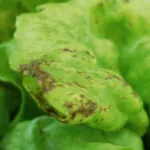 DiseaseLettuce mosaicLettuce mosaic virus
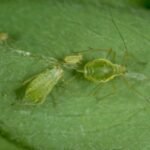 PestBorsó-levéltetűAcyrthosiphon pisum
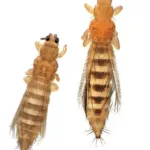 PestOnion thripsThrips tabaci Lindeman
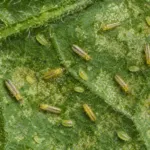 PestMelon thripsThrips palmi Karny
 PestChilli thripsScirtothrips dorsalis Hood
Toxicity and pollen
The mature seeds are an established human food when properly cooked or processed. Raw or undercooked chickpeas can cause digestive discomfort, and individuals with legume allergy may react. The plant is not generally regarded as poisonous to people or pets, but food allergy remains a separate exposure concern.
- Typical season
- Late spring to early summer during flowering in the United States.
- Pollination / pollen
- Mostly retained and transferred within partly closed insect-visited flowers
Chickpea pollen is primarily released within partly closed flowers and is not typically considered a major airborne allergen. Airborne exposure is likely limited compared with wind-pollinated plants, but sensitive people with legume allergy can react to plant material or seeds, and individual pollen sensitivity cannot be ruled out.
Native habitat
The species is a domesticated crop believed to have originated in the central Fertile Crescent, including areas of modern Turkey, Syria, and Iran. It is adapted to temperate, subtropical, Mediterranean, and semi-arid production systems, preferring cool conditions during reproduction and relatively dry weather during pod development.
Interesting fact
Chickpea seeds have been eaten for thousands of years.
Frequently asked questions (FAQ)
The most relevant questions about this plant, with short and direct answers.
🌱Quick care
What is Cicer arietinum commonly called in the United States?⌄
Cicer arietinum is commonly called chickpea in the United States. It is also widely known as garbanzo bean, but chickpea is the preferred common name here.
Is chickpea an annual or perennial plant?⌄
Chickpea is a frost-tender annual legume. It completes its life cycle in one growing season and is normally replanted from seed each year.
🌤️Environment and placement
How much sunlight does chickpea need?⌄
Chickpea needs full sun, meaning at least 6 hours of direct sunlight daily. More sun generally supports stronger growth and better pod production.
What temperatures are best for growing chickpeas?⌄
Chickpeas grow best in cool to moderately warm conditions, generally about 70–80°F during the day. Hot, humid weather can increase disease pressure and reduce pod development.
Can chickpeas tolerate frost?⌄
Young chickpea plants can tolerate light frost, but severe freezes can kill them. Protect seedlings during unusual cold snaps and avoid planting where late freezes are common.
What type of soil is best for chickpeas?⌄
Chickpeas prefer fertile, well-drained loam or sandy loam. Avoid heavy, waterlogged soil because poor drainage can cause seed rot and root diseases.
💧Care and problems
Do chickpeas need a trellis or support?⌄
Most chickpeas do not require a trellis because they form relatively short, bushy plants. Support may be helpful for sprawling plants or in windy locations, but it is not normally necessary.
How often should chickpeas be watered?⌄
Water chickpeas moderately, keeping the soil evenly moist but never saturated. Give plants a thorough watering when the top inch of soil becomes dry, with extra attention during flowering and pod formation.
Do chickpeas need fertilizer?⌄
Chickpeas usually need only modest fertilization when grown in fertile soil. Avoid excessive nitrogen, because legumes can obtain much of their nitrogen through root-nodule bacteria and excess nitrogen may favor foliage over pods.
Why are my chickpea leaves turning yellow?⌄
Yellow chickpea leaves can result from overwatering, poor drainage, nutrient stress, root damage, or disease. Check soil moisture and roots first, then remove severely affected plants if wilt or root rot is suspected.
What diseases commonly affect chickpeas?⌄
Chickpeas can be affected by Ascochyta blight, Fusarium wilt, root rots, damping-off, and other soilborne diseases. Use clean seed, well-drained soil, crop rotation, good airflow, and avoid overhead watering to reduce risk.
How can you prevent Ascochyta blight on chickpeas?⌄
Reduce Ascochyta blight risk by using disease-free or treated seed, spacing plants for airflow, avoiding overhead irrigation, and rotating away from chickpeas for several years. Remove heavily infected plants rather than composting them in a home garden.
What pests commonly attack chickpeas?⌄
Aphids, flea beetles, leafhoppers, mites, cutworms, and pod-feeding caterpillars may attack chickpeas. Inspect plants regularly and use physical removal or a product specifically labeled for the pest and crop when treatment is necessary.
Do chickpeas fix nitrogen in the soil?⌄
Yes, chickpeas can fix atmospheric nitrogen through bacteria living in root nodules. Effective fixation depends on compatible rhizobia, so inoculation may help when chickpeas have not previously been grown in the soil.
🪴Planting and repotting
Can you grow chickpeas in containers?⌄
Yes, chickpeas can be grown in a deep container with drainage holes and fertile, well-drained potting mix. Use a container at least 12 inches deep and provide full sun.
What soil pH do chickpeas need?⌄
Chickpeas generally grow well in soil that is near neutral, roughly pH 6.0–8.0. A soil test can identify whether lime or another amendment is needed before planting.
When should you plant chickpea seeds?⌄
Plant chickpeas in early spring after the soil is workable and the risk of severe freezing has passed. In regions with mild winters, a fall planting may be possible, but local disease and frost conditions matter.
How deep should chickpea seeds be planted?⌄
Plant chickpea seeds about 1–2 inches deep in prepared soil. Deeper planting can be useful in dry soil, but excessively deep or poorly drained conditions may reduce emergence.
How far apart should chickpea plants be spaced?⌄
Space chickpea seeds about 3–6 inches apart in rows roughly 18–24 inches apart. Wider spacing improves airflow, which is helpful where humid weather increases foliar disease risk.
Should chickpea seeds be inoculated before planting?⌄
Using a legume inoculant labeled for chickpeas can improve nodulation when compatible soil bacteria are absent or uncertain. Follow the seed-inoculant label, because not every pea or bean inoculant is suitable for chickpeas.
✂️Propagation and pruning
How do you save chickpea seeds for next year?⌄
Leave healthy pods on the plant until they are fully dry and the seeds rattle inside. Dry the harvested seeds further if necessary, then store them in a cool, dry, airtight container labeled with the variety and harvest year.
Can you grow chickpeas from grocery-store dried beans?⌄
You can sometimes grow chickpeas from untreated dried grocery-store beans, but germination is unpredictable. Certified garden seed is more reliable and may offer better adaptation, disease resistance, and known maturity timing.
Do chickpeas need pruning?⌄
Chickpeas generally do not need pruning. Remove dead or diseased portions only when necessary, and avoid unnecessary handling because damaged foliage can spread disease or reduce plant vigor.
⚠️Toxicity and safety
Are chickpeas toxic to people or pets?⌄
Chickpeas are generally non-toxic as a food crop, but some people and animals can have legume allergies. Never eat chickpeas that are moldy, spoiled, or contaminated, and keep dry seeds away from pets and children who might choke on them.
Can you eat raw chickpeas?⌄
Raw dried chickpeas should not be eaten because they are hard to digest and may contain naturally occurring compounds that are reduced by proper cooking. Soak dried chickpeas and cook them thoroughly before eating.
How should homegrown dried chickpeas be stored?⌄
Store completely dry chickpeas in an airtight container in a cool, dry, dark place. Discard any seeds showing mold, insect damage, unusual odors, or signs of moisture.
🌸Flowering and special interest
How long do chickpeas take to mature?⌄
Chickpeas commonly require about 90–120 days from planting to dry-seed harvest, depending on variety and growing conditions. Cool weather, heat, drought, and disease can lengthen or shorten the season.
When do chickpeas flower?⌄
Chickpeas flower after establishing several weeks of vegetative growth, with timing varying by variety and planting date. Flowers are typically small and may be white, pink, or purplish.
How do you know when chickpeas are ready to harvest?⌄
Harvest dry chickpeas when most pods are brown, dry, and the seeds are firm. Pull or cut the plants, finish drying them in a sheltered ventilated place if needed, and shell the pods once completely dry.
Can you harvest chickpeas green?⌄
Yes, chickpeas can be harvested green while the pods are still plump and the seeds are tender. Green chickpeas are less common than dried chickpeas and should be refrigerated and used promptly.
Similar plants
 Azure Monkshood (Aconitum carmichaelii) care guideAconitum carmichaelii
 Monkshood (Aconitum ‘Stainless Steel’)Aconitum 'Stainless Steel'
 Monkshood (Aconitum ‘Bressingham Spire’)Aconitum 'Bressingham Spire'
 Golden full moon maple (Acer shirasawanum ‘Aureum’)Acer shirasawanum 'Aureum'
 Globosum (Acer platanoides ‘Globosum’)Acer platanoides 'Globosum'
 Striped maple (Acer pensylvanicum) care guideAcer pensylvanicum