
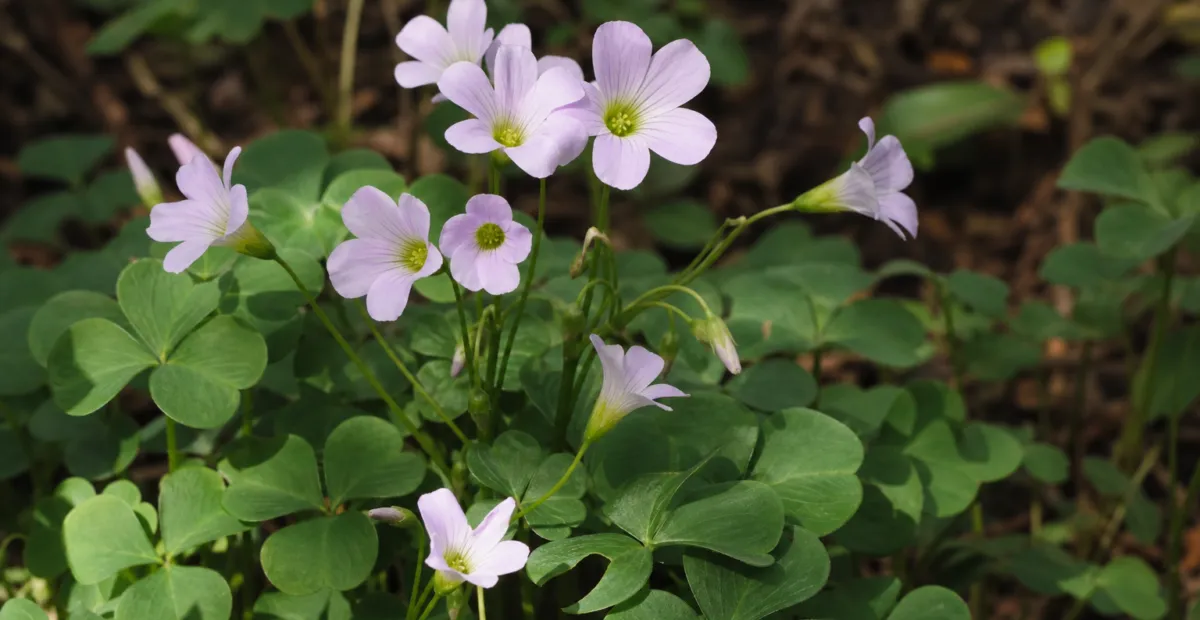
 AI-generated illustration
New Zealand yam (Oxalis tuberosa) short overview
New Zealand yam is a frost-tender Andean tuber crop grown for its colorful, knobbly underground tubers and clover-like foliage. It develops as a low, branching herb during the warm season and usually needs a long, cool growing period before tubers swell in late season. In the United States, grow it in full sun with fertile, evenly moist, well-drained soil, then lift the tubers before hard frost. A frost-tender, tuber-forming perennial herb from the Andes, cultivated mainly for its edible underground tubers. It is commonly grown as an annual in the United States because tubers require a long season and are damaged by freezing soil.
Taxonomic classification
New Zealand yam (Oxalis tuberosa) care guide
Light and placement
Give New Zealand yam a sunny site with at least 6 hours of direct light, preferably with a south-facing exposure in cooler climates. Morning-to-afternoon sun supports strong growth and tuber production. Leggy stems, small leaves and weak branching suggest insufficient light; scorched foliage or severe midday wilt usually indicates heat or root-zone stress rather than a need for shade. In very hot regions, light afternoon shade can reduce stress without making the site dim.
Watering and humidity
Water deeply when the upper inch of soil begins to dry, keeping the root zone evenly moist but never waterlogged. Maintain regular moisture while stems and leaves are actively growing, then reduce watering as foliage naturally declines near harvest. Containers may need watering more often than garden beds. Avoid repeated severe drying, which can limit tuber enlargement, but also avoid saturated soil that encourages rot.
Soil and growing medium
Use loose, fertile soil that drains freely yet holds moderate moisture. A loam amended with finished compost is suitable; heavy clay should be opened with organic matter and, where necessary, raised beds. Avoid compacted soil because developing tubers need room to enlarge. A slightly acidic to neutral reaction is appropriate. Do not use fresh manure or excessively rich, high-nitrogen soil, which can favor foliage over tubers.
Feeding
Incorporate finished compost before planting, then apply a balanced vegetable fertilizer at planting or shortly after emergence according to the product label. A second light feeding during vigorous vegetative growth may be useful in poor soil. Stop heavy nitrogen applications once tuber bulking begins. Do not fertilize dormant plants or waterlogged soil, and avoid high-nitrogen feeding that produces lush stems with disappointing tuber development.
Growth and habit
The plant begins from dormant tubers, produces a seasonal canopy and gradually develops additional tubers below ground. Growth is usually more spreading than upright, with branching stems that can spill from containers. Because the crop is photoperiod-sensitive and late-season tuber formation is important, early planting after frost and a long growing season improve results. Handle stems gently late in the season because the canopy can lodge.
Planting and repotting
Plant healthy dormant tubers in loose soil after frost danger has passed and the ground has warmed. Set them 2–4 inches deep with buds or sprouting points oriented upward, then water thoroughly. Allow enough room for spreading stems and avoid low, poorly drained sites. In short-season areas, start tubers in containers indoors several weeks before planting out, taking care not to disturb new roots.
Use a deep container with drainage holes and a loose vegetable-growing medium. Repot or transplant dormant tubers in early spring before strong shoots develop, or move container-grown plants carefully with the root ball intact. Avoid frequent disturbance during active growth. At season's end, harvest the tubers, clean them gently and store dormant material separately from the exhausted soil.
Propagation and pruning
Propagation
Propagate primarily by planting dormant tubers in spring. Select firm, disease-free pieces with viable buds and keep them cool but frost-free until planting. Botanical seed is possible but uncommon and less dependable because flowering, compatible crossing and seed set are variable. Seed-grown plants may not remain true to a selected clone.
Pruning
No routine pruning is required. Remove damaged or diseased stems promptly and cut back the remaining foliage only after it has naturally yellowed or been killed by frost. Cutting healthy foliage early can reduce the plant's ability to build and enlarge underground tubers.
Overwintering
In regions with freezing winters, lift tubers after foliage dies back or before hard frost. Cure surface moisture briefly, then store firm tubers in a cool, dark, frost-free place in barely moist packing material. Prevent both freezing and excessive warmth. In mild climates, a deep mulch and protected raised bed may work, but reliable overwintering depends on local soil temperatures and drainage.
Uses
The primary use is as an edible Andean tuber crop. Tubers may be cooked and used similarly to potatoes or other starchy root vegetables, though flavor and texture vary by clone. It is also suitable for experimental food gardens, raised beds and large containers. Because Oxalis species contain soluble oxalates, use only correctly identified, properly prepared tubers from a food-grade source and avoid treating ornamental or unknown material as edible.
Appearance
New Zealand yam has soft, branching green stems and palmately trifoliate leaves composed of three rounded to heart-shaped leaflets. The foliage resembles other woodsorrels but the plant is distinguished by its underground edible tubers and cultivated crop habit. Tubers vary widely by clone, often becoming elongated, ridged or knobbly, with skins and flesh in white, yellow, orange, pink or red shades.
Flowering
Flowers are typically small and five-petaled, with yellowish coloration. Flowering is inconsistent among clones and growing conditions, and plants may flower late in the season after a substantial vegetative period. The species retains tristylous floral forms, with three relative style and stamen heights, and compatible cross-pollination is generally needed for dependable seed set.
Pollination and visitors
Controlled pollination research documents bumblebees, including Bombus funebris, successfully transferring pollen among oca flowers. The species is tristylous and largely self-incompatible, so compatible cross-pollination is important for seed production. Evidence for a broad range of United States garden visitors is limited; do not assume that every common bee or butterfly regularly pollinates this crop.
Oxalis tuberosa photos
Click any photo for a larger view. Source, author and license are shown separately.
Diseases and pests
Diseases
The main prevention strategy is clean planting stock, crop rotation and excellent drainage. Inspect tubers for soft rot, discoloration or foul odor and discard affected material rather than replanting it. Avoid overhead irrigation, prolonged saturation and planting into cold, compacted soil. Remove declining foliage after harvest and do not save tubers from diseased plants.
Pests
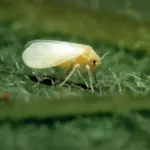
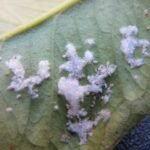
Watch for aphids, whiteflies, slugs and snails on foliage, especially in humid or sheltered sites. Inspect plants regularly, remove pests by hand or use a strong water spray where practical, and keep weeds controlled around containers and beds. Use labeled controls only when necessary and follow the product's vegetable-crop directions and preharvest intervals.
Related diseases and pests
Only Plant Doctor profiles whose host data indicate this plant may be affected are shown here.

Toxicity and pollen
Oxalis species contain soluble oxalates, while Oxalis tuberosa is also cultivated as a food plant. Edibility applies to correctly identified, food-grade tubers prepared as intended, not automatically to leaves, stems or unknown plant material. Eating large amounts of raw plant tissue may cause gastrointestinal irritation and can be hazardous for susceptible individuals. Keep stored planting tubers away from children and pets, and contact Poison Control or a veterinarian after significant ingestion.
- Typical season
- During late-season flowering
- Pollination / pollen
- Pollen is released from exposed anthers during flowering; airborne-allergy behavior is not well characterized.
Oxalis tuberosa is insect-pollinated, and its pollen-allergy importance in the United States is not well documented. Insect pollination does not prove that airborne exposure is zero, so people with strong pollen sensitivity should avoid handling flowering plants closely if symptoms occur. Remove spent flowers and wash hands after garden work as ordinary precautions.
Native habitat
The crop is associated with cool, high-elevation Andean agricultural environments and subtropical mountain climates. It is adapted to a long season with moderate temperatures, fertile soils and regular moisture rather than prolonged heat or freezing conditions. The cultivated species has a complex domestication history, and its wild ancestral relationship is not fully resolved.
Interesting fact
Oca is an octoploid crop with 64 chromosomes. Its flowers retain a three-form tristylous breeding system. It is propagated mainly by tubers rather than botanical seed. Tuber colors and shapes vary substantially among cultivated clones. Tuber bulking is favored by a long late season.
Frequently asked questions (FAQ)
The most relevant questions about this plant, with short and direct answers.
🌱Quick care
What is Oxalis tuberosa, or New Zealand yam?⌄
Oxalis tuberosa is an edible, tuber-forming plant in the Oxalidaceae family, commonly called New Zealand yam in the United States. It is also known internationally as oca and is grown primarily for its colorful underground tubers.
Is New Zealand yam a true yam?⌄
No, New Zealand yam is not a true yam; it is a tuberous species of Oxalis. Its edible tubers are harvested and cooked more like potatoes.
🌤️Environment and placement
How much sun does New Zealand yam need?⌄
Grow New Zealand yam in full sun for the strongest growth and best tuber production. In very hot climates, afternoon shade may help reduce heat stress, but too much shade can lower yields.
What USDA hardiness zones can grow New Zealand yam?⌄
New Zealand yam is best grown as a frost-sensitive seasonal crop in much of the United States rather than as a dependable outdoor perennial. In colder regions, plant after the last spring frost and harvest before or immediately after the first fall frost.
What soil is best for Oxalis tuberosa?⌄
Use fertile, loose, well-drained loam that allows tubers to expand easily. Improve compact or clay soil with compost and grow in raised beds or containers if drainage is poor.
💧Care and problems
How often should I water New Zealand yam?⌄
Keep the soil evenly moist throughout active growth, especially during summer and while tubers are forming. Water deeply when the surface begins to dry, but do not leave the plant in saturated soil.
Does New Zealand yam need fertilizer?⌄
Yes, New Zealand yam benefits from fertile soil and a moderate application of balanced vegetable fertilizer or compost at planting. Avoid excessive nitrogen, which can encourage leafy growth at the expense of tubers.
Why is my New Zealand yam producing leaves but few tubers?⌄
Few tubers usually result from insufficient growing time, excessive nitrogen, drought, shade, or an early frost. The plant often develops most of its tuber mass late in the season, so maintain moisture and protect it from frost.
Why are the tubers of my New Zealand yam appearing above the soil?⌄
New Zealand yam tubers can form near the soil surface and become exposed as stems spread or soil settles. Add a light layer of loose soil or mulch to cover them without burying the foliage.
What pests and diseases affect New Zealand yam?⌄
New Zealand yam generally has relatively few serious pest or disease problems, but slugs, snails, rodents, and tuber rots can occur. Good drainage, clean planting material, and regular inspection help prevent major losses.
Can I sweeten New Zealand yam after harvest?⌄
Yes, exposing harvested tubers to sunlight for several days can reduce some of the sharp oxalate-related flavor and increase sweetness. Protect them from freezing, rain, animals, and excessive heat during this curing period.
🪴Planting and repotting
When should I plant New Zealand yam?⌄
Plant New Zealand yam tubers in spring after the danger of frost has passed and the soil has begun to warm. In much of the United States, this usually means April through May, depending on local climate and elevation.
How deep should I plant New Zealand yam tubers?⌄
Plant sprouted tubers about 3 to 4 inches deep with the sprouts facing upward. Space plants roughly 12 to 18 inches apart so the developing tubers have room to expand.
Can I grow New Zealand yam in a container?⌄
Yes, New Zealand yam grows well in a large container filled with fertile, well-drained potting mix. Choose a container at least 12 inches deep and wide, provide full sun, and keep the mix evenly moist.
Should New Zealand yam be grown in raised beds?⌄
Raised beds are useful when native soil is heavy, compacted, or poorly drained. They also make it easier to mound soil around exposed tubers and dig the crop at harvest.
How long does New Zealand yam take to mature?⌄
New Zealand yam commonly needs about six months or a long frost-free growing season to produce a useful tuber crop. Tuber enlargement accelerates late in the season as daylight shortens.
When should I harvest New Zealand yam?⌄
Harvest New Zealand yam after the foliage dies back naturally and before prolonged hard freezing. A light frost may improve sweetness in some climates, but hard frost can damage the tubers and remaining stems.
How do I harvest New Zealand yam without missing tubers?⌄
Lift the plant carefully with a garden fork and sift through the surrounding soil because small tubers can remain attached to stems or hidden underground. Remove leftover tubers if you do not want volunteer plants the following season.
How should I store New Zealand yam tubers?⌄
Store undamaged tubers in a cool, dry, dark, well-ventilated place for a few months. Keep them from freezing and check periodically for softening, mold, or rot.
✂️Propagation and pruning
How do I propagate Oxalis tuberosa?⌄
Propagate Oxalis tuberosa primarily by planting its small underground tubers. Select firm, healthy tubers with visible buds, then plant them in spring with the buds facing upward.
Can New Zealand yam be grown from seed?⌄
Seed propagation is possible but uncommon and less reliable than planting tubers. The crop is normally maintained by vegetative propagation because seed may be difficult to obtain and seedlings may not reproduce the parent plant exactly.
Can I propagate New Zealand yam from leaf cuttings?⌄
No, leaf cuttings are not the standard way to propagate New Zealand yam. Use intact tubers or pieces containing viable buds instead.
Should I prune New Zealand yam?⌄
Routine pruning is unnecessary because the foliage supplies energy for tuber development. Remove only damaged or diseased growth, and wait for the plant to die back naturally before harvesting.
⚠️Toxicity and safety
Is New Zealand yam edible?⌄
Yes, the tubers of properly identified Oxalis tuberosa are edible and are commonly boiled, roasted, steamed, or otherwise cooked. Flavor and oxalate levels vary among cultivars.
Does New Zealand yam contain oxalates?⌄
Yes, New Zealand yam contains oxalates, with relatively higher concentrations commonly found in the skin. People who need to restrict dietary oxalate, have kidney-stone concerns, or have kidney disease should consult a healthcare professional before eating it regularly.
Should New Zealand yam tubers be peeled before eating?⌄
Peeling can reduce exposure to the oxalate-rich skin, although preparation practices vary by cultivar and recipe. Cook the tubers thoroughly and avoid treating them as interchangeable with unrelated Oxalis species.
Can pets eat New Zealand yam?⌄
Do not intentionally feed New Zealand yam foliage or tubers to pets because Oxalis species contain oxalates and animal tolerance can vary. Contact a veterinarian or animal poison service if a pet consumes a significant amount or develops symptoms.
🌸Flowering and special interest
Does New Zealand yam flower?⌄
Yes, New Zealand yam can produce small yellow flowers, although flowering may be inconsistent in short-season or frost-prone areas. Flowering is not required for a harvest because the crop is normally propagated from tubers.
Why is my New Zealand yam not flowering?⌄
Lack of flowering may result from an insufficiently long season, excessive shade, heat stress, or an early frost. Flowering is secondary to tuber production, so a plant can still form edible tubers without producing many flowers.
Similar plants
 Azure Monkshood (Aconitum carmichaelii) care guideAconitum carmichaelii
 Monkshood (Aconitum ‘Stainless Steel’)Aconitum 'Stainless Steel'
 Monkshood (Aconitum ‘Bressingham Spire’)Aconitum 'Bressingham Spire'
 Golden full moon maple (Acer shirasawanum ‘Aureum’)Acer shirasawanum 'Aureum'
 Globosum (Acer platanoides ‘Globosum’)Acer platanoides 'Globosum'
 Striped maple (Acer pensylvanicum) care guideAcer pensylvanicum