Apple rust mite
Aculus schlechtendaliApple rust mite overview
Apple rust mite, Aculus schlechtendali, is a minute eriophyid mite that feeds mainly on apple foliage and developing fruit. Most infestations remain below damaging levels and can support predatory mites, but outbreaks may cause leaf silvering, lengthwise curling, reduced terminal growth and russeting on susceptible apples, especially when natural enemies are disrupted.
Typical conditions
Overview
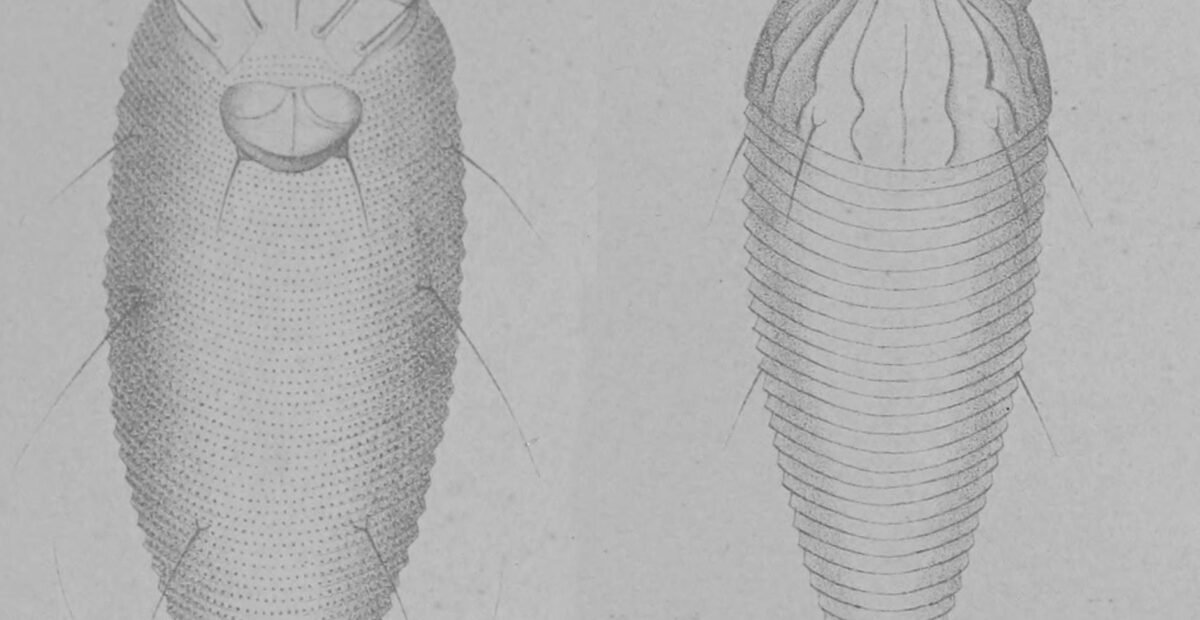
Aculus schlechtendali is commonly called apple rust mite in the United States. It is an eriophyid mite, not a fungal rust disease. Adults are yellowish, wedge- or sausage-shaped and approximately 0.17 mm long, so a strong hand lens or microscope is normally required for confirmation.
The mite feeds primarily on the undersides of apple leaves and on young developing tissues. In many orchards it is a minor pest or a useful alternate food source for predatory mites. Management is justified only when scouting confirms an unusually high population together with persistent injury or a market-quality risk such as fruit russeting.
Symptoms and identification
- Leaves may develop a dull, pale, bronzed or silvery appearance.
- Young leaves can curl lengthwise, particularly along the midrib.
- Heavy feeding may injure terminal growth and reduce shoot extension.
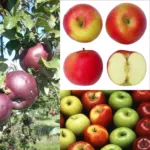
- Feeding on young fruitlets can contribute to russeting, especially on susceptible green- or fair-skinned cultivars.
- Symptoms are not diagnostic by themselves; spider mites, herbicide injury, weather stress and other eriophyid mites can look similar.
Confirm suspected infestations by examining leaf undersides, midribs and young shoots with a 10–20× hand lens, or submit representative material to a county Extension diagnostic service.
Causes and spread
Damage results from the mite’s piercing-sucking feeding on expanding apple tissues. Females overwinter in protected sites, especially beneath bud scales and in bark crevices, then move onto newly expanding foliage at budbreak. Populations can increase through several rapid generations during spring and early summer.
Outbreaks are more likely where broad-spectrum insecticides or miticides eliminate phytoseiid and other predatory mites, where repeated pesticide use causes secondary mite problems, or where susceptible apple cultivars are grown. Wind, foliage contact and movement of infested nursery or scion material can contribute to local spread.
Life cycle and persistence
Apple rust mite overwinters primarily as adult females under apple bud scales and in bark crevices. At budbreak, females colonize young leaves, feed and lay eggs. Eggs hatch into immature stages that develop rapidly; under favorable conditions, a generation may be completed in roughly 10–14 days.
Several generations may occur before overwintering females are produced in late July or early August. These females move back toward bud scales and other protected sites for diapause. Exact timing varies with temperature, cultivar, orchard conditions and latitude across the United States.
Treatment and control
Most apple rust mite populations do not require treatment. First verify the mite and assess whether injury is increasing or whether fruit russeting is a significant cultivar-specific concern. In commercial orchards, use standardized leaf sampling and local Extension or crop-advisor thresholds where available.
When intervention is warranted, use the least disruptive effective option and apply it at the locally recommended timing, with thorough coverage of susceptible foliage. Avoid routine calendar sprays because they can remove natural enemies and trigger more serious mite outbreaks. Reassess after treatment rather than repeating applications automatically.
Low-impact and biological control
Conserve naturally occurring phytoseiid predatory mites, including Typhlodromus and other beneficial species, by reducing disruptive pesticide use and maintaining a diverse orchard environment. Predatory mites can suppress apple rust mite and also help regulate European red mite and twospotted spider mite.
For home orchards, remove badly infested shoots, reduce plant stress, wash small trees with a forceful but non-damaging water spray, and monitor recovery. Commercial biological-control releases may be useful where compatible predators are available, but effectiveness depends on release timing, humidity, prey density and pesticide compatibility.
Prevention
- Choose apple cultivars and rootstock combinations suited to the site and avoid planting chronically stressed trees.
- Maintain consistent irrigation during drought and avoid excessive nitrogen that produces overly succulent growth.
- Scout from budbreak through midsummer, concentrating on young leaves, leaf midribs and fruitlets.
- Use a 10–20× hand lens and record mite presence, symptom progression and beneficial mite activity rather than treating from symptoms alone.
- Prune and dispose of severely infested shoots when practical, especially in small home orchards.
- Protect predatory mites by minimizing unnecessary broad-spectrum insecticide and miticide applications.
- Inspect newly purchased nursery trees and scionwood before placing them near established apples.
Interesting facts
- Apple rust mites are so small that unaided visual identification is generally impossible.
- Low populations may be ecologically useful because they provide alternate prey for predatory mites.
- Early-season feeding on fruitlets has been associated with russeting at harvest in susceptible apple cultivars.
- The species is highly associated with apple; reports from other plants should be verified carefully because eriophyid mites often have narrow host relationships.
- Apple rust mite is unrelated to cedar-apple rust, which is a fungal disease caused by Gymnosporangium species.
Use chemical control only when confirmed populations and injury justify intervention. In the United States, select only a product currently legally registered and labeled for apple rust mite or the applicable mite use on the specific crop and site in your state. Follow the current label exactly, including rate, timing, preharvest interval, personal protective equipment, reentry interval and pollinator precautions. Confirm registration and local restrictions with your state pesticide regulatory agency or Extension service; do not rely on an old product name or a label from another country.
Affected plants
The plants below are linked to this problem by structured host-plant data. The list updates automatically as new plant profiles are added.