Chicory (Cichorium intybus) short overview
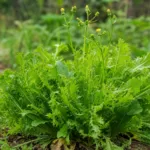
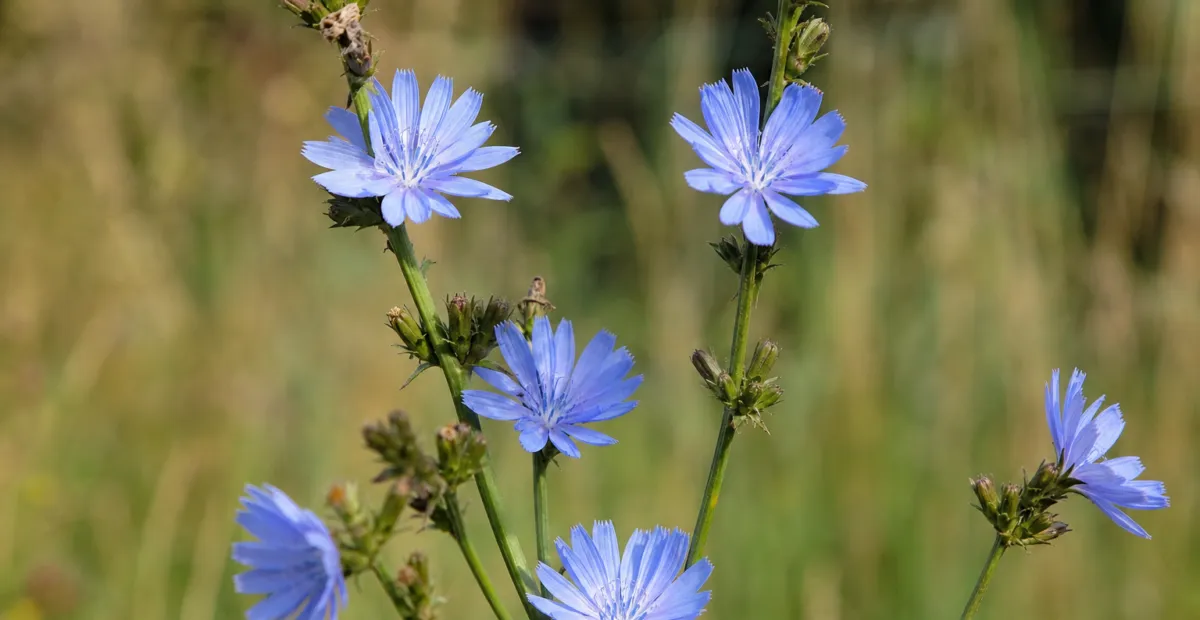
Chicory (Cichorium intybus) is a deep-rooted herbaceous perennial with a basal rosette, branching flower stems, and vivid blue flower heads that open mainly in the morning. Native from Europe through Central Asia and northern Africa, it is widely naturalized in the United States, where it commonly grows along roadsides, field margins, and other disturbed sunny sites. Selected forms provide salad greens, forced chicons, roots for flavoring, and forage.
Taxonomic classification
Chicory (Cichorium intybus) care guide
Light and placement
Give chicory full sun, ideally in an open bed with at least 6 hours of direct light. A south- or west-facing position suits flowering and root development. Weak light produces lankier stems and poorer flowering, while intense heat is usually tolerated if the root zone drains well. Morning sun is especially useful because the flower heads commonly open early.
Watering and humidity
Water deeply after sowing and during establishment, keeping the seedbed evenly moist without making it soggy. Once the taproot is established, allow the surface to dry somewhat between waterings; chicory is moderately drought tolerant. During prolonged summer heat, water deeply when the upper several inches of soil become dry. Extra humidity is unnecessary.
Soil and growing medium
Use moderately fertile, sharply drained soil with a sandy or loamy structure. Chicory tolerates calcareous ground and a fairly broad pH range, but persistent saturation can damage the long taproot. Avoid compacted sites if growing it for roots or salad production.
Feeding
Chicory generally needs only modest fertility. Incorporate finished compost before planting and use a balanced fertilizer only when growth is weak or a soil test indicates a deficiency. Avoid heavy nitrogen feeding late in the season, especially for root crops, because it can produce lush foliage at the expense of root quality.
Growth and habit
The plant forms a persistent basal rosette and sends up flowering stems from a deep taproot. It tolerates dry, disturbed sites and can persist for several seasons. Remove spent flowering stems before seed ripening if self-sowing is unwanted; digging out the full root is more effective than shallow hoeing.
Planting and repotting
Sow directly outdoors after the soil can be worked, or make a late-summer sowing for an overwintering rosette. Cover seed about 1/4 to 1/2 inch deep. Thin seedlings early and allow room for the taproot. Avoid very early sowing of leaf cultivars, which can encourage premature bolting.
Repotting is rarely worthwhile because the long taproot is easily damaged. If a container crop is needed, sow directly into a deep pot and avoid disturbing established roots. Forced chicons are produced by lifting mature roots and placing them in a deep container of moist compost.
Propagation and pruning
Propagation
Sow seed directly in spring or late summer. Chicory can also be propagated from root pieces, although root disturbance is undesirable for plants being grown for a clean taproot. Allow seed heads to mature only where volunteer spread is acceptable.
Pruning
Cut flowering stems after bloom if you want to reduce reseeding, or harvest leaves regularly for greens. For a tidy perennial display, remove dead foliage after it collapses. Dig out the entire taproot when eradication is necessary; cutting only the crown may allow regrowth.
Overwintering
Established plants generally overwinter outdoors in much of USDA Zones 3–9. In colder areas, a light mulch over the crown after the ground freezes can reduce winter heaving. Container roots are more exposed to cold and should be protected in an unheated sheltered space if grown for forcing.
Uses
Use cultivated forms for salad greens, roots for roasting or coffee-style flavoring, forced chicons, and forage. The blue flowers can add seasonal color and nectar resources, but planting is best confined where volunteer spread can be monitored. Do not make medicinal claims from traditional-use records alone.
Appearance
The basal rosette has toothed, dandelion-like leaves, while upper stem leaves are smaller and clasp or partly clasp the branching stems. A long, pale taproot anchors the plant. The combination of a low rosette, wiry flowering stems, and intense blue heads is distinctive in summer roadside vegetation.
Flowering
Each flower head is a cluster of many blue strap-shaped florets, not a single simple flower. Heads usually open in the morning and close later in the day, especially after pollination or under dull conditions. Flowering stems branch above the basal rosette, and mature plants can produce abundant seed.
Pollination and visitors
Documented flower visitors are dominated by bees, including honey bees and solitary bees, with bumblebees and smaller numbers of hoverflies, butterflies, and beetles also recorded. Flowers open early in the day, so morning bloom is the most useful period for observing visits.
Cichorium intybus photos
Click any photo for a larger view. Source, author and license are shown separately.
Diseases and pests
Diseases
Reduce disease pressure with well-drained soil, good airflow, crop rotation, and clean seed. Watch for fungal leaf spots, damping-off in crowded seedlings, and crown or root rots in wet ground. Remove badly affected plants and avoid overhead irrigation when foliage stays wet.
Pests
Common problems include aphids, flea beetles, slugs, snails, and leaf-chewing insects. Inspect young growth regularly, use row cover for seedlings where appropriate, hand-pick slugs and snails, and avoid broad-spectrum insecticides during bloom. Remove heavily infested foliage rather than treating minor damage aggressively.
Toxicity and pollen
Kew reports that the milky sap may irritate skin or aggravate skin allergies. Chicory is also used as a food plant, but correct identification and appropriate culinary preparation remain important. Wear gloves when handling sap if you have sensitive skin, and seek medical or veterinary advice after a significant exposure.
- Typical season
- Late spring through summer in most of the United States
- Pollination / pollen
- Insect-dispersed pollen; airborne exposure is possible
Chicory produces pollen, and published allergology literature includes documented occupational respiratory sensitization to inhaled chicory dust or allergens. General outdoor exposure risk is not well quantified for the species in the United States, so people with Asteraceae or chicory sensitivity should avoid handling dry plant material during flowering and seed processing.
Native habitat
Native populations occur across Europe, northern Africa, and western and central Asia. It favors dry, sunny field margins, roadsides, waste ground, and other recently disturbed habitats, usually on well-drained soils. In North America it is widely naturalized and generally associated with disturbed rather than intact habitats.
Interesting fact
Chicory has been cultivated as a food plant since antiquity. Root cultivars can be roasted for a coffee-style flavor, while selected forms are forced in darkness to produce pale chicons. The species can regrow from root pieces, which helps explain its persistence as a roadside weed.
Frequently asked questions (FAQ)
The most relevant questions about this plant, with short and direct answers.
🌱Quick care
What is chicory (*Cichorium intybus*)?⌄
Chicory is a blue-flowering herb in the daisy family, Asteraceae, that grows as a biennial or short-lived perennial. It forms a deep taproot and is widely naturalized in the United States.
Is chicory easy to grow?⌄
Yes, chicory is generally easy to grow because it tolerates poor soil, drought, cold, and roadside-like conditions once established. Its long taproot makes transplanting more difficult than growing it from seed.
How much sunlight does chicory need?⌄
Chicory grows best in full sun, ideally with at least 6 hours of direct sunlight daily. It can tolerate some light shade, but reduced light may produce weaker stems and fewer flowers.
How often should I water chicory?⌄
Water chicory moderately while it is establishing, keeping the soil lightly moist but not waterlogged. Mature plants are drought tolerant because of their deep taproot, although prolonged drought can reduce growth and flowering.
🌤️Environment and placement
What kind of soil does chicory prefer?⌄
Chicory prefers well-drained sandy or loamy soil and can tolerate a fairly wide range of soil types. Avoid persistently wet, compacted, or heavy clay soil because poor drainage can damage its taproot.
What USDA hardiness zones can grow chicory?⌄
Chicory is broadly hardy across USDA Zones 3 through 9. Local performance can vary with cultivar, drainage, winter exposure, and summer heat.
Can chicory grow in poor soil?⌄
Yes, chicory can grow in relatively poor soil, especially if the soil drains well. A soil test is useful when growing it as forage or when foliage production is more important than flowers.
Can chicory tolerate drought?⌄
Yes, established chicory is notably drought tolerant because it develops a deep taproot. Water plants during prolonged dry periods, particularly in their first growing season.
Can chicory tolerate heat and humidity?⌄
Chicory tolerates cold well but may struggle in hot, humid summers, especially in the southern United States. Afternoon shade and consistent moisture can reduce stress in very hot locations.
Is chicory invasive in the United States?⌄
Chicory is introduced and naturalized throughout much of the United States, and it is considered invasive or weedy in some states and settings. Check your state and local plant regulations before intentionally planting it near natural areas.
💧Care and problems
Why is my chicory wilting even though the soil is wet?⌄
Wilting in wet soil often indicates root stress caused by poor drainage or root damage rather than a need for more water. Move container plants to a well-drained medium and avoid irrigation until the soil surface begins to dry.
Why is my chicory not flowering?⌄
Chicory may not flower during its first season because it often spends that period forming a basal rosette and root. Flowering usually begins in a later season when the plant receives adequate sun and experiences suitable temperatures.
How tall does chicory get?⌄
Chicory commonly grows about 2 to 4 feet tall and roughly 1 foot wide, although mature flowering stems can become taller under favorable conditions. Forage types may develop different heights depending on mowing or grazing.
What pests and diseases affect chicory?⌄
Chicory can be affected by root and crown diseases, especially in poorly drained soil or long-lived forage stands. General problems also include chewing insects and competition from weeds, but serious pest problems are not usually its main care issue.
Should I fertilize chicory?⌄
Usually, chicory needs little fertilizer when grown as an ornamental or wildflower. If it is grown for forage or heavy leaf production, fertilize according to a soil test because excessive nitrogen can encourage tall, stemmy growth.
🪴Planting and repotting
When should I plant chicory seeds in the United States?⌄
Spring is generally the safest seeding season in regions with severe winters, while late-summer or fall planting can work in milder areas. Time sowing so seedlings establish before severe heat or freezing weather.
How deep should chicory seeds be planted?⌄
Plant chicory seeds about 1/8 to 1/2 inch deep in a firm seedbed. Good seed-to-soil contact is important because the seeds are small and shallow planting helps emergence.
Can chicory be grown in a container?⌄
Chicory can be grown in a container, but the pot should be deep enough for its long taproot and have excellent drainage. Container plants may require more frequent watering and are less protected from temperature extremes.
Can I transplant chicory?⌄
You can transplant young chicory, but success is less reliable because the plant develops a long taproot that is easily damaged. Direct sowing is usually preferable, or transplant seedlings while they are still small.
✂️Propagation and pruning
How do you propagate chicory?⌄
Chicory is most commonly propagated by seed, either by direct sowing or by starting young seedlings. It can also regrow from root pieces, which helps explain why unwanted plants can be difficult to remove completely.
Does chicory self-seed?⌄
Yes, chicory can self-seed freely after flowering if mature seed heads are left in place. Remove spent flowers before seed forms if you want to limit its spread.
Should I deadhead chicory?⌄
Deadhead chicory to reduce self-seeding and keep the plant from spreading into unwanted areas. If you want natural reseeding or seed collection, leave some flowers until the seed heads mature.
Can chicory be cut back?⌄
Yes, chicory can be cut back after flowering or when it becomes tall and untidy. Cutting does not reliably eliminate the plant because its taproot may support regrowth.
⚠️Toxicity and safety
Is chicory toxic to people?⌄
Chicory is generally considered a low-concern plant, and its leaves and roasted roots have a history of food use. Do not consume plants from roadsides or areas treated with chemicals, and avoid medicinal use without qualified advice.
Can chicory sap irritate skin?⌄
Yes, the milky sap released from cut chicory roots or stems may irritate sensitive skin. Wear gloves when handling damaged plants and wash exposed skin with soap and water.
Is chicory safe for dogs and cats?⌄
Chicory is generally regarded as having low toxicity, but pets may develop stomach upset after eating unfamiliar plant material. Contact a veterinarian or animal poison-control service if a pet eats a large amount or develops symptoms.
🌸Flowering and special interest
When does chicory bloom?⌄
Chicory usually blooms from late spring or summer into fall, depending on climate and local conditions. Its bright blue flower heads often open in the morning and may close later in the day.
What color are chicory flowers?⌄
Chicory flowers are typically bright blue, although occasional pink or white flowers may occur. The flower heads resemble small daisies and are carried along branched, upright stems.
Does chicory attract pollinators?⌄
Yes, chicory flowers provide nectar and pollen for various insects, including bees and other pollinators. Its value is greatest when flowers are available in sunny, open areas.
Is chicory a perennial or biennial?⌄
Chicory is commonly described as a biennial or perennial herb because individual plants may flower in their second year and sometimes persist longer. Its lifespan varies with climate, cultivar, mowing, grazing, and site conditions.