Endive (Cichorium endivia) short overview
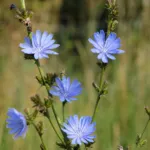
Endive (Cichorium endivia) is a cool-season leafy vegetable grown for crisp salad leaves and compact blanched hearts. This annual or biennial member of the daisy family forms a low basal rosette and performs best in fertile, moisture-retentive but well-drained soil. Full sun encourages strong growth, while light afternoon shade can help reduce bolting in warm climates. Plants may develop small blue flower heads when left to mature.
Taxonomic classification
Endive (Cichorium endivia) care guide
Light and placement
Grow in full sun for compact, vigorous plants, with about 6 or more hours of direct light where possible. In hot-summer regions, provide light afternoon shade or use a location with eastern exposure to slow bolting. Pale, stretched growth suggests insufficient light; scorched edges, midday wilt, or rapid bolting can indicate excessive heat and stress.
Watering and humidity
Keep the root zone evenly moist, watering deeply whenever the surface begins to dry rather than applying frequent shallow splashes. Increase attention during warm or windy periods and reduce watering during cool, rainy weather. Mulch lightly to moderate soil temperature and moisture, but keep mulch away from the crown to reduce rot risk.
Soil and growing medium
Use fertile, compost-enriched loam that holds even moisture without becoming waterlogged. A loose root zone supports uniform rosette growth and reduces stress-related bolting. Slightly acidic to neutral soil is suitable; avoid compacted clay and very dry, rapidly draining beds unless amended with organic matter.
Feeding
Incorporate finished compost before planting. If growth is pale or slow, apply a balanced vegetable fertilizer at label rate after thinning or establishment, then avoid repeated high-nitrogen feeding that can produce soft, overly lush leaves. Stop fertilizing heavily as harvest approaches and do not feed drought-stressed plants until the soil is watered.
Growth and habit
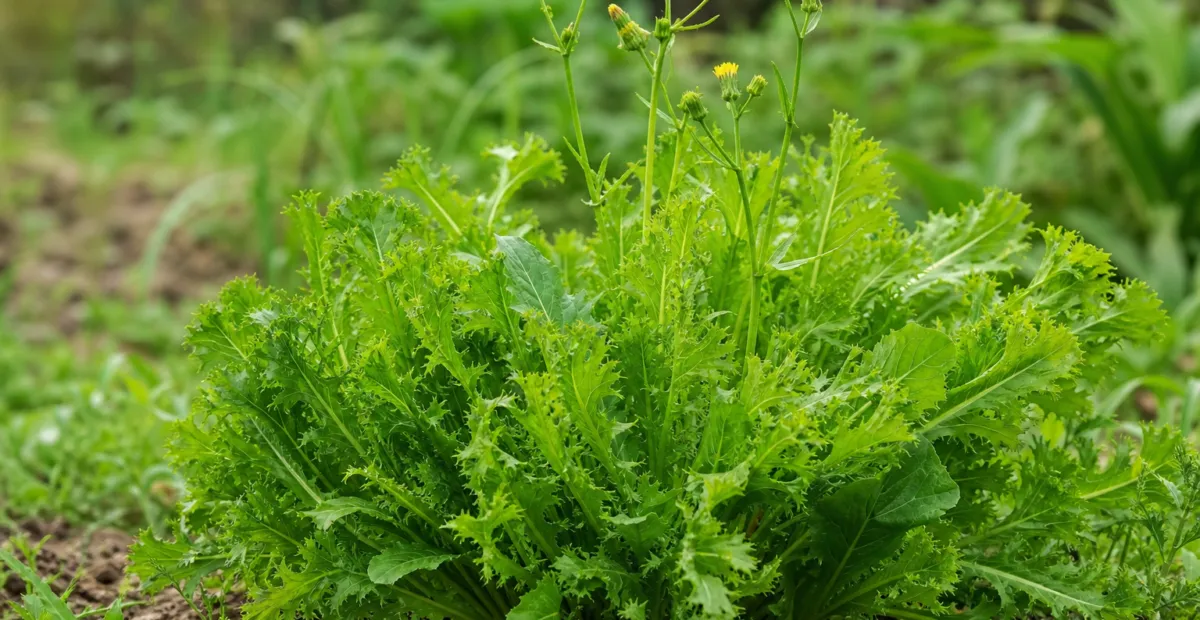
Endive begins as a compact basal rosette and grows rapidly during cool weather. Warmth, long days, drought, crowding, or delayed harvest can trigger bolting. Harvest outer leaves progressively or cut the whole plant near the crown; timely harvest helps preserve tenderness and reduces bitterness.
Planting and repotting
Sow directly in the garden or transplant young starts. Plant seeds about 1/4 inch deep and thin seedlings to roughly 8–12 inches apart, depending on cultivar and whether baby leaves or full heads are wanted. Schedule plantings for cool spring or fall weather; in much of the United States, late-summer sowing is particularly reliable for fall harvest.
Container-grown endive is usually harvested before repotting is needed. If transplanting starts, move young plants while small, disturbing the roots as little as possible, into a container at least 8 inches deep with drainage holes.
Propagation and pruning
Propagation
Propagate from seed. Direct sowing is simplest, while transplants can be started in trays and moved while young. For a continuous supply, sow small batches at intervals suited to the local cool season. Seed production requires allowing plants to bolt and mature rather than harvesting the rosette.
Pruning
No ornamental pruning is required. Harvest outer leaves as needed or cut the entire rosette just above the crown. Remove bolting stems if the goal is continued leaf production; leave selected stems only when saving seed.
Overwintering
Usually grown as a seasonal annual. In mild areas, fall plantings may continue through light frosts; protect with floating row cover, a low tunnel, or cold-frame cover when temperatures are expected to fall well below freezing. Hard freezes can damage leaves and crowns.
Uses
Primarily used as a culinary leafy vegetable in salads, sandwiches, soups, braises, and cooked greens. Young leaves are milder; mature leaves can be more bitter. Compact hearts may be blanched for a paler texture and flavor. No medicinal use is asserted here.
Appearance
The plant forms a dense basal rosette of smooth to deeply cut, often strongly lobed leaves. Leaf texture and margin vary among cultivars, from broad and gently crinkled to narrow and frilly. When plants bolt, branched stems rise above the rosette and carry small blue composite heads.
Flowering
If not harvested, endive bolts and produces branched flowering stems bearing small blue to bluish-lavender composite flower heads. The heads typically open in warm summer weather and may close later in the day or under dull conditions. Flowering marks the transition toward seed production and is commonly associated with tougher, more bitter leaves.
Pollination and visitors
Bolted plants offer small nectar and pollen resources to generalist insects, especially bees and hoverflies, but the species is usually harvested before flowering and is not a major dedicated pollinator plant.
Cichorium endivia photos
Click any photo for a larger view. Source, author and license are shown separately.
Diseases and pests
Diseases
Reduce disease by rotating crops, spacing plants for airflow, watering at the soil line, and removing crowded or senescing leaves. Common problems can include damping-off in seedlings, downy mildew, and various leaf spots, especially during prolonged cool wet weather. Use clean seed, avoid overhead irrigation, and remove badly affected plants.
Pests
Watch for aphids, slugs, snails, leafminers, and caterpillars. Inspect the leaf undersides, use hand removal or barriers for slugs and snails, keep beds weed-free, and encourage beneficial insects. Harvesting promptly and using row cover over young plants can reduce pest damage without routine broad-spectrum insecticide.
Toxicity and pollen
Endive is a cultivated edible vegetable and is not generally regarded as poisonous to people or pets. Rare individual allergic reactions to chicory-related foods have been reported, so anyone with known Asteraceae or endive sensitivity should avoid eating it and seek medical advice for symptoms.
- Typical season
- Usually summer in the United States when plants bolt
- Pollination / pollen
- Insect-dispersed pollen
Endive produces pollen only when it flowers. Its small insect-pollinated flower heads are unlikely to create the same widespread airborne pollen exposure as wind-pollinated plants, but sensitive individuals may still react to flowering plants or to the edible tissue. Documented food-allergy reports are rare and should not be confused with seasonal pollen allergy.
Native habitat
The cultivated species is associated with Mediterranean and eastern Mediterranean origins and is now grown widely in temperate regions. In cultivation it favors open, fertile soils with reliable moisture and cool-to-mild temperatures rather than hot, drought-prone conditions.
Interesting fact
Endive is harvested both as loose leafy greens and as compact hearts. Some cultivars are blanched by excluding light from the center, producing paler, less bitter inner leaves. Plants allowed to bolt can become noticeably tougher and more bitter. The species is closely related to other cultivated chicories but is distinct from Cichorium intybus.
Frequently asked questions (FAQ)
The most relevant questions about this plant, with short and direct answers.
🌱Quick care
How do you care for endive (Cichorium endivia)?⌄
Grow endive in full sun to partial shade, fertile well-drained soil, and evenly moist conditions. It is a cool-season vegetable that produces the best leaves before prolonged heat causes bitterness or bolting.
Is endive easy to grow?⌄
Endive is moderately easy to grow when temperatures stay cool and the soil remains consistently moist. Timing is the main challenge because heat, drought, and long days can reduce quality.
What is the difference between endive and escarole?⌄
Endive and escarole are forms of the same species, Cichorium endivia. Curly endive has narrow, frilly leaves, while escarole has broader, smoother leaves and is usually less bitter.
🌤️Environment and placement
Does endive need full sun?⌄
Endive grows best with at least 6 hours of direct sunlight, but it tolerates partial shade. Afternoon shade can help slow bolting in hot summer climates.
What temperature is best for growing endive?⌄
Endive develops best in cool conditions, with daytime temperatures around 60–68°F and cooler nights. Extended heat can make the leaves tougher and more bitter and may trigger flowering.
Can endive tolerate frost?⌄
Endive tolerates a light frost once established, but protect it from hard freezes with row cover or a low tunnel. Cold protection is especially useful for fall plantings and young seedlings.
Can you grow endive in partial shade?⌄
Yes, endive can grow in partial shade, especially where summers are hot. Expect slower growth or smaller heads than plants receiving full sun.
💧Care and problems
How often should you water endive?⌄
Water endive whenever the soil surface begins to dry, keeping the root zone evenly moist but not soggy. Mulch can reduce evaporation and help prevent bitter, stressed leaves.
Why is my endive bitter?⌄
Endive becomes more bitter when exposed to heat, drought, overmaturity, or bolting. Harvest young leaves, maintain steady moisture, and blanch the heart if you want a milder flavor.
How do you blanch endive?⌄
About one month after transplanting or six weeks after direct sowing, gather and tie the outer leaves over the center with clean string or a band. Keep the heart shielded from light for about two weeks, checking that it stays dry enough to avoid rot.
Does endive need blanching?⌄
Blanching is optional, but it produces a paler, milder, less bitter center. Some varieties and closely spaced plants self-blanch partially as their leaves grow upright.
Why is my endive bolting?⌄
Endive bolts when heat, long days, or other stress causes it to switch from leaf production to flowering. Sow it for spring or fall harvest, provide steady moisture, and use shade or row cover during unusually hot weather.
What pests commonly attack endive?⌄
Aphids, slugs, and snails commonly feed on endive. Inspect the undersides of leaves, remove hiding places, and use an appropriate food-garden control if damage becomes significant.
What diseases affect endive?⌄
Endive can develop leaf spots, downy mildew, bottom rot, and other moisture-related diseases. Improve air circulation, avoid wetting foliage late in the day, remove affected leaves, and rotate leafy crops.
How do you harvest endive?⌄
Harvest individual outer leaves as needed, or cut the whole head near the base when it reaches the desired size. Harvest before substantial bolting for the best texture and flavor.
🪴Planting and repotting
What soil is best for endive?⌄
Use fertile, moisture-retentive, well-drained loam amended with compost. A slightly acidic to alkaline soil can work, provided drainage is good and moisture is consistent.
When should you plant endive in the United States?⌄
Plant endive in early spring as soon as the soil is workable, or in midsummer for a fall crop. For fall harvest, sow about three months before your average first fall frost date.
How deep do you plant endive seeds?⌄
Sow endive seeds about ¼ inch deep in moist soil. Seeds commonly germinate in roughly three days when temperatures are near 70–75°F.
How far apart should endive plants be?⌄
Space full-size endive plants about 10–12 inches apart. For self-blanching growth, spacing around 8 inches can encourage a more upright, enclosed center.
Can endive grow in containers?⌄
Yes, endive grows well in a container at least about 8–12 inches deep with drainage holes and fertile potting mix. Choose a container wide enough to provide approximately 10–12 inches between full-size plants.
How long does endive take to mature?⌄
Endive generally takes about 70–100 days to reach full maturity, although baby leaves can be harvested much earlier. Exact timing depends on the variety, temperature, and harvest size desired.
✂️Propagation and pruning
Should you direct sow or transplant endive?⌄
You can either direct-sow endive or start it indoors and transplant it. Transplants help extend the season, but handle seedlings gently because cold stress can encourage premature flowering in this biennial crop.
How do you propagate endive?⌄
Endive is propagated from seed rather than cuttings. Sow seeds directly in the garden or start them indoors about four to six weeks before transplanting.
Can endive regrow after cutting?⌄
Endive may produce some regrowth after the leaves are cut, particularly if the growing point and crown remain intact. Regrowth is variable, so succession sowing is more reliable for a continuous harvest.
⚠️Toxicity and safety
Is endive edible raw and cooked?⌄
Yes, endive leaves are edible both raw and cooked. Curly endive is commonly used in salads, while broad-leaved escarole, another form of Cichorium endivia, is often cooked.
Is endive safe for dogs and cats?⌄
Plain, properly identified endive is generally considered a non-toxic edible vegetable, but pets should receive only small amounts and no seasoned or prepared dishes. Individual animals can still experience digestive upset.
Is endive poisonous to humans?⌄
Endive is generally safe to eat, but its sap may cause mild skin irritation in sensitive people. Wash harvested leaves, avoid consuming plants exposed to garden chemicals, and seek medical advice for a severe reaction.
🌸Flowering and special interest
Does endive flower?⌄
Yes, endive can flower, especially when exposed to heat, long days, or seasonal stress. It is usually grown as an annual leaf crop, although the species can complete a biennial life cycle.
What do endive flowers look like?⌄
Endive produces small blue flowers on branching flower stalks after bolting. Once flowering begins, the leaves usually become tougher and more bitter, so harvest the plant before it sends up a stalk.