
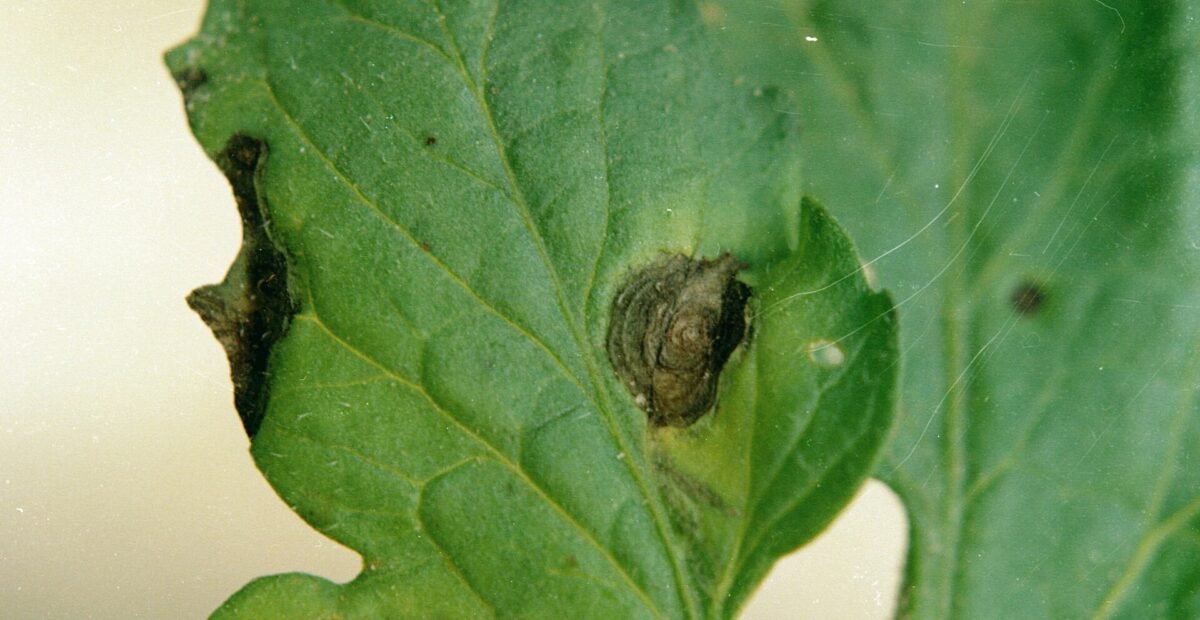
Early blight
Alternaria solaniEarly blight overview
Early blight is a widespread fungal disease of tomato, potato and other nightshades caused by Alternaria solani. It usually begins on older, lower leaves as dark brown spots with concentric “target” rings, then may spread to stems, fruit and potato tubers. Warm temperatures, prolonged leaf wetness, contaminated debris and splashing soil favor disease development.
Typical conditions
Overview
Early blight commonly affects tomato and potato during warm growing seasons. The disease often starts in older foliage near the soil line and progresses upward as additional spores are produced. On tomato, leaves, stems and fruit can be affected; on potato, foliage, stems and tubers may develop symptoms.
The name “early blight” can be diagnostically misleading: symptoms may appear at many points in the season, not only early after planting. Alternaria tomatophila can produce a similar disease on tomato, so a field diagnosis should not automatically be treated as proof that every lesion is caused by A. solani.
Symptoms and identification
Initial leaf symptoms are small, dark brown to black spots that enlarge into roughly circular lesions. Older lesions commonly show concentric dark rings, producing a target-board pattern, and may be surrounded by yellowing. Spots can merge, causing large dead areas, premature leaf drop and exposure of tomato fruit to sun.
Tomato stems may develop dry, brown, slightly sunken lesions; young stems can suffer collar rot near the soil line. Tomato fruit may develop leathery, dark lesions, often near the stem, with raised concentric ridges. Potato leaves and stems show similar target-like spots, while tubers can develop dark, sunken lesions with a raised purplish-brown margin and dry, corky brown tissue beneath the skin.
Distinguish early blight from late blight, bacterial spot and nutrient-related yellowing. Early blight lesions are typically dry and target-like; rapidly expanding water-soaked lesions or white sporulation under cool, very wet conditions suggest other diagnoses.
Causes and spread
Alternaria solani survives mainly in infected crop debris and can also be carried on seed, transplants, volunteer plants and related nightshade weeds. Spores move by wind, rain splash, irrigation splash, people, tools and equipment. Lower leaves are frequently infected when they touch contaminated soil or receive splashed soil.
Warm conditions, extended dew or rain, high humidity and repeated wetting favor infection. Poor plant nutrition, drought stress, heavy fruit load and other stresses can increase susceptibility, although disease can occur on otherwise vigorous plants when foliage remains wet and inoculum is present.
Life cycle and persistence
The pathogen overwinters as mycelium and spores in infected plant material and may persist in contaminated soil or living host tissue. During warm, humid periods it produces asexual conidia on lesions and debris. These spores are spread to healthy foliage by air movement and water.
Spore germination requires free water or very high humidity. Under favorable conditions, infection can occur and visible leaf spots may develop in about five to seven days, followed by additional sporulation and repeated disease cycles. The disease often advances from the oldest lower leaves toward younger foliage.
Treatment and control
Remove a limited number of spotted lower leaves as soon as practical, placing them directly into a bag or disposal container. Disinfect tools after working on infected plants, and avoid spreading spores through wet foliage. If a plant is extensively defoliated or repeatedly produces infected tissue, remove it completely and dispose of it away from the garden.
Maintain steady irrigation and adequate fertility without excessive nitrogen or other imbalances. Mulch exposed soil, improve airflow and keep new foliage as dry as possible. Fungicides are most useful preventively or at the earliest stages and cannot restore dead tissue; home gardeners may not need them when disease severity is light and plants continue producing well.
Low-impact and biological control
Use an integrated, low-input approach: resistant or tolerant cultivars, clean planting material, crop rotation, mulch, drip irrigation, airflow management and prompt sanitation. Copper-based products or biological fungicides may be available for some crops and production systems, but effectiveness and allowed uses vary by formulation and label. These products work best as part of prevention and early-season protection, not as a cure for established lesions.
Do not compost diseased material unless the compost system reliably reaches and maintains temperatures sufficient to destroy plant pathogens. For small gardens, bagging and disposal according to local rules is the more dependable option.
Prevention
- Plant certified or disease-free seed, transplants and potato seed pieces; avoid saving seed from diseased plants.
- Choose cultivars described as early-blight tolerant or resistant where available. Resistance reduces damage but does not provide complete immunity.
- Rotate tomato, potato, pepper and eggplant away from the same bed for at least two years; a three-year interval is preferable where early blight is persistent.
- Remove volunteer tomatoes, potatoes and susceptible nightshade weeds, including black nightshade and hairy nightshade.
- Use drip irrigation or a soaker hose, water early enough for foliage to dry, and avoid handling plants while wet.
- Stake or trellis tomatoes, maintain practical spacing, remove some low leaves, and use mulch to reduce soil splash. Do not remove more than about one-third of the foliage at one time.
- Remove and discard infected plant material after harvest rather than leaving it on the soil surface. Sanitize pruning tools between plants.
- Scout lower foliage regularly from early summer onward, especially after warm, wet or dewy periods.
Interesting facts
- Early blight is not restricted to the beginning of the season; the common name refers to its distinction from late blight, not a guaranteed calendar date.
- Concentric rings are often most visible on older leaves, but similar rings can occur in other Alternaria diseases and should not be used as the sole basis for species-level identification.
- Severe tomato defoliation can expose fruit to sun injury even when the pathogen does not directly infect every fruit.
- Alternaria solani and the closely related A. tomatophila are both associated with early-blight symptoms on tomato, making laboratory identification important in research and diagnostic situations.
Use only fungicide products legally authorized for early blight on the specific crop in the United States and in your state. Confirm that Alternaria solani or early blight is listed on the current label, follow all label directions, required personal protective equipment, reentry and preharvest intervals, and rotate labeled FRAC groups where appropriate to reduce resistance risk. The pesticide label is the law; recommendations can change, so consult your state Extension guidance and the current product label.
Affected plants
The plants below are linked to this problem by structured host-plant data. The list updates automatically as new plant profiles are added.
 Solanum aethiopicum care guideSolanum aethiopicum
 Solanum macrocarpon care guideSolanum macrocarpon
 Eggplant (Solanum melongena) care guideSolanum melongena
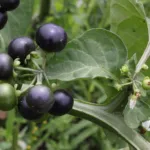 Garden Huckleberry (Solanum scabrum) care guideSolanum scabrum
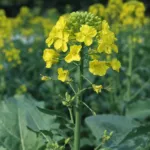 Rapeseed (Brassica napus) care guideBrassica napus
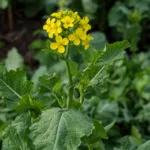 Urnip rape (Brassica rapa) care guideBrassica rapa
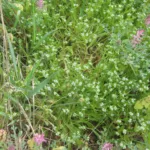 Cornsalad (Valerianella locusta) care guideValerianella locusta
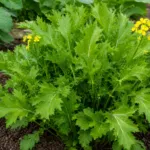 Multiceps Group (Brassica juncea Multiceps Group)Brassica juncea Multiceps Group
 Sweet-William (Dianthus barbatus) care guideDianthus barbatus
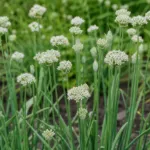 Bunching onion (Allium fistulosum) care guideAllium fistulosum
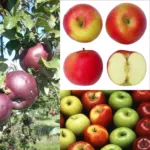 Apple tree (Malus domestica) care guideMalus domestica
 Wild Celery (Apium graveolens) care guideApium graveolens